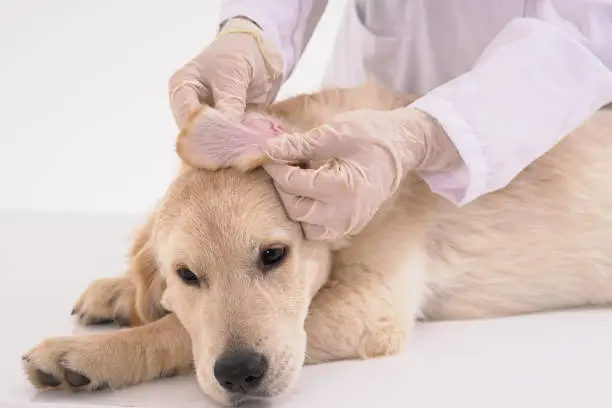
Why That “Honking” Cough Stops Dog Owners in Their Tracks
If your dog suddenly starts making a dry, hacking cough that sounds like a goose honking, it’s almost impossible to ignore. Many owners describe it as alarming, especially when it appears out of nowhere after a visit to a dog park, grooming salon, boarding kennel, or daycare.
In many cases, that cough is linked to Bordetella bronchiseptica, a common respiratory bacterium involved in what most people call kennel cough. While the name sounds scary, the reality is more nuanced. Some dogs experience only mild symptoms that resolve on their own, while others—especially puppies, seniors, or dogs with weak immune systems—can become quite sick.
Dog owners usually start searching for answers because they want to know:
- Why is my dog coughing like this?
- Is Bordetella contagious?
- Does my dog need antibiotics or a vet visit?
- Should my dog still go to daycare or boarding?
- Does the Bordetella vaccine actually work?
This guide walks you through everything you need to know about Bordetella in dogs, including how it spreads, what symptoms look like at different stages, how long dogs remain contagious, treatment options, home care tips, vaccine choices, and smart prevention strategies. Along the way, we’ll also clear up common myths that often cause unnecessary worry—or false reassurance.
What Is Bordetella in Dogs?
Bordetella bronchiseptica, explained in plain English
Bordetella bronchiseptica is a type of bacteria that infects a dog’s upper respiratory tract, particularly the trachea and bronchi. Once it attaches to the airway lining, it irritates the tissues and interferes with the normal defense mechanisms that help clear germs from the lungs.
Instead of quietly sitting in the body, Bordetella triggers inflammation and coughing, which is the body’s way of trying to clear the infection. That cough is also what helps the bacteria spread to other dogs.
It’s important to understand that Bordetella isn’t rare or exotic. It’s one of the most common respiratory pathogens in dogs worldwide, especially in places where dogs gather in close quarters.
Bordetella vs. “kennel cough”: what’s the difference?
This is where confusion often starts.
- Bordetella refers to a specific bacterium.
- Kennel cough is a general term for a contagious respiratory illness in dogs.
Veterinarians often use the more accurate term Canine Infectious Respiratory Disease Complex (CIRDC). That’s because kennel cough isn’t caused by one germ alone. It’s usually a combination of bacteria and viruses, which may include:
- Bordetella bronchiseptica
- Canine parainfluenza virus
- Canine adenovirus type 2
- Canine influenza virus
So when someone says, “My dog has kennel cough,” Bordetella may be involved—but it isn’t always the only culprit.
Is Bordetella always serious, or usually mild?
For most healthy adult dogs, Bordetella infections are mild to moderate and self-limiting. That means the immune system can often clear the infection within a couple of weeks with rest and basic care.
However, Bordetella can become more serious when:
- The dog is very young or very old
- The immune system is compromised
- Stress levels are high
- The dog develops a secondary infection, such as pneumonia
In these cases, early monitoring and veterinary guidance matter a lot more.
What Causes Bordetella (And Why It Spreads So Easily)
How dogs catch Bordetella
Bordetella spreads in ways that are frustratingly efficient. Dogs don’t need direct nose-to-nose contact to get infected.
Common transmission routes include:
- Airborne droplets released when an infected dog coughs or sneezes
- Close contact such as play, sniffing, or shared indoor spaces
- Shared objects like water bowls, toys, leashes, or bedding
Because the bacteria survive well in moist environments, places with shared water sources or poor ventilation create ideal conditions for spread.
A single coughing dog in a closed room can expose many others in a short amount of time.
Activated Charcoal for Dogs
Activated Charcoal for Dogs(60 cc) – Pet Poisoning & Diarrhea Remedy – Dog First Aid Kit Charcoal Emergency, Ready to Absorb Toxins
High-risk environments for Bordetella
Certain places show up again and again in Bordetella exposure histories:
- Boarding kennels
- Dog daycare facilities
- Grooming salons
- Animal shelters and rescues
- Veterinary waiting rooms
- Busy dog parks
This is why many boarding facilities require proof of a kennel cough vaccination before accepting dogs. The risk isn’t about cleanliness alone—it’s about density, airflow, and shared space.
A helpful overview of high-risk settings can be found in this guide on American Veterinary Medical Association guidance on kennel cough exposure risks, which explains why even well-run facilities can see outbreaks.
Why stress and crowded spaces increase risk
Stress plays a bigger role than many owners realize.
When dogs are stressed—by travel, new environments, loud noise, separation from owners, or crowded conditions—their immune response becomes less effective. This makes it easier for Bordetella to take hold.
Crowded spaces also mean:
- More coughing dogs
- Less personal space
- Faster airborne spread
- Reduced recovery time between exposures
This combination explains why a dog can seem perfectly healthy at home, then start coughing days after boarding or daycare.
Incubation Period and How Long Dogs Are Contagious
Incubation period: when symptoms start after exposure
After a dog is exposed to Bordetella, symptoms don’t appear immediately. There is an incubation period, which is the time between exposure and the first signs of illness.
For Bordetella, this period typically ranges from:
- 2 to 10 days, though some dogs may take a bit longer to show symptoms
During this time, the dog may already be carrying the bacteria without coughing yet, which is one reason outbreaks can seem to come out of nowhere.
How long a dog may shed and spread Bordetella
Once symptoms begin, dogs can continue to spread Bordetella for weeks, even if they appear to be improving.
In many cases:
- Dogs may be contagious for 10 to 14 days
- Some dogs may shed bacteria for several weeks, especially without treatment
This is why veterinarians often recommend isolation well beyond the point where coughing starts to fade.
A practical explanation of shedding timelines is discussed in this in-depth kennel cough recovery guide, which highlights why “almost better” doesn’t always mean “not contagious.”
When it’s safe to return to daycare or boarding
There is no single rule that fits every dog, but a commonly used guideline is:
- At least 7–10 days after coughing has completely stopped
Some facilities are stricter and require:
- A full 14 days symptom-free
- Or a recent Bordetella vaccination, depending on policy
If your dog had severe symptoms or complications, it’s always safer to confirm with your veterinarian before returning to group settings.
Can vaccinated dogs still spread Bordetella?
Yes, and this often surprises owners.
The Bordetella vaccine is designed to:
- Reduce severity of symptoms
- Shorten illness duration
- Lower bacterial shedding
It does not guarantee complete immunity. Vaccinated dogs may still become infected and, in some cases, may still spread the bacteria—though usually to a lesser degree.
This is one reason why vaccination works best as part of a broader prevention strategy, not as a stand-alone solution.
For a balanced overview of vaccine expectations, this kennel cough vaccination overview explains why vaccination lowers risk but doesn’t erase it entirely.
Bordetella Symptoms in Dogs (What You’ll Actually Notice at Home)
Most owners don’t discover Bordetella by reading a lab report. They discover it at 2 a.m., when their dog suddenly starts coughing and won’t stop.
The tricky part is that Bordetella doesn’t look the same in every dog. Some dogs barely seem bothered. Others sound miserable.
Classic signs of Bordetella
The most recognizable symptom is the cough. It’s usually:
- Dry and harsh, not wet
- Repetitive, often in bursts
- Worse after excitement, exercise, or pulling on a leash
Many dogs also show:
- Gagging or retching, as if something is stuck in the throat
- Mild nasal discharge
- Slight lethargy, especially after activity
- Occasional loss of appetite
Some dogs remain playful and energetic between coughing fits, which can make owners underestimate what’s going on.
According to guidance commonly summarized by the American Kennel Club, coughing without fever or lethargy often points to an uncomplicated respiratory infection rather than a deep lung issue.
Mild vs moderate vs severe symptoms
Not all Bordetella cases deserve the same level of concern.
Mild cases often look like:
- Intermittent coughing
- Normal appetite
- Normal energy most of the day
Moderate cases may include:
- Frequent coughing spells
- Thick nasal discharge
- Reduced interest in food or play
Severe cases can escalate into:
- Persistent coughing with fatigue
- Fever
- Labored breathing
- Signs of chest involvement
This is where Bordetella can cross from “annoying” into “medically important.”
Red flags that suggest complications
You should stop waiting it out and contact a vet if you notice:
- Breathing difficulty or rapid breathing at rest
- Blue or pale gums
- Thick yellow or green discharge
- Fever
- Extreme tiredness or collapse
These signs raise concern for secondary pneumonia, which requires prompt treatment.
Why puppies and senior dogs get hit harder
Young puppies haven’t built strong immune defenses yet. Senior dogs may have slower immune responses or underlying conditions.
In both groups, Bordetella can:
- Progress faster
- Last longer
- Lead to deeper lung infections
This is why age matters more than cough volume when deciding how urgent a vet visit should be.
What Bordetella Cough Sounds Like (And Why It’s So Distinct)
Owners often struggle to describe the sound, but once you hear it, you rarely forget it.
Advantage II Kitten
Advantage II Kitten Vet-Recommended Flea Treatment & Prevention | Cats 2-5 lbs. | 2-Month Supply
The “goose honk” cough vs a wet cough
Bordetella typically causes a sharp, honking cough. It sounds forceful and dry, almost theatrical.
A wet, gurgly cough, on the other hand, suggests fluid or mucus deeper in the lungs and deserves closer veterinary attention.
Quick comparison: kennel cough vs other look-alikes
| Condition | How it sounds | Key difference |
|---|---|---|
| Bordetella / kennel cough | Dry, hacking, honking | Triggered by excitement or leash pressure |
| Reverse sneezing | Snorting, gasping | Happens through the nose, stops quickly |
| Collapsing trachea | Chronic honk | Common in small breeds, long-term issue |
| Heart-related cough | Soft, persistent | Worse at night or when lying down |
If you’re unsure, a short phone video of the cough can be incredibly helpful for your vet.
When a cough is not “just kennel cough”
If coughing:
- Persists beyond 2–3 weeks
- Gets worse instead of better
- Comes with fever or breathing changes
…it’s time to stop self-monitoring and get professional input.
How Vets Diagnose Bordetella
Most cases are diagnosed the old-fashioned way: by listening to your story.
History questions vets usually ask
Expect questions like:
- Has your dog been boarded recently?
- Any daycare, grooming, shelter, or dog park visits?
- Has a new dog entered the home?
- Is your dog vaccinated against Bordetella?
Exposure history often matters more than testing.
What the physical exam looks for
During the exam, vets assess:
- Lung sounds
- Airway sensitivity
- Temperature
- Overall energy and hydration
A mild case with a classic history often doesn’t require advanced testing.
When tests are recommended
Testing may be suggested if:
- Symptoms are severe
- Treatment isn’t working
- Pneumonia is suspected
Tests may include:
- PCR respiratory panels
- Chest X-rays
- Bloodwork in complicated cases
As outlined in risk-based recommendations from the American Animal Hospital Association, treatment decisions often focus on clinical severity, not just identifying a specific pathogen.
Why vets don’t always chase the exact germ
Because kennel cough is usually multi-pathogen, identifying Bordetella alone doesn’t always change treatment. What matters more is:
- How sick the dog is
- Whether complications are developing
Treatment for Bordetella in Dogs
Here’s the part most owners want to know: What do we actually do about it?
Supportive care is the foundation
For uncomplicated cases, treatment often includes:
- Rest
- Reduced excitement
- Time
Most dogs improve within 1–3 weeks without aggressive intervention.
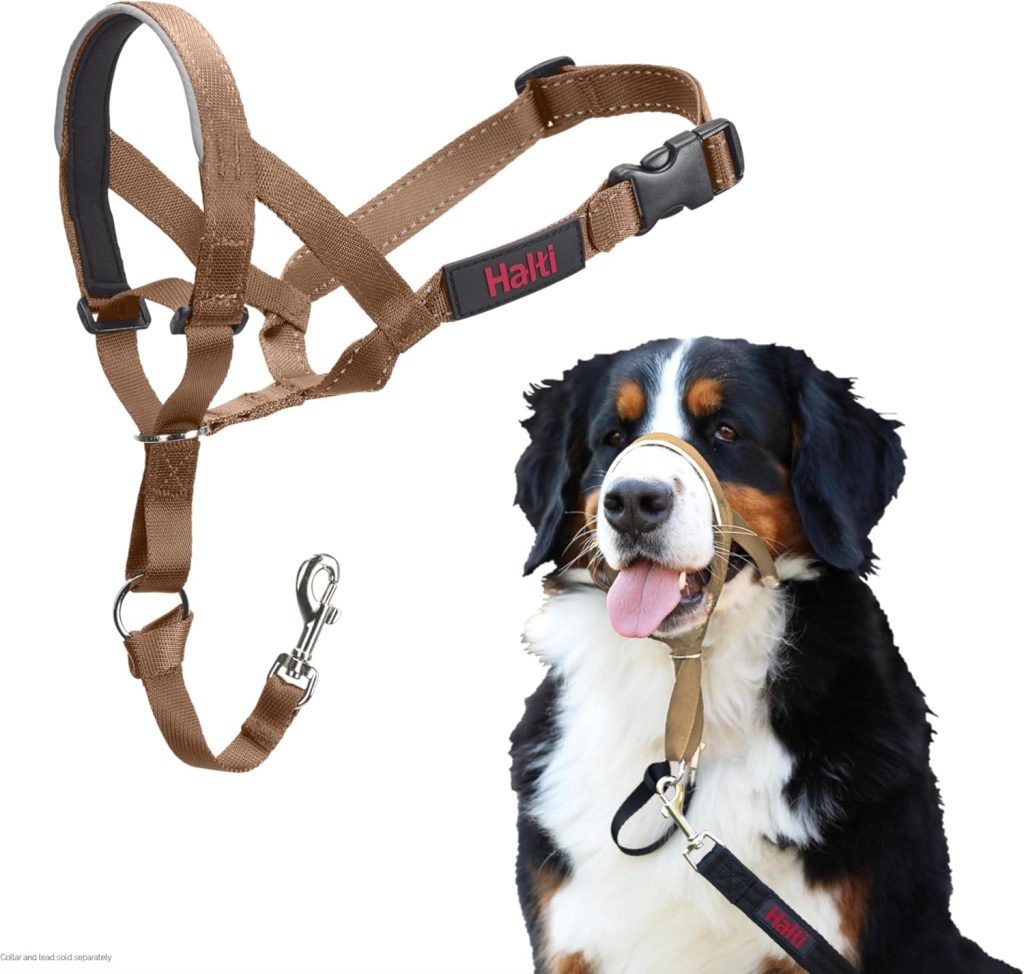
Halti Headcollar
Halti Headcollar – Stop Your Dog Pulling on The Leash. Adjustable, Reflective and Lightweight, with Padded Nose Band. Dog Training Anti-Pull Collar for Large Dogs (Size 4, Desert Sand)
When antibiotics are used (and when they aren’t)
Antibiotics may be prescribed if:
- Symptoms are moderate to severe
- Fever is present
- The dog is high-risk (puppy, senior, immune-compromised)
They are not automatically required for every cough. Overuse doesn’t speed recovery and can create resistance.
Cough suppressants and anti-inflammatories
These medications may help when:
- Coughing disrupts sleep
- The airway is extremely irritated
They’re usually avoided if pneumonia is suspected, since coughing helps clear the lungs.
Home comfort care that actually helps
Simple steps make a big difference:
- Keep your dog hydrated
- Use a humidifier in dry environments
- Encourage rest without strict crate confinement
- Limit barking and high-energy play
What not to do
Avoid:
- Smoke, strong perfumes, cleaning sprays
- Long walks or running
- Neck collars that put pressure on the throat
Switching to a harness alone can noticeably reduce coughing intensity.
Home Care Checklist for Dogs With Bordetella (What Actually Helps)
Once you know your dog likely has Bordetella, most of the real work happens at home, not at the clinic. The goal isn’t to “cure” the cough overnight. It’s to support recovery while preventing spread.
Isolation: stopping the infection from spreading
If you have more than one dog, isolation matters more than most owners expect.
Practical steps:
- Keep infected dogs separate for at least 10–14 days
- No shared water bowls, toys, or bedding
- Wash hands after handling the coughing dog
- Clean surfaces your dog touches often
Even dogs that seem fine can pick up Bordetella quietly and start coughing days later.
Switch to a harness (this really helps)
Neck collars put pressure directly on an already irritated airway. For dogs with Bordetella, that pressure can trigger coughing fits.
A front-clip or back-clip harness often reduces coughing almost immediately. Many owners notice improvement within a day.
Keep the air clean and comfortable
Dogs recover faster when their airways aren’t constantly irritated.
Helpful adjustments:
- Avoid smoke, incense, perfumes, and sprays
- Improve ventilation when possible
- Use a humidifier if indoor air is dry
These changes don’t cure Bordetella, but they reduce throat irritation, which reduces coughing.
Feeding tips if appetite drops
Some dogs eat less simply because coughing makes swallowing uncomfortable.
Try:
- Soft or slightly warmed food
- Smaller, more frequent meals
- Ensuring easy access to fresh water
If your dog refuses food entirely for more than 24 hours, it’s time to check in with a vet.
When should improvement start?
Most uncomplicated cases:
- Show noticeable improvement within 5–7 days
- Resolve fully within 2–3 weeks
Coughing may linger a bit at the end. That doesn’t automatically mean treatment failed.
When to See a Vet Immediately
Waiting is reasonable in mild cases. Waiting too long is not.
Emergency warning signs
Contact a vet urgently if you see:
- Struggling or rapid breathing
- Fever
- Thick yellow or green discharge
- Extreme lethargy
- Blue or pale gums
These signs suggest the infection may be moving into the lungs.
Extra caution for high-risk dogs
You should have a lower threshold for vet visits if your dog is:
- A puppy
- A senior
- Immune-compromised
- Living with chronic health conditions
What’s mild in a young adult dog can be dangerous in these groups.
If coughing lasts longer than expected
A cough that:
- Lasts beyond 3 weeks
- Gets worse instead of better
- Comes and goes repeatedly
…should be reassessed. Chronic coughing is rarely “just kennel cough.”
Can Humans Catch Bordetella From Dogs?
This question worries people, especially households with children or elderly family members.
Zoonotic risk: the honest answer
For healthy adults, the risk is extremely low.
However, people who are:
- Immune-suppressed
- Elderly
- Undergoing chemotherapy
- Living with chronic lung disease
…should be more cautious.
Transmission is rare, but not impossible.
Simple safety steps
If someone in your home is high-risk:
- Wash hands after handling the dog
- Avoid face-to-face contact during active coughing
- Keep the dog out of sleeping areas temporarily
These steps are usually sufficient.
Bordetella Vaccine for Dogs (Kennel Cough Vaccine)
Vaccination is one of the most misunderstood parts of kennel cough prevention.
Who actually needs the Bordetella vaccine
This vaccine is lifestyle-based, not universal.
Dogs who benefit most:
- Attend daycare
- Are boarded
- Visit groomers
- Compete in shows
- Spend time in shelters or group housing
Dogs who stay home and rarely meet others may not need it.
Intranasal vs oral vs injectable vaccines
| Vaccine type | Pros | Cons | Common use |
|---|---|---|---|
| Intranasal | Fast onset | Mild nasal symptoms | Boarding/daycare |
| Oral | Easy to give | Slightly newer | Sensitive dogs |
| Injectable | No nasal reaction | Slower protection | Annual boosters |
Facilities often specify which type they accept.
How fast protection begins
- Intranasal and oral vaccines: 3–5 days
- Injectable vaccines: up to 2 weeks
This timing matters if boarding is coming up soon.
How long immunity lasts
Protection isn’t permanent.
Many facilities require boosters every:
- 6 months, or
- 12 months, depending on risk tolerance
This doesn’t mean the vaccine “fails.” It means immunity naturally fades.
Side effects: what’s normal
Common, mild reactions include:
- Sneezing
- Nasal discharge
- Mild lethargy
Severe reactions are rare.
Why Bordetella is often paired with other respiratory vaccines
Kennel cough is usually multi-pathogen. Vaccination strategies may include coverage for:
- Canine parainfluenza
- Canine adenovirus-2
- Canine influenza (in some regions)
This layered approach reduces severity, not exposure.
Why Vaccinated Dogs Can Still Get Kennel Cough
This causes frustration, but it’s important to understand why it happens.
It’s rarely just one germ
Kennel cough isn’t one disease. It’s a complex.
Vaccinating against Bordetella doesn’t block:
- All viruses
- All bacteria
- All strains
What the vaccine actually does
Vaccination:
- Reduces symptom severity
- Shortens illness
- Decreases bacterial shedding
It does not promise zero infection.
Timing matters
If a dog is vaccinated:
- Too close to exposure
- While already incubating the disease
…the vaccine won’t prevent symptoms.
Preventing Bordetella in Multi-Dog Homes
Prevention is mostly about management, not perfection.
Isolation protocol basics
When one dog coughs:
- Separate immediately
- Clean shared items daily
- Limit group interactions
Cleaning that actually works
Focus on:
- Bowls
- Toys
- Bedding
- Floors
Regular soap and disinfectant are enough. No need for extreme measures.
Ventilation and stress control
Good airflow and calm routines help immune systems do their job.
Introducing new dogs safely
For rescues or new additions:
- Keep them separate for 7–10 days
- Watch for coughing before group integration
This single step prevents many household outbreaks.
Bordetella in Shelters, Daycares, and Boarding Facilities
Why outbreaks happen
Even well-run facilities struggle with:
- High dog turnover
- Enclosed airspaces
- Stressful environments
What vaccine requirements really mean
Requirements reduce risk, not eliminate it. Think of them as risk management, not guarantees.
Smart questions to ask facilities
- How is ventilation handled?
- How are sick dogs isolated?
- How often are bowls and surfaces cleaned?
Good answers matter more than fancy marketing.
Can Bordetella Turn Into Pneumonia?
Yes—but not often.
How complications develop
Pneumonia usually follows:
- Weakened immunity
- Delayed treatment
- Secondary infections
Dogs most at risk
- Puppies
- Seniors
- Dogs with heart or lung disease
Pneumonia warning signs
- Deep, wet cough
- Rapid breathing
- Fever
- Severe lethargy
This is always urgent.
Cost Guide (Approximate)
(Localize for Pakistan or your target region as needed)
| Expense | Typical range | What affects cost |
|---|---|---|
| Vet exam | Low–moderate | Clinic, region |
| Medications | Variable | Severity |
| X-rays/tests | Higher | Complications |
| Bordetella vaccine | Low–moderate | Type, clinic |
Severe cases cost more because they require more monitoring.
Myths vs Facts
“It’s just a cough.”
Not always. Severity matters.
“Vaccinated dogs can’t get it.”
They can—but usually milder.
“Antibiotics always fix it.”
They’re not always needed.
“Home remedies cure kennel cough.”
They may soothe, not cure.
Frequently Asked Questions
How long does Bordetella last in dogs?
Most cases resolve in 2–3 weeks, though mild coughing may linger.
How long is Bordetella contagious?
Usually 10–14 days, sometimes longer.
What are the first signs of kennel cough?
A dry, honking cough—often after boarding or daycare.
When should I worry about my dog’s cough?
If breathing changes, fever appears, or energy drops.
Can my dog go outside while sick?
Yes, for short, low-contact walks only.
Can cats catch Bordetella from dogs?
Rarely, but possible in shared environments.
Can Bordetella be fatal?
Very rarely, mainly in high-risk dogs with complications.
Which vaccine is best?
Depends on lifestyle and timing—there’s no universal “best.”
How soon before boarding should my dog be vaccinated?
At least 5–14 days, depending on vaccine type.
Conclusion: What Really Matters
Most Bordetella cases are annoying, not dangerous. The key is knowing when to watch, when to act, and when to call a vet.
Takeaways:
- Isolate early
- Reduce throat irritation
- Monitor energy and appetite
- Vaccinate based on lifestyle, not fear
When in doubt—especially for puppies, seniors, or worsening symptoms—vet guidance is always the safest choice.