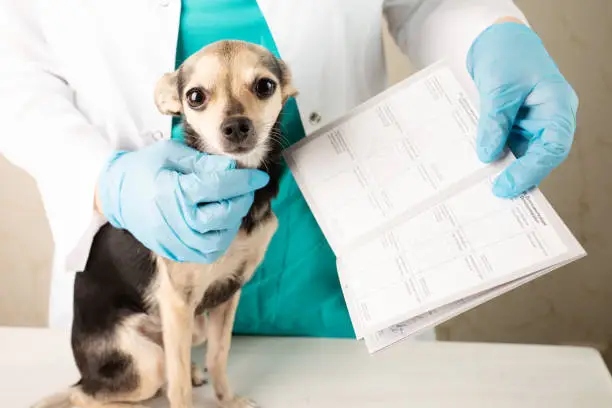
If your dog has ever started coughing suddenly—especially with that strange, harsh sound that almost feels like gagging—it can be unsettling. Many dog owners immediately wonder if something serious is going on or if their pet picked up an illness somewhere like daycare, boarding, or the groomer.
One of the most common causes behind this type of cough is Bordetella bronchiseptica, a bacterial infection strongly linked to what people commonly call kennel cough. While the name sounds alarming, Bordetella itself is often manageable. Still, because it’s highly contagious, it raises concerns for anyone with multiple dogs or a dog that regularly interacts with others.
This topic matters because Bordetella:
- Spreads easily between dogs
- Can disrupt boarding or daycare plans
- Sometimes looks mild but can turn serious in vulnerable dogs
In this article, we’ll walk through what Bordetella is, how dogs catch it, what symptoms look like, how it’s diagnosed and treated, whether vaccination is necessary, and which common myths cause confusion. By the end, you’ll have a clear picture of when to stay calm and when to call your vet.
What Is Bordetella in Dogs?
Bordetella bronchiseptica — a simple definition
Bordetella bronchiseptica is a type of bacteria that infects a dog’s respiratory tract. It primarily affects the upper airways, including the throat and windpipe, where it causes irritation and inflammation.
Once the bacteria settle in the airway, they interfere with the normal defense system that helps keep the lungs clear. The body responds by coughing, which is why coughing becomes the most noticeable symptom.
In simple terms, Bordetella doesn’t usually attack the lungs right away. Instead, it creates an irritated, inflamed airway that triggers that classic cough dog owners recognize almost instantly.
Bordetella vs kennel cough: understanding the difference
One of the biggest points of confusion is the relationship between Bordetella and kennel cough.
- Bordetella is a specific bacterium
- Kennel cough is a general condition, not a single disease
Veterinarians often refer to kennel cough as Canine Infectious Respiratory Disease Complex (CIRDC). That’s because multiple organisms—both bacteria and viruses—can cause similar symptoms.
Besides Bordetella, kennel cough can involve:
- Canine parainfluenza virus
- Canine adenovirus
- Canine influenza virus
So when someone says, “My dog has kennel cough,” Bordetella may be involved—but it isn’t always the only cause.
Why Bordetella is so common in dogs
Bordetella is common for a few simple reasons.
First, dogs are social animals. They sniff, play, share space, and interact face-to-face far more than humans typically do. That behavior makes respiratory infections easy to pass along.
Second, the bacteria spread efficiently in shared environments, especially where:
- Many dogs gather
- Air circulation is limited
- Stress levels are high
Finally, Bordetella survives well in moist conditions, which makes shared water bowls, toys, and indoor spaces ideal for transmission.
All of this explains why Bordetella shows up so often in places designed for dogs to socialize.
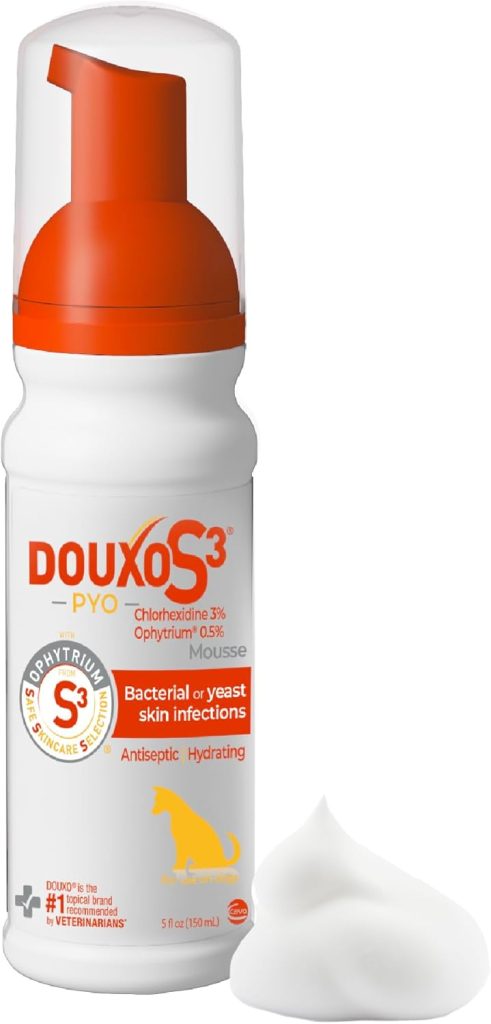
Douxo S3 Pyo Mousse
Douxo S3 Pyo Mousse, Contains 3% Chlorhexidine & 0.5% Ophytrium, Antiseptic & Hydrating, for Bacterial or Yeast Skin Infections, for Dogs, 5 fl. oz. (150mL)
How Dogs Catch Bordetella
Transmission: how Bordetella spreads
Bordetella spreads in several straightforward ways, most of them hard to avoid entirely.
Common transmission routes include:
- Airborne droplets from coughing or sneezing
- Direct contact, such as playing or nose-to-nose sniffing
- Shared objects, including water bowls, toys, leashes, or bedding
A single coughing dog in an enclosed space can expose multiple dogs in a short period of time.
High-risk situations for Bordetella exposure
Certain environments consistently show up in Bordetella cases.
High-risk situations include:
- Boarding kennels
- Dog daycare facilities
- Grooming salons
- Animal shelters or rescues
- Veterinary waiting rooms
This is why many facilities require proof of a kennel cough vaccination. It’s not because they expect dogs to be sick—but because they know how easily respiratory infections spread in group settings.
The role of stress and immune function
Stress plays a bigger role than many people realize.
When dogs are stressed—by travel, unfamiliar environments, loud noise, or separation from their owners—their immune systems don’t respond as effectively. This gives bacteria like Bordetella an easier opportunity to establish infection.
Crowded conditions combined with stress create the perfect storm:
- Increased exposure
- Reduced immune defense
- Faster spread
That’s why dogs often seem healthy before boarding, then start coughing a few days after returning home.
Incubation Period and Contagiousness
How long until symptoms appear?
After a dog is exposed to Bordetella, symptoms don’t show up right away.
The incubation period is usually:
- 2 to 10 days after exposure
During this time, a dog may appear perfectly normal while the bacteria multiply in the airway. This delay is one reason owners are often surprised when symptoms appear days after boarding or daycare.
How long dogs remain contagious
Once coughing begins, dogs can spread Bordetella even if they otherwise seem well.
In general:
- Dogs may be contagious for 10 to 14 days
- Some dogs shed bacteria for longer, especially without treatment
Because of this, veterinarians often recommend keeping dogs away from others until coughing has completely resolved, not just until it improves.
Can vaccinated dogs still spread Bordetella?
Yes—this surprises many owners.
The Bordetella vaccine is designed to:
- Reduce symptom severity
- Shorten illness duration
- Decrease bacterial shedding
It does not guarantee complete prevention. Vaccinated dogs may still become infected and, in some cases, pass the bacteria to others, though usually with milder symptoms.
This is why vaccination works best as risk reduction, not as a promise of full protection.
Recognizing Bordetella in Dogs
Most people don’t realize their dog has Bordetella right away. It often starts subtly, with a cough that seems harmless at first. Then it keeps happening.
That’s usually when concern kicks in.
Common symptoms dog owners notice first
The most obvious sign is the cough, but Bordetella doesn’t stop there.
Typical symptoms include:
- A dry, hacking cough, often in bursts
- Gagging or retching, especially after coughing
- Occasional sneezing
- Mild nasal discharge
- Slight drop in energy or appetite
Some dogs act completely normal between coughing spells. They still want to play, eat, and go on walks, which can make the cough seem less serious than it actually is.
Mild vs severe signs: knowing the difference
Not every case of Bordetella needs urgent care, but knowing where your dog falls on the spectrum matters.
Mild cases usually involve:
- Coughing without fever
- Normal appetite
- Normal breathing when resting
More serious cases may include:
- Frequent or worsening cough
- Thick nasal discharge
- Fever
- Lethargy or weakness
The shift from mild to concerning can be gradual, which is why daily observation is important.
Why puppies and vulnerable dogs need closer attention
Puppies, senior dogs, and dogs with existing health issues don’t have the same margin for error.
In these dogs, Bordetella can:
- Progress faster
- Last longer
- Increase the risk of complications
If your dog falls into one of these categories, it’s usually better to involve a veterinarian sooner rather than later, even if symptoms seem mild at first.
What the Bordetella Cough Really Sounds Like
Many owners struggle to describe the cough until they hear it compared to others.
Once you recognize it, it’s hard to forget.

Aiminto Braided Round Martingale Dog
Aiminto Braided Round Martingale Dog Collar, Training Collar with Slidable Stop Ring and Adjustable Stopper – Ideal for Large Dogs (L(1/2″) – 20″…
The classic “honking” cough
Bordetella cough is often described as:
- Sharp
- Dry
- Forceful
- Almost like a goose honking
It can sound dramatic, especially when it happens repeatedly. Dogs may stretch their necks forward or gag at the end of a coughing fit, which can be alarming if you’ve never seen it before.
How kennel cough differs from other coughs
Not all coughs mean Bordetella. A few conditions can sound similar at first.
| Condition | Typical sound | Key clue |
|---|---|---|
| Bordetella / kennel cough | Dry, honking | Often after boarding or daycare |
| Reverse sneezing | Snorting or gasping | Happens through the nose |
| Collapsing trachea | Chronic honk | Common in small breeds |
| Heart-related cough | Soft, persistent | Worse at night or lying down |
If you’re unsure, recording a short video of your dog coughing can be incredibly helpful for your vet.
When a cough is not kennel cough
A cough deserves further investigation if it:
- Lasts more than 2–3 weeks
- Becomes wet or productive
- Is paired with breathing difficulty
- Comes with fever or extreme fatigue
At that point, assuming it’s “just kennel cough” can delay proper treatment.
Diagnosing Bordetella
Unlike some illnesses, Bordetella is often diagnosed without extensive testing.
Veterinary history and physical exam
The diagnosis usually starts with questions:
- Has your dog been boarded recently?
- Any daycare, grooming, or shelter exposure?
- Are other dogs coughing?
- Is your dog vaccinated for Bordetella?
These answers often point strongly toward a respiratory infection before any tests are run.
During the exam, vets listen to:
- Lung sounds
- Breathing pattern
- Heart rate
- Temperature
In many mild cases, this is enough to guide treatment.
Diagnostic tests: when they’re used
Testing may be recommended if:
- Symptoms are severe
- The dog isn’t improving
- Pneumonia is suspected
Common tests include:
- PCR respiratory panels to identify pathogens
- Chest X-rays to evaluate lung involvement
Testing isn’t always about identifying Bordetella specifically. Often, it’s about ruling out more serious problems.
Why testing isn’t always necessary
Kennel cough is usually caused by multiple organisms, not just Bordetella. Knowing the exact germ doesn’t always change treatment.
What matters more is:
- How sick the dog appears
- Whether complications are developing
This is why many vets focus on symptom severity rather than chasing a single diagnosis.
Treatment Options for Bordetella
Treatment depends on how your dog is doing overall, not just how bad the cough sounds.
Supportive care and monitoring
For uncomplicated cases, treatment is often simple:
- Rest
- Reduced activity
- Monitoring at home
Most dogs start improving within one to two weeks, though coughing may linger slightly longer.
When antibiotics are helpful
Antibiotics are usually reserved for:
- Moderate to severe cases
- Dogs with fever
- Puppies, seniors, or immune-compromised dogs
They are not automatically required for every coughing dog. In mild cases, antibiotics don’t significantly shorten recovery and may do more harm than good.
Cough suppressants and anti-inflammatories
These medications may be used when:
- Coughing interferes with sleep
- Airway irritation is severe
They’re generally avoided if there’s concern about pneumonia, since coughing helps clear the lungs.
Hydration and comfort care
Simple comfort measures make a noticeable difference:
- Encourage water intake
- Keep the environment calm
- Use a humidifier if air is dry
- Avoid over-excitement that triggers coughing
What not to do during recovery
Avoid:
- Smoke, perfumes, or strong cleaning products
- Long or strenuous walks
- Neck collars that press on the throat
Switching to a harness alone can significantly reduce coughing in many dogs.
Preventing Bordetella in Everyday Life
Once you’ve dealt with Bordetella once, most owners start thinking less about treatment and more about how to avoid a repeat. Prevention isn’t about locking your dog indoors. It’s about reducing risk where it actually matters.
Everyday prevention at home
If one dog in the household develops a cough, quick action makes a big difference.
Practical steps that actually help:
- Separate coughing dogs from others when possible
- Don’t share water bowls, toys, or bedding
- Wash hands after handling a sick dog
- Clean commonly touched surfaces regularly
You don’t need hospital-grade disinfectants. Consistency matters more than intensity.
What to watch for at boarding or daycare
Group settings aren’t inherently bad, but they do require smarter decisions.
Before choosing a facility, it’s reasonable to ask:
- How are coughing dogs handled?
- Is there a separate isolation area?
- How often are bowls, floors, and play areas cleaned?
- What ventilation systems are in place?
Facilities that answer clearly and confidently are usually better prepared to manage respiratory illnesses.
Bringing a new dog home safely
New dogs, especially rescues, often arrive with unknown health histories.
A simple approach:
- Keep new dogs separate for 7–10 days
- Watch for coughing, sneezing, or nasal discharge
- Introduce gradually once you’re confident they’re healthy
This short buffer period prevents many household outbreaks.
Bordetella Vaccine for Dogs
Vaccination is helpful—but it’s also widely misunderstood.
Who should actually get the Bordetella vaccine
The Bordetella vaccine is lifestyle-based, not universal.
Dogs most likely to benefit:
- Regularly attend daycare
- Stay at boarding facilities
- Visit groomers frequently
- Spend time in shelters or group housing
Dogs who stay mostly at home and rarely meet others may not need it.
Types of Bordetella vaccines
There are three common forms, each with its own pros and cons.
| Vaccine type | How it’s given | Why it’s chosen |
|---|---|---|
| Intranasal | Nose drops | Fast protection |
| Oral | By mouth | Easier for some dogs |
| Injectable | Shot | Familiar option |
Some facilities require a specific type, so it’s worth checking ahead of time.
How fast the vaccine works
Timing matters.
- Intranasal and oral vaccines usually start working in a few days
- Injectable vaccines may take up to two weeks
If boarding is scheduled soon, last-minute vaccination may not provide full protection.
How long protection lasts
Protection isn’t permanent.
Many boarding facilities require boosters every:
- 6 months, or
- 12 months, depending on their policy
This doesn’t mean the vaccine failed. It reflects how respiratory immunity works.
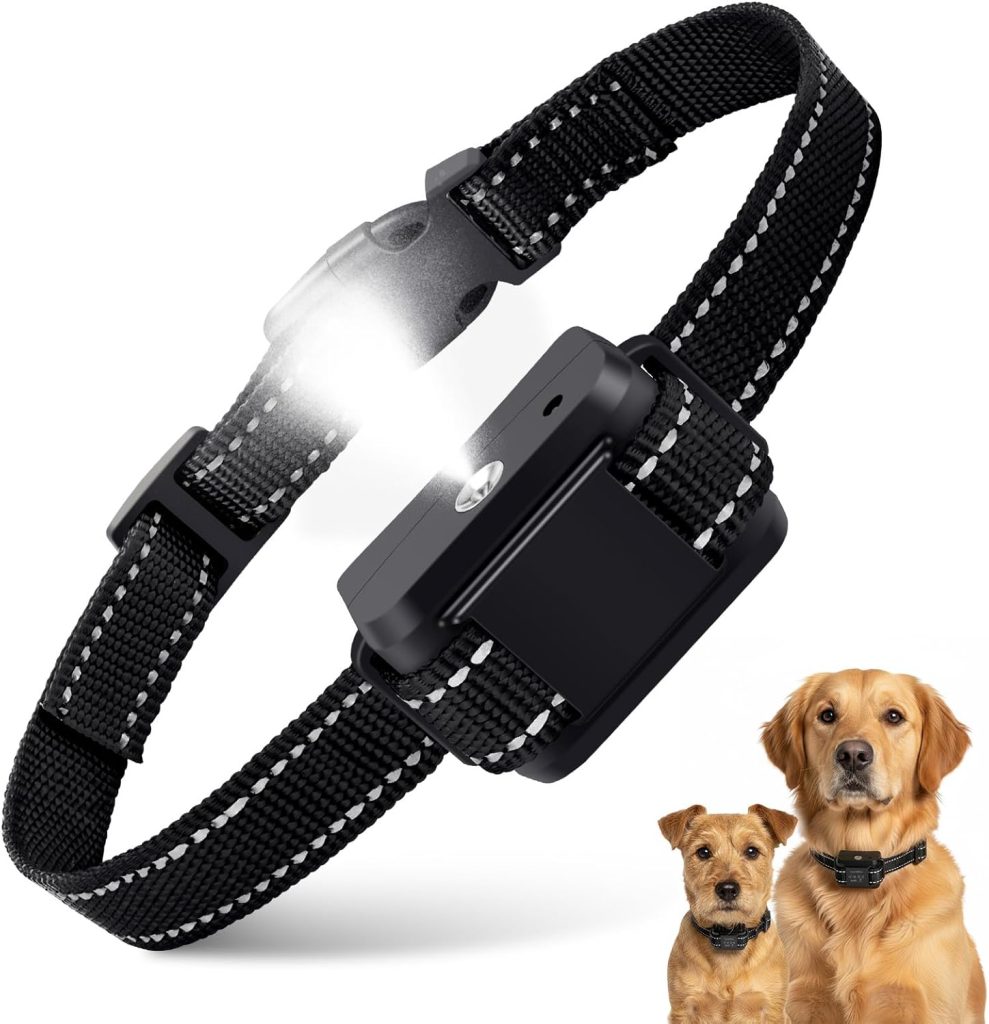
Citronella Dog Bark Collar
Citronella Dog Bark Collar, Dog Bark Collar for Large Medium Small Dogs, Bark Collar with Adjustable Spray & Sensitivity, Rechargeable Anti-Bark Collar for Dogs with Safe, 2 Collar Straps(Black)
Common vaccine reactions
Most reactions are mild and temporary, such as:
- Sneezing
- Mild nasal discharge
- Low energy for a day or two
Serious reactions are rare, but any concerning changes should be discussed with a vet.
Why vaccination doesn’t always prevent infection
This frustrates many owners, but it’s important to understand why it happens.
- Kennel cough involves multiple pathogens
- The vaccine reduces severity, not exposure
- Dogs may already be incubating the illness when vaccinated
Vaccination lowers risk. It doesn’t eliminate it.
Complications: When Bordetella Becomes More Serious
Most dogs recover uneventfully. A small number don’t.
Can Bordetella lead to pneumonia?
Yes, though it’s uncommon.
Pneumonia usually develops when:
- The immune system is compromised
- Treatment is delayed
- Secondary infections occur
Dogs most at risk
Higher-risk dogs include:
- Puppies
- Senior dogs
- Dogs with heart or lung disease
- Dogs with weakened immune systems
In these dogs, even mild coughing deserves closer attention.
Warning signs of pneumonia
Seek veterinary care if you notice:
- Deep, wet coughing
- Rapid or labored breathing
- Fever
- Severe lethargy
These signs should never be ignored.
Cost Considerations (General Overview)
Costs vary widely based on location and severity, but expectations help owners plan.
| Expense | Typical range | What affects cost |
|---|---|---|
| Vet exam | Low to moderate | Clinic, region |
| Medications | Variable | Severity |
| Diagnostic tests | Higher | Complications |
| Bordetella vaccine | Low to moderate | Vaccine type |
Early intervention usually keeps costs lower.
Myths vs Facts About Bordetella
“It’s just a cough.”
Sometimes. Other times, it’s not.
“Vaccinated dogs can’t get Bordetella.”
They can, but symptoms are usually milder.
“Home remedies cure kennel cough.”
They may soothe symptoms, but they don’t eliminate infection.
“Every cough in dogs is Bordetella.”
Heart disease, allergies, airway collapse, and infections can all cause coughing.
Frequently Asked Questions
What does Bordetella mean in dogs?
It refers to a bacterial infection that affects the respiratory tract and often causes kennel cough.
Is Bordetella the same as kennel cough?
Not exactly. Bordetella is one cause of kennel cough, which is a broader syndrome.
How long is Bordetella contagious?
Most dogs are contagious for 10–14 days, sometimes longer.
Can humans catch Bordetella from dogs?
It’s very rare, but people with weakened immune systems should be cautious.
Do all dogs need the Bordetella vaccine?
No. It’s recommended based on lifestyle and exposure risk.
Can Bordetella be fatal?
Very rarely, mainly in high-risk dogs with complications like pneumonia.
Conclusion: What Dog Owners Should Really Take Away
Bordetella in dogs is common, contagious, and usually manageable. For most healthy dogs, it’s more of an inconvenience than a crisis. The key is recognizing symptoms early, managing exposure responsibly, and knowing when professional care is needed.
The big takeaways:
- Not every cough is an emergency
- Isolation and basic care go a long way
- Vaccination should match lifestyle, not fear
- Puppies, seniors, and vulnerable dogs deserve extra caution
If you’re ever unsure, a quick conversation with your veterinarian is worth far more than guessing.