Complete Guide to Healing and Rehabilitation
Recovery from dog ACL surgery is a crucial part of the healing process that involves more than just rest. It requires proper management, rehabilitation, and monitoring to ensure that your dog returns to its full physical abilities with minimal complications. Whether your dog underwent TPLO (Tibial Plateau Leveling Osteotomy), TTA (Tibial Tuberosity Advancement), or extracapsular repair, the goal is to achieve a stable knee, reduce pain, and ensure the long-term mobility of your dog.
ACL tears are a common injury in dogs, especially in active or older dogs. However, surgery provides the best chance for full recovery and restoration of knee function. With the right recovery plan, most dogs make significant progress, regaining their mobility and comfort. However, it’s important to understand that activity restriction is non-negotiable during the recovery period, and this phase plays a significant role in your dog’s long-term success.
This article will walk you through the recovery timeline, home care essentials, rehab exercises, red flags to watch out for, and answers to frequently asked questions that pet owners often have. By the end, you will be well-prepared to support your dog through the recovery journey and ensure the best possible outcome.
2. Quick Answer: How Long Does Recovery Take?
Typical “Basic Recovery” vs “Full Return to Normal”
Recovery from dog ACL surgery varies from dog to dog, depending on their age, size, health, and the type of surgery performed. While the initial basic recovery (healing bone, joint, and muscle tissue) usually takes about 6–8 weeks, the full return to normal activity can take anywhere from 3 to 6 months.
Some dogs, especially those with more invasive surgeries like TPLO or TTA, may require more time for full healing. Dogs who undergo extracapsular repair often experience a faster return to normal activity, but this also depends on the individual dog’s healing process.
Snapshot Timeline:
| Phase | Timeline | Activity |
|---|---|---|
| Immediate Post-Op | 0–2 weeks | Rest and limited movement; potty breaks on a leash |
| Early Recovery | 3–6 weeks | Short leash walks, gentle movements |
| Strength Rebuild | 6–12 weeks | Controlled walks, light strengthening exercises |
| Full Return to Activity | 3–6 months | Increased mobility, running, and playing (with vet clearance) |
3. The First 72 Hours: What to Expect at Home
The first 72 hours following surgery are critical as your dog adjusts to the anesthesia and begins the healing process. During this time, your dog will likely be groggy, in some pain, and require constant supervision to ensure their comfort and safety.
Normal After-Effects
- Grogginess: Anesthesia takes time to wear off, so your dog may appear lethargic or sleepy.
- Reduced Appetite: It’s normal for your dog to have a reduced appetite after surgery. However, ensure they stay hydrated and offer food as per your vet’s guidance.
- Soreness: Your dog will likely feel some soreness around the surgery site. This can be managed with the prescribed pain medication.
Setting Up a Safe Recovery Zone
Creating a comfortable and safe environment for your dog to recover is key to preventing complications. Here are some tips:
- Crate/pen setup: Set up a confined area that restricts movement and helps keep your dog safe. A crate or small pen will prevent excessive movement and jumping.
- Non-slip flooring: Make sure the recovery area has non-slip floors (carpet or rugs) to prevent slipping or further injury.
- Blocked stairs: Keep your dog away from stairs to prevent the risk of falling or overexerting themselves.
Bathroom Plan: Leash-Only, Slow, Short Trips
For the first 1–2 weeks, your dog should only go outside for potty breaks. Leash-only walks should be kept short and slow. Even though your dog may want to walk or run, it’s important to restrict movement during this critical time.
Sleeping and Positioning Tips to Reduce Stiffness
- Avoid bed jumping: Don’t allow your dog to jump on or off the bed or furniture.
- Proper positioning: Keep your dog in a comfortable position that doesn’t strain the surgical site. Use soft bedding and encourage your dog to sleep on their side or back.
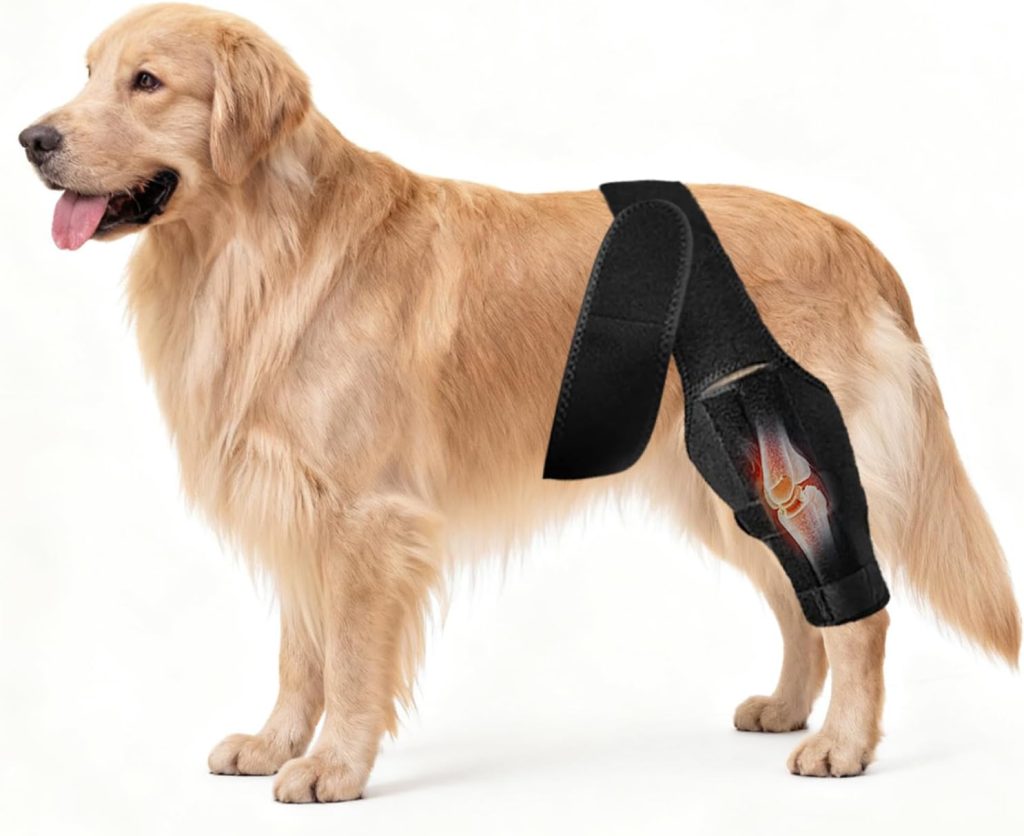
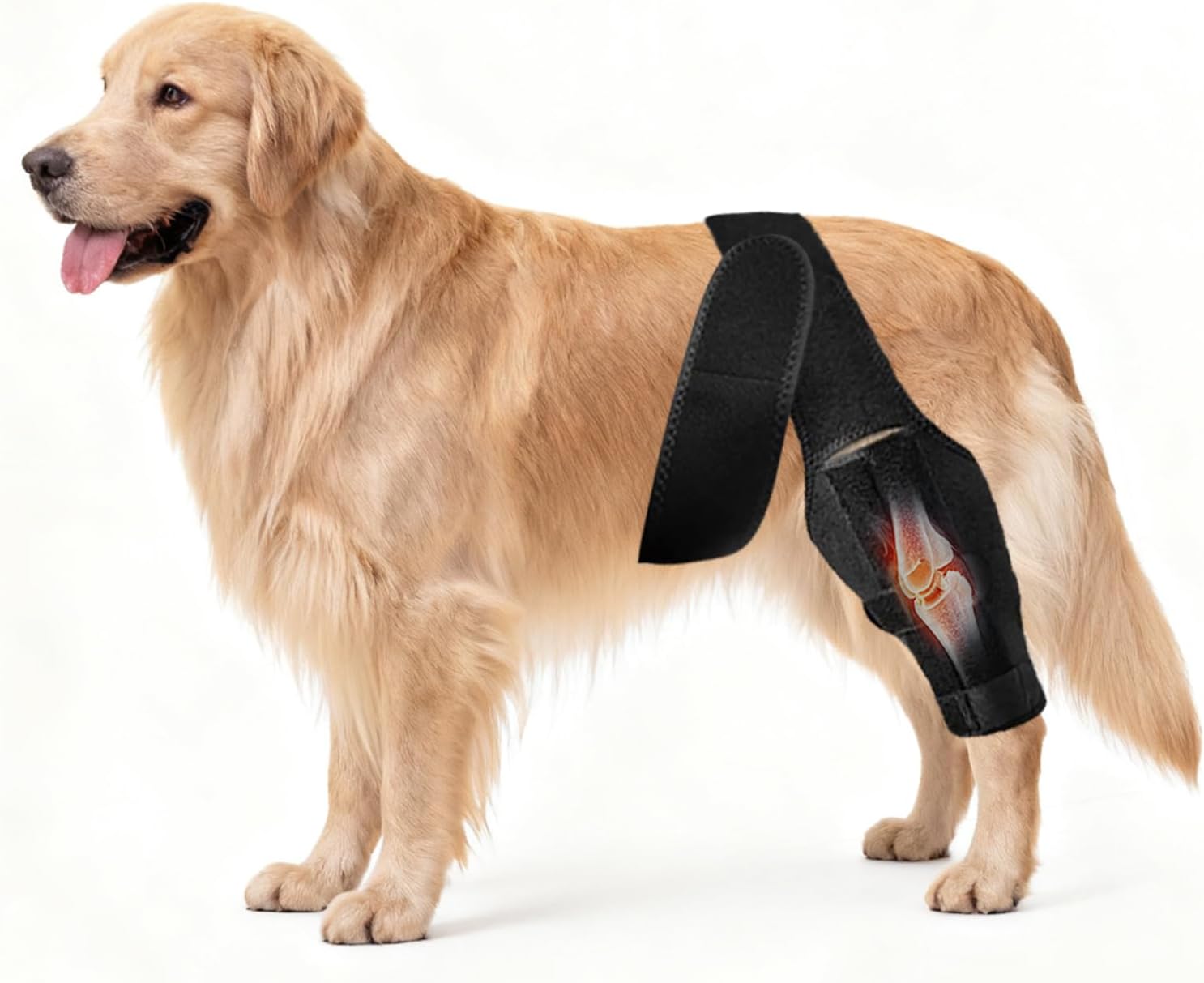
Dog Knee Brace for ACL Tear
Dog Knee Brace for ACL Tear, Cruciate Ligament Brace for Dogs – Adjustable Leg Support for Front & Rear Legs, Support for Surgery Recovery, Hip…
4. Week-by-Week Dog ACL Surgery Recovery Timeline
Recovery from ACL surgery is a step-by-step process. Each phase requires careful monitoring, controlled movement, and plenty of patience. The following is a week-by-week guide to what you can expect as your dog heals:
4.1 Week 0–2: “Foundation Phase” (Strict Rest)
In the first two weeks, the priority is rest. Your dog’s body will be healing from the surgery, and excessive movement can hinder the recovery process.
Key Steps in Weeks 0–2:
- Confinement Rules: Restrict your dog’s movement to a crate or a small room. This minimizes the risk of overexertion.
- Leash-Only Potty Breaks: Short, leash-controlled walks for bathroom breaks are essential.
- Ice/Heat Guidance: Follow your vet’s recommendations on applying ice to reduce swelling or heat to alleviate stiffness.
- First Recheck: The first post-op checkup is crucial. Your veterinarian will evaluate the surgical site and remove any bandages if used.
4.2 Weeks 3–4: Gentle Controlled Movement
At this stage, your dog can begin some gentle movement to encourage healing and prevent stiffness. This is still a period of controlled rehabilitation.
Key Steps in Weeks 3–4:
- Increasing Leash Walks: Start with short, slow walks to prevent stiffness and promote circulation.
- Early Rehab: Begin passive range-of-motion exercises, where you gently move your dog’s knee joint to encourage flexibility.
- “Too Much Too Soon” Signs: If your dog experiences soreness or discomfort after a walk, reduce the intensity and duration of the activity.
4.3 Weeks 5–8: Strength Rebuild Phase
As your dog’s knee heals, it’s time to focus on building strength and stabilizing the joint. You’ll begin to see more mobility and your dog may feel less pain, but the joint will still be fragile.
Key Steps in Weeks 5–8:
- Longer Controlled Walks: Slowly increase the duration of the walks as your dog becomes more comfortable.
- Basic Strengthening: Your vet may guide you through exercises that help strengthen the muscles around the knee.
- Healing Milestones: At this stage, your vet will look for signs like less limping, improved gait, and reduced swelling.
4.4 Weeks 8–12: Return-to-Function Phase
This phase focuses on regaining full knee function and returning to normal activity. However, your dog is still in the recovery process and should not be allowed to run or jump yet.
Key Steps in Weeks 8–12:
- Increasing Walk Duration and Terrain: Gradually increase the walks and include slightly varied terrain (e.g., grass, mild inclines).
- Off-Leash Play: Most dogs are still restricted from off-leash play until fully healed (typically after 12 weeks).
- More Mobility: You’ll start to notice more fluid movement and your dog will likely feel more comfortable with normal walking.
4.5 Month 3–6+: Return to Normal Activity (With Vet Clearance)
Once the initial recovery period is complete, your dog can slowly return to their normal activities, but vet clearance is essential before allowing running, fetching, or stairs.
Key Steps in Month 3–6+:
- Follow-Up Imaging/Exam: Your vet may take X-rays to check the bone healing progress and ensure everything is stable.
- Controlled Running and Play: If your dog has been cleared, introduce controlled running in small doses, gradually increasing intensity.
- Athletic Dogs: Dogs that are particularly athletic may take longer to return to their peak performance, requiring more time for conditioning.
5. TPLO vs TTA vs Extracapsular: How Recovery Differs
When it comes to dog ACL surgery, there are several surgical techniques to choose from, each with its own set of advantages and recovery timelines. The three most common procedures—TPLO, TTA, and extracapsular repair—each require a slightly different recovery process. Understanding the differences between these surgeries and how they impact the recovery phase will help you better plan for your dog’s healing journey.
5.1. TPLO (Tibial Plateau Leveling Osteotomy) Recovery
TPLO is one of the most commonly performed surgeries for ACL injuries in dogs, especially for medium to large breeds. This surgery alters the angle of the tibial plateau, which is the top part of the shin bone. By repositioning the tibia, the TPLO procedure stabilizes the knee and eliminates the need for the torn ACL to bear weight.
How Recovery Differs for TPLO:
- Recovery is more intense for larger dogs. Since TPLO involves cutting and repositioning the bone, the recovery requires strict post-surgical care. Larger, more active dogs are typically given a longer recovery period to ensure the bone heals properly.
- Rehabilitation is essential to regain full function, and the first 6 weeks are crucial for limiting movement. After that, your dog will gradually increase its walking distances, but jumping and running should still be restricted for several more months.
- Physical therapy plays a key role, as the muscle around the knee needs to be rebuilt. Once your dog gets past the initial stages, they will likely regain full mobility but still need ongoing care to maintain joint health.
5.2. TTA (Tibial Tuberosity Advancement) Recovery
Like TPLO, TTA is a bone-cutting procedure used to treat ACL tears, but it works a little differently. This surgery focuses on advancing the tibial tuberosity (the bony prominence in the tibia where the patellar tendon attaches) to improve knee stability. It’s a great option for medium to large-sized dogs and works similarly to TPLO in terms of providing stability to the knee joint.
How Recovery Differs for TTA:
- TTA recovery tends to be a bit faster compared to TPLO, though it still requires significant time for healing. The bone that’s cut must be repositioned and stabilized with metal plates and screws, so there’s a need for strict confinement in the initial weeks.
- Walking restrictions are less severe in the beginning compared to TPLO, but dogs will still need controlled leash walks during the early recovery period.
- As with TPLO, rehabilitation is necessary to help the muscles and tissues around the knee regain strength and functionality. Full activity (like running or jumping) should not be allowed for several months after the procedure.
5.3. Extracapsular Repair (Lateral Suture Technique)
The extracapsular repair method is more traditional and is generally recommended for smaller dogs or those with less severe ACL injuries. In this surgery, a strong suture is placed around the knee joint, mimicking the function of the torn ACL and stabilizing the knee during the healing process.
How Recovery Differs for Extracapsular Repair:
- Extracapsular repair recovery tends to be quicker, and there’s less risk of complications related to bone healing because the surgery doesn’t involve cutting the bone.
- Post-surgical confinement is still necessary, but the intensity of the recovery period isn’t as demanding as the bone-cutting techniques like TPLO and TTA. However, you will need to restrict movement to avoid over-stressing the suture during the initial healing phase.
- While recovery from extracapsular repair may be quicker, it’s still important to proceed with physical therapy and regular follow-ups to ensure the knee heals properly and the dog maintains muscle strength.
5.4. Recovery Timelines Across the Board
Here’s a quick breakdown of how recovery might differ based on the surgery type:
| Surgical Technique | Initial Rest Period (Weeks) | Physical Therapy Start | Return to Full Activity (Months) |
|---|---|---|---|
| TPLO | 6–8 weeks | 3–4 weeks post-op | 4–6 months |
| TTA | 4–6 weeks | 3 weeks post-op | 3–5 months |
| Extracapsular Repair | 4–6 weeks | 2–3 weeks post-op | 2–4 months |
While these are typical timelines, it’s important to remember that each dog heals at their own pace. The size, age, and overall health of the dog, as well as how strictly the recovery plan is followed, can all affect how quickly your dog returns to normal activity.
6. Home Care Essentials After ACL Surgery
Recovery isn’t just about physical therapy—it also involves consistent, diligent home care to ensure your dog heals properly. Following your vet’s post-surgical care instructions carefully is critical to preventing complications and promoting healing.
6.1. Incision Care (What’s Normal vs Not)
After surgery, your dog’s incision site will need regular monitoring to ensure it’s healing properly. While some redness and swelling are normal, there are certain signs to watch out for that could indicate a problem.
What to Check Daily:
- Redness and Swelling: Some minor swelling is normal, but if it persists or worsens, it could signal an infection.
- Discharge or Odor: A clean, dry incision is essential for healing. Any yellow or green discharge or foul odor may indicate infection.
- Licking Prevention: Your dog may be tempted to lick the incision site, which could lead to infection. Use an Elizabethan collar (cone) or inflatable collar to prevent this.
Bathing Restrictions:
- No baths for the first few weeks after surgery, as wetting the incision site can increase the risk of infection. You can gently wipe your dog’s body with a damp cloth, but keep the incision dry and clean.
6.2. Activity Restriction Rules (The “Do Not” List)
After ACL surgery, your dog will need to adhere to strict activity restrictions for a period of time. This is essential to allow the knee joint to heal properly and to prevent any strain on the surgical site.
No Running, Jumping, or Rough Play:
- Avoid any high-impact activities such as running, jumping, and rough play until your veterinarian clears your dog for these activities.
No Stairs or Furniture:
- Prevent your dog from climbing stairs or jumping on/off furniture. This type of movement puts unnecessary strain on the surgical knee.
Why “Yard Time” is Risky:
- Even if your dog seems fine, yard time (even for bathroom breaks) should be done on a leash to prevent running or sudden movements.
6.3. Pain Control + Med Schedule Tips
Managing your dog’s pain is a crucial aspect of their recovery. Pain relief not only keeps your dog comfortable, but it also helps them participate more willingly in rehabilitation exercises.
NSAIDs and Other Pain Medications:
- Your vet will likely prescribe NSAIDs (non-steroidal anti-inflammatory drugs) or other pain medications to manage your dog’s discomfort. Make sure to give these medications as directed and complete the entire course.
- Be sure to watch for side effects like vomiting, diarrhea, or lethargy, which can sometimes occur with pain meds. If you notice anything unusual, contact your vet.
Why Pain Control Improves Rehab Participation:
- Pain relief makes physical therapy more tolerable for your dog and reduces stress, which helps improve the effectiveness of rehabilitation.
7. Physical Therapy and Rehab Options That Speed Up Safe Recovery
The recovery process after ACL surgery involves more than just rest—it’s essential to help rebuild strength in the muscles surrounding the knee joint. This is where physical therapy becomes a vital part of the healing process.
7.1. At-Home Rehab (Vet-Approved)
Your vet may suggest a series of gentle exercises to help your dog regain strength and flexibility. These exercises should start as soon as your vet approves them, usually within a few weeks after surgery.
Passive Range-of-Motion Exercises:
- Gently move your dog’s knee joint through its natural range of motion to help keep the joint flexible and prevent stiffness.
Sit-to-Stand Exercises:
- If your vet approves, encourage your dog to sit-to-stand multiple times a day. This will help engage the muscles around the knee and strengthen the leg.
Slow, Controlled Weight Shifting:
- Gently encourage your dog to shift weight onto their injured leg, which will help rebuild muscle strength and balance.
7.2. Professional Rehab
Many pet owners find that taking their dog to professional rehab can speed up recovery and help avoid complications. Here are some options your vet may recommend:
Underwater Treadmill/Hydrotherapy:
- Hydrotherapy is an excellent way to build muscle without putting too much strain on the healing joint. The water provides resistance for muscle strengthening, but the buoyancy reduces pressure on the knee.
Cold Laser Therapy:
- This therapy uses low-level lasers to reduce inflammation and improve healing. It’s non-invasive and can help alleviate pain while accelerating tissue repair.
Massage and Guided Strengthening:
- Professional massage therapy can help relax muscles, improve circulation, and alleviate stiffness around the surgical area. Your dog may also benefit from guided strengthening exercises led by a rehabilitation specialist.
7.3. Rehab Equipment Checklist
To support your dog during rehab, you may need some specific equipment. Here’s a quick list:
- Harness for controlled walks
- Rear sling for helping your dog up or supporting their hindquarters
- Non-slip mats to avoid slipping during recovery
- Crate/pen to restrict movement during the early stages
- E-collar alternatives to prevent licking the incision site
- Nail traction tips (e.g., nail grips) to avoid slipping during walks
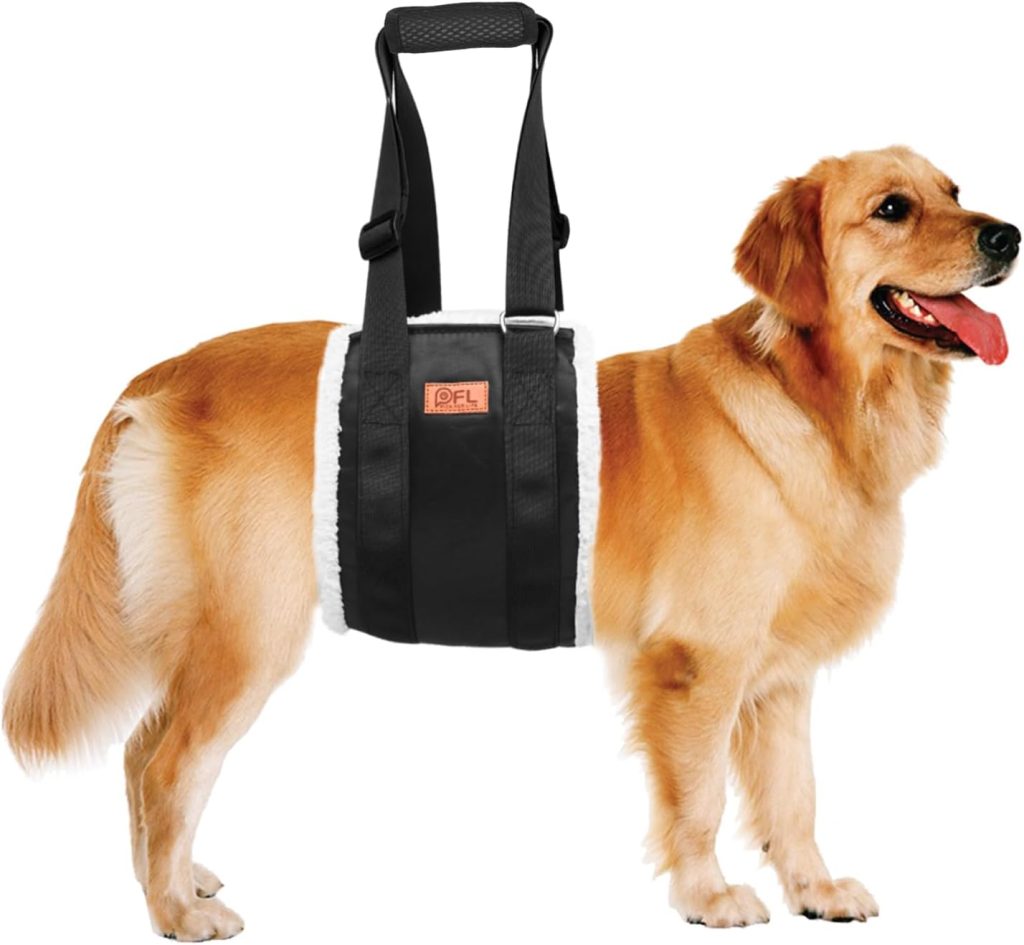
Dogs Hind Leg Support
Adjustable Dog Lift Harness Dog Sling for Large Dogs Hind Leg Support Soft Lift Support and Rehab Harness for Weak Rear Legs, Helps Senior, Injured,…
8. Recovery and Rehabilitation (Continued)
After your dog undergoes ACL surgery, whether it’s TPLO, TTA, or an extracapsular procedure, the recovery phase plays a major role in their long-term success. In addition to ensuring the proper healing of the knee, rehabilitation helps restore strength and mobility, so your dog can return to a normal, active lifestyle. Below is a more detailed look into recovery and rehabilitation after ACL surgery.
8.1 Recovery Timeline
It’s important to understand that your dog’s journey to recovery is a gradual one. Depending on the surgery performed, the timeline can vary. However, all recovery phases share common goals: healing the knee, rebuilding muscle strength, and gradually resuming normal activities. Below is a basic breakdown of what you can expect.
| Recovery Phase | Duration | Focus |
|---|---|---|
| Initial Rest | 0–2 Weeks | Strict confinement, limited activity |
| Gentle Movement | 3–4 Weeks | Short leash walks, gentle exercises |
| Strength Rebuilding | 5–8 Weeks | Long leash walks, basic strength-building exercises |
| Return to Function | 8–12 Weeks | Gradual increase in activity, reintroduce play |
| Full Recovery | 3–6 Months | Full activity return, with vet clearance |
Week 0–2: Immediate Post-Op Care
The first two weeks post-surgery are critical. Your dog’s body is still recovering from the anesthesia, and the incision site is healing. You’ll need to help your dog remain as comfortable as possible during this initial recovery phase. This period is marked by strict rest—no running, jumping, or any activity that might disturb the healing process. You’ll want to confine your dog to a safe space, like a crate or pen, to prevent overexertion.
What to do:
- Leash-only bathroom breaks: Short, controlled trips outside to use the bathroom are necessary, but keep them brief and slow. This prevents unnecessary strain on the surgical knee.
- Pain management: Stick to your vet’s prescribed pain medications to keep your dog comfortable.
- Incision care: Ensure the surgical site stays clean and dry. Watch for signs of infection, such as redness or swelling, and take your dog to the vet if any issues arise.
Week 3–4: Gentle, Controlled Movement
By week three, your dog is starting to feel better. This is the time to begin incorporating gentle movement into their routine, but it must still be controlled. No off-leash running or jumping yet. Short leash walks are still necessary, and this is a good time to begin passive range-of-motion exercises to help your dog’s knee heal properly.
What to do:
- Leash-controlled walks: Start with short, slow walks (5–10 minutes) and gradually increase the duration as your dog becomes more comfortable.
- Gentle stretching: If your vet approves, you can begin passive range-of-motion exercises to prevent stiffness and maintain flexibility in the knee joint.
- Early rehab exercises: In some cases, your vet might suggest starting gentle strengthening exercises, like encouraging your dog to shift their weight onto the injured leg while standing.
Week 5–8: Strength Rebuild
By the time you reach week five, your dog should show visible signs of recovery. Limping will likely decrease, and your dog’s gait should begin to improve. At this stage, you’ll start building strength around the injured knee. Long leash walks become more frequent, and your dog may begin to regain some of its original mobility. You’ll still need to avoid any high-impact activity, but slow, controlled walks are essential.
What to do:
- Increased walking distance: Gradually increase the length of the leash walks. You may be able to take your dog for 20-30 minute walks, depending on how they’re feeling.
- Muscle strengthening: Focus on strengthening the muscles around the knee to support its stability. Your vet may recommend adding in some balance exercises.
- Continue passive exercises: Keep working on gentle stretches and range-of-motion movements to maintain flexibility.
Week 8–12: Return to Function
Around the 8-week mark, your dog should be well on the road to recovery. This phase focuses on increasing the duration and intensity of their activity. Depending on how your dog is doing, you can start taking them on more diverse terrain (e.g., grassy fields, slight inclines) but still avoid running or jumping. This phase is also when your dog may begin reintroducing some basic forms of play—always under supervision.
What to do:
- Longer walks and varied terrain: Increase walk lengths and add slightly varied terrain to challenge the knee joint while avoiding overexertion.
- Supervised play: Your dog may be able to engage in light play again, but still no rough activities. Gradually reintroduce low-impact activities.
- Rehab exercises: Your dog will likely benefit from guided rehabilitation exercises to further build strength and improve joint function.
Month 3–6: Return to Normal Activity (With Vet Clearance)
By month three, the knee joint should be quite stable, but full recovery still requires patience. Your vet will give the final approval for your dog to return to normal activities such as running, fetching, or climbing stairs. For active dogs, this phase might take a little longer, as they need additional time to build back their strength and conditioning.
What to do:
- Vet recheck: Your dog will undergo a recheck exam to evaluate bone healing and joint function. This may include follow-up X-rays.
- Slow reintroduction of play: Once cleared by your vet, you can reintroduce playtime, starting slowly with short bursts of running and fetch. Pay close attention to your dog’s comfort levels, and avoid overdoing it.
- Continue strengthening: Make sure your dog continues rehab exercises until they are fully functional.
9. Physical Therapy and Rehab Options That Speed Up Safe Recovery
Physical therapy is an integral part of your dog’s recovery after ACL surgery. Rehab doesn’t just improve their mobility—it helps prevent complications, build strength, and minimize pain as they recover. Here’s an overview of the rehab options available:
9.1. At-Home Rehab (Vet-Approved)
Depending on your vet’s recommendation, you may begin at-home rehab shortly after surgery. The focus will be on gentle range-of-motion exercises and strengthening the muscles around the knee to maintain stability and prevent stiffness.
Passive range-of-motion exercises: These are simple stretches where you gently bend your dog’s knee joint to its normal range of motion. It’s important to do this slowly and with your vet’s approval.
Sit-to-stand exercises: Encouraging your dog to sit and then stand using their injured leg will help strengthen the muscles around the knee and improve their overall mobility.
Slow, controlled weight shifts: To help rebuild strength, you can guide your dog to shift their weight onto their injured leg. This exercise can start when your dog is comfortable standing.
9.2. Professional Rehab (Hydrotherapy, Laser Therapy)
For dogs undergoing more intensive surgery like TPLO or TTA, professional rehab may be required. These therapies offer the benefit of specialized guidance and the expertise of trained professionals.
- Hydrotherapy: Water therapy is a fantastic way to build muscle strength while minimizing stress on the joint. The underwater treadmill is one of the most common hydrotherapy techniques for ACL recovery.
- Cold Laser Therapy: This treatment uses light to stimulate healing and reduce inflammation in the knee joint. It can be used to speed up recovery and relieve discomfort during the healing process.
- Massage and Guided Strengthening: Trained rehabilitation professionals can provide massages and direct your dog through strengthening exercises to help them regain the full use of their knee.
9.3. Rehab Equipment Checklist
As your dog recovers, you’ll likely need a few tools to assist with physical therapy and to make the recovery process easier:
- Harness: A harness helps provide extra support during walks.
- Rear sling: This will assist you in supporting your dog’s back end, especially in the early recovery phase.
- Non-slip mats: These mats help provide traction and prevent your dog from slipping on smooth floors.
- Crate/pen: Confining your dog to a small area during the early recovery phase is crucial for proper healing.
- E-collar alternatives: If your dog is prone to licking the incision site, an inflatable collar or a soft collar can help prevent this.