Understanding the Costs and What to Expect
When your dog is diagnosed with an ACL (anterior cruciate ligament) injury, commonly referred to as CCL (cranial cruciate ligament) in dogs, surgery can be the key to restoring their mobility and comfort. However, one of the biggest concerns for pet owners is the cost of ACL surgery for dogs. While the surgery can provide significant long-term benefits, understanding the cost breakdown is essential for making an informed decision.
In this article, we will explore the average cost of dog ACL surgery, break down the factors that influence the price, explain the different surgical options available, and offer tips on how to manage costs. Whether you’re considering surgery for your dog or simply trying to understand what’s involved, this guide will give you the information you need.
By the end of this article, you’ll know:
- The cost range for various surgical procedures.
- Why dog ACL surgery costs so much and the factors that influence pricing.
- How pet insurance may help with the cost and what to consider before choosing a policy.
- Alternatives to surgery and when non-surgical treatments may be considered.
- How to save on dog ACL surgery and explore financing options.
2. What Is Dog ACL/CCL Surgery?
What is ACL/CCL Surgery?
ACL/CCL surgery is a common procedure performed on dogs with a torn or ruptured cranial cruciate ligament (CCL). The CCL is crucial for stabilizing the knee joint, and when it tears, it causes pain, instability, and limited mobility for your dog. Surgery is often the best option to restore the knee’s function and relieve pain. There are several types of surgery used to repair or replace the torn ligament, including:
Typical Procedures
- TPLO (Tibial Plateau Leveling Osteotomy): This is the most commonly recommended surgery for larger dogs with CCL tears. It involves cutting and repositioning the tibia (shin bone) to stabilize the knee joint.
- TTA (Tibial Tuberosity Advancement): Similar to TPLO, TTA changes the angle of the tibia to reduce the load on the CCL. It is often used for medium to large dogs.
- Extracapsular Repair (Lateral Suture Technique): This less invasive procedure is often used for smaller dogs or those with less severe injuries. It involves placing a strong suture to stabilize the knee joint.
Each of these surgeries has its own recovery timeline and costs, and the choice of surgery depends on factors such as your dog’s size, age, and activity level.
Why Surgery is Performed
- Restores knee stability: The CCL helps keep the femur (thigh bone) and tibia in place during movement. When it tears, it creates instability. Surgery helps restore the knee’s function by replacing or repairing the ligament.
- Reduces pain: Torn ACLs cause significant pain due to the instability and inflammation in the knee. Surgery alleviates this pain and prevents the development of degenerative joint disease (DJD) or arthritis.
- Improves mobility: With a stable knee, your dog will be able to return to normal activities such as walking, running, and playing.
3. Average Cost of Dog ACL Surgery
When considering ACL surgery for your dog, one of the first questions that comes up is, “How much does it cost?” The price can vary widely depending on several factors, including the type of surgery, the size of your dog, the geographic location, and the expertise of the veterinarian performing the surgery.
3.1. Cost Range for Different Procedures
Different procedures come with different price tags. Here’s an overview of the estimated costs for each procedure:
| Surgery Type | Estimated Cost Range (Per Knee) |
|---|---|
| Extracapsular / Lateral Suture | $1,000 – $2,500 |
| TPLO (Tibial Plateau Leveling Osteotomy) | $2,500 – $7,000+ |
| TTA (Tibial Tuberosity Advancement) | $2,500 – $6,000 |
| Conservative Treatment (Non-surgical) | $500 – $1,500 |
These costs typically cover the surgical procedure, anesthesia, pre-surgical diagnostics, and initial recovery care.
Additional Considerations
- Large Dog vs Small Dog: Larger dogs require more resources (e.g., anesthesia, implants), so the cost for them will generally be higher.
- Severity of Injury: In cases where there’s significant damage, more complex surgery or additional procedures may be necessary, which can increase the cost.
- Veterinary Hospital vs Specialist: Specialist veterinary hospitals and board-certified surgeons generally charge more due to their expertise and advanced equipment.
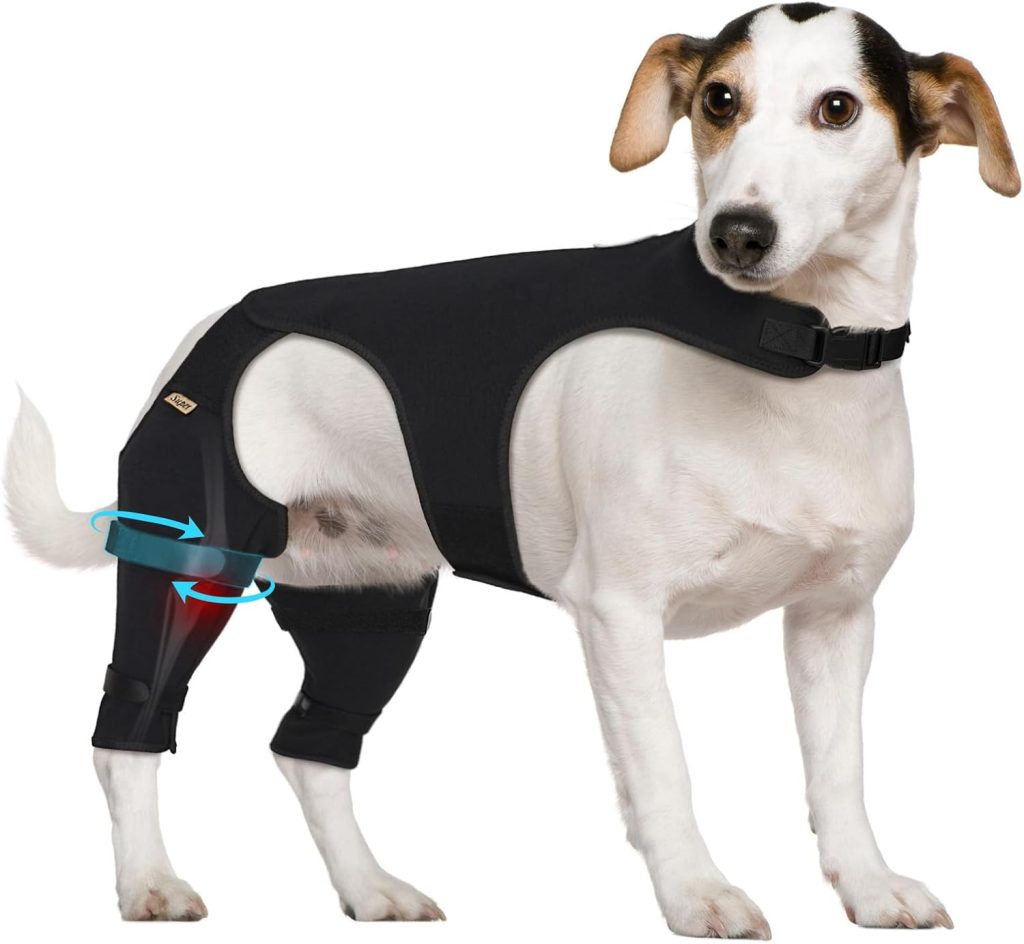
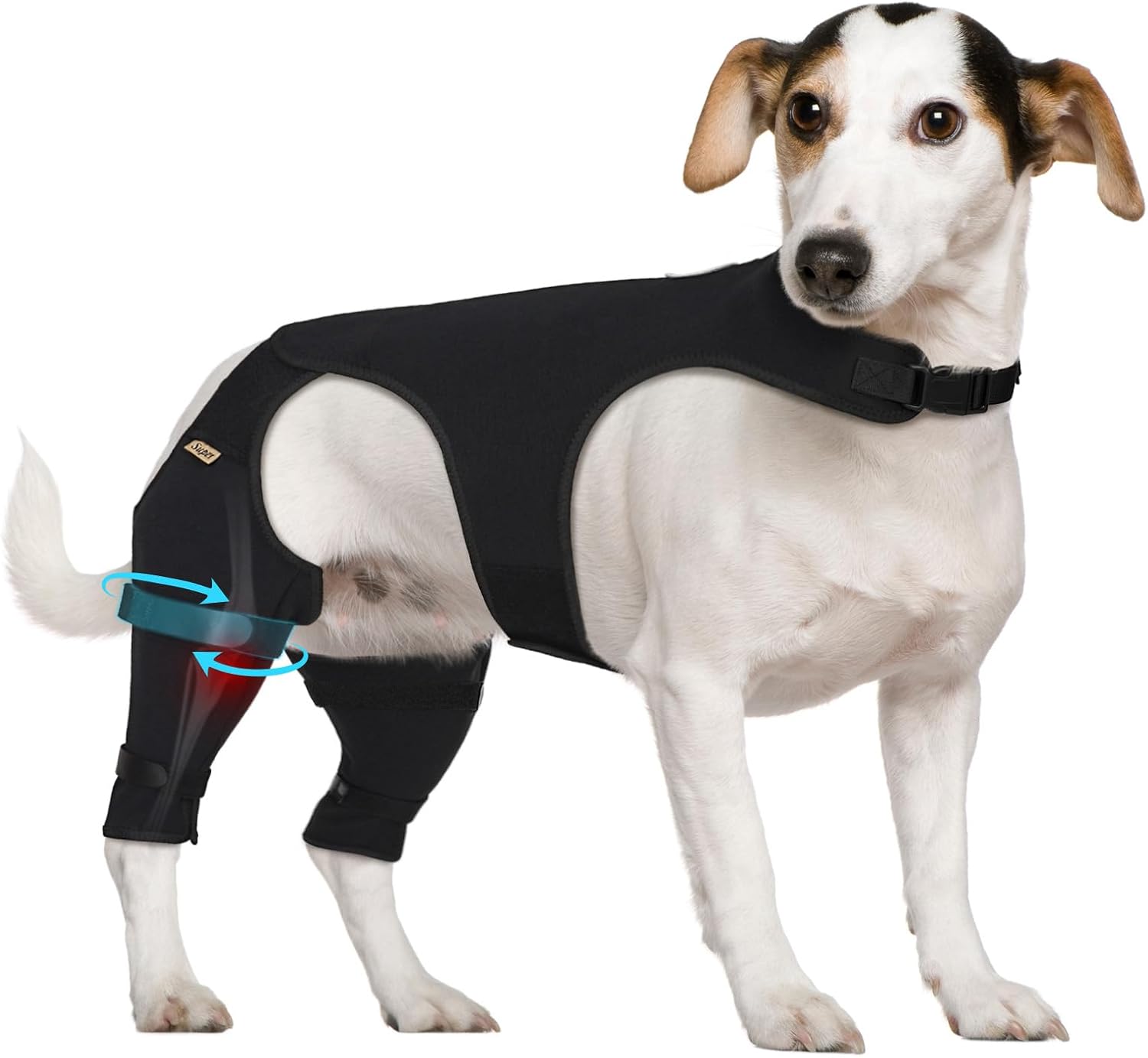
Supet Dog Rear Leg Sleeve
Supet Dog Rear Leg Sleeve to Stop Licking, TPLO Recovery Sleeve After Surgery for Post Surgery, ACL, Leg Wound Protection, with Belly Opening for Male…
3.2. Added Expenses to Consider
In addition to the surgery itself, several additional costs may arise. Here’s a breakdown of the common added expenses:
- Diagnostics: Before surgery, your dog will likely need X-rays and possibly blood tests to assess overall health and ensure the ACL injury is properly diagnosed.
- Anesthesia: Anesthesia costs can vary depending on your dog’s size and the duration of the surgery.
- Hospital Stay: After surgery, some dogs need to stay overnight for observation, which adds to the cost.
- Medications and Pain Management: Pain relief medications and anti-inflammatory drugs are often prescribed after surgery.
- Follow-Up Care: This includes post-surgery recheck exams, physical therapy, and possible imaging to monitor healing.
- Rehabilitation Therapy: Some dogs may require professional rehabilitation (e.g., underwater treadmill, massage therapy), which adds additional costs.
4. Why Dog ACL Surgery Costs So Much
Several factors contribute to the cost of ACL surgery in dogs. Understanding these cost drivers can help you make a more informed decision about your dog’s treatment and plan your budget accordingly.
4.1. Type of Surgery
- Advanced Bone-Cutting Surgeries (TPLO, TTA): These surgeries are more invasive and require specialized equipment and expertise. They involve cutting and repositioning bones, which increases both the surgical time and complexity.
- Traditional Suture Surgery (Extracapsular): This method is less invasive and generally less expensive. It involves stabilizing the knee using a suture, which requires less surgical time and fewer resources.
4.2. Geographic Location
The cost of dog ACL surgery can vary greatly depending on where you live. In urban areas, veterinary services tend to be more expensive due to the higher cost of living and demand for services. On the other hand, in rural areas, prices can be lower, but specialized care might be limited.
- Urban Areas: Higher demand for advanced surgeries and specialized care drives up costs.
- Rural Areas: Prices may be lower, but availability of top-tier veterinary care might be less.
4.3. Dog’s Size and Weight
Larger dogs generally require more anesthesia, surgical materials, and a longer operating time, all of which contribute to a higher price. Smaller dogs, with less tissue and smaller implants, usually have lower surgery costs.
4.4. Veterinary Surgeon Expertise
- Specialist Surgeons: Board-certified veterinary surgeons or specialists typically charge more for their services due to their advanced training and expertise.
- General Practice Surgeons: Some general veterinarians perform ACL surgeries, and they tend to charge less than specialists. However, the quality of care may vary depending on their experience.
4.5. Emergency vs Planned Surgery
If your dog requires emergency ACL surgery, you may be looking at higher costs. Emergency surgeries are typically more expensive due to:
- After-hours care: Surgeons may need to operate outside of regular business hours.
- Immediate diagnostic testing and surgery: Emergency situations often mean faster, and sometimes more intensive, procedures to address the injury.
5. Cost Breakdown: What You Pay For
Here’s a clearer breakdown of what your dog’s ACL surgery cost might include:
- Pre-Op Exams and Diagnostics: X-rays, blood tests, and any necessary imaging to confirm the injury and assess your dog’s overall health.
- Anesthesia and Monitoring: Safe anesthesia is crucial for the surgery, and your dog will be closely monitored throughout the procedure.
- Surgical Fee: The fee for the surgery itself, which can vary depending on the technique used and the complexity of the injury.
- Implants/Plates/Sutures: If bone-cutting surgeries are involved (like TPLO or TTA), the cost includes the materials used to stabilize the bone.
- Post-Operative Care & Medications: Pain relief and anti-inflammatory medications are necessary for your dog’s comfort and healing.
- Rechecks and Imaging: Follow-up exams to check for complications, ensure healing, and take additional X-rays.
- Physical Therapy and Rehabilitation: In some cases, post-surgical rehabilitation will be required to ensure that the knee heals properly and regain mobility.
6. Does Pet Insurance Cover ACL Surgery?
Pet insurance can help reduce the financial burden of ACL surgery, but it depends on the specifics of the policy. Here’s what you need to know:
Typical Coverage Scenarios
- Basic Plans: Many standard pet insurance plans cover surgical treatments, including ACL surgeries, after the waiting period.
- Accident & Injury Plans: If your dog’s ACL injury is due to an accident or trauma, some plans will cover the surgery under their accident and injury policies.
- Waiting Periods and Exclusions: Be aware that most pet insurance policies have a waiting period, and they may not cover pre-existing conditions. If your dog has had ACL issues before, they may exclude coverage for that injury.
How Pre-Existing Conditions Can Affect Coverage
- ACL Injuries: If your dog has already suffered an ACL tear, some policies may exclude that condition from coverage. This can vary widely between insurance providers, so it’s essential to review the terms of your policy.
Tips on Choosing a Policy
- Ask for a clear breakdown of what’s covered for surgeries like ACL repair.
- Consider the deductible: Higher deductibles often mean lower premiums, but you’ll have to pay more out-of-pocket before the insurance kicks in.
- Look for a policy that covers physical therapy: Some policies include rehabilitation as part of recovery, which can be an important consideration in your overall cost planning.
7. Alternatives to Surgery (and Their Costs)
Not all dogs require surgery for ACL injuries. Depending on the severity of the injury, there are non-surgical treatment options that may be effective, especially for certain dogs or when surgery is not a feasible option. While surgery is often the most recommended approach, non-surgical treatments can offer relief and improve mobility, though they tend to require more time and patience.
7.1. Conservative Management (Rest, Medication, Braces)
For dogs with mild ACL injuries, conservative management may be an option. This approach focuses on limiting movement and relieving pain through medication, as well as using physical supports such as braces. Here’s what conservative management entails:
What It Includes:
- Strict Rest: Your dog will need to be confined to a crate or a small, safe space to prevent movement that could worsen the injury.
- Pain Relief and Anti-inflammatory Medications: Medications like NSAIDs (Non-Steroidal Anti-Inflammatory Drugs) are often prescribed to help reduce pain and inflammation. These will help manage discomfort while your dog heals.
- Joint Braces: Special ACL braces are available to help support the knee and limit movement. These can provide stability, especially in less severe cases.
Effectiveness:
- Conservative management may be effective for dogs with mild ACL tears, elderly dogs, or smaller dogs that don’t put as much strain on their knees. However, it’s important to understand that this approach may not restore full knee stability, and your dog could still develop arthritis or muscle wasting over time.
Cost of Conservative Management:
- Initial Consultation: Typically ranges from $50–$150 for a veterinary exam to evaluate the severity of the injury.
- Medications: Pain medications and anti-inflammatory drugs can cost anywhere from $20–$100 per month, depending on the type of medication prescribed.
- Braces: A quality knee brace can cost between $100–$300, depending on the brand and customization.
While conservative management is more affordable than surgery, it may not always be the best option for active dogs or severe ACL injuries. The total cost of conservative management will depend on the duration of the treatment and the frequency of vet visits for monitoring.
7.2. Rehabilitation and Physical Therapy as a Standalone Option
Some pet owners choose physical therapy and rehabilitation exercises as a treatment for dogs with ACL injuries. While physical therapy alone is generally not a complete solution for a torn ACL, it can be an effective adjunct therapy to help manage pain and restore mobility. In cases where surgery is not possible or desired, rehabilitation can sometimes provide significant improvement.
What Physical Therapy Includes:
- Hydrotherapy: Using an underwater treadmill or water-based exercises can help dogs build strength and flexibility while minimizing strain on the knee joint.
- Massage Therapy: Therapeutic massage can help reduce muscle tension around the knee and improve circulation, which supports healing.
- Range of Motion Exercises: These exercises gently move the affected knee through its normal range of motion, preventing stiffness and helping to restore normal function.
Effectiveness:
- Physical therapy can be very effective for dogs recovering from surgery or managing mild ACL injuries. It can help maintain joint flexibility, reduce pain, and improve overall muscle strength. However, it’s typically used in combination with other treatments, like medications or rest, and may not fully replace the need for surgery in cases of severe ACL tears.
Cost of Rehabilitation and Physical Therapy:
- Hydrotherapy Sessions: On average, each hydrotherapy session can cost between $40 and $75, depending on the facility.
- Massage Therapy: Sessions with a professional therapist typically range from $50–$100 per hour.
- Physical Therapy: A full course of rehabilitation may cost anywhere from $500 to $1,500 depending on the number of sessions required and the type of therapy used.
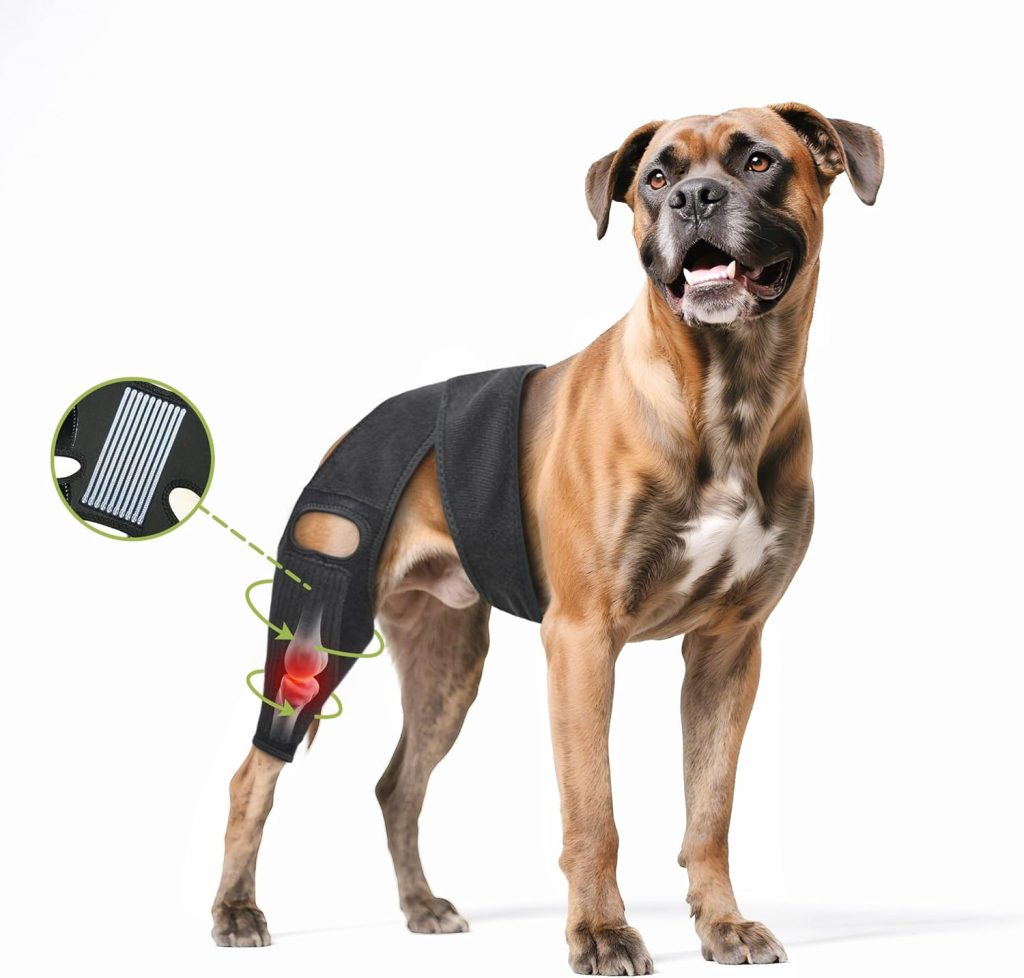
Dog Hip Brace, Knee & Leg Support Brace
Dog Hip Brace, Knee & Leg Support Brace for ACL Recovery, Ligament Injury – Breathable & Adjustable Dog Leg Brace for Senior Dogs, Post-Surgery..
8. How to Save on Dog ACL Surgery
ACL surgery is undoubtedly a significant expense, but there are ways to reduce costs and make the process more affordable for pet owners. From finding financing options to utilizing pet insurance, here are some strategies for saving on surgery costs.
8.1. Get Multiple Estimates
Before settling on a surgeon or veterinary clinic, it’s a good idea to shop around and get quotes from multiple clinics. Some clinics offer discounts or may have more affordable pricing for certain procedures. Keep in mind that the cost may vary depending on the hospital’s location and the level of expertise of the veterinary surgeon.
When getting quotes, be sure to ask about the total cost of the surgery, including pre-op exams, anesthesia, hospitalization, post-surgery care, and any follow-up visits. This will help you make an informed decision about where to have the surgery done.
8.2. Consider Payment Plans & Financing Options
Many clinics offer payment plans or financing options for surgeries, which can help spread the cost over several months. CareCredit is one popular option for financing veterinary care. It offers low-interest or even interest-free payment plans, making it easier for pet owners to manage the expense.
Some clinics also offer in-house financing options or work with third-party providers. Be sure to ask about these options when discussing the surgery with your vet.
8.3. Use Pet Insurance
If you have pet insurance, the cost of ACL surgery may be partially or fully covered, depending on your policy. Pet insurance typically covers surgical procedures after a waiting period, but the coverage depends on the plan you have.
Tips for Using Pet Insurance Effectively:
- Review your policy: Some pet insurance plans cover ACL surgery, while others do not. Be sure to check your policy details before making any decisions.
- Keep receipts: Ensure you keep detailed receipts for all treatment-related expenses, as you’ll need them when filing a claim.
- Pre-existing condition clauses: If your dog has already suffered an ACL injury, it may be considered a pre-existing condition, which can affect your coverage.
9. FAQs (Frequently Asked Questions)
How much does dog ACL surgery cost?
The cost of dog ACL surgery generally ranges between $1,500 and $7,000, depending on the type of surgery, the size of the dog, and the geographic location. TPLO surgery tends to be more expensive than other methods like extracapsular repair.
Is TPLO more expensive than TTA?
Yes, TPLO is typically more expensive than TTA because it involves more complex bone manipulation and requires advanced surgical equipment. TPLO also requires a longer recovery period and more intensive post-surgery care.
Does insurance cover ACL surgery?
Many pet insurance policies do cover ACL surgery, but this depends on the specifics of the policy. Some policies cover only surgeries related to injuries or accidents, while others include a broader range of coverage. Always check the terms and conditions of your insurance policy to understand what is covered.
What additional costs should I budget for?
In addition to the surgery itself, you should budget for pre-surgical exams, medications, follow-up appointments, rehabilitation, and any emergency care that may be needed if complications arise. These extra expenses can add up, so it’s important to consider them when planning your budget.
Can a dog recover without surgery?
In some cases, dogs with mild ACL tears may recover with conservative treatment, which involves rest, physical therapy, and medication. However, surgery is often recommended for more severe tears or in active dogs that require full knee stability.
10. Conclusion
ACL surgery for dogs can be costly, but it’s important to understand the total cost and the factors that contribute to it. From surgical fees to post-operative care and rehabilitation, the cost of ACL surgery can vary significantly depending on the procedure type, the size of your dog, and where you live.
However, there are ways to manage costs, such as using pet insurance, considering payment plans, and getting multiple quotes from different veterinary clinics. Before making any decisions, be sure to discuss all available options with your veterinarian and get a clear breakdown of costs.
With the right treatment plan and proper care, your dog can recover from ACL surgery and regain full mobility, allowing them to return to the activities they enjoy.