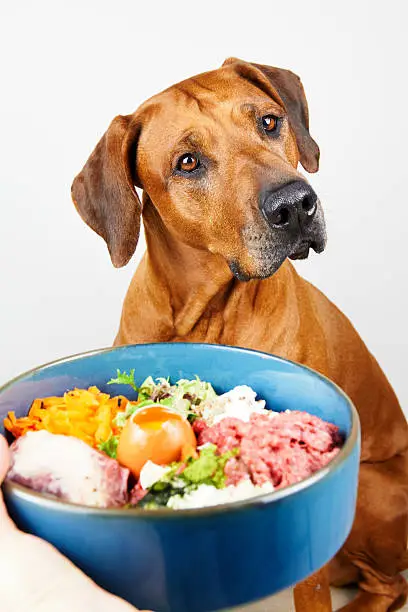
Feeding a Rhodesian Ridgeback isn’t as simple as grabbing the first bag of dog food you see on the shelf. This powerful, athletic breed has unique nutritional needs that directly impact their energy levels, muscle development, joint health, and overall longevity.
Originally bred in Southern Africa to track and corner lions, the <a href=”https://www.akc.org/dog-breeds/rhodesian-ridgeback/” target=”_blank”>Rhodesian Ridgeback breed profile</a> highlights a dog that is strong, agile, and independent. That history still shows in today’s Ridgebacks — they are muscular, fast, and incredibly loyal companions.
Because of their:
- Large size
- Lean muscular frame
- High activity levels
- Sensitive digestion in some lines
- Risk of bloat (GDV)
…their diet must be carefully considered.
In this comprehensive guide, you’ll learn:
- What nutrients Rhodesian Ridgebacks truly need
- The best types of dog food for different life stages
- How to choose quality ingredients
- Which foods to avoid
- Feeding amounts and schedules
- And how to prevent common health issues through diet
Let’s begin with what makes this breed nutritionally unique.
2. Understanding Rhodesian Ridgeback Nutritional Needs
2.1 Breed-Specific Traits
🐾 Athletic, Muscular, and High Energy
Rhodesian Ridgebacks are large, athletic dogs weighing between 70–85 pounds (or more). Unlike some large breeds that are bulky, Ridgebacks are lean and muscular.
This means they require:
- High-quality protein
- Adequate healthy fats
- Controlled calories (to prevent weight gain)
- Strong joint support
If underfed in protein, they may lose muscle tone. If overfed in calories, they gain weight quickly — which puts stress on hips and elbows.
🐾 Sensitive Digestion & Allergies
Many Ridgeback owners report:
- Food sensitivities
- Skin irritation
- Itchy ears
- Loose stools
While not every Ridgeback has allergies, the breed can be prone to food intolerances, especially to:
- Corn
- Soy
- Wheat
- Artificial additives
That’s why many owners explore limited ingredient diets or carefully selected grain-inclusive options.
🐾 Joint Health & Growth Concerns
Large breeds grow quickly. Improper nutrition during puppyhood can increase the risk of:
- Hip dysplasia
- Elbow dysplasia
- Joint inflammation
Controlled calcium levels and balanced phosphorus are essential, especially in Rhodesian Ridgeback puppies.
🐾 Bloat (Gastric Dilatation-Volvulus)
Like many deep-chested breeds, Ridgebacks have a higher risk of bloat (GDV) — a life-threatening condition where the stomach twists.
Nutrition and feeding habits play a role in prevention:
- Avoid overfeeding
- Divide meals into 2–3 portions
- Avoid intense exercise right after meals
You can read more about this condition in this detailed overview of <a href=”https://www.vet.cornell.edu/departments-centers-and-institutes/riney-canine-health-center/canine-health-information/gastric-dilatation-volvulus-bloat” target=”_blank”>canine bloat and prevention</a>.
2.2 Essential Nutrients Explained
Now let’s break down exactly what your Ridgeback needs in their bowl.
🥩 1. Protein: The Foundation of Muscle Health
Protein is the most important macronutrient for Rhodesian Ridgebacks.
Because they are muscular working dogs, they require:
- 22–30% protein for adults
- 24–32% protein for puppies
Look for:
- Real meat as the first ingredient
- Chicken, beef, lamb, turkey, or fish
- Meat meal (named sources only, like “chicken meal”)
Avoid vague labels like:
- “Meat by-products”
- “Animal digest”
High-quality protein supports:
- Lean muscle maintenance
- Strong immune function
- Healthy skin and coat
🥑 2. Healthy Fats: Energy & Coat Support
Fat is not the enemy — especially for active Ridgebacks.
Ideal fat levels:
- 12–18% for adults
- Slightly higher for active dogs
Healthy fat sources include:
- Chicken fat
- Salmon oil
- Flaxseed
- Fish oil
Benefits:
- Sustained energy
- Shinier coat
- Reduced inflammation
- Brain development in puppies (DHA)
🌾 3. Fiber, Vitamins & Minerals
Fiber supports digestion, especially in dogs prone to loose stools.
Look for ingredients like:
- Sweet potatoes
- Pumpkin
- Brown rice
- Oats
Essential minerals include:
- Calcium (controlled levels for large breeds)
- Phosphorus
- Zinc
- Iron
Balanced nutrition ensures:
- Proper bone growth
- Strong immune function
- Healthy digestion
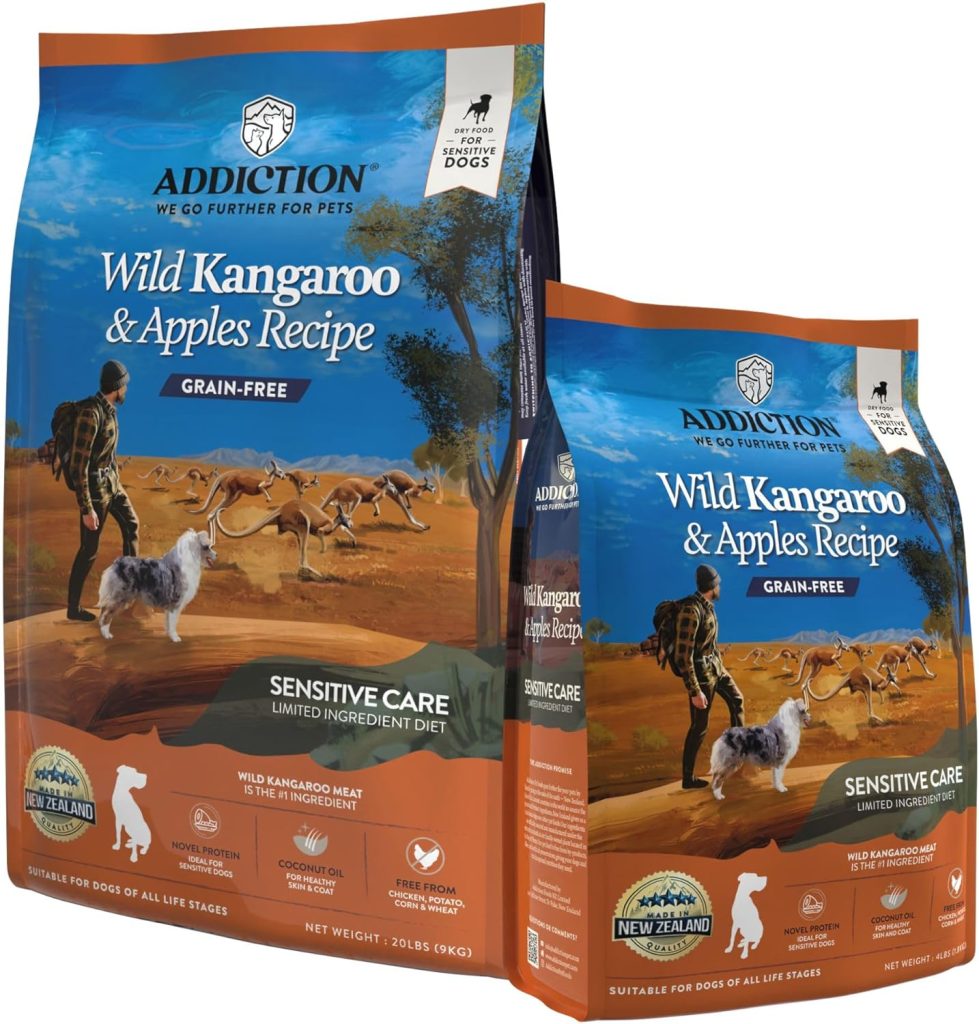
Addiction Wild Kangaroo Dog Food
Addiction Wild Kangaroo Dog Food – Limited Ingredient, Novel Protein for Dogs with Allergies, Grain-Free – Support Muscle Development & Manage Weight…
🦴 4. Joint Support Ingredients
Since Ridgebacks are large and active, joint care is crucial.
Top ingredients to look for:
| Ingredient | Benefit |
|---|---|
| Glucosamine | Supports cartilage repair |
| Chondroitin | Maintains joint cushioning |
| Omega-3 (EPA/DHA) | Reduces inflammation |
| MSM | Supports connective tissue |
Many premium large-breed formulas include these ingredients already.
3. Types of Dog Food Suitable for Rhodesian Ridgebacks
Choosing the right format is just as important as choosing ingredients.
3.1 Dry Food (Kibble)
Kibble is the most common choice for Ridgeback owners.
✅ Pros
- Convenient
- Affordable
- Long shelf life
- Supports dental health (lightly)
❌ Cons
- Lower moisture content
- Some brands contain fillers
- Quality varies widely
What to Look for in Kibble
When choosing dry food for Rhodesian Ridgebacks, check:
- Protein ≥ 22%
- Named meat as first ingredient
- No artificial preservatives
- Balanced calcium for large breeds
- No excessive fillers
Here’s a quick checklist:
| Feature | Ideal Standard |
|---|---|
| Protein | 22–30% |
| Fat | 12–18% |
| First Ingredient | Real meat |
| Artificial Additives | None |
| Grain Content | Quality whole grains or balanced grain-free |
Premium kibble works well for:
- Most adult Ridgebacks
- Owners who want convenience
- Dogs without severe allergies
3.2 Wet & Fresh Food Options
Wet and fresh diets are growing in popularity.
💧 Benefits of Wet Food
- Higher moisture (great for hydration)
- Easier to chew
- More palatable for picky eaters
Wet food is helpful for:
- Senior Ridgebacks
- Dogs with dental issues
- Dogs recovering from illness
🥗 Fresh Food Diets
Fresh, lightly cooked meals are increasingly popular among health-conscious owners.
Benefits:
- Fewer preservatives
- High digestibility
- Real, whole ingredients
However:
- More expensive
- Requires refrigeration
- Needs proper nutrient balance
3.3 Raw Diet / BARF
The BARF diet (Biologically Appropriate Raw Food) includes:
- Raw meat
- Bones
- Organs
- Vegetables
Potential Benefits
- Shiny coat
- Lean muscle tone
- Smaller stools
Important Considerations
- Risk of bacterial contamination
- Requires precise balance
- Not ideal for inexperienced owners
If considering raw feeding, consult a vet or canine nutritionist to avoid nutrient deficiencies.
3.4 Homemade Dog Food
Some Ridgeback owners prefer cooking at home.
Benefits
- Full ingredient control
- No artificial preservatives
- Customizable for allergies
Challenges
- Time-consuming
- Risk of nutrient imbalance
- Requires supplementation
Homemade diets must include:
- Protein source
- Healthy fat
- Fiber
- Calcium source
- Vitamin supplementation
Without proper formulation, deficiencies can develop over time.
Summary of Food Types
| Food Type | Best For | Considerations |
|---|---|---|
| Dry Kibble | Most adults | Convenient, affordable |
| Wet Food | Seniors, picky eaters | Higher moisture |
| Fresh Food | Health-focused owners | Expensive |
| Raw Diet | Experienced owners | Must balance carefully |
| Homemade | Allergy cases | Requires vet guidance |
If you’ve ever stood in the pet food aisle staring at dozens of bags that all claim to be “premium,” “natural,” or “vet-approved,” you already know how confusing this process can be. And when you’re feeding a strong, athletic breed like the Rhodesian Ridgeback, the stakes feel even higher.
In this section, we’ll move beyond general nutrition and get practical. We’ll talk about what to actually look for on the label, what to avoid, and which types of foods tend to work best for Ridgebacks in real-world homes — not just in marketing brochures.
4. Choosing the Right Dog Food: What to Look For
There’s no single “perfect” dog food for every Rhodesian Ridgeback. Activity level, age, metabolism, and even personality play a role. But there are consistent markers of quality that you should look for every time.
Let’s break them down.
4.1 Ingredient Checklist
When you flip a bag over and read the ingredient list, here’s what you want to see.
1️⃣ Real Meat Comes First
The first ingredient should always be a named animal protein such as:
- Chicken
- Beef
- Lamb
- Turkey
- Salmon
If the label begins with something vague like “meat by-product” or a carbohydrate filler, that’s usually a red flag.
Ridgebacks are naturally muscular. Their bodies are built for movement. Without adequate animal protein, they can lose tone, stamina, and overall condition surprisingly quickly.
2️⃣ Moderate, Balanced Fat Content
Fat is essential for energy — especially if your Ridgeback:
- Goes on long walks
- Hikes
- Runs
- Participates in training or agility
Look for fat sources like:
- Chicken fat
- Fish oil
- Salmon oil
- Flaxseed
These not only provide energy but also support skin and coat health. A dull coat is often one of the first signs that something in the diet isn’t quite right.
3️⃣ Digestive Support Ingredients
Some Ridgebacks have sensitive stomachs. If your dog occasionally struggles with loose stools or gas, look for formulas that include:
- Prebiotics
- Probiotics
- Pumpkin
- Sweet potato
- Oats
Digestive balance is often overlooked, but it can make a noticeable difference in comfort and nutrient absorption.
Quick Label Review Table
| What to Look For | Why It Matters |
|---|---|
| Named meat first | Supports lean muscle |
| Moderate fat (12–18%) | Sustained energy |
| Controlled calcium | Safe bone growth |
| Probiotics/fiber | Better digestion |
| No artificial dyes | Reduces irritation risk |
4.2 Avoiding Problem Ingredients
Not all “premium” foods are created equal. Marketing can be persuasive — but ingredients tell the real story.
Common Allergens
Some Rhodesian Ridgebacks react poorly to:
- Corn
- Soy
- Wheat
- Artificial preservatives
- Artificial coloring
That doesn’t mean every Ridgeback must avoid grains. Many dogs tolerate whole grains like brown rice and oats very well. The key is paying attention to your own dog’s response.
The Grain-Free Debate
Grain-free diets became extremely popular in recent years. However, discussions around potential links between certain grain-free formulations and heart concerns (such as dilated cardiomyopathy) have encouraged more balanced decision-making.
Rather than automatically choosing grain-free, consider:
- Does your dog actually have a grain allergy?
- Is the formula well-balanced?
- Does it include taurine-supporting ingredients?
Sometimes a high-quality grain-inclusive formula is perfectly suitable.
Foods Rhodesian Ridgebacks Shouldn’t Eat
Beyond packaged dog food, everyday household foods can also pose risks.
Avoid giving your Ridgeback:
- Chocolate
- Grapes or raisins
- Onions and garlic
- Cooked bones
- Excessively fatty table scraps
If you’re ever unsure, consult a veterinarian before introducing new human foods into your dog’s diet.
5. Best Dog Food Options for Rhodesian Ridgebacks
Now let’s talk specifics. While individual dogs vary, certain types of formulas consistently perform well for this breed.
Below are category-based recommendations rather than one-size-fits-all answers.
5.1 Best Overall Foods for Adult Ridgebacks
Adult Ridgebacks thrive on formulas that offer:
- 22–28% protein
- Moderate fat
- Joint-support nutrients
- Balanced mineral levels
These formulas support muscle tone without excessive weight gain.
What Works Well:
- Large-breed adult formulas
- High-protein performance blends (for active dogs)
- Balanced grain-inclusive options
Here’s a comparison overview:
| Category | Ideal Traits | Suitable For |
|---|---|---|
| Large Breed Adult | Controlled calcium, joint support | Most adult Ridgebacks |
| High-Protein Performance | Higher calories & fat | Very active dogs |
| Balanced Grain-Inclusive | Steady digestion | Dogs without grain sensitivity |
5.2 Best for Puppies
Rhodesian Ridgeback puppies grow quickly — and that growth must be carefully managed.
A proper large-breed puppy formula should include:
- Controlled calcium (not excessive)
- DHA for brain development
- Balanced protein for steady growth
Overfeeding high-calorie puppy food can encourage overly rapid growth, which stresses developing joints.
When selecting puppy food:
- Choose “large breed puppy” specifically
- Avoid generic “all life stages” unless properly balanced
- Monitor weight regularly
5.3 Best for Active or High-Energy Ridgebacks
If your Ridgeback:
- Runs daily
- Participates in sport
- Lives on acreage
- Goes on long hikes
…they may need higher caloric density.
Look for:
- 28–32% protein
- Slightly higher fat content
- Omega-3 fatty acids
These formulas help maintain stamina and prevent muscle breakdown.
5.4 Sensitive Stomach & Allergy-Friendly Options
Some Ridgebacks are simply more delicate digestively.
If your dog shows signs like:
- Chronic itching
- Ear infections
- Loose stool
- Excessive licking
You may want to explore:
- Limited ingredient diets (LID)
- Single-protein formulas
- Novel proteins like duck or venison
- Fish-based formulas
Limited ingredient formulas reduce the number of possible irritants, making it easier to pinpoint sensitivities.
5.5 Budget-Friendly Options
Not every high-quality food needs to be expensive.
When shopping on a budget:
- Focus on ingredient quality over branding
- Compare protein percentages
- Avoid excessive fillers
Sometimes mid-range brands with solid ingredient lists perform just as well as luxury boutique labels.
6. How Much to Feed a Rhodesian Ridgeback (Portion Guide)
Feeding the right food is only half the equation. Feeding the correct amount is equally important.
Overfeeding is common in large breeds and can lead to:
- Weight gain
- Joint strain
- Increased bloat risk
Underfeeding, on the other hand, can result in:
- Muscle loss
- Low energy
- Nutritional deficiencies
General Feeding Guidelines
Puppies (2–6 months)
3 meals per day
Follow large-breed puppy feeding charts
Adolescents (6–18 months)
2–3 meals per day
Monitor growth carefully
Adults
2 meals per day
Approximate Daily Feeding Amounts
(Always check your specific brand’s calorie density)
| Weight | Daily Amount (Average Kibble) |
|---|---|
| 60 lbs | 3 – 3.5 cups |
| 70 lbs | 3.5 – 4 cups |
| 80 lbs | 4 – 4.5 cups |
| 90 lbs | 4.5 – 5 cups |
These are estimates. Activity level matters significantly.
Splitting Meals Matters
Because Ridgebacks are deep-chested and prone to bloat, avoid:
- One large daily meal
- Vigorous exercise immediately after eating
Instead:
- Feed twice daily
- Allow at least 60–90 minutes before intense activity
By now, you’ve learned what should go into your Ridgeback’s bowl and how much to feed. But in real life, feeding a dog isn’t just about reading labels and measuring cups. It’s about habits, observation, and small adjustments over time.
In this final section, we’ll focus on the practical side of feeding — the everyday decisions that can make a big difference in your Rhodesian Ridgeback’s health.
7. Feeding Tips & Common Questions
Owning a Ridgeback teaches you quickly that they are intelligent, sensitive, and sometimes stubborn. Their eating habits reflect that too.
Let’s go over some of the most common concerns owners have.
7.1 Preventing Bloat (GDV)
Bloat is one of the biggest worries for owners of deep-chested breeds like the Rhodesian Ridgeback. It can happen suddenly and becomes life-threatening very fast.
While no feeding strategy guarantees prevention, certain habits can lower the risk.
Practical Feeding Habits That Help
- Split meals into two portions daily
Avoid feeding one large meal. - Use a slow feeder bowl
Some Ridgebacks inhale their food. Slowing them down reduces excess air intake. - Keep activity calm after meals
Wait at least 60–90 minutes before vigorous play or running. - Avoid overfilling the stomach
Consistent portion control matters.
Some owners also elevate bowls slightly, though opinions vary on whether this helps or harms. When in doubt, discuss your specific dog with a veterinarian who understands large-breed risks.
7.2 Transitioning Foods Safely
Switching dog food too quickly is one of the fastest ways to upset a Ridgeback’s stomach.
Even if you’re upgrading to a higher-quality brand, a sudden switch can cause:
- Diarrhea
- Vomiting
- Gas
- Refusal to eat
A Simple 7-Day Transition Plan
| Day | Old Food | New Food |
|---|---|---|
| 1–2 | 75% | 25% |
| 3–4 | 50% | 50% |
| 5–6 | 25% | 75% |
| 7+ | 0% | 100% |
If your dog shows signs of digestive stress, slow the process down. There’s no rush.
7.3 Signs Your Dog’s Food Isn’t Working
Sometimes the food looks great on paper — but your dog tells a different story.
Watch for:
Digestive Clues
- Loose or frequent stools
- Excessive gas
- Chronic ear infections
- Persistent itching
Physical Changes
- Dull coat
- Weight gain despite moderate portions
- Visible muscle loss
- Low energy
Your Ridgeback should look alert, athletic, and strong. If something feels off, trust your instincts and re-evaluate the diet.
8. Supplements & Extras (When & Why)
Supplements can be helpful — but they shouldn’t replace a balanced diet.
Before adding anything new, ask yourself:
Is my dog deficient, or am I just reacting to marketing?
Let’s look at the most common additions.
🦴 Joint Support Supplements
Because Ridgebacks are large and active, joint wear over time is common.
Supplements often include:
- Glucosamine
- Chondroitin
- MSM
If your dog is:
- Over 5–6 years old
- Very active
- Showing stiffness
…a joint supplement may help support mobility.
However, many high-quality large-breed foods already contain joint-support ingredients. Doubling up isn’t always necessary.
🐟 Fish Oil (Omega-3 Fatty Acids)
Fish oil is one of the most commonly recommended supplements.
Benefits may include:
- Reduced inflammation
- Shinier coat
- Support for joint comfort
- Brain support in seniors
Start with small doses and monitor stool quality, as too much oil can cause digestive upset.
🦠 Probiotics
If your Ridgeback has a sensitive stomach, probiotics can help stabilize gut bacteria.
They’re particularly useful:
- During food transitions
- After antibiotic treatment
- For dogs with recurring digestive issues
Some foods already contain live cultures, so check labels before adding extra.
9. Expert Advice: When to Involve a Veterinarian
There’s a difference between normal variation and a health concern.
You should seek veterinary input if:
- Your dog loses weight unexpectedly
- Chronic diarrhea lasts more than a few days
- You notice persistent lethargy
- There are repeated skin infections
- Your Ridgeback refuses food entirely
A vet can:
- Run blood panels
- Check thyroid levels
- Test for food allergies
- Recommend prescription diets if necessary
Large breeds also benefit from periodic weight and body condition assessments. Even a few extra pounds can strain hips and elbows.
If you’re raising a Ridgeback puppy, routine growth monitoring is especially important to prevent developmental orthopedic problems.
Bringing It All Together
Feeding a Rhodesian Ridgeback well isn’t about chasing the newest trend. It’s about understanding your individual dog.
Some thrive on grain-inclusive kibble.
Others do better on limited ingredient diets.
A highly active Ridgeback may need more calories than a relaxed household companion.
There’s no universal answer — only informed choices.
10. Conclusion
If you take away one thing from this guide, let it be this: your Ridgeback’s diet should match their lifestyle, body condition, and health status — not just a label claim.
To recap:
- Prioritize real, named animal protein.
- Choose balanced fat levels appropriate for activity.
- Support joints, especially in large adults.
- Divide meals to reduce bloat risk.
- Monitor body condition regularly.
- Adjust portions as needed.
- Transition foods slowly.
Most importantly, observe your dog.
A healthy Rhodesian Ridgeback should:
- Move fluidly
- Maintain lean muscle
- Have a glossy coat
- Show steady energy
- Digest food comfortably
When you find a food that supports those signs, you’re on the right track.
At the end of the day, feeding isn’t just about nutrition charts — it’s about giving your dog the fuel they need to live a strong, active, and happy life by your side.
If you’re currently evaluating your Ridgeback’s diet, start small. Review the ingredient list. Check protein levels. Assess body condition. Make thoughtful adjustments rather than drastic changes.