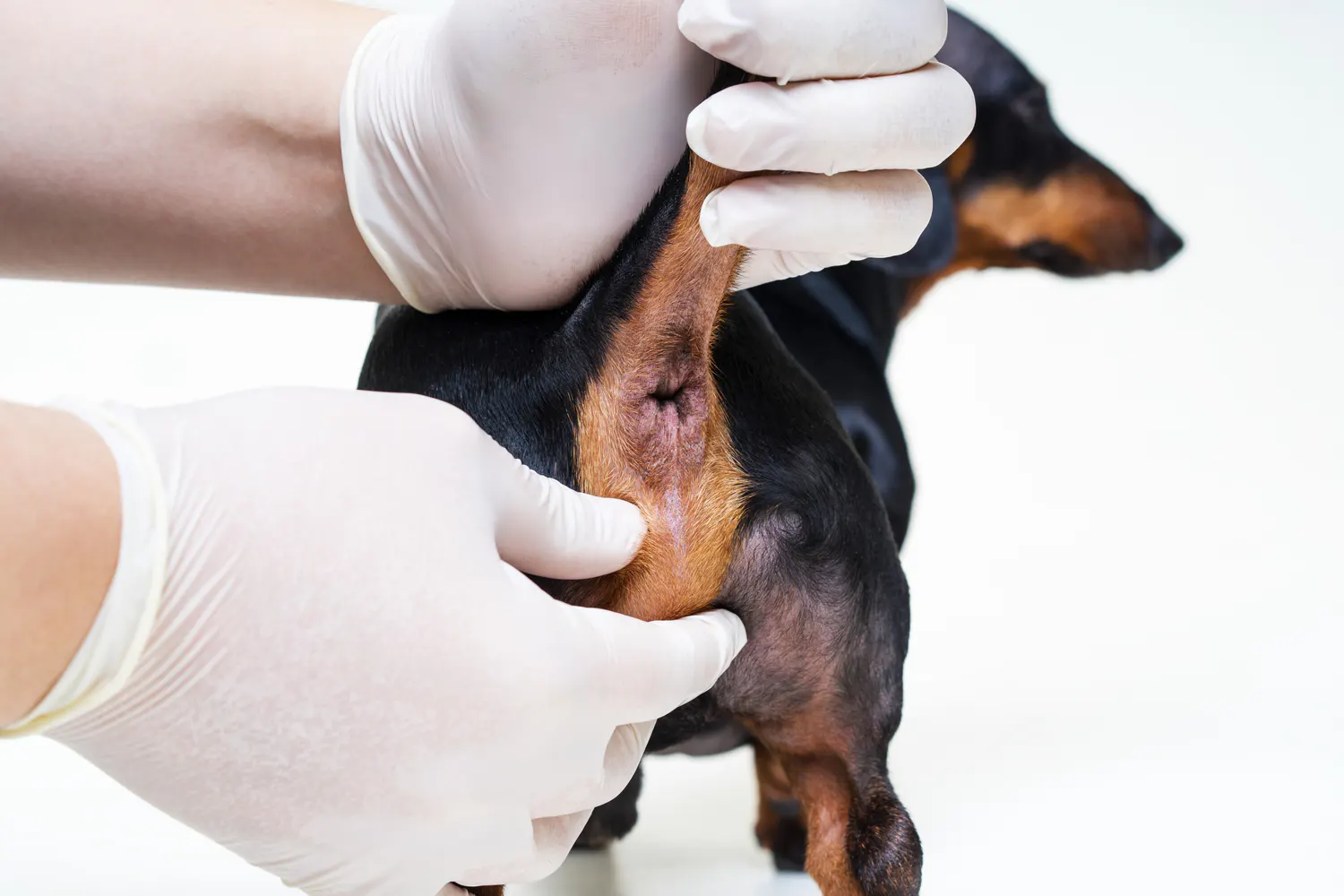
If your dog has ever scooted across the floor, obsessively licked their rear, or suddenly developed a strong fishy smell, you’re not alone. These are some of the most common — and confusing — signs dog owners deal with, and they often point to one overlooked issue: anal gland trouble.
Dog anal glands (also called anal sacs) are small, scent-producing glands located near the anus. In healthy dogs, they empty naturally during bowel movements. But when something interferes with that process, the glands can fill up, become irritated, or even infected. That’s usually when owners start searching for solutions like a dog anal gland supplement.
Most people don’t search for supplements out of curiosity — they’re looking for relief. Relief from scooting, licking, discomfort, recurring vet visits, or that unmistakable odor that seems to come out of nowhere.
This guide is designed to help you understand:
- What anal glands actually do
- Why problems happen so often
- How supplements are supposed to help
- Which ingredients matter most
- When supplements are useful — and when they’re not
By the end, you’ll know whether an anal gland supplement makes sense for your dog, how to choose one safely, and when it’s time to skip supplements and call your vet.
Anal Glands in Dogs: Quick Explanation (So the Supplement Makes Sense)
Before diving into supplements, it helps to understand what anal glands are and how they’re meant to work.
What Are Anal Glands and What Do They Do?
Dogs have two small anal sacs, one on each side of the anus, roughly at the 4 o’clock and 8 o’clock positions. These glands produce a strong-smelling fluid that acts as a form of scent communication. It’s part of how dogs mark territory and identify one another.
In most dogs:
- The glands empty naturally during bowel movements
- Pressure from passing stool squeezes the sacs
- A small amount of fluid is released without any discomfort
When everything is working as it should, you’ll never notice your dog’s anal glands at all.
Why Firm, Bulky Stool Matters
This is where many problems begin.
For anal glands to empty on their own, stool needs to be:
- Firm enough to apply pressure
- Bulky enough to press against the gland openings
If stool is consistently soft, loose, or poorly formed, there isn’t enough pressure to empty the glands properly. Over time, fluid builds up, thickens, and becomes harder to release. This is one of the main reasons fiber plays such a big role in anal gland supplements.
Impaction vs Infection vs Abscess (Simple Breakdown)
Anal gland problems usually fall into one of three categories:
| Condition | What’s Happening | Typical Signs |
|---|---|---|
| Impaction | Glands are full but not infected | Scooting, licking, mild discomfort |
| Infection | Bacteria grow in trapped fluid | Pain, swelling, redness, odor |
| Abscess | Infected gland ruptures | Severe pain, open wound, pus, fever |
Supplements may help prevent or manage mild impaction, but they cannot treat infections or abscesses. Those always require veterinary care.
Signs Your Dog Might Need Anal Gland Support
Dogs can’t tell us when something feels wrong, so anal gland issues often show up as behavioral changes. Some signs are mild and manageable, while others need immediate attention.
Scooting (But Not Always the Cause)
Scooting — dragging the rear end across the floor — is the classic sign people associate with anal glands. However, it’s important to know that scooting can also be caused by:
- Allergies
- Intestinal parasites
- Skin irritation
That said, frequent or repeated scooting is a strong indicator that the anal glands aren’t emptying properly.
Excessive Licking or Chewing the Rear Area
Dogs with irritated anal glands often lick the area repeatedly. This behavior may start subtly and worsen over time. Constant licking can further irritate the skin and make the problem harder to resolve.
Fishy or Metallic Odor
That sudden fish-like smell many owners notice is usually anal gland fluid being released unintentionally. It may happen when:
- Your dog sits down
- Gets startled
- Jumps or strains
Occasional odor can happen, but repeated or strong smells often mean the glands are overfull.
Straining, Discomfort, or Visible Swelling (Urgent Signs)
Some signs should never be ignored:
- Difficulty sitting comfortably
- Crying when sitting or defecating
- Swelling near the anus
- Blood, pus, or discharge
These symptoms suggest infection or abscess and are not appropriate for supplement-only treatment.
Mild vs Serious Symptoms: When Is a Supplement Appropriate?
Supplements may be reasonable if your dog has:
- Occasional scooting
- Soft or inconsistent stool
- Mild odor without pain
- A history of minor impaction
Skip supplements and see a vet immediately if your dog has:
- Swelling, redness, or open wounds
- Severe pain or lethargy
- Fever or discharge
- Recurrent issues despite firm stool
Why Anal Gland Problems Happen (Root Causes)
Anal gland issues rarely appear out of nowhere. In most cases, there’s an underlying cause that prevents normal gland emptying.
Chronic Soft Stool or Diarrhea
This is the most common cause. Soft stool simply doesn’t apply enough pressure to empty the glands. Dogs with sensitive digestion or frequent diarrhea are especially prone to recurring problems.
Low-Fiber Diet and Poor Stool Quality
Many commercial diets don’t provide enough functional fiber. Without it:
- Stool lacks bulk
- Digestion becomes inconsistent
- Anal glands fail to empty completely
This is why fiber-focused supplements are so common for anal gland support.
Overweight Dogs and Poor Muscle Tone
Excess weight can reduce muscle strength around the anus, making gland expression less effective. Small, overweight dogs are particularly vulnerable.
Food Sensitivities and Allergies
Food intolerances can cause:
- Chronic soft stool
- Inflammation in the digestive tract
- Increased licking and skin irritation
In these cases, supplements alone may not help unless the diet issue is addressed.
Skin Issues and Dermatitis
Inflamed or irritated skin around the anus can make dogs uncomfortable and increase licking, which worsens gland irritation and swelling.
Breed and Size Tendencies
Small breeds tend to experience anal gland issues more frequently. This may be due to:
- Narrow gland ducts
- Lower stool volume
- Reduced muscle pressure
Lack of Exercise
Regular movement helps digestion and bowel regularity. Dogs with low activity levels often have slower gut motility, softer stool, and weight gain — all contributing factors.
If you’ve made it this far, you already know why anal gland issues happen and how to spot early warning signs. The next logical question most dog owners ask is simple:
“Do anal gland supplements actually work, or am I just masking the problem?”
The honest answer is: sometimes yes, sometimes no — and it depends heavily on why your dog is having trouble in the first place.
Let’s break this down in a realistic, no-hype way.
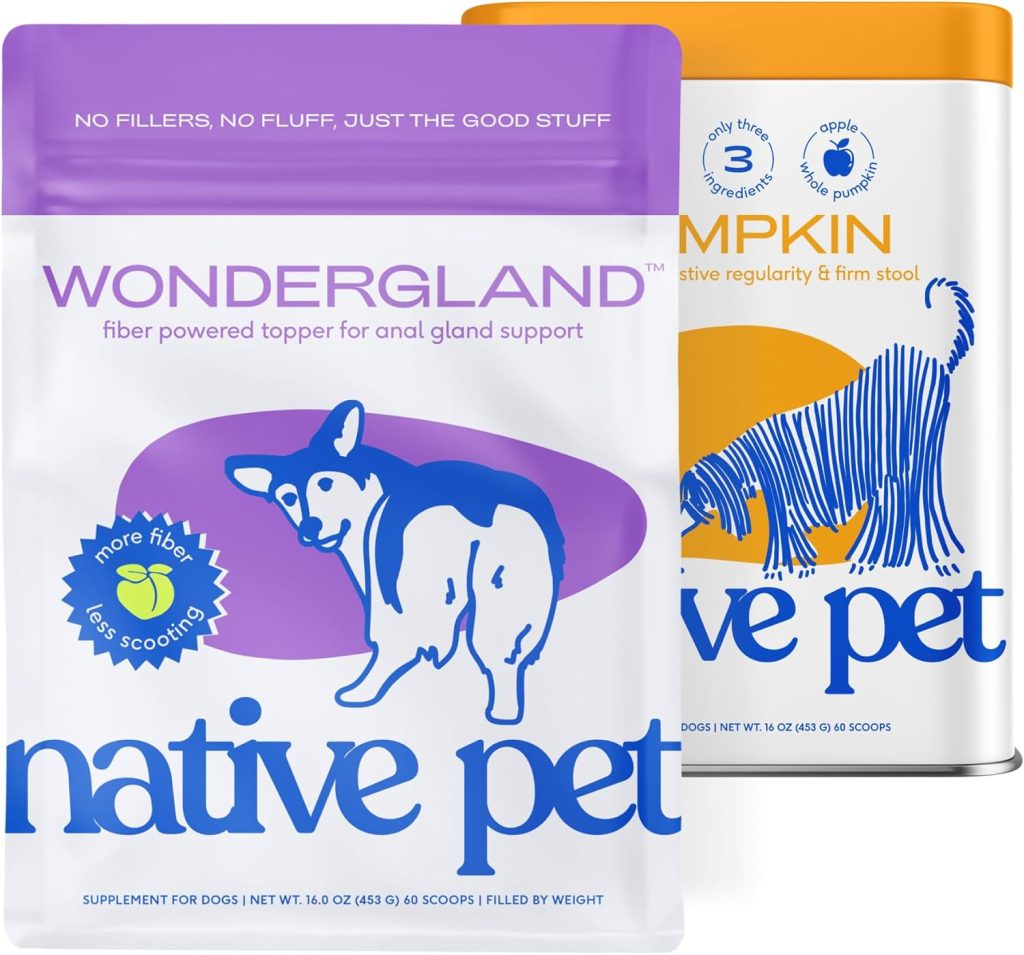
Native Pet Wonder Gland Anal Gland
Native Pet Wonder Gland Anal Gland Treatment (60 Scoops) & Pumpkin Powder for Dogs (60 Scoops) – Prevent Scooting with All-Natural Organic Fiber for Dogs…
Do Anal Gland Supplements Actually Work?
Anal gland supplements don’t “fix” the glands directly. They work indirectly by improving what happens before the glands are supposed to empty.
The Core Mechanism: Fiber → Better Stool → Natural Emptying
The main job of most anal gland supplements is to improve stool quality.
Here’s the chain reaction:
- Added fiber bulks up stool
- Firmer stool presses against the anal sacs
- Pressure encourages natural gland expression
- Less fluid buildup means fewer symptoms
That’s it. No magic. Just better mechanics.
If your dog’s anal gland issues are caused by soft stool, inconsistent digestion, or low fiber intake, supplements can make a noticeable difference.
What About Probiotics and Gut Support?
Some supplements also include prebiotics or probiotics, which can help:
- Stabilize digestion
- Reduce recurring diarrhea
- Improve stool consistency over time
These are especially useful for dogs with:
- Sensitive stomachs
- A history of antibiotic use
- Stress-related loose stool
That said, probiotics alone won’t empty anal glands. They’re a supporting tool, not the main fix.
What Supplements Cannot Do
This part matters.
Anal gland supplements cannot:
- Treat infections
- Resolve abscesses
- Replace veterinary expression when glands are severely impacted
- Cure food allergies
If a dog already has swelling, pain, or discharge, supplements won’t help — and delaying proper treatment can make things worse.
Realistic Timeline: What to Expect (Week 1–4)
| Timeframe | What Most Owners Notice |
|---|---|
| Week 1 | Mild gas or stool changes as fiber adjusts |
| Week 2 | Stool becomes more formed and regular |
| Week 3 | Scooting and licking often decrease |
| Week 4 | Odor and discomfort usually improve |
If nothing improves after 3–4 weeks, the issue likely isn’t fiber-related.
Best Ingredients in Dog Anal Gland Supplements
Not all supplements are created equal. Some focus on the right things, others just look good on the label.
Fiber-First Ingredients (The Most Important Part)
These ingredients directly affect stool bulk and firmness.
Pumpkin / Pumpkin Fiber
Pumpkin is popular for a reason:
- Adds gentle soluble fiber
- Helps regulate stool (firms loose stool, softens hard stool)
- Generally well tolerated
Pumpkin-based supplements are often a good starting point, especially for dogs new to fiber.
Pumpkin Seed Fiber
Often used in chew-style supplements. It provides:
- Concentrated fiber
- Smaller serving sizes
- Better palatability for picky dogs
Psyllium Husk
A strong stool-bulking fiber that:
- Works quickly
- Requires careful dosing
- Needs adequate water intake
Psyllium can be effective but may cause constipation if overused.
Apple Pectin
A soluble fiber that:
- Helps bind stool
- Supports digestive consistency
- Is usually gentle on sensitive stomachs
Microbiome & Digestion Support (Helpful but Optional)
These ingredients support digestion but aren’t essential for every dog.
Prebiotics
They feed beneficial gut bacteria and may:
- Improve long-term stool quality
- Reduce digestive fluctuations
Probiotics
Most useful for dogs with:
- Frequent soft stool
- Stress-related digestive issues
- Recent antibiotic use
They work best alongside fiber, not instead of it.
Digestive Enzymes
Occasionally included for dogs who struggle to break down food properly. These are more niche and not necessary for most dogs.
Skin & Inflammation Support (Secondary Benefit)
Some formulas include omega fatty acids, which may:
- Support skin health
- Reduce irritation around the anal area
- Help dogs with allergy-related inflammation
These don’t empty glands directly but can improve overall comfort.
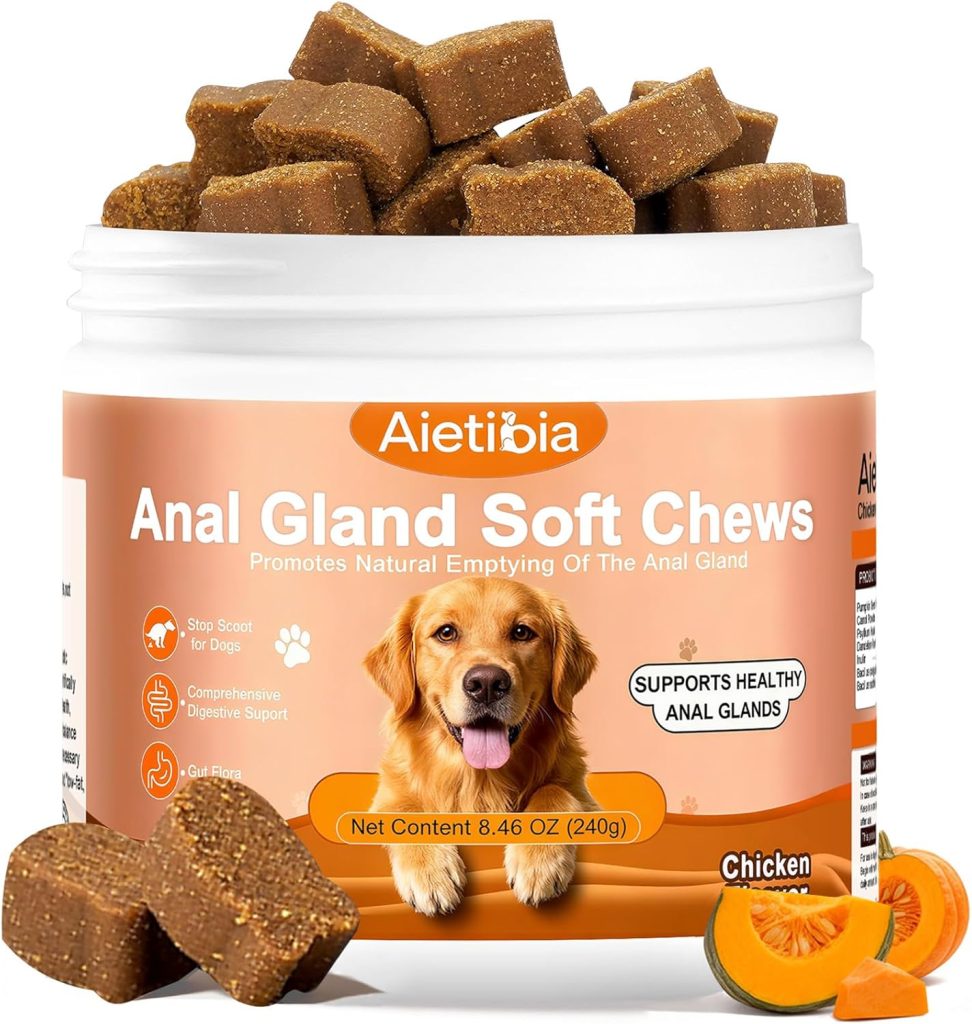
Aietibia 120 Chew Anal Gland Soft Chews for Dogs
Aietibia 120 Chew Anal Gland Soft Chews for Dogs-Help Reduce Scooting with Pumpkin Digestive Enzymes Probiotics Fiber Supplement-Chicken Flavor
How to Choose the Best Anal Gland Supplement (Buyer’s Checklist)
Choosing the right supplement depends more on your dog than the brand name.
Match the Supplement to Stool Type
- Soft or loose stool → Fiber-first formula
- Inconsistent stool → Fiber + probiotics
- Very firm or dry stool → Lower fiber, start slow
Chews vs Powder vs Topper
| Form | Best For | Things to Consider |
|---|---|---|
| Chews | Picky eaters | Often flavored, may include fillers |
| Powders | Precise dosing | Needs mixing, less tasty |
| Toppers | Easy meal addition | Check fiber concentration |
Ingredient Transparency Matters
Look for:
- Clear fiber sources
- Exact ingredient names
- Avoid vague terms like “proprietary blend” without details
Dogs With Allergies or Sensitivities
If your dog reacts to:
- Chicken
- Beef
- Dairy
- Artificial flavors
Choose supplements with limited ingredients and neutral bases.
Vet-Formulated vs Marketing-Heavy Products
A reputable supplement usually:
- Focuses on stool quality, not “detox” claims
- Makes realistic promises
- Includes feeding guidance based on weight
Be cautious of products claiming to “cure” anal gland problems instantly.
Dosage and How to Start Safely
Fiber works best when introduced gradually.
Why Starting Low Is Important
Sudden fiber increases can cause:
- Gas
- Bloating
- Temporary diarrhea
Start with half the recommended dose for the first 5–7 days.
Weight-Based Dosing (Always Follow the Label)
Most supplements scale dosage by:
- Small dogs
- Medium dogs
- Large dogs
Avoid guessing or doubling doses for faster results.
Mixing Tips
- Mix powders thoroughly into food
- Moist food works better than dry kibble
- Some dogs accept fiber better when split into two meals
Hydration Is Non-Negotiable
Fiber absorbs water. Without enough hydration, stool can become too hard.
A simple rule:
More fiber = more water access
What to Track Weekly
- Stool firmness and shape
- Scooting frequency
- Rear licking
- Odor intensity
Write it down if needed. Small changes matter.
Side Effects and Safety: What’s Normal vs Not
Common, Mild Effects (Usually Temporary)
- Gas
- Slight stool changes
- Mild bloating during week one
These usually resolve as the gut adapts.
Stop and Call Your Vet If You See:
- Vomiting
- Severe diarrhea
- Pain when sitting
- No bowel movements for over 48 hours
- Sudden worsening of symptoms
Dogs Who Need Extra Caution
- Dogs with chronic constipation
- Dogs with known GI disease
- Dogs with pancreatitis history
Always check with a vet before adding fiber-heavy supplements in these cases.
By now, you understand how anal gland supplements work, which ingredients matter, and how to use them safely. But there’s an important truth that often gets lost online:
👉 Supplements help many dogs — but they are not a cure-all.
Some dogs need more than fiber. Others need a different approach altogether. This final section focuses on real-world decision making, not quick fixes.
When a Supplement Isn’t Enough (Vet-Needed Situations)
There’s a clear line between supporting normal function and treating a medical problem. Knowing the difference can save your dog a lot of pain.
Signs Supplements Are NOT the Right Answer
If you notice any of the following, stop experimenting and call your vet:
- Swelling near the anus
- Red, inflamed, or hot skin around the area
- Crying when sitting or defecating
- Blood, pus, or discharge
- A foul smell that doesn’t come and go
- Lethargy or fever
These signs often point to infection or abscess, and no supplement can fix that.
Persistent Scooting Despite Firm Stool
This one surprises many owners.
If your dog’s stool is already firm and well-formed, but:
- Scooting continues
- Licking doesn’t stop
- Odor keeps returning
Then the issue may be:
- Narrow gland ducts
- Chronic inflammation
- Allergies
- Recurrent impaction requiring manual expression
In these cases, fiber won’t address the root cause.
Why Some Dogs Have Recurrent Issues
Dogs with repeat anal gland problems often need:
- Physical exams to check gland anatomy
- Allergy testing or diet trials
- Regular professional expression
- Long-term management rather than “one-time fixes”
A good vet visit focuses on why it keeps happening, not just emptying the glands again.
What a Vet May Do
Depending on severity, a vet may:
- Manually express the glands
- Prescribe antibiotics or anti-inflammatory meds
- Flush infected sacs
- Recommend diet changes
- Create a maintenance plan
Supplements may still be part of that plan — just not the whole solution.
Manual Expression: Should You Do It at Home?
This is one of the most debated topics among dog owners.
Professional Expression vs Home Attempts
Professional expression (vet or groomer):
- Faster
- Less painful when done correctly
- Lower risk of infection
Home expression:
- Possible, but risky
- Easy to do incorrectly
- Can cause pain or rupture if done wrong
Many owners try home expression once — and never want to again.
Risks of DIY Expression
- Injury to the gland
- Forcing infected material deeper
- Creating inflammation
- Making future problems worse
If a dog reacts with pain or fear, that’s a clear sign to stop.
If You Ever Try at Home (Safety First)
Only consider it if:
- Your vet has shown you how
- Your dog has mild impaction only
- There’s no swelling, redness, or pain
Never attempt expression on a dog with suspected infection or abscess.
For most people, regular supplements + occasional professional expression is the safer route.
Food Options That Support Natural Anal Gland Emptying
Supplements aren’t the only way to support anal gland health. In some cases, diet changes alone make a big difference.
Fiber-Rich Foods That Can Help
The goal is always the same: consistent, firm stool.
Foods often used to support stool quality include:
- Pumpkin (plain, unsweetened)
- Certain fiber-balanced commercial diets
- Limited-ingredient diets for sensitive dogs
Diet changes should be slow and deliberate, just like supplements.
Pumpkin Powder vs Canned Pumpkin vs Fiber Chews
| Option | Pros | Cons |
|---|---|---|
| Canned pumpkin | Cheap, simple | Messy, inconsistent dosing |
| Pumpkin powder | Concentrated, easy storage | Needs mixing |
| Fiber chews | Convenient, palatable | Often pricier |
There’s no universal “best” option — it depends on your dog’s tolerance and routine.
Dogs With Suspected Food Intolerances
If your dog also has:
- Chronic ear issues
- Itchy skin
- Frequent soft stool
Then food sensitivities may be contributing. In those cases:
- Supplements help symptoms
- Diet changes address the cause
A limited-ingredient or novel-protein diet is often more effective long-term.
Best Anal Gland Supplements for Dogs (How to Compare Without Hype)
Instead of brand names, it’s more useful to compare types of supplements.
What Good Formulas Usually Include
Most effective options focus on:
- A clear fiber source (pumpkin, psyllium, pectin)
- Simple ingredient lists
- Optional probiotics or omegas
Avoid products that promise instant or permanent results.
Common Supplement Types
Fiber + probiotic + omega chews
- All-in-one convenience
- Good for dogs with soft stool + skin issues
- Easy daily use
Fiber-first powder or topper
- Best for stool-focused problems
- Precise dosing
- Fewer extra ingredients
Choosing Based on Your Dog
- Small breeds → Lower dose, gradual increase
- Overweight dogs → Pair with weight management
- Sensitive stomachs → Simple fiber first
- Chronic soft stool → Fiber + probiotic
Matching the supplement to the problem matters more than brand popularity.
Prevention Plan: How to Stop Anal Gland Problems From Coming Back
Once things improve, the goal shifts from fixing to maintaining.
Keep Stool “Firm but Not Hard”
This sweet spot prevents both:
- Impaction (too soft)
- Constipation (too hard)
Consistency matters more than perfection.
Manage Weight Carefully
Even small amounts of excess weight can:
- Reduce muscle tone
- Interfere with gland emptying
Weight control is especially important for small dogs.
Daily Movement Helps More Than You Think
Regular walks support:
- Gut motility
- Healthy bowel movements
- Weight balance
Sedentary dogs tend to struggle more.
Grooming and Hygiene
Long hair around the rear can trap:
- Moisture
- Bacteria
- Debris
Keeping the area clean reduces irritation and licking.
Ongoing vs As-Needed Supplements
Some dogs do best with:
- Daily low-dose fiber
Others only need:
- Short courses during flare-ups
Track symptoms and adjust — there’s no single rule for every dog.
FAQs: Quick Answers Dog Owners Actually Want
What is the best anal gland supplement for dogs?
The best option is one that improves stool consistency without causing constipation or gas. Fiber-focused formulas work best for most dogs.
How long does an anal gland supplement take to work?
Many owners see improvement within 2–4 weeks, depending on the cause and consistency of use.
Can pumpkin help dogs express anal glands naturally?
Yes, plain pumpkin can help by adding fiber and bulk to stool, which supports natural gland emptying.
Are probiotics good for anal gland issues?
They help indirectly by improving digestion and stool quality, especially in dogs with frequent soft stool.
Why does my dog smell like fish sometimes?
That odor usually comes from anal gland fluid being released unexpectedly, often due to full glands.
Why is my dog scooting but glands aren’t full?
Scooting can also be caused by allergies, skin irritation, parasites, or inflammation.
Can allergies cause anal gland problems?
Yes. Allergies often lead to soft stool and inflammation, which interfere with normal gland emptying.
How often should anal glands be expressed?
Many dogs never need manual expression. Others may need it occasionally under professional guidance.
Can I express my dog’s glands at home safely?
Only if a vet has shown you how and there are no signs of infection or pain.
Are anal gland chews safe for puppies or senior dogs?
Generally yes, when used at appropriate doses, but puppies and seniors should start with lower amounts.
What’s better: powder, chews, or food-based fiber?
They all work. The best choice depends on your dog’s preferences, tolerance, and routine.
Conclusion
Anal gland supplements help most when they do one specific job well:
improving stool quality so the glands can empty naturally.
They’re not a cure, and they’re not right for every situation — but for dogs with mild, recurring issues linked to soft stool, they can reduce discomfort and prevent bigger problems.
Final Action Plan
- Identify whether your dog’s symptoms are mild or urgent
- Choose a fiber-focused supplement
- Start slow and track changes
- Reassess after 2–4 weeks
- Involve your vet if problems persist or worsen
Used thoughtfully, supplements can be part of a long-term solution — not just a temporary fix.