
Citronella comes up in dog households every single summer. Mosquitoes show up, evenings move outdoors, and suddenly candles, sprays, plants, and “natural repellents” are everywhere. If you share your home or yard with a dog, it’s completely normal to pause and ask:
Is citronella actually safe for dogs?
The short answer is: sometimes, but it depends heavily on the form, the concentration, and how your dog is exposed to it. That’s where things often get confusing, because “citronella” isn’t just one product. It can mean a plant, an essential oil, a candle, a yard spray, or even a dog training collar.
In this guide, you’ll get clear, practical answers to the questions dog owners ask most:
- Which types of citronella are low risk and which are more dangerous
- What symptoms to watch for if your dog is exposed
- When citronella is okay around dogs and when it should be avoided
- Safer alternatives for mosquito control in dog-friendly homes
And just as important, if your dog ever shows unusual symptoms after exposure, contact your veterinarian or a pet poison helpline immediately, especially if ingestion or heavy inhalation is involved. Early advice can prevent bigger problems.
What Is Citronella?
Before we talk about safety, it helps to understand what citronella actually is, because the word gets used very loosely.
Citronella Oil vs Citronella Plant vs “Citronella Geranium”
One of the biggest sources of confusion is labeling.
Citronella essential oil is usually extracted from grasses in the Cymbopogon family. This oil is highly concentrated and is what you’ll find in candles, sprays, diffusers, and mosquito-repellent products.
The so-called citronella plant sold in garden centers is often not the same thing. Many of these are scented geraniums that smell similar to citronella when touched. While they may repel insects mildly, they are not the same as citronella oil and don’t carry the same concentration risks.
This distinction matters because essential oils behave very differently from live plants when it comes to dogs. Oils are potent, absorb quickly, and are easy for dogs to ingest through licking or inhalation.
You can read more about plant-related safety concerns in guides like this one on
pet-safe mosquito repellents.
Why People Use Citronella
Citronella is popular because it’s marketed as a natural mosquito repellent. You’ll commonly see it used in:
- Outdoor patio candles and torches
- Yard sprays and foggers
- Skin sprays for humans
- Essential oil diffusers
- Bark-control or training collars for dogs
The word “natural” often creates a false sense of safety. In reality, natural does not automatically mean pet-safe, especially for animals with a strong sense of smell and different metabolism than humans.
Is Citronella Safe for Dogs?
If you’re looking for a straightforward, real-world answer, here it is:
The Practical Takeaway Most Vets Agree On
- Citronella essential oil and concentrated products pose the highest risk
- Candles, incense, and smoke require caution, especially indoors
- Citronella collars can be safe for some dogs, but not all, and they must be used correctly
Small amounts of citronella scent in open, well-ventilated outdoor areas are usually tolerated by many dogs. Problems tend to start when citronella becomes concentrated, ingested, or inhaled repeatedly in enclosed spaces.
Why Advice Online Sounds So Conflicting
You’ll see one article saying citronella is “toxic to dogs” and another claiming it’s “generally safe.” Both can be technically correct.
The confusion comes from:
- Different forms of citronella (oil vs candle vs plant)
- Different exposure routes (licking, breathing, skin contact)
- Different concentrations (trace scent vs pure oil)
A faint smell drifting from a patio candle is not the same as a dog licking citronella oil off its fur. Dose and exposure matter far more than the ingredient name alone.
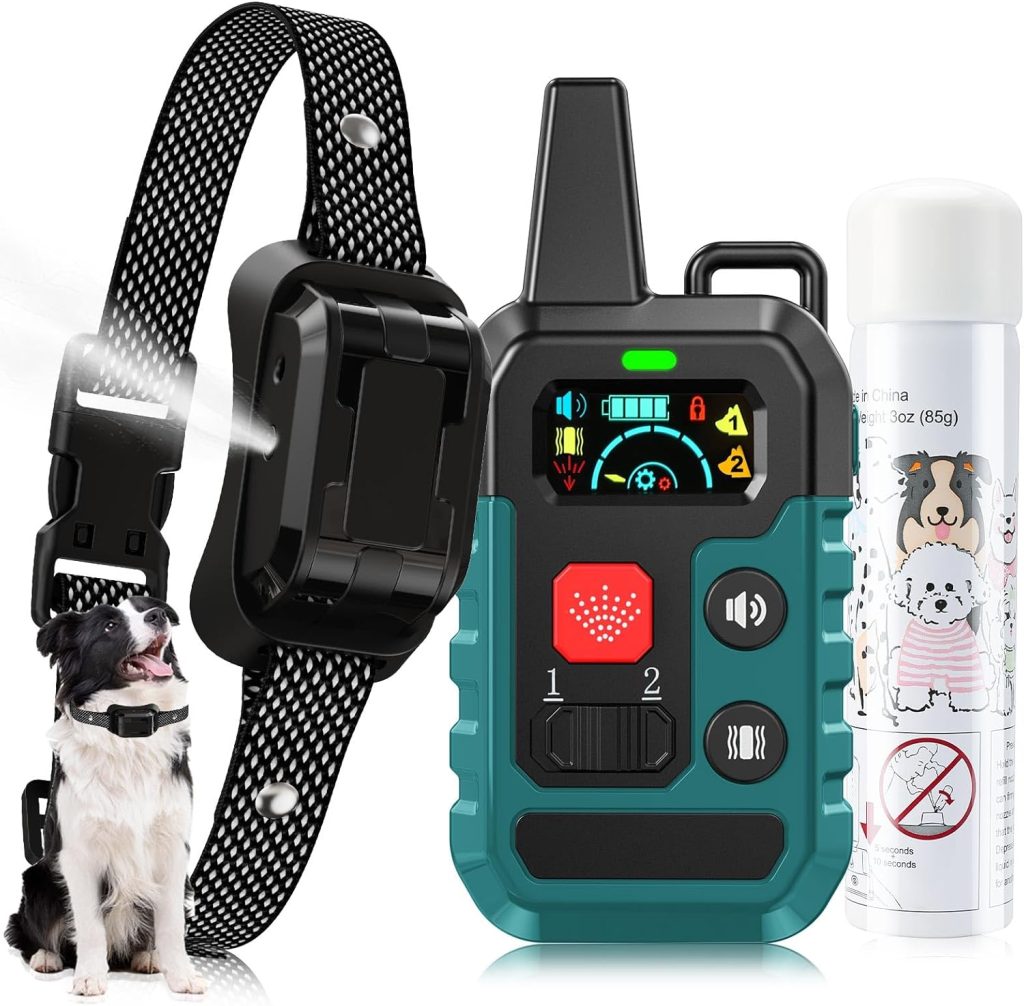
Citronella Training Collar for Dog
Citronella Training Collar for Dog [1* Spray Refill] Dog Training Collar with Beep/Vibration/Spray 4 Mode & 6 Adjustable Sensitivities IPX7 Waterproof…
Which Citronella Products Are Most Dangerous for Dogs?
Not all citronella products carry the same level of risk. Some are far more problematic than others.
Citronella Essential Oil (Highest Risk)
Citronella essential oil is where most safety issues begin.
Because it’s highly concentrated, even small amounts can irritate a dog’s mouth, stomach, skin, or respiratory system. Dogs may be exposed through:
- Diffusers running indoors
- DIY mosquito sprays
- Oil spilled on fur and later licked off
Essential oils can also irritate the eyes and mucous membranes. This is why many veterinarians recommend avoiding essential oil diffusion around pets altogether. For a deeper explanation, this article on
essential oil safety for dogs breaks down the risks clearly.
Citronella Candles (Moderate Risk)
Citronella candles are very common on patios and balconies. While less concentrated than pure oil, they still pose potential issues:
- Smoke and soot can irritate sensitive airways
- Dogs may lick melted wax or chew the candle itself
- Burns are possible if a curious dog knocks one over
Used outdoors, at a distance, and under supervision, candles are usually less risky than oils. Indoors, however, they deserve much more caution.
Citronella Incense, Coils, and Mosquito Sticks
These products burn continuously and release smoke, which can be irritating even for healthy dogs. In enclosed or poorly ventilated areas, they may trigger:
- Coughing or sneezing
- Watery eyes
- Breathing discomfort
Dogs may also chew discarded sticks or ashes, which increases ingestion risk.
Citronella Sprays and Yard Foggers
Sprays often cause confusion because of marketing language.
Some labels say “natural,” while the fine print warns “not for use on pets.” Yard treatments may linger on grass and surfaces, which dogs later lick from their paws.
Always read labels carefully and avoid letting dogs into treated areas until products are fully dry and cleared.
Citronella Plants and “Citronella Geranium”
Live plants are usually less dangerous than oils, but they are not completely harmless.
Dogs that chew leaves may experience:
- Mild stomach upset
- Drooling
- Skin irritation in sensitive dogs
Most dogs ignore these plants, but persistent chewers should be discouraged from access.
Citronella Dog Collars (Special Case)
Citronella collars are often used for bark control or training. Instead of delivering a shock, they release a small burst of citronella spray.
Many owners ask whether these collars are humane or safe. The answer depends on:
- Proper fit
- Limited, supervised use
- The dog’s sensitivity and stress response
Some dogs tolerate them well, while others develop skin irritation or anxiety. These collars are not recommended for puppies, anxious dogs, or dogs with respiratory issues.
How Citronella Can Affect Dogs (Toxicity and Irritation Explained)
When people hear the word toxic, they often imagine extreme, immediate danger. With citronella, it’s usually more subtle than that. Most problems come from irritation, sensitivity, or repeated exposure, rather than outright poisoning.
Still, how a dog reacts depends on how the citronella enters their body and how much they’re exposed to.
Exposure Routes That Matter
Dogs don’t interact with citronella the way humans do. They’re closer to the ground, they sniff everything, and they clean themselves with their tongues. That changes the risk.
Ingestion
This is the most concerning route.
- Licking citronella oil off fur
- Chewing on candles or wax
- Eating plant leaves or stems
Even small amounts can upset a dog’s stomach because essential oils are highly concentrated.
Inhalation
This is often overlooked.
- Diffusers running indoors
- Burning candles or incense in closed rooms
Dogs have extremely sensitive noses. What smells mild to you may feel overwhelming or irritating to them, especially over time.
Skin and Eye Contact
This usually causes irritation rather than internal problems.
- Sprays landing on skin or paws
- Oils touching eyes or nose
- Collars rubbing against the neck
Some dogs tolerate this without issue. Others react quickly.

Citronella Dog Bark Collar
Bubbacare Citronella Dog Bark Collar, Citronella Bark Collar, Adjustable Spray Anti Barking Collars, Rechargeable Dog Barking Training Device with 2 Straps, Safe for Small Large Dogs Indoor Outdoor
Why Dogs Are More Vulnerable Than Humans
A lot of citronella products are marketed for people, which leads owners to assume shared safety. Unfortunately, dogs process substances very differently.
Here’s why they’re more at risk:
- Their sense of smell is far stronger, making fumes more intense
- They groom themselves, which turns skin exposure into ingestion
- Smaller dogs and puppies need far less to cause a reaction
- Senior dogs and those with asthma or allergies react faster
One dog may nap peacefully next to a citronella candle. Another may start coughing within minutes. Sensitivity varies a lot.
Symptoms of Citronella Exposure in Dogs (What to Watch For)
Most reactions to citronella show up fairly quickly, usually within minutes to a few hours after exposure.
Mild to Moderate Signs
These are the symptoms owners notice most often:
- Drooling or excessive lip licking
- Nausea or vomiting
- Loose stools or diarrhea
- Pawing at the mouth or face
- Sneezing or mild coughing
- Watery or irritated eyes
These signs usually mean irritation rather than poisoning, but they should still be taken seriously.
Skin and Allergy-Type Reactions
Some dogs develop contact reactions, especially from sprays or collars:
- Red or inflamed skin
- Itching or scratching
- Small rashes or hives
- Hair loss in the contact area
If a collar is involved, irritation often appears around the neck within a day or two.
When It May Be More Serious
While rare, stronger reactions can happen, particularly with essential oils or heavy indoor exposure.
Watch closely for:
- Lethargy or unusual tiredness
- Weakness or wobbling
- Ongoing vomiting
- Difficulty breathing
- Rapid or labored breathing
Emergency warning signs include:
- Collapse
- Repeated vomiting
- Severe breathing distress
- Extreme lethargy or unresponsiveness
If you see these, don’t wait it out. Contact a vet immediately.
What To Do If Your Dog Licks, Eats, or Inhales Citronella
If exposure happens, staying calm helps you act quickly and correctly.
Step-by-Step First Aid (Safe and General)
- Remove the source
- Turn off diffusers
- Blow out candles
- Take away plants or chewed items
- Ventilate the area
- Open windows
- Move your dog outside or to fresh air
- Prevent further licking
- If oil is on fur, gently wipe it off
- Use a mild, pet-safe shampoo if needed
- Save the packaging
- Ingredients and concentrations matter
- Your vet may ask for this information
Do not induce vomiting unless a veterinarian tells you to do so.
When to Call the Vet Immediately
Call your vet or a pet poison helpline if:
- Vomiting or diarrhea doesn’t stop
- Breathing seems irritated or labored
- Behavior changes suddenly
- Your dog is very small, elderly, or has health issues
It’s always better to ask early than wait too long.
What the Vet Will Likely Ask
Be prepared to share:
- The exact product used
- Approximate amount
- Time of exposure
- Your dog’s size and weight
- Any symptoms already present
This helps them decide whether home care is enough or an exam is needed.
Is Citronella Safe Around Dogs Outdoors?
Outdoor use is where citronella is most commonly tolerated, but it still requires common sense.
Outdoor Patio Use: Candles at a Distance
If you’re using citronella candles outside:
- Keep them off the ground
- Place them away from your dog’s resting area
- Prevent access to melted wax
- Avoid tightly enclosed patios or balconies
Fresh air makes a big difference.
Yard Sprays and Foggers: Read Labels Carefully
Even natural yard treatments can linger.
- Keep dogs off treated areas until fully dry
- Watch for paw licking after re-entry
- Never spray directly on your dog unless the label clearly states it’s dog-safe
Marketing terms can be misleading. Labels matter more than buzzwords.
Is Citronella Safe Inside the House With Dogs?
Indoor use is where caution increases significantly.
Diffusers and Essential Oil “Air Freshening”
Diffusers release oil particles into the air continuously. In small rooms, that exposure builds quickly.
Dogs can’t leave the room the way humans can. For that reason, many vets advise avoiding essential oil diffusion indoors altogether when pets are present.
Candles and Incense Indoors
Even a single candle can cause:
- Airway irritation
- Curiosity-driven licking or chewing
If used indoors at all, it should be brief, supervised, and well ventilated.
Citronella vs Lemongrass vs Other “Mosquito Repellent” Oils (Why People Get Them Mixed Up)
One reason citronella causes so much confusion is that it rarely shows up alone. Many mosquito products bundle it with other plant oils, especially lemongrass, eucalyptus, or peppermint. To a human nose, they all smell “fresh” and “clean.” To a dog, they’re very different experiences.
Citronella and lemongrass, in particular, are often treated as interchangeable. They’re not. They come from different plants, have different chemical profiles, and affect dogs in slightly different ways. What they share is this: both are concentrated in oil form, and concentration is where problems start.
This is why ingredient lists matter. A product labeled “citronella-based” may actually contain several oils blended together. Some of those oils appear on veterinary caution lists, especially when inhaled or licked repeatedly.
If you’re ever unsure, it’s safer to assume oil blends are riskier than single, diluted ingredients, especially indoors.
Safer Mosquito Control Options for Homes With Dogs
Most dog owners aren’t trying to take risks. They’re just trying to enjoy summer without getting eaten alive by mosquitoes. The good news is that citronella isn’t your only option, and it’s rarely the best one for pet households.
Vet-Recommended Prevention Comes First
Before worrying about repellents, make sure your dog is protected where it really matters.
Heartworm prevention is essential. Mosquitoes aren’t just annoying; they carry disease. Preventatives recommended by your vet protect your dog even if a mosquito slips through.
When it comes to repellents, use products made specifically for dogs. These are formulated with canine physiology in mind, tested at appropriate doses, and labeled clearly. That alone removes a lot of guesswork.
Simple Environmental Changes That Actually Work
You don’t always need chemicals to make a difference.
Small changes add up:
- Use fans on patios. Mosquitoes are weak fliers.
- Empty standing water regularly.
- Walk dogs during lower mosquito activity times when possible.
- Repair window and door screens.
- Keep grass trimmed and shaded areas dry.
These steps won’t eliminate mosquitoes entirely, but they reduce the need for stronger repellents.
Dog-Safe Repellent Alternatives (Without Essential Oils)
If you want extra protection, look for:
- Vet-approved topical products
- Collars designed specifically for flea and mosquito deterrence
- Yard treatments advertised as pet-safe after drying, not during application
Avoid DIY sprays and essential oil recipes. Even when well-intentioned, they’re unpredictable and easy to overdo.
Frequently Asked Questions About Citronella and Dogs
Can citronella kill dogs?
In most cases, no. Citronella is not commonly fatal. However, concentrated essential oil exposure or heavy inhalation in enclosed spaces can cause serious symptoms that require veterinary care. Risk increases with small dogs, puppies, and dogs with existing health issues.
Is citronella candle smoke harmful to dogs?
It can be. Outdoors, occasional exposure is usually tolerated. Indoors, smoke can irritate airways and cause coughing or discomfort, especially in sensitive dogs. Curiosity-related ingestion of wax is another concern.
What if my dog licked citronella oil?
This is one of the more concerning scenarios. Licking essential oil can cause drooling, vomiting, stomach upset, and mouth irritation. Remove access immediately, wipe the mouth and fur if needed, and call your vet for guidance.
Is citronella spray safe on dog fur?
Unless the product explicitly states it is safe for direct use on dogs, do not apply it to your dog’s coat. Many sprays are formulated for humans or outdoor surfaces only.
Is the citronella plant toxic to dogs?
Most citronella-type plants cause mild irritation at worst. Chewing may lead to drooling or stomach upset, but serious toxicity is rare. Persistent chewers should be kept away.
Are citronella collars safe and humane?
They can be for some dogs, but not all. Proper fit, short-term supervised use, and a calm, confident dog matter. They are not recommended for anxious dogs, puppies, or dogs with respiratory sensitivity.
How long do symptoms last after exposure?
Mild symptoms often resolve within a few hours once exposure stops. Skin irritation may take a day or two to calm down. Ongoing or worsening symptoms should always be checked by a vet.
Can I use citronella around puppies or senior dogs?
Extra caution is needed. Puppies and senior dogs are more sensitive and less able to tolerate irritation. Avoid essential oils and indoor exposure entirely for these age groups.
What smells repel mosquitoes but are safer around dogs?
Non-scent-based solutions like fans, screens, timing outdoor activity, and vet-approved repellents are generally safer than relying on strong-smelling oils.
Final Thoughts: The Practical Bottom Line
Citronella isn’t automatically dangerous, but it’s also not harmless just because it’s natural.
The biggest risks come from:
- Concentrated citronella oils
- Indoor diffusion or smoke
- Ingestion through licking or chewing
Candles, plants, and outdoor use can be acceptable in some situations, but they still require supervision and common sense.
If you choose to use citronella at all:
- Keep it at a distance
- Ensure good ventilation
- Prevent licking or ingestion
- Avoid indoor diffusers
- Skip use entirely for puppies, seniors, or sensitive dogs
When in doubt, the safest path is simple: choose products clearly labeled for dogs, rely on environmental mosquito control, and ask your vet when unsure.
Your dog doesn’t need a mosquito-free world. They just need one where the solution isn’t more uncomfortable than the problem.