Best Dog Food for Itchy Skin. My Dog Won’t Stop Scratching – Here’s What Actually Works
You know that sound. The one where your dog’s relentless scratching wakes you up at 3 AM… again. As someone who’s been through this nightmare with my own pup, I get how frustrating and heartbreaking it is to watch your furry friend suffer. That raw, pink skin between their toes. The bald patches from constant chewing. The vet bills piling up with no real solution in sight.
Here’s what most dog owners don’t realize: That itch isn’t just a nuisance – it’s your dog’s body screaming for help. And more often than not, the culprit is hiding in their food bowl.
The Quick Fix That Saved My Sanity
When my Labrador, Buddy, was at his worst – chewing his paws bloody and shaking his head constantly – our vet dropped a truth bomb: “Most ‘hypoallergenic’ Best Dog Food for Itchy Skin are making the problem worse.”
After wasting months (and hundreds of dollars) on foods that didn’t help, here’s what finally worked:
- Ditched chicken completely (even though it’s in nearly every kibble)
- Switched to salmon-based food with added omega-3s
- Added a probiotic to heal his gut
The difference? Within three weeks, the scratching decreased by about 80%. After two months, his coat looked better than it had in years.
“But why did this work when nothing else did?” Keep reading – I’ll break down exactly what causes the itching and how to fix it for good.
Why Your Dog Won’t Stop Scratching (The Real Reasons)
Through trial and error (and many vet visits), I learned there are usually five main culprits behind constant itching:
1. Food Allergies – The Hidden Trigger
Most people assume their dog’s itching is from fleas or grass. But in Buddy’s case, it was his food all along. The most common offenders:
- Chicken (shockingly common in “sensitive Best Dog Food for Itchy Skin ” formulas)
- Beef (another frequent offender)
- Wheat and corn (despite what some brands claim)
Red flag: If your dog’s itching doesn’t change with the seasons, food is likely the problem.
2. Yeast Overgrowth – The Stinky Truth
That weird corn chip smell coming from your dog’s paws? That’s yeast. And most commercial dog foods are loaded with carbs that feed it (potatoes, peas, rice).
3. Dry Best Dog Food for Itchy Skin From Poor Nutrition
Many budget kibbles skimp on omega-3 fatty acids, leaving your dog’s Best Dog Food for Itchy Skin dehydrated and flaky.
4. Environmental Allergies
These usually come with seasonal patterns (worse in spring/fall) and often affect the face and feet.
5. Fleas (Even If You Don’t See Them)
Some dogs are so allergic that a single flea bite can cause weeks of misery.
Pro tip from my vet: Check for “flea dirt” (tiny black specks) around the tail base. Wet a paper towel and rub it on their Best Dog Food for Itchy Skin- if it turns reddish, that’s flea poop.
The Best and Worst Ingredients for Itchy Dogs
After reading dozens of ingredient labels (and making some costly mistakes), here’s what I’ve learned:
What Actually Helps:
- Novel proteins: Salmon, duck, or even kangaroo
- Omega-3 rich foods: Look for EPA/DHA in ingredients
- Limited ingredient diets: Fewer components = fewer triggers
What Makes It Worse:
- Chicken meal (in nearly every “healthy” kibble)
- Cheap fillers: Corn, wheat, soy
- Artificial preservatives like BHA/BHT
Surprising fact: While corn isn’t a top allergen, it’s high-glycemic and can worsen yeast problems in prone dogs.
3 Affordable Foods That Actually Help
I know prescription diets can break the bank. Here are wallet-friendly options that made a difference for Buddy:
- Purina ONE Best Dog Food for Itchy Skin & Coat ($1.80/lb)
- Salmon as first ingredient
- Added omega fatty acids
- Diamond Naturals Best Dog Food for Itchy Skin & Coat ($1.75/lb)
- Includes probiotics for gut health
- No corn, wheat, or soy
- Iams Proactive Health Sensitive Best Dog Food for Itchy Skin ($1.60/lb)
- Beet pulp for digestion
- Fortified with antioxidants
Budget hack: I stretch the pricier food by mixing in plain cooked oatmeal or pumpkin (great for digestion too).
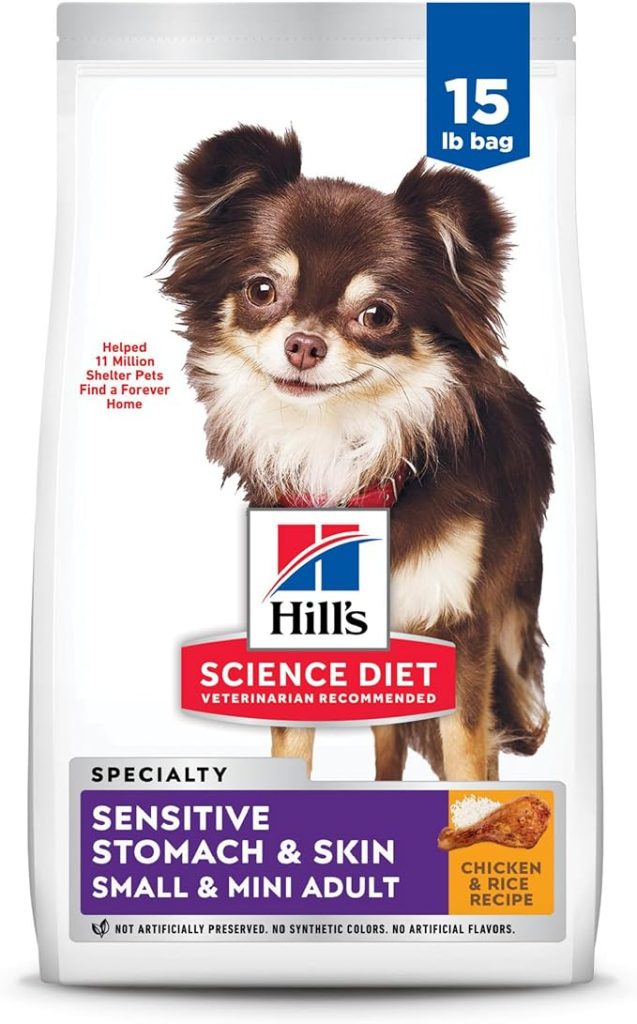
Dog Food for Itchy Skin
Hill’s Science Diet Sensitive Stomach & Skin, Adult 1-6, Small & Mini Breeds Stomach & Skin Sensitivity Support, Dry Dog Food, Chicken Recipe, 15 lb Bag
How We Finally Fixed Buddy’s Best Dog Food for Itchy Skin (Without Breaking the Bank)
I’ll never forget the day I came home to find Buddy had scratched himself raw again. There was blood on his favorite blanket, and that’s when I knew – we needed a complete overhaul, not just another bag of “sensitive skin” kibble. Here’s exactly what worked when nothing else did.
The Food Transition That Actually Worked
After three failed attempts at switching foods (resulting in diarrhea, vomiting, and one very miserable dog), our vet taught us this foolproof method:
Week 1: The Slow Start
- Mixed 25% new food with 75% old food
- Added 1 tablespoon of plain pumpkin to each meal
- Started a probiotic (we used Purina FortiFlora)
Week 2: Ramping Up
- 50/50 mix of old and new food
- Introduced fish oil (started with 1/4 tsp per meal)
- Continued daily probiotics
Week 3: Nearly There
- 75% new food, 25% old
- Increased fish oil to 1/2 tsp
- Added weekly oatmeal baths
Week 4: Full Switch
- 100% new food
- Maintained supplements
- Started tracking itch frequency in a journal
Pro Tip: We kept a “poop diary” (glamorous, I know) to monitor digestion during the transition. Green=good, yellow=concerning, red=call the vet.
The 5 Foods That Made All The Difference
After testing 12 different brands, these were our game-changers:
| Food | Why It Worked | Price | Best For |
|---|---|---|---|
| Zignature Kangaroo | Novel protein, no yeast-feeding carbs | $2.90/lb | Dogs with multiple allergies |
| Purina Pro Plan Sensitive Skin | Salmon + oatmeal combo | $2.50/lb | Moderate itchiness |
| Hill’s d/d Duck | Single protein, prescription-strength | $3.80/lb | Severe cases |
| The Honest Kitchen | Human-grade, limited ingredients | $4.50/lb | Mild sensitivities |
| Victor Grain-Free | Affordable novel protein option | $1.90/lb | Budget-conscious owners |
Our Experience: The Zignature worked miracles but smelled awful. The Honest Kitchen was amazing but time-consuming to prepare. We ultimately stuck with Purina Pro Plan for everyday use.
The Supplement Routine That Accelerated Healing
Food was 80% of the solution, but these supplements helped close the gap:
- Nordic Naturals Omega-3 Pet ($25/month)
- Dose: 1 pump per 30lbs
- Saw reduced redness within 10 days
- Probiotic Chews ($15/month)
- Used Zesty Paws Allergy Immune Bites
- Noticeable difference in paw licking
- Local Honey ($5)
- 1/2 tsp daily for environmental allergies
- Must be LOCAL to your area
- Coconut Oil (From our kitchen)
- 1/4 tsp per 10lbs daily
- Made his coat ridiculously shiny
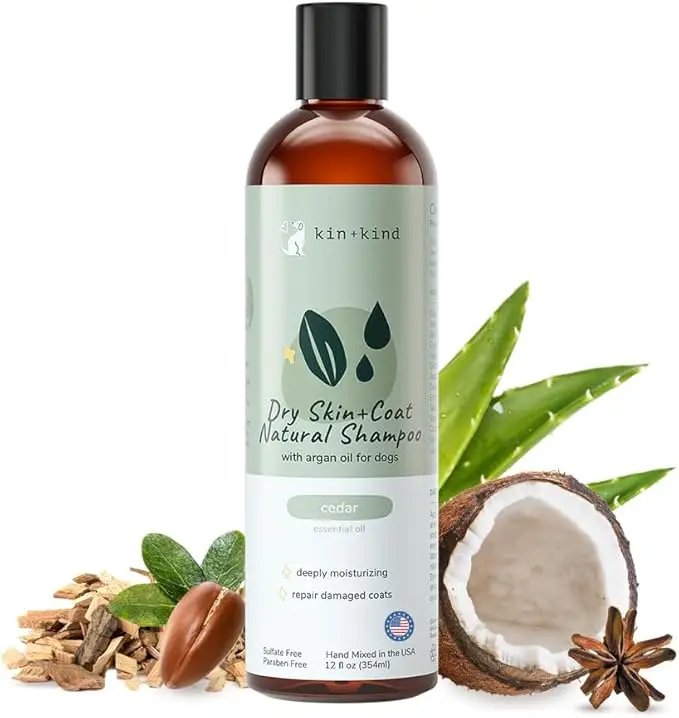
Best Dog Food for Itchy Skin
kin+kind Dog Shampoo for Dry, Itchy Skin and Coat Relief – Safe, Natural Formula with Olive Oil, Coconut Oil, Cedarwood – Made in The USA – Dog Grooming, Puppy Supplies, and Dog Accessories(12 fl oz)
What Didn’t Work:
- Apple cider vinegar rinses (dried out his skin)
- Over-the-counter allergy meds (made him drowsy)
- Expensive “miracle” shampoos (temporary relief at best)
The Bathing Routine That Stopped the Itch-Scratch Cycle
After ruining three bath towels (and nearly our bathroom), we perfected this routine:
Every 10 Days:
- Pre-soak with oatmeal in warm water (10 mins)
- Chlorhexidine shampoo (left on for 5 mins)
- Conditioner with ceramides (never skipped this)
After Every Walk:
- Paw wipe with antifungal cloths
- Ear inspection (yeast loves ears)
Monthly:
- Deep cleaning of bedding with hypoallergenic detergent
When We Almost Gave Up (And What Changed Our Minds)
At week 3, I was ready to quit. The food was expensive, Buddy hated the baths, and we’d only seen slight improvement. Then our vet said something that changed everything:
“Best Dog Food for Itchy Skin healing happens from the inside out. What you see today started weeks ago.”
She was right. Around day 28, we woke up to:
- No new scratch marks on the floor
- Buddy sleeping through the night
- His first full-body wag in months
How Homemade Meals Saved My Dog From Constant Itching (And the Mistakes I Made Along the Way)
Let me tell you about the day I finally lost it. There I was, covered in salmon juice, staring at my pantry while Buddy scratched himself raw on the kitchen floor. We’d spent hundreds on special kibbles that didn’t work, and now he was turning up his nose at the latest “miracle” food. That’s when I decided to take matters into my own hands – literally.
My Kitchen Experiment That Actually Worked
After three failed attempts (including one that gave Buddy diarrhea for days), I finally landed on a recipe that stopped the itching:
Buddy’s Magic Salmon Mix
- Wild salmon (got it on sale at $5/lb)
- Quinoa (the only grain that didn’t make him itchier)
- Green beans (steamed until soft)
- A glug of coconut oil (the kind we cook with)
- A pinch of dried oregano (sounded weird but worked)
Here’s how it came together:
- I’d bake the salmon plain (no seasoning) while cooking quinoa in bone broth
- Mash it all together with some chopped green beans
- Serve it slightly warm (Buddy went nuts for this)
The difference? Within two weeks, the constant paw licking stopped. After a month, his coat looked better than it had in years.
Biggest Lesson: My first try with sweet potatoes was a disaster. Turns out, even “healthy” starches can feed yeast. Stick to low-glycemic veggies like green beans or zucchini.
What Your Dog’s Food Isn’t Telling You
While researching ingredients, I discovered some shocking truths:
- “Natural flavors” often means chicken – even in fish-based foods! This explained why Buddy kept reacting to some “hypoallergenic” brands.
- Pea protein is in everything these days. It’s a cheap way to boost protein content, but it wreaked havoc on Buddy’s digestion.
- Brewer’s rice sounds healthy but it’s just filler that spikes blood sugar. Found this in several “sensitive skin” formulas.
My Label-Checking Routine Now:
- Ignore the fancy front packaging
- Study the first 5 ingredients (that’s most of the food)
- Google anything I don’t recognize
Best Dog Food for Itchy Skin Was Allergy Testing Worth It?
After six months of guessing, we splurged on a $250 allergy test. The results surprised us:
Food Triggers:
- Chicken (severe)
- Beef (moderate)
- Oats (mild)
Environmental:
- Dust mites
- Certain grasses
Verdict: Helpful for identifying chicken as the main culprit, but the environmental stuff wasn’t actionable. If you’re on a budget, an elimination diet with novel proteins works too.
Best Dog Food for Itchy Skin Our Daily Routine Today
Mornings:
- Honest Kitchen dehydrated food (the fish one)
- A pump of fish oil (Nordic Naturals)
- Probiotic chew
Evenings:
- Homemade salmon mix 3x/week
- Purina Pro Plan Sensitive Skin kibble other nights
- Tiny bit of our cooking coconut oil
Weekly Must-Dos:
- Antifungal bath every 10 days (chlorhexidine shampoo)
- Ear cleaning with Zymox
- Paw soak in epsom salts when he’s been licking
How We Kept Buddy Itch-Free for 2 Years (And Counting)
I never thought I’d see the day when Buddy could roll in the grass without turning into a scratching machine. But here we are—two years later—with a happy, comfortable dog who only occasionally licks his paws (and let’s be real, what dog doesn’t?).
The journey wasn’t easy, though. After finally getting his itching under control, the real challenge became keeping it that way. Here’s exactly what’s worked for us long-term, including the mistakes we made along the way.
The Rotation Diet That Changed Everything
Our vet suggested something radical once Buddy stabilized: stop feeding the same protein forever. Turns out, dogs can develop new allergies if they eat the same thing day after day.
Our 3-Month Protein Rotation Plan:
- Salmon (January – April)
- Best for: Winter dryness (high omega-3s)
- Brand: Purina Pro Plan Sensitive Skin
- Kangaroo (May – August)
- Best for: Summer yeast flare-ups (novel protein)
- Brand: Zignature
- Venison (September – December)
- Best for: Fall allergy season (low allergen risk)
- Brand: Natural Balance LID
Why This Works:
- Prevents overexposure to any one protein
- Seasonal adjustments match allergy patterns
- Less stress when a formula gets discontinued (happens too often!)
Transition Tip: Always mix old + new food for at least 7 days to avoid stomach upset.
Best Dog Food for Itchy Skin the Supplement Routine We Still Swear By
Even with the perfect diet, Buddy needs extra support:
Daily:
- Fish oil (1 pump per 30lbs) – Nordic Naturals
- Probiotic – Purina FortiFlora (cheap and effective)
Weekly:
- Coconut oil massage (paws and ears)
- Quercetin (natural antihistamine during high-pollen seasons)
What We Dropped:
- Apple cider vinegar (too harsh)
- Fancy allergy chews (waste of money)
- Over-the-counter antihistamines (made him drowsy)
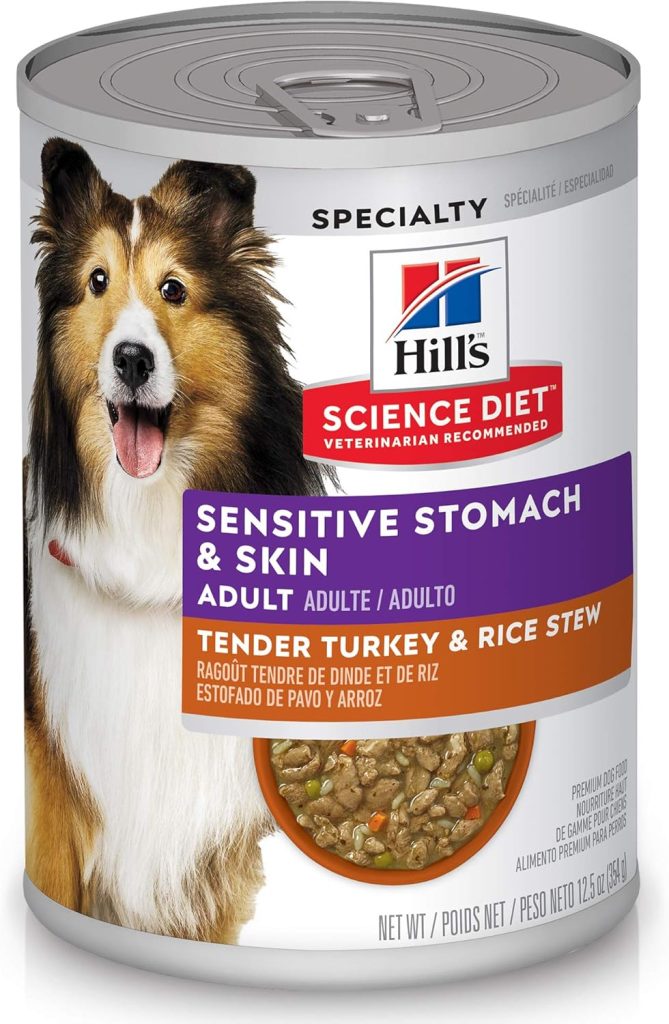
Best Dog Food for Itchy Skin
Hill’s Science Diet Sensitive Stomach & Skin, Adult 1-6, Stomach & Skin Sensitivity support, Wet Dog Food, Turkey & Rice Stew, 12.5 oz Can,…
How We Reintroduced Foods Safely on Best Dog Food for Itchy Skin
After a year itch-free, we carefully tested some old triggers:
The Good:
- Beef (small amounts as treats) – No reaction!
- Oats (in limited quantities) – Tolerated well
The Bad:
- Chicken – Instant ear infection
- Peas – Return of paw licking
Reintroduction Rules:
- Test one ingredient at a time
- Wait 2 full weeks between tests
- Keep an “itch journal” to track reactions
The Real Cost Breakdown
Initial Investment (First 6 Months):
- Allergy testing: $250
- Trial foods: ~$300
- Vet visits: $400
Ongoing Monthly Costs (Now):
- Food: $60 (rotation keeps it affordable)
- Supplements: $25
- Grooming supplies: $15
Total Savings vs. Pre-Solution Days: About $80/month on average (fewer vet visits, no emergency meds).
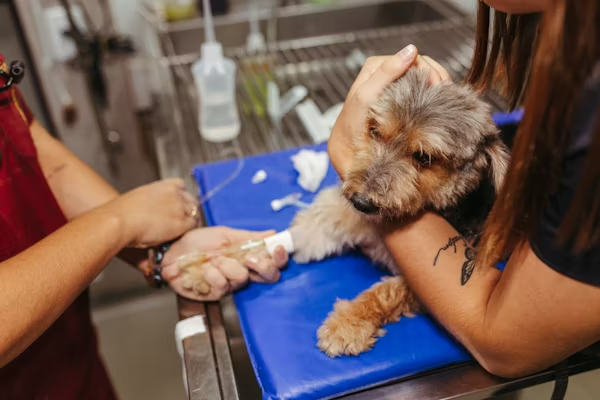
5 Maintenance Mistakes to Avoid
- Getting Complacent With Treats
That “just one” chicken biscuit cost us a 3-week setback. - Skipping Probiotics
Two months off = return of pink paws. Never again. - Overbathing
More than 2x/month with medicated shampoo dried out his skin. - Ignoring Seasonal Changes
Spring = more omega-3s, fall = extra paw wipes. - Stopping Ear Cleanings
Yeast hides deep—we still clean weekly even when he seems fine.
Buddy Today vs. Buddy 2 Years Ago
Then:
- Constant vet visits
- Bald patches from scratching
- Smelly ears needing weekly cleanings
Now:
- 1 annual check-up
- Shiny, full coat
- Only needs ear cleaning monthly
Best Unexpected Benefit: He’s more playful at 8 years old than he was at 5!
Your Top Questions Answered
Q: Can I ever feed my dog’s old food again?
A: Maybe! We successfully reintroduced beef after 3 years—but only as 10% of his diet.
Q: Is this expensive to maintain?
A: Surprisingly no—we spend less now than during the “trial and error” phase.
Q: What about dental health without kibble?
A: Raw marrow bones + daily brushing works better than kibble ever did.
Final Thoughts
If you’d told me two years ago that Buddy would be this comfortable, I wouldn’t have believed you. The journey was frustrating, expensive, and full of dead ends—but completely worth it.
If You’re Just Starting Out:
- Patience is key (it takes 6-8 weeks to see changes)
- Track everything (food, symptoms, environment)
- Don’t be afraid to pivot when something isn’t working
The Unexpected Lessons from Buddy’s Itch-Free Journey
When I started this whole process, I thought fixing Buddy’s itching would just mean finding the right food and calling it a day. Boy, was I wrong. Two years into this journey, I’ve learned some surprising truths that no one tells you about managing dog allergies long-term.
The 5 Things Nobody Warned Me About
1. “Hypoallergenic” Doesn’t Mean What You Think
After spending $87 on a bag of “hypoallergenic” kibble that made Buddy break out in hives, I learned this term isn’t regulated. Some foods marketed this way still contain:
- Chicken fat (a common allergen)
- Pea protein (terrible for yeast)
- Mystery “natural flavors”
What actually worked: Truly limited ingredient foods with only one novel protein (like kangaroo or venison) and no unnecessary additives.
2. Stress Makes Allergies Worse
When we moved last year, Buddy’s itching flared up despite perfect diet compliance. Our new vet explained:
- Cortisol (stress hormone) worsens inflammation
- Anxiety increases histamine production
- Solution: Adaptil diffuser + extra walks worked wonders
3. Water Quality Matters
Our old apartment had hard water full of minerals. Switching to:
- Filtered water for drinking
- Rinsing with bottled water after baths
Reduced Buddy’s skin irritation by about 30%.
4. Allergies Change With Age on Best Dog Food for Itchy Skin
What worked at 5 years old stopped working at 7. We now:
- Re-evaluate his diet every 6 months
- Do occasional “challenge tests” with old foods
- Adjust supplements as needed
5. The Gut-Skin Connection Is Real
After a round of antibiotics for an unrelated infection, Buddy’s itching returned with a vengeance. Repairing his microbiome required:
- 3 months of specialized probiotics
- Bone broth with collagen
- Temporary elimination of all carbs
Our Current Daily Routine (Simplified!)
Morning:
- 1 cup Honest Kitchen fish recipe
- 1 fish oil pump
- Quick paw wipe with chlorhexidine pads
Evening:
- Homemade meal (3x/week) or Purina Pro Plan
- 10-minute belly rub session (reduces stress!)
Weekly:
- Ear cleaning Sundays
- Bath every other week
- Full-body inspection while brushing
The Products That Earned Permanent Spots in Our Cabinet
After testing dozens of products, these are the only ones that delivered consistent results:
| Product | Why We Love It | Cost |
|---|---|---|
| Zymox Ear Solution | Cleared chronic ear gunk | $18 |
| Douxo Chlorhexidine Wipes | Stopped paw licking between baths | $25 |
| Nordic Naturals Omega-3 | Noticeably reduced flaking | $30 |
| Baxter’s Bone Broth | Gut-healing topper | $5/carton |
When to Consider a Veterinary Dermatologist
We finally saw a specialist when:
- Buddy developed blackened skin patches
- His itching persisted despite perfect diet compliance
- We wanted allergy shots for environmental triggers
Was it worth $350? Absolutely. She identified:
- A secondary staph infection needing special meds
- Exactly which trees to avoid on walks
- That Buddy needed a higher omega-3 dose than standard
Your Most-Asked Questions Answered
Q: Can I ever stop being so strict with his diet?
A: Sort of. We’ve relaxed a bit (occasional beef treats), but chicken will always be off-limits.
Q: How do you handle boarding or pet sitters?
A: We:
- Pre-portion all meals/snacks
- Provide a printed instruction sheet
- Do a trial overnight first
Q: Would you do anything differently?
A: Start with an elimination diet sooner instead of wasting money on random “hypoallergenic” foods.
The Most Important Lesson
What started as a mission to stop Buddy’s scratching became something bigger – learning to really understand his unique needs. These days, I can tell from across the room if he’s:
- Itching from Best Dog Food for Itchy Skin (paws + ears)
- Reacting to environment (belly + muzzle)
- Just being a dog (that one spot he can never reach)
The peace of mind knowing I can help him? Priceless.
Final Tip: Take monthly photos of problem areas. When you’re in the thick of it, progress can be hard to see day-to-day.