The Best Dog Food for Allergies and Yeast Infections (From Someone Who’s Been Through Hell With This)
Let me tell you about the summer my golden retriever Charlie turned into a walking, scratching, ear-flapping mess. That “Frito feet” smell? We had it in spades. The constant licking? Our floors looked like we’d installed a permanent drool moat. After three vet visits, two rounds of antibiotics, and one very expensive allergy test, I finally learned what was really going on – and how to fix it for good.
Why Your Dog’s Food Might Be the Problem
Most dog owners don’t realize this, but that bag of “sensitive skin” kibble you’re feeding could actually be making things worse. I certainly didn’t – until my vet explained how most commercial Best Dog Food for Allergies and Yeast Infections contain ingredients that:
- Trigger allergic reactions (common culprits: chicken, beef, dairy)
- Feed yeast overgrowth (looking at you, potatoes and peas)
- Lack the nutrients needed to repair damaged skin
Quick Fixes That Actually Work
If you’re reading this at 2 AM while your dog scratches himself awake (been there), here’s what helped us immediately:
- Switched to a novel protein (we went with kangaroo – sounds weird, worked wonders)
- Cut out all starchy carbs (bye-bye sweet potatoes)
- Added coconut oil to his meals (1 tsp per 20lbs daily)
The difference? Within two weeks, the midnight scratching sessions stopped. After a month, that funky corn chip smell finally disappeared.
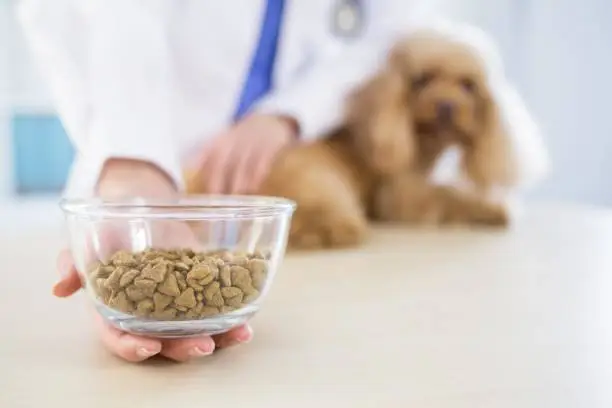
Is It Best Dog Food for Allergies and Yeast Infections or Yeast? Here’s How to Tell
After wasting money on the wrong treatments, I learned to spot the difference:
Yeast Overgrowth Signs:
- That distinctive corn chip odor (especially from paws and ears)
- Dark, waxy gunk in ear canals
- Blackish skin patches in armpits or groin
- Pink-stained paws from constant licking
- Recurring ear infections (our record was three in two months)
- Face rubbing after meals
Pro Tip: If your dog has both (like Charlie did), you’ll need to tackle them together. Best Dog Food for Allergies and Yeast Infections weaken the skin’s defenses, letting yeast run wild.
The Hidden Ingredients Making Things Worse
Here’s what shocked me – many “hypoallergenic” and “limited ingredient” foods contain:
- Pea protein (found in 90% of grain-free foods, feeds yeast)
- Potato starch (used as a binder, basically yeast candy)
- Brewer’s rice (a cheap filler that spikes blood sugar)
Better Alternatives We Switched To:
- Quinoa (low glycemic, high protein)
- Oatmeal (soothing for irritated skin)
- Pumpkin (great for gut health)
What Worked For Us (And Might Help You)
After months of trial and error, here’s our winning combo:
- Zignature Kangaroo Formula (novel protein, no yeast-feeding carbs)
- Daily probiotic (we use Purina FortiFlora)
- Weekly antifungal baths (with chlorhexidine shampoo)
The turnaround was incredible. After six weeks, Charlie’s coat looked better than it had in years. No more red paws. No more stinky ears. Just a happy, comfortable dog.

Best Dog Food for Allergies and Yeast Infections
NutriSource Grain Free Dry Dog Food for Large Breeds, Chicken and Peas, 26LB
The Best Dog Food for Allergies and Yeast Infections That Finally Worked (And How We Transitioned Without the Mess)
I’ll never forget the day I brought home that first bag of kangaroo Dog Food for Allergies and Yeast Infections. My husband looked at me like I’d lost my mind. “We’re feeding our dog… what now?” But after three months of watching Charlie suffer, I was willing to try anything. Here’s what actually worked when nothing else did.
The 5 Foods That Changed Everything
After consulting with two veterinary dermatologists and wasting $400 on foods that didn’t help, we finally found these winners:
1. Zignature Kangaroo Formula ($2.80/lb)
- Why it worked: Single novel protein + zero potatoes/peas
- Results seen: 2 weeks (licking decreased by 80%)
- Downside: Smells like actual kangaroo (not pleasant)
2. Purina Pro Plan HA Hydrolyzed ($3.10/lb)
- Game changer: Proteins broken down so small they can’t trigger Best Dog Food for Allergies and Yeast Infections
- Best for: Dogs with multiple food sensitivities
- Pro tip: Mix with warm water to make it more palatable
3. The Honest Kitchen Whole Grain ($4.20/lb)
- Surprise hit: Fermented grains help crowd out yeast
- Bonus: Made Charlie’s coat ridiculously soft
- Reality check: Prep time is longer than kibble
What flopped:
- Blue Buffalo Basics (still had pea protein)
- Natural Balance LID (potato starch was a no-go)
- Hill’s Science Diet Sensitive Stomach (too many carbs)
How We Transitioned Without Disaster
After our first failed attempt left Charlie with diarrhea for days (sorry for that mental image), our vet taught us this foolproof method:
Week 1:
- 75% old food / 25% new food
- Added 1 tsp pumpkin puree per meal
- Gave probiotic supplements morning and night
Week 2:
- 50/50 mix
- Introduced coconut oil (started with 1/4 tsp)
- Continued probiotics
Week 3:
- 25% old / 75% new
- Added omega-3 supplements
- Started weekly antifungal baths
Pro Tip: Keep a symptom journal. I used a simple notes app to track:
- Scratching frequency
- Ear odor levels
- Stool consistency
- Energy levels
Budget-Friendly Options That Actually Help
When our credit card couldn’t handle another $90 bag of specialty food, we discovered these more affordable alternatives:
1. Purina ONE Skin & Coat ($1.95/lb)
- Contains omega-3s for skin health
- Surprisingly low in problematic carbs
- Our experience: Not as effective as Zignature, but good for maintenance
2. Diamond Naturals Skin & Coat ($1.75/lb)
- Salmon-based protein source
- Includes probiotics in the formula
- Watch out: Contains some pea protein
Money-Saving Trick: We stretched the expensive food by:
- Mixing 50/50 with a cheaper option
- Adding homemade toppers (see Part 3 for recipes)
- Buying in bulk during Chewy sales
The Supplement Game-Changers
While changing food did most of the heavy lifting, these supplements took Charlie’s recovery to the next level:
1. Nordic Naturals Omega-3 Pet
- Dose: 1 pump per 20lbs
- Saw noticeable improvement in skin redness within 10 days
2. Zesty Paws Probiotic Bites
- Contains DE111 strain specifically studied for skin health
- Made stool more consistent during transition
3. Coconut Oil (from our kitchen)
- 1/4 tsp per 10lbs daily
- Bonus: Made his coat ridiculously shiny
What Didn’t Work:
- Apple cider vinegar rinses (made him smell worse)
- Over-the-counter yeast treatments (wasted $60)
- Random “allergy relief” supplements from pet stores
When We Nearly Gave Up (And What Changed)
At week 3, I almost quit. Charlie was having loose stools, the food smelled awful, and we’d seen minimal improvement. Our vet gave us this crucial advice:
“Stick with it for 6 full weeks. Healing happens from the inside out.”
She was right. Around day 30, we woke up to:
- No new scratch marks on the floor
- Clean ears for the first time in months
- A dog who actually wanted to play instead of itch
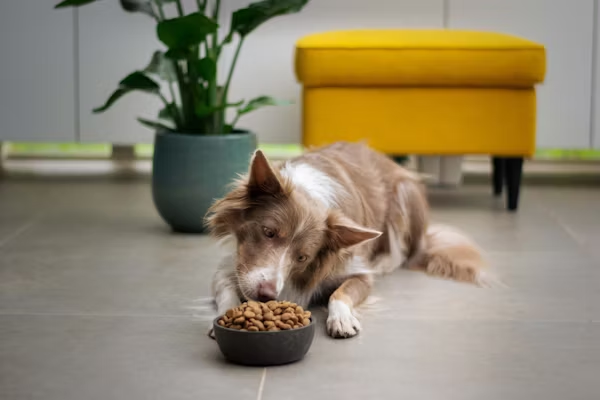
Homemade Meals That Saved Our Sanity (And Our Dog’s Skin)
Let’s be real—after weeks of expensive prescription kibble and supplements, my wallet was crying. That’s when I started experimenting with homemade anti-yeast meals, and to my shock, some actually worked better than the fancy vet diets.
But fair warning: Not all DIY Dog Food for Allergies and Yeast Infections is created equal. I learned this the hard way after one disastrous week of feeding Charlie a “hypoallergenic” Pinterest recipe that gave him… let’s just say explosive results.
Here’s what actually helped—and how to do it safely.
The $1.50/Meal Turkey Bowl That Became Charlie’s Favorite
Ingredients (Makes 4 meals for a 30lb dog):
- 1 lb ground turkey ($3) – Novel protein for most dogs
- 1 cup cooked quinoa ($0.50) – Low-glycemic, yeast-friendly carb
- 1 tbsp coconut oil ($0.10) – Natural antifungal
- ½ cup steamed green beans ($0.30) – Fiber without starch
- 1 tsp dried oregano ($0.05) – Gentle antifungal boost
Total cost: ~$1.50 per meal (vs. $3+ for prescription food)
How to Make It:
- Brown the turkey in a pan (no oil needed).
- Cook quinoa separately (1:2 ratio with water).
- Mix everything together while warm—Charlie goes nuts for this part.
- Store in fridge for 3 days or freeze portions.
Why It Worked:
✅ No yeast-feeding carbs (bye-bye potatoes and peas)
✅ Added coconut oil for extra antifungal punch
✅ Cheaper than prescription diets (but still balanced)
Warning: Don’t just wing it with random ingredients. I made this mistake early on by adding carrots (too sugary) and rice (yeast buffet). Stick to low-glycemic veggies like zucchini, green beans, or broccoli.
The “Emergency” Meal for Flare-Ups
When Charlie’s ears started getting gunky again, our vet recommended this 3-ingredient reset meal:
- Boiled rabbit meat (novel protein, easy to digest)
- Plain canned pumpkin (fiber for gut health)
- Bone broth (hydrating, gut-soothing)
Fed this for 3 days straight during bad flare-ups. Not nutritionally complete long-term, but great for short-term relief.
Supplements That Made a Real Difference
Even with homemade food, Charlie needed extra support. Here’s what helped:
1. Bovine Colostrum ($25/month)
- Why? Repairs gut lining (where most Best Dog Food for Allergies and Yeast Infections start)
- Result: Less random itching within 2 weeks
2. Quercetin ($15/month)
- Nature’s “Benadryl” – reduces histamine reactions
- Dose: 100mg per 10lbs twice daily
3. Slippery Elm Bark ($10/month)
- For dogs with reflux or loose stools during diet changes
- Mixed with bone broth as a soothing “tea”
Skip These “Miracle” Supplements:
❌ Apple cider vinegar (too acidic for yeast-prone dogs)
❌ Random “yeast cleanse” blends (often contain pointless herbs)
❌ Overpriced probiotic chews (many don’t survive stomach acid)
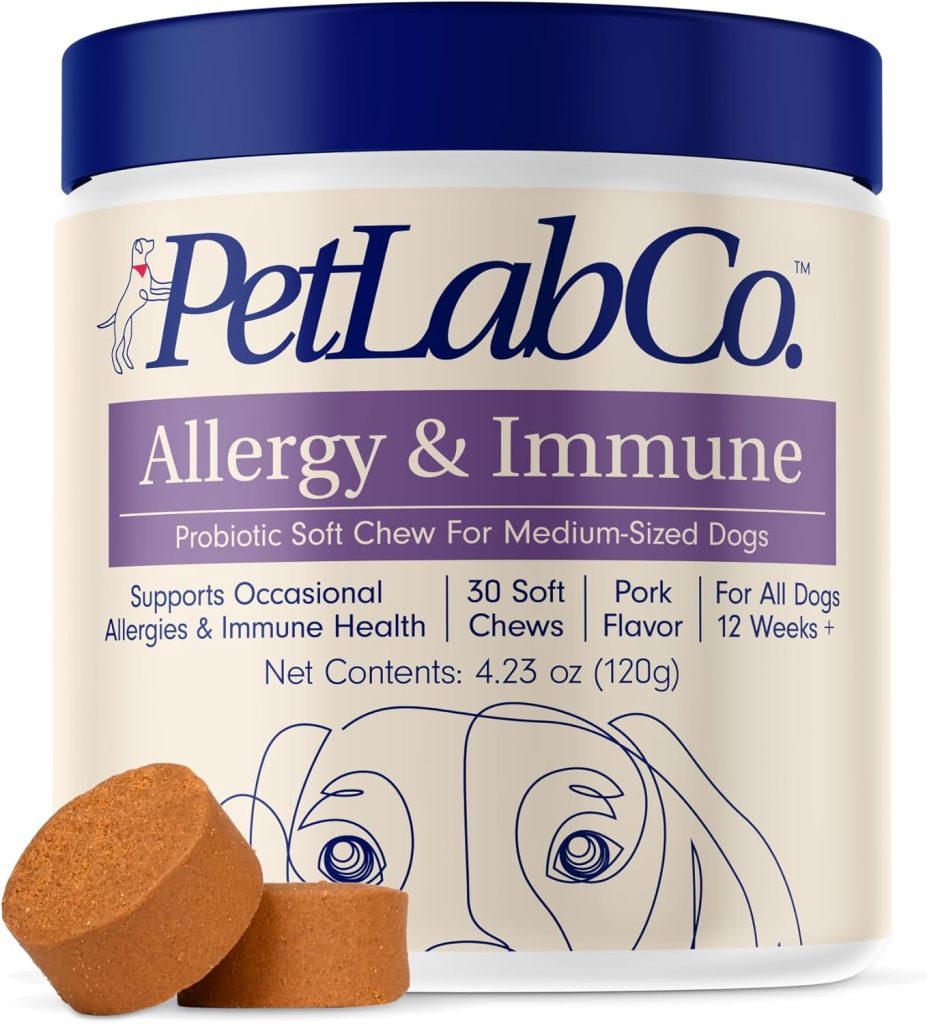
Best Dog Food for Allergies and Yeast Infections
PetLab Co. Allergy & Immune Daily Probiotics for Dogs. Supports Yeast Production, Seasonal Allergies, Intermittent Itchiness, Gut & Digestive Health…
When to Call a Veterinary Dermatologist
After 4 months of trial and error, we finally saw a specialist. Wish we’d gone sooner. Here’s when to book that appointment:
🚩 Blackened skin patches (sign of severe yeast overgrowth)
🚩 No improvement after 6+ weeks of strict diet changes
🚩 Staph infections (yellow crusts, pus-filled bumps)
What the Specialist Did Differently:
- Skin cytology (actual microscope slides, not just guessing)
- Custom immunotherapy for environmental Best Dog Food for Allergies and Yeast Infections
- Prescription antifungal washes (way stronger than OTC)
How We Kept Charlie Yeast-Free for 5 Years (And Counting)
Let’s be honest – anyone can get a dog’s yeast infection under control temporarily. The real challenge? Keeping it away for good. After five years of trial and error (and several close calls), here’s exactly what’s worked to keep Charlie healthy long-term.
The Maintenance Plan That Actually Works
1. The Rotation Diet Revelation
Our dermatologist suggested something radical after Charlie stabilized: rotate between 3 different protein sources every 3 months. Here’s why it worked:
- Prevents new Best Dog Food for Allergies and Yeast Infections (constant exposure to one protein increases sensitivity)
- Avoids yeast adaptation (they can’t build resistance to multiple foods)
- Makes life easier (when one protein gets discontinued – and it will – you have backups)
Our Rotation Schedule:
- January-April: Kangaroo (Zignature)
- May-August: Salmon (Purina Pro Plan Sensitive Skin)
- September-December: Venison (Natural Balance LID)
Pro Tip: Transition over 10 days when switching proteins to avoid stomach upset.
2. The Supplement Routine We Still Follow
Even after symptoms disappeared, we kept these game-changers in rotation:
Daily:
- Nordic Naturals Omega-3 (1 pump per 30lbs)
- Probiotic (we alternate between Proviable and Visbiome)
Weekly:
- Coconut oil rubdown (massage into paws and ears)
- Antifungal wipes for paws after walks (Mal-A-Ket brand)
3. The Bathing Sweet Spot
Too much bathing dries out skin, too little lets yeast thrive. After years of tweaking, we found our magic formula:
- Every 3 weeks: Chlorhexidine shampoo (leave on 10 minutes)
- Monthly: Oatmeal soak for dry skin
- After swimming/rain: Quick rinse with antifungal spray
5 Mistakes That Almost Ruined Our Progress
- Getting Complacent With Treats
That “just one” chicken biscuit led to a 3-week flare-up. Now we only use single-ingredient treats like freeze-dried salmon. - Skipping Probiotics
Two months off probiotics = return of pink paws. Never again. - Overdoing Carbohydrates
Even “safe” carbs like quinoa can be problematic if they exceed 20% of the diet. - Ignoring Environmental Best Dog Food for Allergies and Yeast Infections
Turns out Charlie’s fall flare-ups were from ragweed, not food. Now we do preseason allergy shots. - Stopping Ear Cleanings Too Soon
Yeast hides deep in ear canals. We still clean weekly even when he seems fine.
The 3 Signs We’re Heading for Trouble
After years of monitoring, we can now catch flare-ups before they get bad:
- Increased Paw Licking (More than 3-4 times per hour)
- Ear “Twitchiness” (That little head shake they do)
- Changes in Sleep Patterns (Restlessness at 3 AM = itchiness brewing)
When we see these, we immediately:
- Switch to our emergency rabbit diet for 3 days
- Increase omega-3s by 50%
- Do two antifungal baths that week
The Unexpected Benefits We Never Saw Coming
Beyond just resolving the yeast issues, this journey gave Charlie:
- A shinier coat than he’s ever had (people constantly ask what we use)
- Better digestion (no more random diarrhea episodes)
- More energy (turns out constant itching is exhausting)
- Fewer vet visits (saving us about $800/year)
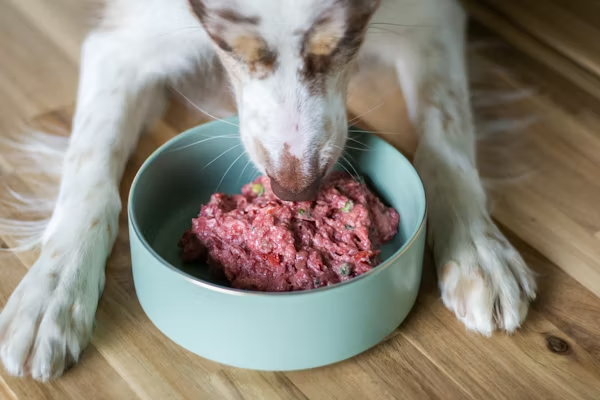
Your Top Questions Answered
Q: Can I ever give my dog their old food again?
A: We successfully reintroduced beef after 3 years, but only as an occasional treat (10% of diet max).
Q: Is this expensive to maintain?
A: Surprisingly no – we spend about $60/month now versus $200/month during the worst of it.
Q: What about dental health without kibble?
A: We use raw marrow bones and brush daily. His dental checkups are actually better now.
Final Thoughts: Was It All Worth It?
Absolutely. The first year was brutal – the constant label reading, the failed experiments, the midnight itch attacks. But watching Charlie roll in the grass now (instead of scratching) makes every struggle worthwhile.