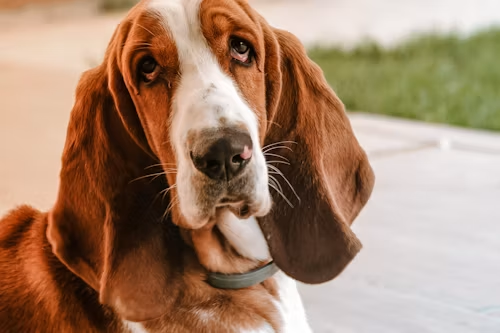
The Basset Hound dog breed is one of the most recognizable and lovable hound breeds in the world. With its long ears, droopy eyes, and short legs, the Basset Hound has a charm that instantly captures attention. But behind that calm and sometimes sleepy appearance lies a highly skilled scent-tracking dog with a deep history in hunting.
Originally bred for endurance and scent detection, the Basset Hound has evolved into a gentle, affectionate companion that fits well into family life. Whether you are a first-time dog owner or an experienced handler, this breed offers a unique combination of loyalty, intelligence, and laid-back personality.
In this guide, we will explore everything about the Basset Hound dog breed, including its history, physical traits, temperament, training needs, health concerns, and ownership costs.
What Is a Basset Hound?
The Basset Hound is a scent hound breed originally developed for tracking small game such as rabbits and hare. The name “Basset” comes from the French word bas, meaning “low,” which perfectly describes their short-legged build.
Origin and Purpose of the Breed
Basset Hounds were bred for one primary purpose: tracking scent trails close to the ground. Their short stature allows them to stay close to scent trails, while their powerful noses help them follow even faint odors over long distances.
Breed Classification
The Basset Hound belongs to the hound group, specifically the scent hound category. These dogs rely more on smell than sight or sound when tracking.
Key Characteristics at a Glance
- Strong sense of smell (second only to Bloodhound)
- Low-to-the-ground body structure
- Long, droopy ears that help trap scent particles
- Calm and friendly temperament
- Persistent and determined when tracking
Why Basset Hounds Are So Popular
Basset Hounds are loved worldwide for their unique combination of appearance and personality.
Reasons for Popularity
- Family-friendly temperament
- Low aggression levels
- Cute and expressive appearance
- Moderate exercise needs
- Adaptability to indoor living
Unlike high-energy working dogs, Basset Hounds are generally relaxed and enjoy a slower pace of life, making them ideal companions for many households.
Overview of the Breed
The Basset Hound is a medium-sized scent hound with a heavy bone structure and loose skin. Despite their short legs, they are strong and surprisingly resilient.
They are best known for:
- Tracking scents for hours without stopping
- A calm indoor personality
- Strong loyalty to their family
However, they can also be stubborn and independent, which makes training a bit challenging for first-time owners.
Who Should Own a Basset Hound?
The Basset Hound is not a high-maintenance dog in terms of exercise, but it does require attention in other areas like training and health care.
Ideal Owners Include:
- Families with children
- Seniors looking for a calm companion
- Apartment dwellers (with proper exercise routine)
- People who enjoy relaxed, low-energy dogs
Not Ideal For:
- Owners seeking highly obedient dogs
- Very active individuals wanting a running partner
- People who dislike regular ear cleaning or drooling
What You’ll Learn in This Guide
This complete guide covers:
- Basset Hound personality and behavior
- Training and obedience techniques
- Health problems and prevention
- Grooming and maintenance needs
- Feeding and nutrition plans
- Puppy care and development
- Cost of ownership
- Adoption vs buying decisions
Basset Hound Breed Overview
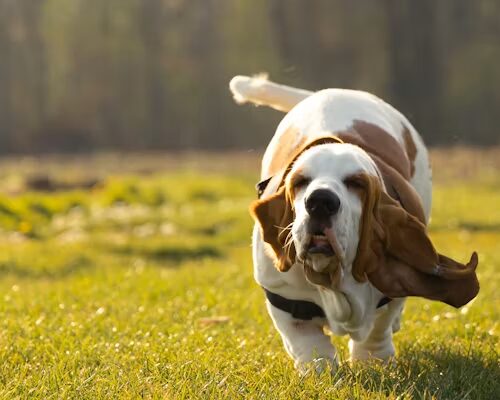
Origin and Purpose of the Breed
The Basset Hound originated in France, where breeders developed a dog capable of tracking small game through dense terrain. Their slow, steady pace made them ideal for hunters on foot.
Later, the breed was refined in England, where it gained popularity among hunters and eventually became recognized worldwide.
Breed Classification
The Basset Hound is classified as:
- Breed Group: Hound Group
- Type: Scent Hound
- Primary Role: Tracking and trailing game
These classifications highlight their natural instinct for scent-based hunting.
Key Characteristics at a Glance
| Feature | Description |
|---|---|
| Temperament | Gentle, friendly, stubborn |
| Energy Level | Low to moderate |
| Intelligence | High scent intelligence |
| Trainability | Moderate (requires patience) |
| Family Suitability | Excellent |
| Grooming Needs | Moderate |
| Exercise Needs | Moderate daily walks |
Basset Hound Quick Facts
Height
Typically 11–15 inches at the shoulder
Weight
40–65 pounds on average
Lifespan
10–13 years
Coat Type
Short, smooth, dense coat
Energy Level
Low to moderate
Trainability
Moderate (independent thinker)
Good With Children?
Yes, very good with children
Good With Other Pets?
Generally yes, if socialized early
Basset Hound Breed History
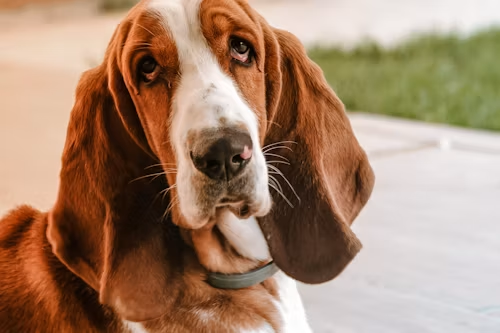
Origins in France
The Basset Hound’s roots trace back to France, where monks bred scent hounds for hunting rabbits and small game. These early dogs were valued for their ability to move slowly and track scents on foot.
Development From St. Hubert Hounds
The breed is believed to descend from the St. Hubert Hound, an ancient tracking dog known for its exceptional nose and endurance.
Over time, breeders selected dogs with shorter legs, creating the distinct low-to-the-ground structure we see today.
Introduction to England
In the 19th century, Basset Hounds were introduced to England, where they quickly gained popularity among hunters and dog enthusiasts. English breeders refined the breed further, improving consistency in appearance and temperament.
Recognition by Kennel Clubs
The breed was later recognized by major kennel organizations, including:
- American Kennel Club (AKC)
- The Kennel Club (UK)
- Fédération Cynologique Internationale (FCI)
This recognition helped standardize the breed globally.
Historical Role as a Hunting Dog
Historically, Basset Hounds were used to:
- Track rabbits
- Follow deer trails
- Assist hunters on foot
- Work in packs for endurance tracking
Their slow pace made them ideal for hunters who followed on foot rather than horseback.
Physical Characteristics of Basset Hounds
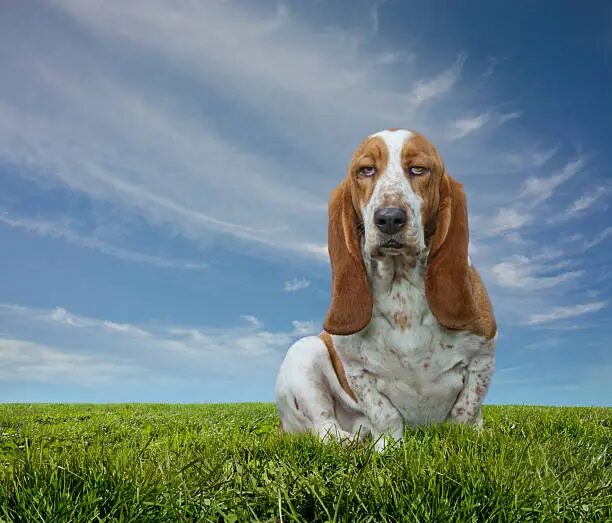
Basset Hound Appearance
The Basset Hound is famous for its unique physical structure, which includes several defining features.
Long Ears
Their extremely long ears are not just decorative—they help sweep scent particles toward the nose.
Droopy Eyes
Their loose skin around the eyes gives them a sad or sleepy expression, but it also helps protect their eyes while tracking.
Short Legs
Their short legs keep them close to the ground, making it easier to pick up scent trails.
Long Body Structure
Their elongated body supports endurance tracking over long distances.
Loose Skin and Wrinkles
Loose skin helps trap scents and enhances their sensory tracking ability.
Basset Hound Size
Male Basset Hound Size
- Height: 12–15 inches
- Weight: 50–65 pounds
Female Basset Hound Size
- Height: 11–14 inches
- Weight: 40–55 pounds
Growth Chart by Age
| Age | Weight Range |
| 2 months | 10–15 lbs |
| 6 months | 30–45 lbs |
| 12 months | 40–60 lbs |
| Adult | 40–65 lbs |
Basset Hound Coat Types
Short Smooth Coat
The Basset Hound has a short, dense coat that is easy to maintain and sheds moderately.
Coat Colors and Patterns
Tricolor Basset Hound
Black, white, and brown combination
Lemon and White Basset Hound
Light cream and white coat
Red and White Basset Hound
Deep reddish tones mixed with white
Mahogany Basset Hound
Darker reddish-brown variation
Basset Hound Eye Color
Common Eye Colors
- Brown
- Dark brown
- Hazel
Eye Care Considerations
Due to their droopy eyelids, Basset Hounds are prone to:
- Eye irritation
- Dryness
- Tear staining
Regular cleaning is important to maintain eye health.
Basset Hound Temperament and Personality
The Basset Hound dog breed is widely known for its calm, affectionate, and easygoing personality. While their appearance may suggest a sleepy or lazy dog, Basset Hounds are actually intelligent scent-driven dogs with strong instincts and a deep emotional bond with their families.
Typical Basset Hound Personality Traits
Basset Hounds have a distinct personality profile that makes them stand out among other hound breeds.
Friendly Nature
Basset Hounds are naturally friendly and enjoy being around people. They are rarely aggressive and tend to get along well with strangers.
Loyal Companion
Once bonded, a Basset Hound becomes extremely loyal and often follows its owner from room to room.
Gentle Temperament
They are calm dogs that rarely show aggression, making them excellent family pets.
Independent Thinking
Due to their hunting background, they often make decisions on their own while tracking scents.
Stubbornness Explained
Their independence can sometimes appear as stubbornness, especially during training sessions where they may ignore commands if they are distracted by scents.
Are Basset Hounds Good Family Dogs?
Yes, Basset Hounds are considered one of the best family-friendly hound breeds due to their gentle and tolerant nature.
Basset Hounds and Children
They are patient with children and can tolerate playful behavior, making them excellent companions for families.
Basset Hounds and Seniors
Their low energy levels make them ideal for older adults looking for a calm companion.
Basset Hounds and Multi-Pet Households
With proper socialization, they usually get along well with other dogs and even cats.
Are Basset Hounds Affectionate?
Basset Hounds are highly affectionate dogs that thrive on companionship.
Bonding With Owners
They form strong emotional bonds and enjoy physical closeness such as cuddling or resting nearby.
Separation Anxiety Tendencies
While generally calm, some Basset Hounds may develop mild separation anxiety if left alone for long periods.
Social Behavior
They prefer being around their family and may become sad or vocal when isolated.
Are Basset Hounds Aggressive?
Basset Hounds are not naturally aggressive dogs.
Temperament Assessment
They are among the most gentle and easygoing hound breeds.
Situations That May Cause Aggression
Aggression is rare but may occur due to:
- Fear or stress
- Lack of socialization
- Resource guarding (food or toys)
How Socialization Helps
Early exposure to people, environments, and other animals helps ensure a well-balanced temperament.
Basset Hound Intelligence and Trainability
Are Basset Hounds Smart?
Yes, Basset Hounds are intelligent dogs, but their intelligence is primarily scent-based rather than obedience-based.
Working Intelligence
They excel at tasks involving tracking and following scents.
Problem-Solving Skills
They can solve basic problems but prefer following instincts over commands.
Scent Intelligence
Their sense of smell is extremely powerful, making them excellent tracking dogs.
Are Basset Hounds Easy to Train?
Training a Basset Hound can be challenging for beginners.
Common Training Challenges
- Strong scent distractions
- Slow response to commands
- Independent decision-making
- Occasional stubbornness
Independent Nature
They were bred to work independently, which can make obedience training slower than other breeds.
Motivation-Based Learning
Food rewards and positive reinforcement are the most effective training tools.
Best Training Methods for Basset Hounds
Positive Reinforcement
Reward-based training works best for this breed.
Treat-Based Training
High-value treats help maintain attention during training sessions.
Clicker Training
Clicker training improves timing and helps reinforce correct behavior.
Consistency and Patience
Short, consistent training sessions are more effective than long, repetitive ones.
House Training a Basset Hound
Potty Training Tips
- Establish a strict routine
- Take them out frequently
- Reward immediately after success
Crate Training Guide
Crate training helps with:
- Housebreaking
- Preventing destructive behavior
- Providing a safe space
Common Housebreaking Mistakes
- Inconsistent schedules
- Delayed rewards
- Lack of supervision
Basset Hound Exercise Needs
How Much Exercise Does a Basset Hound Need?
Despite their calm appearance, Basset Hounds still require regular exercise to stay healthy.
Daily Activity Requirements
They need around 30–60 minutes of daily exercise.
Walking Recommendations
Slow, steady walks are ideal due to their short legs and scent-driven behavior.
Indoor Activities
Indoor play can include:
- Tug-of-war
- Hide-and-seek games
- Puzzle toys
Best Exercises for Basset Hounds
Scent Games
These games allow them to use their natural tracking ability.
Nose Work Activities
Professional scent work training can keep them mentally stimulated.
Puzzle Toys
Food puzzles help reduce boredom and encourage problem-solving.
Leisure Walks
They enjoy long, slow walks where they can explore scents.
Preventing Obesity Through Exercise
Basset Hounds are prone to weight gain, so exercise is essential.
Weight Management Tips
- Regular walks
- Controlled feeding portions
- Limited treats
Signs of Inactivity
- Weight gain
- Low energy
- Reduced mobility
Basset Hound Grooming Guide
Grooming Requirements
Basset Hounds are relatively low-maintenance but require consistent care.
Brushing Schedule
Brush at least 1–2 times per week.
Bathing Frequency
Bathing every 4–6 weeks is usually sufficient.
Shedding Levels
They shed moderately throughout the year.
Do Basset Hounds Shed?
Yes, they do shed, especially during seasonal changes.
Seasonal Shedding
Shedding increases in spring and fall.
Managing Excess Fur
Regular brushing helps control shedding and keeps the coat healthy.
Ear Care for Basset Hounds
Their long ears require special attention.
Why Ear Cleaning Is Important
Long ears trap moisture and dirt, increasing infection risk.
Preventing Ear Infections
- Clean ears weekly
- Dry ears after bathing
- Check for odor or redness
Ear Cleaning Step-by-Step
- Use vet-approved ear cleaner
- Gently wipe outer ear
- Avoid inserting deep objects
Nail Care
How Often to Trim Nails
Every 3–4 weeks is recommended.
Signs Nails Are Too Long
- Clicking on floors
- Difficulty walking
- Visible curling
Dental Care
Tooth Brushing Tips
Brush teeth 2–3 times weekly for best results.
Dental Health Products
- Dental chews
- Vet-approved toothpaste
- Dental toys
Skin and Wrinkle Care
Cleaning Skin Folds
Moisture can build up in folds, causing irritation.
Preventing Skin Infections
- Keep folds dry
- Clean regularly
- Use gentle wipes if needed
Basset Hound Health Issues
Like many purebred dogs, the Basset Hound dog breed is prone to certain health conditions. Understanding these early helps owners provide better long-term care and improve quality of life.
Common Health Problems in Basset Hounds
Hip Dysplasia
A genetic condition where the hip joint does not develop properly, leading to pain or mobility issues.
Elbow Dysplasia
A similar joint issue affecting the front legs, common in medium-to-large breeds.
Intervertebral Disc Disease (IVDD)
Because of their long bodies, Basset Hounds are at higher risk of spinal disc problems.
Ear Infections
Their long, floppy ears trap moisture and bacteria easily.
Obesity
One of the most common issues due to their love of food and low activity levels.
Glaucoma
An eye condition that can lead to vision loss if untreated.
Entropion
A condition where eyelids roll inward, causing irritation.
Gastric Dilatation-Volvulus (Bloat)
Though less common, deep-chested breeds like Bassets can still be at risk.
Signs of Health Problems
Owners should watch for:
- Limping or stiffness
- Excessive scratching or ear odor
- Sudden weight gain
- Loss of appetite
- Eye redness or cloudiness
- Unusual fatigue
Early detection is key to effective treatment.
Preventive Healthcare
Vaccinations
Keep vaccinations up to date to prevent serious diseases.
Routine Vet Checkups
At least one full veterinary exam per year is recommended.
Parasite Prevention
Protection against fleas, ticks, and heartworms is essential.
Pet Insurance for Basset Hounds
Is Pet Insurance Worth It?
Yes, especially for this breed. Due to their predisposition to joint, ear, and eye issues, pet insurance can significantly reduce long-term veterinary costs.
Feeding and Nutrition
Proper nutrition plays a major role in maintaining the health of a Basset Hound dog breed.
Best Food for Basset Hounds
A balanced diet should include:
- High-quality animal protein
- Healthy fats
- Fiber for digestion
- Essential vitamins and minerals
Nutritional Requirements
Protein Needs
Moderate protein levels help maintain muscle without excessive weight gain.
Healthy Fat Levels
Supports skin, coat, and joint health.
Feeding Guide by Age
Puppy Feeding Schedule
- 3–4 meals per day
- High-calorie puppy formula
- Controlled portions
Adult Feeding Schedule
- 2 meals per day
- Balanced maintenance diet
- Portion control is crucial
Senior Basset Hound Diet
- Lower calories
- Joint-support supplements
- Easily digestible food
Foods Basset Hounds Should Avoid
Toxic Foods
- Chocolate
- Grapes
- Raisins
- Onions
- Garlic
Human Foods to Avoid
- Fatty leftovers
- Processed snacks
- Sugary foods
Weight Management
Because Basset Hounds gain weight easily, owners must stay careful.
Preventing Obesity
- Daily walks
- Controlled feeding
- Limited treats
Healthy Treat Options
- Carrots
- Apple slices (no seeds)
- Vet-approved low-calorie treats
Living With a Basset Hound
Are Basset Hounds Good Apartment Dogs?
Yes, they adapt well to apartments due to their calm indoor behavior.
Apartment Living Pros and Cons
Pros:
- Low energy indoors
- Quiet personality
- Small exercise needs
Cons:
- Can be vocal at times
- Needs daily walks
- May gain weight easily
Do Basset Hounds Bark a Lot?
They are not excessive barkers, but they are known for their distinct baying sound.
Barking vs Baying
- Barking = alert communication
- Baying = long, deep howl used in tracking
Managing Excessive Vocalization
- Training
- Mental stimulation
- Avoid boredom
Can Basset Hounds Be Left Alone?
They tolerate alone time better than some breeds but still prefer companionship.
Alone Time Recommendations
- Maximum 4–6 hours
- Provide toys and stimulation
Preventing Separation Anxiety
- Gradual alone-time training
- Interactive toys
- Consistent routine
Traveling With a Basset Hound
Car Travel Tips
- Use secure crate or harness
- Take breaks every 2–3 hours
- Keep them cool and hydrated
Vacation Planning
- Choose pet-friendly accommodations
- Bring familiar bedding and food
- Plan exercise breaks
Basset Hound Puppies
What to Expect From a Basset Hound Puppy
Basset puppies are playful, curious, and sometimes mischievous.
Puppy Development Stages
- 0–3 months: Social learning
- 3–6 months: Teething phase
- 6–12 months: Increased independence
Basset Hound Puppy Training
Basic Commands
Start with:
- Sit
- Stay
- Come
- Leave it
Potty Training
Consistency is key for success.
Leash Training
Begin early to prevent pulling habits.
Puppy Care Checklist
Essential Supplies
- Crate
- Food bowls
- Chew toys
- Collar & leash
First Veterinary Visit
Should include:
- Vaccinations
- Deworming
- Health screening
How Fast Do Basset Hound Puppies Grow?
Growth Milestones
- Rapid growth in first 6 months
- Slower development after 1 year
Weight Chart
| Age | Weight Range |
|---|---|
| 8 weeks | 10–15 lbs |
| 4 months | 20–35 lbs |
| 8 months | 35–50 lbs |
| Adult | 40–65 lbs |
Basset Hound Cost and Ownership
How Much Does a Basset Hound Cost?
Puppy Purchase Price
Typically ranges depending on breeder quality and location.
Adoption Costs
Lower than breeders and often include vaccinations.
Breeder Pricing Factors
- Pedigree
- Health testing
- Location
Monthly Ownership Costs
Food Expenses
Moderate due to size and diet needs.
Veterinary Costs
Higher in older dogs due to joint and ear issues.
Grooming Costs
Relatively low.
Supplies and Accessories
Includes toys, bedding, and collars.
Lifetime Cost of Owning a Basset Hound
Overall lifetime cost includes:
- Food
- Vet care
- Training
- Preventive care
Basset Hound Adoption vs Buying
Should You Adopt or Buy?
Both options have advantages depending on your situation.
Benefits of Adoption
- Saves a life
- Lower cost
- Adult temperament known
Benefits of Buying From a Breeder
- Predictable lineage
- Health screening
- Puppy socialization history
Finding Reputable Basset Hound Breeders
Questions to Ask Breeders
- Health certifications
- Parent temperament
- Vaccination records
Red Flags to Avoid
- No health testing
- Poor living conditions
- Unwillingness to show parents
Basset Hound Rescue Organizations
Many breed-specific rescues help rehome Basset Hounds in need of families.
Basset Hound Breed Comparisons
Basset Hound vs Beagle
| Feature | Basset Hound | Beagle |
| Energy | Low | High |
| Size | Larger | Smaller |
| Barking | Moderate | Frequent |
Basset Hound vs Bloodhound
Bloodhounds are larger and more intense trackers, while Bassets are calmer and more family-oriented.
Basset Hound vs Dachshund
Dachshunds are more energetic and small, while Bassets are heavier and more laid-back.
Basset Hound vs Cocker Spaniel
Cocker Spaniels require more grooming and activity compared to Basset Hounds.
Fun Facts About Basset Hounds
- Their ears help “trap” scent particles
- They have one of the strongest noses in the dog world
- Famous in cartoons and advertisements
- They were originally hunting dogs, not pets
- Their sad eyes are due to loose skin structure
Pros and Cons of Owning a Basset Hound
Advantages
- Friendly personality
- Great family dog
- Moderate exercise needs
- Unique appearance
- Loyal companion
Disadvantages
- Stubborn during training
- Prone to obesity
- Requires ear maintenance
- Can drool heavily
- Some health risks
Frequently Asked Questions (FAQ)
Are Basset Hounds Good Family Dogs?
Yes, they are gentle, patient, and excellent with children.
Are Basset Hounds High Maintenance?
Moderate maintenance due to grooming and health care needs.
Do Basset Hounds Shed a Lot?
Yes, moderate shedding occurs year-round.
How Long Do Basset Hounds Live?
Typically 10–13 years.
Are Basset Hounds Good With Cats?
Yes, if socialized early.
Do Basset Hounds Bark Frequently?
They bay more than bark, especially when excited.
Are Basset Hounds Easy to Train?
They are intelligent but stubborn.
Can Basset Hounds Swim?
Not naturally strong swimmers due to body structure.
How Much Exercise Do Basset Hounds Need?
Around 30–60 minutes daily.
What Is the Average Cost of a Basset Hound?
Varies by breeder or adoption source.
Conclusion
The Basset Hound dog breed is a gentle, affectionate, and uniquely charming companion. While they may require patience in training and consistent care for their ears and weight, they reward owners with loyalty and love.