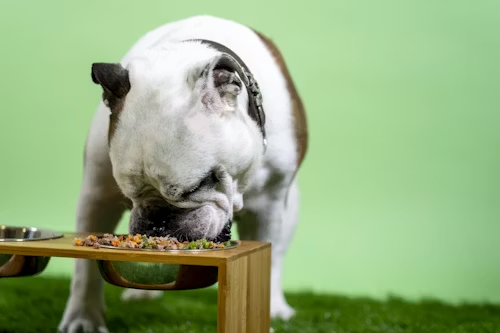
Why Choosing the Best Dog Food Matters
Choosing the best dog food is not just a shopping decision—it directly affects your dog’s health, happiness, and lifespan. Just like humans, dogs need a balanced diet to stay active, strong, and disease-free.
Proper nutrition plays a major role in:
- Energy levels and activity
- Coat shine and skin health
- Bone strength and joint support
- Brain function and behavior
- Immune system strength
- Digestion and gut health
A poor diet can lead to issues such as obesity, allergies, dull coat, digestive problems, and even chronic diseases over time.
Why It’s Confusing to Choose Dog Food Today
Walk into any pet store or browse online, and you’ll find hundreds of brands claiming to be “the best.” Terms like grain-free, organic, premium, holistic, and vet-approved can make things even more confusing.
Many pet owners end up asking:
“Which dog food is actually healthy and safe?”
This guide is designed to remove that confusion and help you choose based on science, nutrition, and real veterinary guidance, not marketing hype.
2. What Makes the Best Dog Food? (Key Evaluation Factors)
Not all dog foods are created equal. The best dog food should meet specific nutritional standards and be suited to your dog’s life stage and lifestyle.
1. Complete and Balanced Nutrition
A high-quality dog food should meet standards set by recognized authorities like:
This ensures the food provides:
If a food is labeled “complete and balanced,” it means it meets basic nutritional requirements.
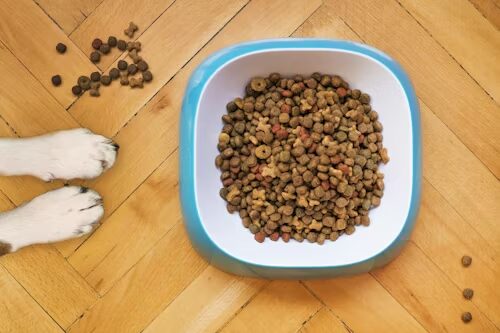
2. High-Quality Protein Sources
Protein is the foundation of canine nutrition. Dogs need animal-based protein for muscle development and energy.
Best sources include:
Look for foods where the first ingredient is a named meat, not vague terms like “meat meal.”
3. Healthy Fats (Omega-3 & Omega-6)
Healthy fats support:
- Skin hydration
- Shiny coat
- Brain development
Sources include:
- Fish oil
- Chicken fat
- Flaxseed
4. Digestible Carbohydrates
Carbohydrates provide energy and fiber for digestion.
Good sources:
- Brown rice
- Oats
- Sweet potatoes
These are easier on a dog’s stomach compared to cheap fillers.
5. Avoiding Harmful Fillers and Additives
Low-quality dog foods often contain:
- Artificial colors
- Chemical preservatives
- Meat by-products
- Excess corn, wheat, or soy
These ingredients may reduce nutritional value and cause allergies in some dogs.
6. Life-Stage Specific Nutrition
Dogs have different needs at different ages:
| Life Stage | Key Nutritional Needs |
|---|---|
| Puppy | High protein, DHA for brain growth |
| Adult | Balanced nutrition, weight control |
| Senior | Joint support, lower calories |
3. Types of Dog Food Explained (Most Important SEO Section)
Understanding the types of dog food is essential before choosing the best option for your pet.
3.1 Dry Dog Food (Kibble)
Dry food is the most common type of dog food worldwide.
Benefits:
- Affordable and widely available
- Easy to store
- Helps reduce tartar buildup on teeth
- Convenient for daily feeding
Drawbacks:
- Low moisture content
- Highly processed compared to fresh foods
- May contain more fillers in low-quality brands
3.2 Wet Dog Food (Canned Food)
Wet food contains higher moisture levels and is often more flavorful.
Benefits:
- Excellent hydration support
- Great for picky eaters
- Softer texture (good for senior dogs)
Drawbacks:
- More expensive
- Short shelf life after opening
- Can contribute to dental plaque if used alone
3.3 Raw Dog Food Diet
Raw feeding includes uncooked meat, bones, and organs.
Benefits:
- High protein bioavailability
- Closer to natural ancestral diet
- May improve coat condition
Risks:
- Bacterial contamination (Salmonella, E. coli)
- Requires careful handling
- Nutritional imbalance if not planned properly
Veterinarians often recommend caution and supervision when using raw diets.
3.4 Fresh (Human-Grade) Dog Food
Fresh dog food is lightly cooked and often delivered via subscription services.
Benefits:
- High-quality ingredients
- Better nutrient retention
- Easier digestion
Drawbacks:
- Expensive
- Requires refrigeration
- Limited availability in some regions
3.5 Freeze-Dried Dog Food
Freeze-dried food removes moisture while preserving nutrients.
Benefits:
- Long shelf life
- Lightweight and portable
- Retains raw nutrition benefits
Drawbacks:
- Needs water before feeding
- Higher cost than kibble
4. Best Dog Food Ingredients to Look For
Reading labels is one of the most important skills for pet owners.
Key Ingredients to Look For:
- Named animal protein first (chicken, lamb, salmon)
- Whole grains (if included)
- Healthy fats (fish oil, flaxseed)
- Fruits & vegetables (blueberries, carrots, spinach)
- Probiotics for gut health
- Glucosamine & chondroitin for joints

Whole Grains vs Grain-Free Debate
There is ongoing discussion about grain-free diets.
- Whole grains can support digestion and energy
- Grain-free diets are sometimes used for allergies
Important insight: Grain-free is not automatically healthier for all dogs.
For expert veterinary guidance, you can explore:
5. Ingredients to Avoid in Dog Food
Just as important as what to include is what to avoid.
Harmful or Low-Quality Ingredients:
- Meat by-products (unclear sources)
- Artificial preservatives like BHA, BHT, ethoxyquin
- Excess corn, soy, wheat fillers
- Artificial colors and flavors
- Sugary additives or corn syrup
6. Best Dog Food by Life Stage
Dogs have completely different nutritional needs depending on their age. Feeding the wrong type of food at the wrong stage can lead to growth issues, obesity, or weak immunity.
6.1 Best Dog Food for Puppies
Puppies grow rapidly, which means they need high-energy, nutrient-dense food.
Key Nutritional Needs:
- High protein for muscle development
- Extra calories for growth
- DHA for brain and eye development
- Calcium & phosphorus for strong bones
What to Look For:
- “Puppy formula” or “growth formula”
- Chicken, lamb, or salmon as first ingredient
- Added DHA (often from fish oil)
Avoid:
- Adult dog food (not calorie-rich enough)
- Low-protein filler-heavy diets
6.2 Best Dog Food for Adult Dogs
Adult dogs need maintenance nutrition—not too high in calories, not too low.
Key Needs:
- Balanced protein and fat
- Stable energy levels
- Weight management support
Ideal Features:
- “Adult maintenance formula”
- Moderate fat content
- Fiber for digestion
Watch Out For:
- Overfeeding (most common issue in adult dogs)
- High-carb foods leading to weight gain
6.3 Best Dog Food for Senior Dogs
Senior dogs (usually 7+ years) need food that supports aging joints and digestion.
Key Nutritional Needs:
- Lower calories to prevent obesity
- Joint support (glucosamine, chondroitin)
- Easily digestible ingredients
Best Features:
- Soft kibble or wet food options
- Added fiber for digestion
- Omega-3 fatty acids for inflammation
7. Best Dog Food by Dog Size
Dog size significantly affects metabolism and nutritional requirements.
Small Breed Dog Food
Small dogs burn energy faster and need more calorie-dense food.
Features:
- Small kibble size
- High calorie per bite
- Protein-rich formula
Example Breeds:
Chihuahua, Pomeranian, Toy Poodle
Medium Breed Dog Food
Medium dogs need a balanced diet without extremes.
Features:
- Balanced protein and fat
- Moderate kibble size
- General maintenance nutrition
Example Breeds:
Beagle, Cocker Spaniel, Border Collie
Large Breed Dog Food
Large breeds require controlled growth and joint protection.
Features:
- Controlled calcium levels (prevents bone issues)
- Joint support supplements
- Lower fat to avoid obesity
Example Breeds:
German Shepherd, Labrador Retriever, Rottweiler
8. Best Dog Food for Special Dietary Needs
Some dogs require special nutrition plans due to allergies, weight issues, or activity level.
Sensitive Stomach Dog Food
Dogs with digestive issues need gentle ingredients.
Best Ingredients:
- Rice
- Pumpkin
- Chicken or turkey
- Probiotics
Avoid:
- Artificial additives
- Heavy fats
- Unknown meat sources
Grain-Free vs Grain-Inclusive Diets
This is one of the most debated topics in pet nutrition.
Grain-Inclusive Diet:
- Includes rice, oats, barley
- Provides steady energy
- Often more scientifically balanced
Grain-Free Diet:
- Uses potatoes, peas, lentils
- Often chosen for allergies
Hypoallergenic Dog Food
Designed for dogs with food allergies.
Features:
- Limited ingredient formulas
- Novel proteins (duck, venison)
- No artificial additives
Weight Management Dog Food
For overweight or less active dogs.
Features:
- Low-calorie formula
- High fiber content
- Lean protein sources
High-Protein Dog Food for Active Dogs
Best for working dogs or very energetic breeds.
Features:
- Higher protein levels
- Increased fat for energy
- Muscle recovery nutrients
9. Wet vs Dry Dog Food: Which is Better?
Both wet and dry food have benefits. The right choice depends on your dog’s needs.
Wet Dog Food
Advantages:
- High moisture content
- Great for hydration
- Very tasty for picky eaters
Disadvantages:
- Expensive
- Short shelf life
- Can contribute to dental plaque
Dry Dog Food (Kibble)
Advantages:
- Affordable
- Easy to store
- Helps reduce tartar buildup
Disadvantages:
- Low moisture
- Highly processed in some brands
Comparison Table
| Feature | Wet Food | Dry Food |
|---|---|---|
| Hydration | High | Low |
| Cost | Higher | Lower |
| Convenience | Medium | High |
| Dental Benefits | Low | Moderate |
Best Practice:
Many pet owners use a mixed feeding approach (wet + dry) for balance.
10. Grain-Free Dog Food: Is It Really Better?
Grain-free dog food has become extremely popular—but it’s not always necessary.
Why Grain-Free Became Popular
- Marketing trends
- Belief that grains cause allergies
- “Natural diet” assumptions
Possible Concerns
Some studies suggest a possible link between certain grain-free diets and heart-related conditions (DCM) in dogs when poorly formulated.
When Grain-Free Is Useful:
- Confirmed grain allergies (rare in dogs)
- Veterinary recommendation
- Specific digestive sensitivity
Key Insight:
Grain-free is not automatically healthier—balance matters more than trends.
For more veterinary insights, see:
11. How to Choose the Best Dog Food for Your Dog
Choosing the right food is about understanding your dog’s individual needs.
Key Factors to Consider:
1. Age
- Puppy → growth formula
- Adult → maintenance formula
- Senior → joint support formula
2. Breed & Size
- Small dogs need calorie-dense food
- Large dogs need joint protection
3. Activity Level
- Active dogs need more protein and fat
- Less active dogs need weight control formulas
4. Check Ingredient Labels Properly
Always look for:
- Named meat first
- Clear ingredient list
- No artificial additives
5. Look for AAFCO Approval
Ensures nutritional completeness and safety standards.
12. Vet-Recommended Dog Food Brands (Overview Section)
When veterinarians recommend dog food, they usually prioritize nutrition science, quality control, and long-term health studies over marketing or popularity.
What Veterinarians Look For
Veterinarians typically prefer brands that:
- Follow AAFCO nutritional standards
- Conduct feeding trials (not just lab formulation)
- Use consistent quality control
- Employ veterinary nutritionists
- Have long-term safety research
You can learn more about global pet nutrition standards here:
Commonly Recommended Types of Brands
Instead of focusing only on “popular brands,” vets usually recommend research-backed formulas such as:
- Prescription diet lines (for medical conditions)
- Large science-based pet nutrition companies
- Life-stage specific formulas (puppy, adult, senior)
The key takeaway is not the brand name—it’s nutritional reliability and safety testing.
13. Homemade Dog Food: Is It Safe?
Many pet owners consider homemade diets because they believe it is more natural. While this can be true, it is also very easy to get wrong.
Advantages of Homemade Dog Food
- Full control over ingredients
- No artificial additives
- Fresh, real food preparation
- Useful for dogs with allergies (if properly designed)
Disadvantages and Risks
- Very hard to balance nutrients correctly
- Risk of vitamin/mineral deficiencies
- Time-consuming preparation
- Can become expensive
Important Reality Check
A homemade diet must include:
- Correct calcium-to-phosphorus ratio
- Proper protein levels
- Essential vitamins and minerals
Without guidance, it can lead to serious long-term health problems.
Veterinary consultation is strongly recommended before switching.
14. Common Dog Food Myths Debunked
There is a lot of misinformation in the pet food industry. Let’s clear up some of the most common myths.
Myth 1: “Grain-free is always healthier”
Reality:
Grains are not harmful for most dogs. Many dogs digest grains perfectly well, and grain-free diets are not automatically superior.
Myth 2: “Dry food cleans teeth completely”
Reality:
Kibble may slightly reduce plaque, but it does not replace proper dental care like brushing or dental chews.
Myth 3: “Expensive dog food is always better”
Reality:
Price does not guarantee quality. Some mid-range foods are nutritionally excellent, while some expensive brands rely heavily on marketing.
Myth 4: “All dogs should eat raw diets”
Reality:
Raw diets can be risky due to bacterial contamination and are not necessary for most dogs.
15. Feeding Guidelines and Portion Control
Even the best dog food can cause problems if portion sizes are wrong.
How Much to Feed Your Dog
Feeding amounts depend on:
- Weight
- Age
- Activity level
- Metabolism
Most commercial foods include feeding charts, but they should be adjusted based on your dog’s condition.
General Feeding Guide (Example)
| Dog Weight | Daily Food Amount |
|---|---|
| 5–10 kg | ½ – 1 cup |
| 10–25 kg | 1 – 2.5 cups |
| 25–40 kg | 2.5 – 4 cups |
| 40+ kg | 4+ cups |
(Values vary by brand and calorie density)
Avoid Overfeeding
Overfeeding can lead to:
- Obesity
- Joint strain
- Diabetes risk
- Reduced lifespan
Tip:
Always monitor your dog’s body condition score (BCS) instead of relying only on weight.
16. Transitioning Your Dog to a New Food
Switching dog food suddenly can upset digestion. A gradual transition is always safer.
7-Day Transition Plan
| Days | Old Food | New Food |
|---|---|---|
| 1–2 | 75% | 25% |
| 3–4 | 50% | 50% |
| 5–6 | 25% | 75% |
| 7+ | 0% | 100% |
Signs of Food Intolerance
Watch for:
- Vomiting
- Diarrhea
- Excessive gas
- Itchy skin
- Loss of appetite
When to Consult a Vet
If symptoms persist more than 2–3 days, stop the new food and consult a veterinarian.
17. Cost of Dog Food: Budget vs Premium Options
Dog food pricing varies widely, but higher price does not always mean better nutrition.
Budget Dog Food
- Affordable
- Widely available
- May contain more fillers
Premium Dog Food
- Higher-quality ingredients
- Better digestibility
- Often includes supplements
Monthly Cost Comparison
| Type | Estimated Cost | Quality Level |
|---|---|---|
| Budget kibble | Low | Basic |
| Mid-range food | Moderate | Balanced |
| Premium fresh/raw | High | Advanced |
Long-Term Insight
Good nutrition can reduce:
- Vet bills
- Allergies
- Chronic diseases
So higher-quality food may actually save money long-term.
18. Best Dog Food Storage and Safety Tips
Proper storage keeps food fresh and safe for your dog.
Dry Food Storage Tips
- Store in airtight containers
- Keep in cool, dry place
- Avoid sunlight exposure
Wet Food Storage Tips
- Refrigerate after opening
- Use within 2–3 days
- Do not leave open cans out
Raw Food Safety
- Handle like raw meat
- Wash hands thoroughly
- Avoid cross-contamination
19. Frequently Asked Questions (SEO Boost Section)
What is the healthiest dog food?
The healthiest dog food is one that is complete, balanced, and suited to your dog’s life stage, with high-quality protein and minimal fillers.
Is grain-free dog food safe?
Yes, but only when properly formulated. It is not necessary for all dogs and should be used based on individual dietary needs or vet advice.
How often should I feed my dog?
- Puppies: 3–4 times daily
- Adults: 2 times daily
- Seniors: 2 smaller meals (sometimes more if needed)
Can I mix wet and dry dog food?
Yes. Mixing can improve:
- Taste
- Hydration
- Nutritional variety
What is the best dog food brand overall?
There is no single “best” brand. The best choice depends on:
- Your dog’s age
- Health condition
- Activity level
- Ingredient quality
20. Conclusion: Final Verdict on the Best Dog Food
There is no universal “best dog food” for every dog. Each dog has unique nutritional needs based on age, breed, size, health, and activity level.