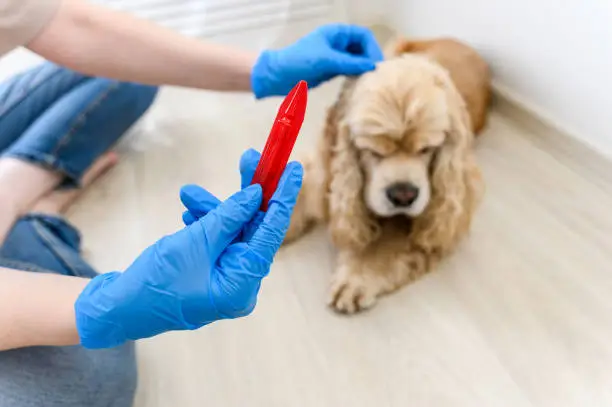
Blood in a dog’s urine, also known as hematuria, is a serious sign that should never be ignored. If you notice blood in your dog’s urine, it could range from mild to severe, depending on the underlying cause. Whether it’s a simple infection or something more serious like cancer, identifying the cause early on is crucial for your dog’s health and well-being.
This article will explore the causes, symptoms, diagnosis, and treatment options for blood in dog urine, helping you understand why your dog might be experiencing this troubling symptom. Remember, while it may seem alarming, timely veterinary care can significantly improve your dog’s chances of recovery.
2. What Does Blood in Dog Urine Look Like?
There are two primary forms of hematuria: gross (visible) and microscopic.
Visible Blood (Gross Hematuria)
- When blood is visible in the urine, the color typically appears pink, red, or even brown.
- This is the most noticeable form of hematuria, and pet owners will usually see it as a discoloration in their dog’s urine. It’s important to note that the blood may not always be fresh and could have been there for some time.
Microscopic Hematuria
- In some cases, blood may be present in the urine but is not visible to the naked eye. This type of hematuria can only be detected through a urinalysis, which is a test that checks for blood cells in the urine.
- Microscopic hematuria can sometimes indicate early-stage infections or mild urinary tract issues that have not yet manifested in noticeable symptoms.
Urine Colors Associated with Blood
- Pink or Red Urine: This is the most common color associated with hematuria. It may indicate fresh blood in the urinary tract.
- Brown or Cola-Colored Urine: This can be a sign of older blood that has been broken down. The blood might be originating from deeper within the urinary system, such as the kidneys.
If you notice any changes in your dog’s urine color, it’s important to consult a veterinarian for a thorough examination.
3. Medical Term: Hematuria in Dogs
What Is Hematuria?
Hematuria is the medical term for the presence of blood in a dog’s urine. It’s a sign that something is wrong in the urinary tract system. Hematuria itself is not a disease but a symptom of an underlying condition. It is important to understand that hematuria can stem from a variety of causes, ranging from simple infections to more serious conditions like cancer.
Gross vs. Microscopic Hematuria
- Gross Hematuria: Refers to visible blood in the urine. The blood can be seen with the naked eye and is often pink, red, or brown in color.
- Microscopic Hematuria: Blood that is not visible without a microscope. This type of hematuria is detected during a urinalysis and might be present even if your dog appears healthy. Microscopic hematuria is often an early warning sign of issues that require medical attention.
Both types of hematuria should be taken seriously, but microscopic hematuria often indicates an issue that is in the early stages and may be easier to treat if caught promptly.
4. Common Causes of Blood in Dog Urine
4.1. Urinary Tract Infections (UTIs)
One of the most common causes of blood in a dog’s urine is a urinary tract infection (UTI). UTIs occur when bacteria enter the urinary tract, leading to inflammation and bleeding. Infections can affect any part of the urinary system, including the bladder, kidneys, urethra, or ureters.
Why UTIs Happen
UTIs are more common in female dogs due to their shorter urethras. However, they can affect dogs of all breeds and ages. A UTI can lead to painful urination, frequent urination, and in some cases, blood in the urine.
Symptoms of a UTI include:
- Increased frequency of urination
- Straining to urinate
- Blood-tinged urine
- Licking the genital area frequently
A veterinarian will typically prescribe antibiotics to treat the infection, and your dog will usually recover with the proper treatment.
4.2. Bladder and Kidney Stones
Bladder and kidney stones are another common cause of blood in dog urine. Stones form when minerals in the urine crystalize and create solid masses. These stones can irritate the lining of the urinary tract, causing inflammation, bleeding, and even blockages in the urinary system.
Bladder vs. Kidney Stones
- Bladder Stones: Often caused by urinary tract infections or certain dietary factors. They may irritate the bladder lining, leading to hematuria.
- Kidney Stones: These stones form in the kidneys and can cause bleeding when they move or when they irritate the kidney tissue.
Symptoms of bladder and kidney stones include:
- Blood in the urine
- Straining to urinate
- Painful urination
- Difficulty urinating
In some cases, surgery or a special diet may be required to remove or dissolve the stones.
4.3. Prostate Problems in Male Dogs
Prostate problems, such as benign prostatic hyperplasia (BPH) or prostate infection, can cause blood to appear in the urine of male dogs. The prostate gland, located near the bladder, can become enlarged or infected, leading to bleeding.
Prostate Enlargement or Infection
In male dogs that are not neutered, the prostate is especially prone to enlargement as they age. This can lead to difficulty urinating and blood in the urine. Neutering may help prevent prostate issues.
Symptoms of prostate problems include:
- Blood in the urine
- Difficulty urinating
- Painful urination
- Swollen abdomen
Veterinarians may recommend anti-inflammatory medications, antibiotics, or in some cases, surgery to treat prostate conditions.
4.4. Cancer and Tumors
Unfortunately, blood in the urine can also be a sign of cancer or tumors in the bladder, kidneys, or urinary tract. Bladder cancer (such as transitional cell carcinoma) is the most common type of urinary cancer in dogs, and it often leads to hematuria.
Cancer and Age
Older dogs are more likely to develop cancer in the urinary system. If your dog is elderly and showing signs of blood in the urine, cancer should be considered as a possible cause.
Symptoms of cancer-related hematuria include:
- Blood in the urine
- Difficulty urinating
- Lethargy or weight loss
- Painful urination
Treatment for urinary tract cancer may involve surgery, chemotherapy, or radiation, depending on the type and stage of cancer.
4.5. Trauma or Injury
Trauma to the urinary tract, such as being hit by a car or suffering a fall, can lead to internal bleeding in the kidneys, bladder, or urethra, causing blood to appear in the urine. Dogs who have been in accidents or physical altercations may experience this form of hematuria.
Symptoms of trauma-related hematuria include:
- Blood in the urine
- Pain or sensitivity in the abdomen or lower back
- Limping or difficulty moving
- Signs of external injury
Immediate veterinary care is necessary in these cases to address both the trauma and the internal bleeding.

Blood Glucose Monitoring Kit for Diabetic
AlphaTrak 3, 8 Piece Pet Blood Glucose Monitoring Kit for Diabetic Cats, Dogs, and Horses All-in-One Solution for in-Clinic Or at Home, with Digital Results…
5. Less Common but Important Causes of Blood in Dog Urine
While urinary tract infections and bladder stones are the most common causes of blood in a dog’s urine, there are several less common but still important causes that pet owners should be aware of.
5.1. Blood Clotting Disorders
Blood clotting disorders can lead to hematuria (blood in urine) by preventing the blood from clotting properly, leading to internal bleeding. Disorders like von Willebrand disease and hemophilia can cause spontaneous bleeding in the dog’s urinary system, as well as in other parts of the body.
Symptoms of Clotting Disorders
- Frequent bruising
- Nosebleeds
- Excessive bleeding during or after surgery
- Blood in the urine without any apparent injury
These conditions often require genetic testing for diagnosis, and specialized treatments like clotting factor replacement therapy may be necessary. If your dog has a history of abnormal bleeding or bruising, it’s important to mention this to your veterinarian.
5.2. Infectious Diseases or Parasites
Certain infectious diseases or parasites can lead to hematuria in dogs. One such infection is caused by the bladder worm (Capillaria plica), which can affect the dog’s urinary tract. This parasite is often contracted by ingesting infected urine from other animals or drinking contaminated water.
Common Infections and Parasites
- Bladder Worms (Capillaria plica): These worms can infect the bladder and urethra, causing inflammation and bleeding.
- Leptospirosis: A bacterial infection that affects the kidneys and liver, often resulting in hematuria.
- Ehrlichiosis: A tick-borne disease that can lead to bleeding disorders and hematuria.
If your dog is showing signs of infection, such as lethargy, loss of appetite, or unusual behavior, a veterinarian will likely conduct a blood test to check for these conditions.
5.3. Toxins and Poisons
Toxins or poisons ingested by a dog can result in bleeding within the urinary tract. For example, if a dog ingests rodenticide (rat poison), it can cause internal bleeding, including in the urinary system, which may lead to hematuria.
Toxins That Can Cause Hematuria
- Rodenticides: Often cause excessive internal bleeding, leading to blood in the urine.
- Anticoagulant Toxins: These toxins interfere with the dog’s ability to clot blood, causing spontaneous bleeding.
- Nonsteroidal Anti-inflammatory Drugs (NSAIDs): Overuse of these medications can damage the kidneys, leading to blood in the urine.
If you suspect that your dog has ingested a toxic substance, contact your veterinarian immediately. Many toxins can be deadly if not treated promptly.
5.4. Idiopathic or Genetic Factors
In some cases, the cause of hematuria in dogs may be unknown or idiopathic, meaning there is no clear cause. However, certain genetic conditions can make some dogs more prone to developing hematuria without an obvious underlying cause.
Genetic Factors
- Renal Telangiectasia: This is a condition where the blood vessels in the kidneys are dilated, leading to blood leakage into the urine. It’s often seen in specific breeds like the Cocker Spaniel.
- Inherited Conditions: Some breeds, such as Scottish Terriers and Sheepdogs, may be more prone to conditions that result in hematuria due to genetics.
If your dog’s hematuria is persistent and there are no other obvious causes, your veterinarian may recommend further diagnostic tests to rule out genetic conditions or to monitor the condition over time.
6. Symptoms That May Accompany Bloody Urine
If you notice blood in your dog’s urine, it is often accompanied by other symptoms that can help veterinarians diagnose the underlying issue. Some of these symptoms may indicate more severe conditions, while others may point to mild issues like infections or stones.
6.1. Straining or Painful Urination
If your dog is having difficulty urinating or appears to be straining, it could indicate a bladder infection, bladder stones, or prostate issues. This can be uncomfortable for your dog and may require immediate veterinary attention.
6.2. Frequent Urination
If your dog is urinating more frequently than usual, especially with small amounts of urine, it could be a sign of a urinary tract infection (UTI) or bladder stones. Both conditions irritate the urinary tract, causing your dog to feel the urge to urinate frequently.
6.3. Accidents in the House
Dogs that are normally house-trained may begin having accidents if they are experiencing hematuria. This is because the pain or discomfort caused by hematuria can lead to incontinence or difficulty getting to the appropriate place to urinate.
6.4. Lethargy or Appetite Changes
If your dog seems unusually tired or has a decreased appetite, this could be a sign that the condition causing the hematuria is more serious, such as an infection, cancer, or kidney disease.
6.5. Abdominal or Back Pain
Dogs experiencing painful urination or internal bleeding may show signs of discomfort, such as whining, whimpering, or sensitivity when their abdomen or lower back is touched. This could indicate kidney stones, bladder stones, or trauma.
If you notice any of these symptoms along with blood in your dog’s urine, it is important to get them checked by a veterinarian as soon as possible.
7. When Is It an Emergency?
If you spot blood in your dog’s urine, it’s important to understand when to seek immediate veterinary care and when it might be okay to wait a bit longer.
7.1. Immediate Vet Care Needed
There are certain signs that require immediate attention. If your dog is showing any of these symptoms in combination with blood in the urine, take them to the emergency vet right away:
- Pale gums: This can indicate internal bleeding or shock.
- Difficulty urinating or inability to urinate: This could be a blockage or a severe urinary issue.
- Collapse or lethargy: This can point to serious blood loss or organ failure.
- Severe pain or crying while urinating: Indicates extreme discomfort, often from stones or infection.
7.2. When It’s Still Serious but Not an Emergency
If your dog has blood in the urine but doesn’t show signs of pain, lethargy, or other emergency symptoms, you may have a bit more time to consult with your regular vet. However, you should still call within 24 hours to make an appointment and discuss your dog’s symptoms. Prompt attention can prevent more serious complications from developing.
8. How Veterinarians Diagnose the Cause
When blood is detected in a dog’s urine, veterinarians will perform a series of diagnostic tests to identify the underlying cause. It is essential to determine whether the problem is something minor, like a urinary tract infection, or something more serious, such as cancer or kidney stones.
8.1. Urinalysis
The first step in diagnosing hematuria is usually a urinalysis. This test helps to detect any abnormalities in the urine, such as:
- Red blood cells (confirming the presence of blood)
- Bacteria, which may indicate an infection
- Crystals, which can point to bladder or kidney stones
- Protein levels, which can help detect kidney issues
The urinalysis also includes specific gravity tests to check the concentration of the urine, which can give insights into how well the kidneys are functioning.
8.2. Blood Tests
Blood tests are another crucial part of the diagnostic process. These tests can provide valuable information about your dog’s overall health, including:
- Kidney function: Elevated levels of certain substances like creatinine and BUN can indicate kidney problems.
- Liver function: If there are concerns about toxins or liver disease, the blood tests will help confirm this.
- Clotting factors: In case of blood clotting disorders, blood tests can reveal abnormal clotting times.
8.3. Imaging (X-ray, Ultrasound)
In cases where an internal blockage, stones, or tumors are suspected, imaging techniques like X-rays or ultrasound are used to get a clearer picture of the urinary system.
- X-rays: Can identify the presence of bladder stones or tumors.
- Ultrasound: Provides detailed images of the kidneys, bladder, and other internal structures, helping the veterinarian detect issues like cancer or cysts that may not show up on an X-ray.
8.4. Cultures and Sensitivity Testing
If a urinary tract infection (UTI) is suspected, a urine culture will be done to grow any bacteria present in the urine. This allows the veterinarian to identify the specific type of bacteria and choose the most effective antibiotic treatment.
8.5. Cystoscopy and Biopsy
In some cases, where more detailed investigation is needed, cystoscopy (a procedure to look inside the bladder using a camera) or biopsy (taking a tissue sample for analysis) may be recommended, particularly if tumors or bladder cancer are suspected.

Ceoighe Pet Urine Testing Strips
Ceoighe Pet Urine Testing Strips, 10 in 1 UTI Test Kit for Cat & Dog, Multi-Parameter Urinalysis Reagent Strips: Leukocytes, Urobilinogen, Protein, PH, Blood, Ketone, Bilirubin, Glucose & More
9. Treatment Options
Once a diagnosis is made, the veterinarian will recommend a course of treatment based on the underlying cause of the hematuria. Treatment can range from simple antibiotics for a UTI to more invasive measures like surgery for kidney stones or cancer.
9.1. Antibiotics for Infections
If your dog’s hematuria is caused by a urinary tract infection (UTI), the veterinarian will likely prescribe a course of antibiotics. It’s important to follow the full course of antibiotics as prescribed to ensure the infection is fully eradicated.
- Treatment Duration: Typically 7-14 days, depending on the severity of the infection.
- Preventive Measures: In some cases, a diet change or additional medications like probiotics may be recommended to prevent future UTIs.
9.2. Dietary and Surgical Treatment for Stones
If your dog has bladder or kidney stones, treatment options will depend on the size, type, and location of the stones.
- Dietary Changes: Some types of stones can be dissolved by switching to a prescription diet specifically designed to break down the crystals.
- Surgery: In more severe cases, surgery may be required to remove the stones or correct any blockages caused by the stones.
Prescription Diets for Stones:
- Hill’s Prescription Diet c/d
- Royal Canin Urinary SO
- Prescription Urinary Formula
9.3. Cancer Treatment and Management
If the hematuria is due to bladder cancer or another tumor in the urinary tract, the treatment plan will depend on the type and stage of cancer.
- Surgical Removal: If possible, tumors may be surgically removed.
- Chemotherapy or Radiation: If surgery is not feasible or the cancer is more advanced, your dog may need chemotherapy or radiation therapy.
- Palliative Care: In cases of terminal cancer, your veterinarian may recommend palliative care to manage pain and improve quality of life.
9.4. Supportive Care
Regardless of the underlying cause, providing supportive care is essential for your dog’s recovery. This may include:
- Pain relief medications: To keep your dog comfortable during treatment.
- IV fluids: If your dog is dehydrated due to frequent urination or an infection.
- Monitoring: Regular follow-up appointments to track your dog’s progress and make sure the treatment is working.
10. Prevention Tips
While some causes of hematuria are unavoidable (like cancer or trauma), there are several steps you can take to reduce the risk of your dog developing blood in the urine due to preventable conditions.
10.1. Hydration and Water Intake
- Ensure adequate water intake: Dogs that don’t drink enough water are at a higher risk of developing bladder stones and UTIs. Make sure your dog has access to fresh water at all times, and encourage them to drink, especially during hot weather.
10.2. Regular Vet Check-Ups
- Routine exams: Regular veterinary visits can help catch UTIs, bladder stones, or kidney problems early, before they become serious.
- Urine tests: Your vet may recommend annual or semi-annual urine tests to detect issues like microscopic hematuria before they become visible.
10.3. Monitoring Urination Habits
- Watch for changes in behavior: Keep an eye on your dog’s urination habits. If you notice increased frequency, straining, or accidents in the house, contact your veterinarian. Early intervention is key to preventing serious issues.
10.4. Diet Considerations for Urinary Health
- Specialized diets: If your dog has a history of bladder stones or UTIs, ask your vet about a specialized diet to prevent recurrence.
- Avoid table scraps: A poor diet can contribute to urinary issues, so be sure to feed your dog a balanced, high-quality dog food appropriate for their breed and age.
11. FAQs
Can blood in urine go away on its own?
It’s unlikely that blood in your dog’s urine will go away without treatment. If it does resolve temporarily, the underlying cause still needs to be identified and addressed to prevent further issues.
Is it more common in male or female dogs?
While both male and female dogs can experience blood in the urine, females are more prone to urinary tract infections (UTIs), which are a common cause of hematuria. Male dogs may experience blood in the urine due to prostate issues.
How often should urine be checked?
Urine checks should be done at least annually during a routine vet visit. If your dog has a history of urinary issues or is showing symptoms like blood in the urine, more frequent checks may be necessary.
12. Conclusion
Blood in your dog’s urine is not something to be taken lightly. While it can be caused by common and treatable conditions like UTIs or bladder stones, it can also signal more serious issues such as cancer or kidney disease. Early detection is crucial for successful treatment, and any signs of hematuria should prompt a visit to the veterinarian.
By understanding the potential causes, recognizing the symptoms, and following preventive measures, you can help ensure your dog’s urinary health and overall well-being. Timely veterinary care is the key to identifying and treating the underlying cause of blood in the urine, so don’t delay in seeking professional advice.