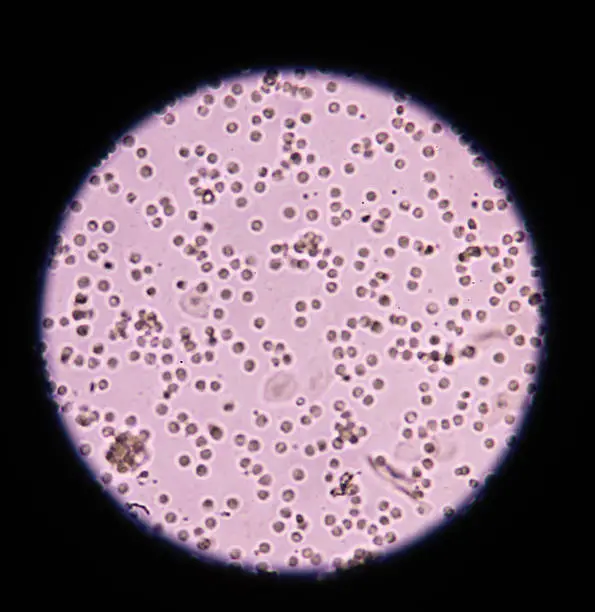
Did you notice blood in your dog’s urine along with an increased number of white blood cells? This combination can be concerning, but it’s important to understand what it means for your dog’s health. While blood in the urine (hematuria) accompanied by white blood cells is often a sign of infection or inflammation in the urinary system, it’s not always an emergency.
This article will help you understand:
- The role of white blood cells and blood in your dog’s urine
- Common causes of blood and white blood cells in the urine
- Diagnosis and treatment options
- Prevention strategies to reduce recurrence
By the end, you’ll have the information you need to act quickly and appropriately if your dog is experiencing this condition.
What Are White Blood Cells and Why Are They in My Dog’s Urine?
White Blood Cells Explained
White blood cells (WBCs) are a crucial part of your dog’s immune system. Their primary role is to fight infections, heal injuries, and protect the body from harmful invaders like bacteria, viruses, and other pathogens.
When there is an infection, inflammation, or irritation in your dog’s urinary tract, white blood cells rush to the area to try to neutralize the problem. In the case of urinary tract infections (UTIs), bladder stones, or injury, the immune system responds by sending WBCs into the urine, which can show up during urinalysis.
Blood in Urine (Hematuria)
Hematuria refers to blood in the urine. It can be either:
- Visible hematuria: You can see the blood in the urine, and it may appear red, pink, or brown.
- Microscopic hematuria: The blood is only detectable under a microscope during a urinalysis.
When blood is present in the urine, it often indicates irritation or damage somewhere in the urinary tract. The white blood cells present along with the blood are a sign that the body is responding to an issue, typically infection or inflammation.
What Causes White Blood Cells and Blood in a Dog’s Urine?
Several conditions can lead to the presence of white blood cells and blood in your dog’s urine. Understanding these causes can help you determine the next steps for your dog’s care.
Urinary Tract Infection (UTI)
A urinary tract infection (UTI) is one of the most common causes of blood and white blood cells in dog urine. UTIs occur when bacteria infect the urinary tract, leading to inflammation and irritation in the bladder or urethra.
How UTIs Cause Blood and White Blood Cells
- Bacteria invade the urinary tract, triggering the immune system to send white blood cells to fight the infection.
- Irritation and inflammation caused by the infection can lead to blood in the urine.
Symptoms of a UTI:
- Frequent urination
- Straining to urinate
- Accidents in the house
- Cloudy or smelly urine
- Blood-tinged urine
Treatment for UTIs:
- Antibiotics are commonly prescribed to treat the infection.
- A urine culture may be conducted to identify the specific bacteria and determine the most effective antibiotic.
Bladder Stones or Crystals
Bladder stones or crystals form when certain substances in the urine—such as calcium, magnesium, or phosphate—become concentrated and form solid masses. These stones can cause irritation, inflammation, and sometimes infection, leading to blood and white blood cells in the urine.
How Bladder Stones or Crystals Lead to Blood and White Blood Cells:
- Stones can irritate the bladder walls, causing inflammation and bleeding.
- Crystals can form sharp edges, which may scratch the urinary tract, leading to further irritation.
Symptoms of Bladder Stones:
- Painful urination
- Straining to urinate
- Blood in the urine
- Frequent urination
- Accidents
Treatment for Bladder Stones:
- Prescription diets can help dissolve certain types of stones.
- Medications may be used to reduce pain and inflammation.
- Surgical removal may be required for larger stones or those causing obstruction.
Prevention:
- Specialized diets to prevent stone formation
- Increased water intake to dilute the urine and prevent crystal formation
Urinary Obstruction
A urinary obstruction occurs when something—such as a bladder stone, crystals, or even tumors—blocks the flow of urine. This is more common in male dogs, who are more prone to blockages due to their narrower urethras.
How Obstruction Causes Blood and White Blood Cells:
- Obstructions traumatize the urinary tract, leading to inflammation and bleeding.
- White blood cells are sent to the area to help fight off infection or irritation caused by the obstruction.
Symptoms of Urinary Obstruction:
- Inability to urinate or producing only drops of urine
- Straining to urinate
- Crying out in pain
- Lethargy or restlessness
- Distended abdomen
Treatment for Urinary Obstruction:
- Emergency veterinary care is required to remove the obstruction.
- Catheterization may be needed to unblock the urinary tract.
- Surgery may be necessary if the blockage is caused by a stone or mass.
- IV fluids to flush out toxins and rehydrate your dog.
Importance of Early Intervention:
- Urinary obstructions can lead to kidney failure, bladder rupture, or even death if not treated quickly.
- Male dogs are particularly at risk for obstructions, so it’s important to act immediately.
Trauma to the Urinary Tract
Injuries to the bladder, urethra, or other parts of the urinary tract can cause blood and white blood cells in the urine. This can happen due to:
- Falls
- Accidents
- Rough play
- Blunt force trauma (e.g., being hit by a car)
How Trauma Causes Blood and White Blood Cells:
- Internal injuries to the urinary tract can result in bleeding and trigger an immune response, sending white blood cells to the affected area.
Symptoms of Urinary Tract Trauma:
- Blood in the urine following a known injury
- Painful urination
- Straining or accidents
- Lethargy or discomfort
Treatment for Urinary Tract Trauma:
- Treatment depends on the severity of the injury and may include pain management, anti-inflammatory medications, or surgery to repair the damage.
Prostate Disease (in Male Dogs)
In intact male dogs, prostate disease can cause blood and white blood cells to appear in the urine. The prostate can become infected, enlarged, or inflamed, leading to urinary issues.
How Prostate Disease Leads to Blood and White Blood Cells:
- The prostate is located near the urinary tract, and issues with the prostate can lead to irritation and infection, resulting in blood and white blood cells in the urine.
Symptoms of Prostate Disease:
- Blood in the urine
- Straining to urinate
- Difficulty urinating or urinary incontinence
- Discomfort when trying to urinate or defecate
Treatment for Prostate Disease:
- Antibiotics if the issue is related to infection
- Surgery may be necessary if the prostate is significantly enlarged or if there’s a tumor.
- Anti-inflammatory medications to reduce swelling and discomfort.
Kidney Disease or Infection
Kidney disease or kidney infections (pyelonephritis) can also cause blood and white blood cells to appear in the urine. This is often a sign of infection or damage to the kidneys, which can result in hematuria.
How Kidney Problems Cause Blood and White Blood Cells:
- Infection or inflammation in the kidneys leads to the presence of blood and white blood cells in the urine.
- Chronic kidney disease can also cause changes in urine, including blood.
Symptoms of Kidney Disease:
- Increased thirst
- Increased urination
- Lethargy or weight loss
- Poor coat condition
Treatment for Kidney Disease:
- Supportive care such as IV fluids, medications, and specialized renal diets.
- In severe cases, dialysis may be necessary to manage kidney failure.
How Do Vets Diagnose White Blood Cells and Blood in Dog’s Urine?
When you bring your dog to the vet for blood in their urine, the veterinarian will typically perform several tests to determine the underlying cause of the issue. The goal is to identify whether the blood and white blood cells are due to infection, stones, trauma, or another medical condition. Here’s what you can expect during the diagnostic process.

Reagent Strips for urinalysis Cat & Dog Urine Test Strips
Reagent Strips for urinalysis Cat & Dog Urine Test Strips 10-Parameter 100ct, Diabetes, Blood Ketone, UTI, Glucose, Nitrite, Specific Gravity, pH,…
Urinalysis (Most Common Test)
A urinalysis is the most common test your vet will perform when blood and white blood cells are found in your dog’s urine. This test involves collecting a urine sample and analyzing it for several key components, including:
What is checked in a urinalysis:
- Blood: To confirm if blood is present and its quantity (whether visible or microscopic).
- White blood cells (WBCs): The presence of WBCs can indicate infection or inflammation.
- Bacteria: A sign of infection.
- Crystals: May indicate the presence of bladder stones or crystals.
- Protein: High levels of protein can suggest kidney problems or infection.
- pH levels: The acidity or alkalinity of the urine, which can help identify certain types of urinary tract conditions.
The microscopic examination is a critical part of the urinalysis. It helps determine whether the white blood cells are there because of an infection, inflammation, or other causes, such as stones or trauma.
Urine Culture
While a urinalysis helps identify general infection, a urine culture is often needed to pinpoint the specific type of bacteria causing the infection. A urine culture is particularly important if the vet suspects a bacterial UTI.
Why urine culture matters:
- It helps identify the specific bacteria responsible for the infection.
- The culture determines which antibiotics will be most effective in treating the infection.
The process typically takes 48–72 hours, but it’s essential for choosing the right treatment plan and preventing antibiotic resistance. If the bacteria are resistant to the initial antibiotic prescribed, the culture results will help guide treatment.
Imaging (X-rays, Ultrasound)
In cases where the blood and white blood cells are linked to bladder stones, tumors, or urinary obstructions, imaging is necessary to identify the exact cause. Your vet may recommend:
- X-rays: These can help detect bladder stones, large masses, or abnormalities in the shape of the urinary tract.
- Ultrasound: Provides a more detailed view of the bladder, kidneys, and urethra. Ultrasound is especially helpful in detecting smaller stones, tumors, or bladder wall irregularities.
Imaging can reveal whether there are stones, masses, or obstructions that could be contributing to the symptoms.
Blood Tests (CBC and Kidney Function)
In addition to the urine tests, your vet may recommend blood work to evaluate your dog’s overall health and the functioning of their organs.
What the tests check:
- Complete blood count (CBC): This test checks for infection (elevated white blood cells) or anemia (low red blood cells), which can provide clues about the nature of the problem.
- Kidney function: Tests like BUN (Blood Urea Nitrogen) and creatinine help evaluate whether kidney function is compromised, which could be causing or contributing to blood in the urine.
- Electrolytes: To check if the body is properly balancing fluids and salts, especially if there is a urinary obstruction or kidney problem.
If kidney failure or infection is suspected, the blood tests will help determine the severity and guide treatment options.
When Referral to ER/Specialist Happens
If your vet suspects severe kidney disease, tumors, or complex obstructions that cannot be treated in a regular clinic, they may refer you to an emergency vet or a specialist. For example:
- Urologists: Specialized veterinarians who focus on the urinary system.
- Oncologists: If cancer is suspected in the bladder, kidneys, or prostate.
Early referral is key for better outcomes, especially when the problem is severe or life-threatening.
Treatment Options for Blood and White Blood Cells in Dog Urine
Once the underlying cause of blood and white blood cells in your dog’s urine has been diagnosed, your vet will recommend an appropriate treatment plan. The treatment will depend on whether the cause is a UTI, bladder stones, obstruction, or another condition. Below are some common treatment options based on the diagnosis.

UCARI Pet Sensitivity Test
UCARI Pet Sensitivity Test | Screens for 750+ Intolerances | Food & Nutritional Analysis | Painless Home Test Hair Sample Method | Results in 48 Hours | Cats & Dogs
UTI Treatment
Urinary tract infections are one of the most common causes of blood and white blood cells in a dog’s urine. Treatment typically involves:
- Antibiotics: The most common treatment for UTIs. Your vet will prescribe an antibiotic based on the urine culture to ensure it effectively targets the specific bacteria causing the infection.
- Pain relief: Your vet may also prescribe non-steroidal anti-inflammatory drugs (NSAIDs) to manage any discomfort and reduce inflammation in the bladder.
- Hydration: Encourage your dog to drink more water to help flush out the bacteria and promote healing.
After treatment, your vet may recommend a follow-up urinalysis or urine culture to ensure the infection is completely cleared.
Bladder Stones/Crystals Treatment
Bladder stones and crystals can cause blood and white blood cells in the urine. Depending on the type of stones and their size, treatment may include:
- Prescription diets: Some types of stones can be dissolved with specialized diets that alter the pH of the urine.
- Medications: Medications may be prescribed to manage pain or inflammation.
- Surgery: If the stones are too large or causing an obstruction, surgical removal is often necessary. This can involve either traditional surgery or a less invasive procedure called cystoscopy (minimally invasive).
- Hydration: Increasing your dog’s water intake helps to dilute the urine, which can prevent the formation of crystals and stones.
Prevention:
- Specialized diets can prevent the recurrence of stones.
- Increased water intake is crucial for preventing new stones from forming.
Urinary Obstruction Treatment
If your dog has a urinary obstruction, immediate veterinary care is required. Treatment may involve:
- Catheterization: In emergency cases, a catheter is used to remove the blockage and restore normal urination. This is especially common in male dogs with a blockage caused by stones or crystals.
- Surgical removal: If the obstruction is caused by large stones, masses, or other non-removable obstructions, surgery may be needed.
- IV fluids: Your dog will likely need intravenous fluids to flush out the toxins accumulated in the bladder and kidneys due to the blockage.
Importance of Early Intervention:
- Urinary obstructions are life-threatening. If left untreated, they can lead to kidney damage, bladder rupture, or even death. It is important to get your dog to the vet immediately if you suspect an obstruction.
Prostate Disease Treatment
For male dogs suffering from prostate disease, treatment can vary depending on the cause. The most common treatments include:
- Antibiotics: If the issue is related to a bacterial infection, antibiotics are prescribed.
- Surgery: In cases of prostate tumors or abscesses, surgery may be required to remove the affected tissue.
- Anti-inflammatory drugs: These can help reduce swelling and discomfort in the prostate.
Prevention:
- Neutering male dogs at an early age can help reduce the risk of developing prostate disease.
Kidney Disease Treatment
Kidney disease or kidney infections can cause blood and white blood cells in the urine. Treatment typically includes:
- Supportive care: This includes IV fluids to help the kidneys flush out toxins and rehydrate your dog.
- Antibiotics: If an infection is present, antibiotics are used to treat the infection.
- Specialized renal diets: These diets are designed to support kidney function and reduce the burden on the kidneys.
- Dialysis: In severe cases of kidney failure, dialysis may be necessary to help filter waste from the blood.
Prevention:
- Regular check-ups and early intervention are essential for managing kidney disease and preventing further damage.
Cost & Timeline
Typical Veterinary Visit Costs
The costs of treating blood and white blood cells in urine vary depending on the severity of the condition and the treatment required. Here’s a breakdown of typical costs:
| Service | Cost Range |
|---|---|
| General office visit | $50–$150 |
| Urinalysis | $30–$50 |
| Imaging (X-rays/ultrasound) | $200–$500 |
| Prescription diet (bladder stones) | $40–$100 per month |
| Surgical treatments | $1,000–$3,000+ |
How Long Will It Take for the Blood to Clear?
- UTIs: Blood typically clears up in a few days to weeks once antibiotics are started.
- Bladder stones: Treatment time depends on whether diet changes or surgery is required, but it can take weeks to months.
- Urinary obstruction: Blood can clear up in 1–2 days once the blockage is removed.
- Kidney disease and prostate issues: These require long-term management and monitoring.
Prevention Tips (Lower the Risk of Blood in Urine Recurrence)
When it comes to your dog’s urinary health, prevention is key to minimizing the chances of future issues, such as blood in urine and white blood cells. By taking proactive measures, you can help keep your dog’s urinary system healthy and reduce the risk of infections, stones, or other complications that might cause these symptoms.
Ensure Proper Hydration
Hydration is one of the most important aspects of urinary tract health. Proper hydration helps flush out toxins, dilute urine, and reduce the likelihood of bladder stones and infections.
Tips to Encourage Hydration:
- Provide fresh water at all times: Always ensure your dog has access to fresh, clean water. Some dogs prefer running water, so consider investing in a pet water fountain, which encourages more drinking.
- Incorporate wet food: Adding wet or canned food to your dog’s diet increases their water intake and helps keep the urinary tract healthy.
- Flavor enhancers: Some dogs are more inclined to drink if water is flavored with low-sodium broth or a small splash of tuna juice.
The goal is to increase your dog’s water intake to help keep their urine diluted, preventing stone formation and flushing out bacteria in the urinary tract.
Regular Bathroom Breaks
Allowing your dog to relieve themselves frequently is crucial for maintaining urinary health and preventing UTIs and bladder stones. Dogs that are not given enough opportunities to urinate are at higher risk for urinary tract issues.
Tips for Regular Potty Breaks:
- Frequent walks: Try to give your dog a potty break at least 3–4 times a day, depending on their age and size.
- Monitor urination: Keep track of how often your dog is urinating and whether they are straining to urinate. If you notice anything unusual, it’s important to visit your vet for a check-up.
- Don’t delay: If your dog is showing signs that they need to go outside, take them out right away. Holding urine for too long can cause bladder infections and other complications.
Feed a Balanced Diet
A balanced diet is essential not only for overall health but also for maintaining a healthy urinary tract. Some dogs are more prone to developing bladder stones, crystals, or urinary tract infections. Providing them with the right food can help prevent these conditions from arising.
Dietary Considerations for Urinary Health:
- High-quality dog food: Feed your dog premium dog food with high-quality protein and balanced nutrients. Look for foods that promote urinary tract health and are designed to prevent stone formation.
- Prescription diets for bladder stones: If your dog is prone to urinary stones, your vet may recommend a prescription diet. These foods are formulated to dissolve certain types of stones and prevent the formation of new ones.
- Avoid high-oxalate foods: Some foods, like spinach, sweet potatoes, and beets, can increase the risk of bladder stones in susceptible dogs. Discuss with your vet which foods are best for your dog’s urinary health.
Early Detection of UTIs
Early intervention is critical in preventing UTIs from becoming more serious and leading to complications such as kidney infections or bladder stones. Watch for signs of a UTI or other urinary issues and take action promptly.
Signs of a UTI:
- Frequent urination or accidents
- Straining to urinate or discomfort
- Cloudy, smelly, or blood-tinged urine
- Licking or scooting (signs of irritation)
If you notice any of these symptoms, schedule a vet visit as soon as possible. Catching a UTI early ensures that it can be treated with antibiotics before it leads to more severe complications.
Regular Vet Check-ups:
- Annual urinalysis: Regular urinalysis during your dog’s annual check-up can catch potential issues before they become more serious.
- Routine physical exams: Your vet will check for bladder stones, prostate disease, and other conditions during regular exams, helping to keep your dog’s urinary health in check.

NOVEHA Pet Dental Powder
NOVEHA Pet Dental Powder | Vet-Approved Oral Care for Dogs & Cats | Natural Tartar Remover for Dogs Fresh Breath Formula | Easy Teeth Cleaning for Daily Use (1 – Pack)
FAQs (FAQ Schema Targets)
Is blood in my dog’s urine always a sign of infection?
No, blood in the urine can be caused by a variety of conditions, including bladder stones, trauma, or even kidney disease. It is important to have your dog evaluated by a vet to determine the cause.
Can stress cause blood in a dog’s urine?
While stress alone typically does not cause blood in the urine, it can exacerbate underlying conditions like UTIs or bladder issues. Stress can cause physical reactions, such as increased urination or irritability, which may lead to further urinary tract irritation.
How long does it take for blood in urine to clear?
The length of time it takes for blood in urine to clear depends on the underlying cause. If it’s due to a UTI, it may clear up within a few days to weeks after starting antibiotics. For conditions like bladder stones or obstructions, treatment may take longer, especially if surgery is required.
Can white blood cells in urine be caused by something other than an infection?
Yes, white blood cells (WBCs) can appear due to inflammation, trauma, or bladder stones, even if there’s no infection present. WBCs are part of the body’s immune response, so they can be seen in urine when there is irritation or injury in the urinary tract.
Can I treat blood in my dog’s urine at home?
While some mild cases of blood in urine can be managed at home, it’s essential to seek veterinary care to diagnose the underlying cause. Blood in the urine could indicate a serious condition that requires antibiotics, surgery, or specialized diets.
Conclusion
If your dog is showing signs of blood in their urine and white blood cells, it’s important to act quickly. UTIs, bladder stones, urinary obstructions, and other serious conditions can cause these symptoms. By understanding the possible causes and seeking veterinary care, you can help ensure the best outcome for your dog’s health.
Rule of thumb: If your dog is straining to urinate, in severe pain, or showing systemic symptoms like vomiting or lethargy, don’t wait—head to the vet or emergency clinic immediately. Early detection and treatment are key to preventing more serious health issues.