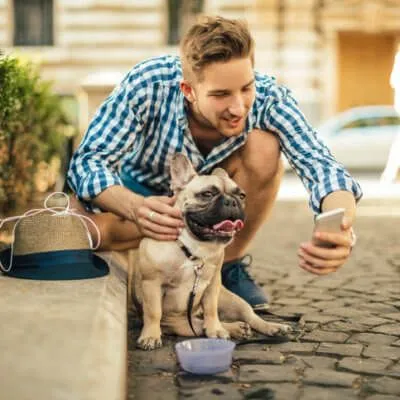
Introductio: Understanding the Selective Affection of Your Dog
Ever seen your dog literally following you everywhere around the house and not caring about your partner? This is sweet until concerns and questions start popping in. Why is it that it always seems to choose you? Is something different in how you interact with it or is it just luck? This is quite a common scenario where one person in the family gets all the affirmation and the other just wonders how they’ve offended the pet.
This article investigates the phenomena. It reviews how daily activities and interactions, emotional performance, scent, voice tone, and even early experiences combine to create your dog’s allegiance. You will learn a lot from the article, whether you are the chosen one or just left behind; in addition, so much can still be done to create an even healthier relationship in the house.
Your dog is attached to you because you are his primary caregiver and emotional comfort zone. The feeding, playing, snuggling, and just being around every day all contribute to that bond. But that’s not to say attachment cannot be worked on. A behavioral partnership between you and your partner can definitely enhance your dog’s bond with him.
So, shall we find out the fine details and see how to divert your dog away gently? Let’s begin.
🧠The Science of Attachment
- Why the One Who Feeds Usually Wins
Let’s be real here—dogs are practical. The one filling the dinner bowl and taking them out for walks is the one they depend on. But beyond that, dogs value predictability. The consistent presence to fulfill their needs builds familiarity and trust.
Then again, it’s not solely about chores. It’s about the relationship surrounding those chores. Do you talk to your dog, smile at him, and scratch behind his ears while he eats? That’s a big deal.
“The dogs trust those who show up for them,” writes PetMD. “Routine and reliability are everything!”
- Affection, Praise, and Play = Connection
How would you characterize the two people in your dog’s life: one rubs his tummy and plays games with him, while the other watches from a couch? With whom are they going to go?”
Dogs keep track of who makes them feel good.
They read the energy: calm voices, laughter, affection—good energy flows.
So, if you’re the one tossing the ball, dishing out treats, and showering them with affirmations, that’s who they want to hang with.
| What You Do | How Your Dog Reacts |
|---|---|
| Tosses treats regularly | Sticks close, watches you |
| Engages in play | Gets excited when you’re around |
| Is quiet and passive | Less interest from your dog |
Early Bonds Leave Permanent Traces
Did your dog come into your life as a puppy? Or did you have to endure that long ride back from shelter with your new pet? These moments matter.
During a specific age period, between 3 and 14 weeks, dogs are susceptible to bonding with humans. Should it have been between both you as the dog matured, or should it have simply been present at an emotional moment-whoever was sick, moving, whatever-they may perceive you as their rock.”
Breed, Biology, and Behavior – Why Dogs Favor Some Over Others
While emotions and day-to-day routines have a great deal to do with why your dog hangs around you, there’s more beneath the surface—your dog’s biology and breed nature. From the way they perceive scent to the way their voice sounds to them, even things we hardly notice have an impact on how they pick their person.
- Breed Instincts: Some Dogs Are Just Wired to Cling
Some breeds are called “Velcro dogs” for a reason. They were bred to work alongside humans and have a tendency to become strongly attached.
Breeds That Are Famous for Following Their Favorite Human:
Labrador Retrievers
Border Collies
Cavalier King Charles Spaniels
German Shepherds
Vizslas
These breeds were bred for jobs such as herding, retrieving, and guarding—all jobs that involved being constantly aware of their human’s movements.
On the other hand, more independent breeds—such as Shiba Inus or Chow Chows—may like your companionship but do not like making their own decisions.
Pro Tip: Knowing the breed tendencies of your dog will help you appreciate their attachment patterns and be better able to deal with it.
- Scent: Your Dog’s Nose Knows Best
Dogs don’t recognize you visually or aurally—they smell you. And your smell may be more comforting or familiar than your partner’s.
Why Scent Matters:
Dogs can sense emotional states such as stress or happiness through smell.
They link your individual smell to comfort, security, or reward.
The more time you spend with them, your smell is built into everything they adore—beds, blankets, toys.
So, if your dog rolls up in your laundry or wags over to you with excitement but hardly blinks at your partner? Their nose is in charge.
- Your Voice and Body Language Say It All
Dogs are masters of reading tone and motion. You may be sending out subtle cues that attract them—without even knowing it.
Voice pitch: Dogs tend to like higher-pitched, energetic voices—particularly when being spoken to softly.
Energy level: Relaxed but expressive human beings will bring more canine interest.
Non-verbal signals: Eye contact, open body attitude, and even your gait can invite—or repel—involvement.
If the other person in your life prefers a more shy or serious energy, your pet may just find less incentive to get involved. That doesn’t necessarily mean that they don’t like them—maybe it is simply that you send clearer signs and it’s more rewarding for them to decode and follow along.
Quick Guide: Actions That Build Trust vs. Those That Don’t
| Action | Builds Trust? |
|---|---|
| Regular walks | ✅ Yes |
| Calm, soft tone of voice | ✅ Yes |
| Passive watching from afar | ❌ Not really |
| Loud or impatient correction | ❌ Can cause fear |
| Shared play or treats | ✅ Builds comfort |
| Sudden loud movements | ❌ May cause stress |
Emotional Energy, Daily Habits & Deepening the Connection
Even aside from smell and breed, a dog’s devotion really does boil down to emotional connection and the daily pattern of communication. As with humans, dogs respond to the way that others make them feel—and they remember.
- Emotional Availability Matters More Than You Think
Dogs are highly empathetic. They pick up on our mood, facial cues, and energy. If you have a tendency to soothe your dog when they’re anxious, talk calmly to them, or just make them feel safe, they’re going to be attracted to you.
Dogs look for calm, stable energy
They’re attracted to those who greet them warmly when they approach for comfort
Tense or aloof behavior (even if accidental) can make them uncertain
This doesn’t mean your partner isn’t affectionate—it may simply be that they’re showing it differently or less often, and your dog takes this to mean “less safe.”
- Shared Time Builds Lasting Bonds
People learn about their dogs through shared activity. The more time you spend in walking, play, and mere presence, the stronger the bond.
Activities That Build Attachment:
Normal walks or play sessions
Brief training sessions with treats
Speaking to your dog during the day
Routine things like feeding or grooming
Put it this way: to your dog, time = love. The most frequent visitor, gets the most trust.
- How to Help Your Partner Deepen Their Relationship
If your partner wishes to be more than mere background noise to your dog, then here’s how they can begin:
???? Simple Steps to Deepen Their Relationship
Alternate with walks or feeding.
Have them give treats during calm bonding moments.
Encourage interactive play such as tug or hide-and-seek.
Have them initiate bringing in new toys.
Use positive praise and soft-spoken words when they come to your dog.
And the absolute most crucial part: consistency. Trying for a week doesn’t cut it. Dogs are suckers for patterns.
Real Talk: Never Force Affection
Don’t attempt to bribe your dog into affection. Avoid having your partner overcompensate with intense cuddling or forced attention—it can be too much and overwhelming.
Rather, leave room for spontaneous interaction. Allow your dog to take the initiative and approach. Allow curiosity to build. Avoid a high-pressure and low-arousal environment.
FAQs, Fixes & Final Thoughts
Can A Dog’s Favorite Person Change With Time?
Yes—dogs are habitual, but habits can evolve. If your partner takes more of an interest in daily care, your dog might start reacting differently. Time and repetition produce change, yet dogs are so adaptable.
Tip: It is not a case of replacing a person, but widening the circle of comfort.
Is It Usual for A Dog to Show Preference For A Single Person?
Totally. Just as individuals have favorites among personalities, so do dogs. Provided the attachment is healthy and your dog is social with others, a favorite person is not an issue—it’s normal.
What If the Attachment Becomes Unhealthy?
Some of the indicators of over-attachment are:
Excessive barking or whining when separated
Protecting you from other individuals or animals
Panic when you step out of the room
If your dog is displaying these behaviors, it might be time to add more structure. Gradual separation training, confidence-building exercises, and enlisting others in care can assist.
If you are worried, don’t wait – seek out a behaviorist. Unhealthy attachment can be addressed before it escalates into anxiety.
✅ Final Takeaways: Build a Stronger, Happier Pack
Let’s quickly summarize the most important points:
Consistency creates trust – The one who arrives day after day becomes the focal point of your dog’s universe.
Small moments add up – Eye contact, soft voice, play time—all add up.
Biology comes into play – Breed, tone of voice, and smell are all underlying aspects that contribute to attachment.
You can do it with the bond – With patience and time, your partner can become as important to your pup.
Dogs are naturally loyal—but they can also form new attachments, change to accommodate, and flourish in loving homes where everyone contributes.