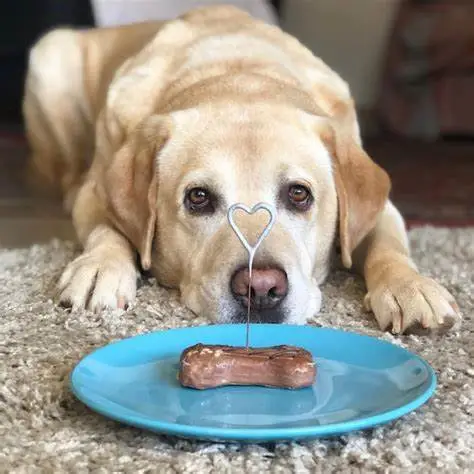
You, as a dog owner, can probably attest that your furry pal is stealing bites from her food bowl, ambling off to your plush rug, and happily munching away. This weird habit will probably have you wondering—not to mention aggravated when you’re cleaning crumb and stain from your carpet. You might be asking: is she unhappy with her bowl, anxious about being around something, or simply exhibiting some unusual doggy behavior? Knowing why dogs do this can alleviate your frustration and enhance your dog’s mealtime. If you’ve ever found yourself wondering, “Why does my dog eat her food on my rug?” this article will serve to unravel the mystery.
Quick Answer: Dogs will often take food away because of instinctual tendencies, uncomfortable dining locations, or stress. Easy solutions involve substituting the food bowl type, designing a serene eating area, or examining oral problems. Feeling curious? Let’s dive deeper into the compelling reasons for this widespread dog tendency.
- Natural Instincts: A Link to the Wild
Pack Behavior
Dogs possess very ingrained behaviors left over from their ancestral wild relatives, wolves. Subordinate wolves in the wild tend to carry their food off to eat alone to prevent an altercation with dominant pack members. Even if your household dog doesn’t have to deal with such dangers, it’s still possible for the urge to relocate food to some place secure to take over. Munching on your carpet may just be safer and more natural for her.
Protecting Their Resources
Another instinct that dogs still have is resource guarding. Even in a peaceful home environment, dogs will naturally guard their food from possible threats—even the imaginary kind. By taking food away, they’re protecting their meal from harm. Instead of being naughty, your dog is simply acting on instincts that worked for her ancestors.
Knowing this can help you react more calmly instead of getting frustrated, making mealtime hassle-free for both of you.
2. Craving Your Company
Social Eating Habits
Dogs aren’t just pets—they’re part of the family. Naturally social creatures, dogs often seek out companionship during meals. If your dog consistently eats near you, she might simply enjoy your company. Your presence provides a sense of comfort and safety, making your rug—likely near your favorite spot—her ideal dining location.
Mimicking Family Habits
Dogs tend to follow the routine of others. If your family has a habit of snacking on the couch or near a coffee table, your dog may think it’s the norm and follow suit. This is not an uncommon habit in itself but establishing clear limits on where she eats will be beneficial in controlling the behavior and mess in your home.
- Uncomfortable Bowls
Sensitivity to Bowl Types
To your surprise, your dog’s bowl might be the cause of her behavior. Numerous dogs don’t like metal bowls due to the fact that they’re noisy, reflective, and hard. These bowls can make eating an unpleasant experience, and dogs will move food to a quieter and softer place, such as your rug.
Indications that your dog doesn’t like her bowl are:
Picking up food and dropping it next to the bowl
Eating nervously, hesitating before biting
Preference for soft surfaces
Simple Solutions
Moving to ceramic, silicone, or plastic bowls can be a big difference. Here’s a brief comparison:
| Bowl Type | Pros | Cons |
|---|---|---|
| Metal | Durable, easy to clean | Noisy, uncomfortable for some |
| Ceramic | Quiet, attractive | Can break easily |
| Silicone | Gentle, quiet, easy to clean | Less durable, chewable |
You might need to experiment to find what suits your dog best, but the effort is worthwhile if it keeps your rugs clean.
- Looking for a Relaxed Dining Area
Comfort and Security
People, as well as dogs, enjoy comfort during meals. Rugs provide a warm, comfortable surface relative to cold kitchen floors and hard surfaces. Your dog may just find eating on your rug more convenient and comfortable since there’s improved grip and more comfort.
Hardwood or tile floors can be slippery, noisy, or cold, discouraging dogs from eating there comfortably. Rugs provide stability, warmth, and less noise, making them good eating areas for most dogs. If you find your dog always avoiding hard surfaces, placing a non-slip feeding mat may encourage her to remain close to her bowl.
- Stress or Anxiety Triggers
Busy and Noisy Areas
Stressful mealtime may compel your dog to look for quieter spaces. Busy areas, noise, or disturbance while eating may elevate your dog’s anxiety, with the serene rug space being a far better option.
Solutions for Stress-Free Dining
Having a quiet, peaceful feeding place out of reach of foot traffic and noise is essential. One option is relocating the food bowl to another quieter room or corner where the dog feels most secure and comforted. It can significantly prevent her from dispersing food.
- Dental or Health Problems
Oral Pain
It can be due to physical pain at times that creates the food-thievery habit. Dental problems, painful gums, or other oral conditions may make eating directly from a bowl painful for your dog, so she takes food to a more comfortable spot.
Importance of Routine Check-Ups
Routine veterinary checks can detect and treat potential dental issues in their early stages. Regular dental care, including brushing your pet’s teeth and in-house cleanings, can prevent pain and remove this habit of food carrying.
7.Acquired Habits or Routines
Effects of Previous Experience
Your dog’s habits are often a consequence of past experience or past environments. If your dog lived with someone else before or was fed a different way in the past, she may have learned to push her food to a particular point. Habits once created tend to be continued because they’re comfortable and familiar.
Creating Consistency
Restraining a habitual behavior usually requires ongoing retraining. Feed your dog daily at the same time and location. By establishing a routine, you help her create new habits, bringing her ultimately back to eating in one area.
8.Breed-Specific Tendencies
Natural Instincts in Specific Breeds
Some dog breeds are especially susceptible to developing carry or hide their food type habits. Retrievers, hunting breeds, and terriers will likely develop a fondness for carrying the food off somewhere due to their high retrieval drives. Be sure you know about this type of breed behavior so that you can modify your training regimen accordingly.
Identification of Breed Traits
Learning about your dog’s breed-specific traits can be a huge difference in your strategy for changing her behavior. Patience and especially designed training that honors her natural nature can pay off extremely well.
9.Effective Strategies to Modify the Behavior
Using Feeding Mats
A good choice is a feeding mat or a specific rug beside her bowl. This clearly demarcates the space where she needs to be eating, making it cozy and welcoming.
Supervised and Structured Feeding
Watch over mealtime with your dog. Gently push her back to the eating area if she tries to make a run for it with her food. Ongoing supervision will ultimately stop her from doing so.
Positive Reinforcement
Reward each good behavior. Praise or reward your dog when she’s eating from her bowl and isn’t attempting to pull away. Since dogs are extremely sensitive to positive reinforcement, this enables her to associate the bowl area with positive things.
10.When to Call a Professional
Identifying Behavioral Concerns
If your dog’s food-stealing behavior is coupled with aggression, anxiety, or extreme stress, then perhaps it is time to call in a professional. A professional animal behaviorist can provide tailored advice specifically tailored to your dog.
Health-Related Matters
Established abnormal eating habits could be a sign that there is a health problem. If you notice other signs like loss of appetite, weight loss, or behavioral changes, book a vet check-up to rule out health problems.
Conclusion Summary
Dogs steal food from their plates for a variety of other reasons, ranging from habits, comfort problems, social issues, or even on health grounds. The instant you are aware of the reason, you can tackle it successfully and prevent your dog from eating off your carpet.
Final Thoughts
Finally, being observant and paying attention to your dog’s unique needs enhances her welfare and the tranquility of your home. Be firm and patient, and above all, remember that a happy dog means a happy home!