The Silent Sniffle: When Your Dog’s Runny Nose Isn’t Just Allergies name
Nasal Tumors in Dogs. You know that feeling? Your furry best friend starts with a little one-sided sniffle. Maybe some sneezing fits. Your brain jumps to kennel cough, allergies, or just “getting older.” We’ve all been there. But here’s the gut-punch reality no one tells you upfront: That innocent-looking drip could be hiding something terrifyingly serious. Nasal Tumors in Dogs might only hit 1-2% of dogs, but get this – they’re behind a massive 80% of all Nasal Tumors in Dogscancers in our pups. And the absolute worst part? Early signs perfectly mimic everyday infections. Seriously, even seasoned vets can miss it at first glance. While you’re reaching for the tissue or debating allergy meds, a tumor might be silently carving its path.
By the time you see swelling, bloody noses, or that heartbreaking vacant stare, the cancer’s often dug in deep. Without aggressive treatment? We’re talking mere months. But—and this is a huge but—catching those early whispers changes everything. That clock starts ticking with the first sneeze.
Cutting Through the Noise: Your Immediate Game Plan Okay, deep breath. If your dog shows any of these:
A one-nostril drip (especially if it goes from clear to gunky to bloody),
Sneezing that just. Won’t. Quit. (Reverse sneezing counts too – that awful honking sound),
Random nosebleeds (even tiny spots after playtime),
Don’t wait it out. Seriously. Here’s what you do right now:
Grab a notebook: Log every symptom – timing, triggers, gooey details (yeah, it’s gross, do it anyway).
Push for advanced scans: Skip the basic X-rays. Demand a CT or MRI – they spot what others miss.
Get to a specialist: A veterinary oncologist isn’t overkill; it’s essential for biopsies and staging. Getting this rolling fast is everything. Radiation therapy isn’t magic, but it can steal back 12-20 precious months. Yeah, it’s a tough road. But knowledge? That’s your superpower right now. Ready to learn how to spot the real red flags, fight smarter, and make every moment count? Let’s get into it.
What’s Really Going On In There? Nasal Tumors in Dogs Unpacked <a name=”what-are”></a>
Let’s cut through the jargon. Nasal Tumors in Dogs are nasty growths deep inside your dog’s snout – in the sinuses or nasal passages. Think less “harmless bump” and more “aggressive invader.” Over 95% of these are flat-out cancerous monsters. Benign polyps? Super rare in dogs. These bad boys destroy bone, creep into nearby tissues, and can spread. It’s brutal stuff.
What You Need to Know Right Now
Who’s at Risk? Mostly older pups (think 8+ years). Like grey muzzles? Extra vigilance needed.
Breed Matters (Sadly): Got a long-nosed pup? Collies, Shetland Sheepdogs, Greyhounds, Bassets, some terriers… they get hit harder. Something about more surface area for nasties to latch onto.
“Malignant” Isn’t Hype: When you hear “Nasal Tumors in Dogs cancer” or “carcinoma,” it’s almost always dead serious. Benign is the exception, not the rule.
Hard Truth: An older dog with a nosebleed? Treat it like cancer until proven otherwise. Waiting “just to see” slashes survival time. Don’t gamble.
Nasal Tumors in Dogs
Amber NaturalZ Vibactra Plus Herbal Supplement for Dogs, Cats, Birds, Guinea Pigs, and Rabbits | Herbs for Immune Health and Yeast Balance | 4 Fluid Ounce…
The Usual Suspects: Types of Nasal Tumors in Dogs <a name=”types”></a>
Not all Nasal Tumors in Dogs cancers play by the same rules. Knowing the type changes the fight:
Tumor Type
How Common?
Aggressiveness
The Real-World Impact
Adenocarcinoma
Most (60-70%)
High & Fast
Chews through bone like termites. Nasty.
Squamous Cell Carcinoma
Next up (10-20%)
Pretty Bad
Often linked to years of irritation/infection.
Chondrosarcoma
Less (5-10%)
Slower Grower
Starts in cartilage. Still dangerous, but maybe buys a little time.
Fibrosarcoma
Rare (~5%)
Variable
Connective tissue jerk. Unpredictable.
Olfactory Neuroblastoma
Rarest (<5%)
Worst Offender
Nerve tissue origin. Grim prognosis usually.
Why Bother with the Type? Because treatment hinges on it. Adenocarcinoma often responds well to radiation. That neuroblastoma? Might need chemo cocktails. The biopsy isn’t just saying “cancer” – it’s drawing the battle map.
Don’t Brush These Off: The Symptoms That Demand Attention <a name=”symptoms”></a>
Early signs are masters of disguise. Seriously, they could win an Oscar for “Best Supporting Allergy.” Don’t beat yourself up if you missed them – they fool everyone.
The Big Three (Especially in Older Dogs):
That One-Sided Leak: Starts clear or snotty? Then turns yellow, green, or streaked with blood?Crucial: If it’s only coming from one nostril, sound the alarm.
Sneeze-A-Palooza: Constant sneezing, or that awful reverse sneeze (sounds like they’re gasping/gagging). Not just a few times, but persistent.
Bloody Surprises: Spontaneous nosebleeds. Even small ones after excitement or a minor bump.
When Things Get Scary (Tumor’s Spreading):
Face Changes: Swelling over the nose or eyes. Lopsided look. Hard to miss.
Brain Glitches: Head tilt, walking in circles, seizures. Pure nightmare fuel.
Sniff But Won’t Eat: They smell the food but just… walk away. Loss of smell breaks their world.
From One Owner to Another: Did antibiotics “sort of” help, but the snot came roaring back? Scream for a cancer workup. Don’t settle for “maybe it’s chronic.”
Why MY Dog? Unpacking the Risks <Nasal Tumors in Dogs>
We desperately want a single villain to blame. Truth is, it’s messy. But these factors crank up the risk dial:
Blame the Breed (Sometimes):
Long snouts = more surface area. Breeds like Collies, Greyhounds, Bassets? Sadly, they drew the short straw genetically.
Toxins: The Silent Partners:
Cigarette Smoke: Live with a smoker? Your dog’s risk doubles. Exhale away from them? Doesn’t cut it.
City Grime: Diesel fumes, factory junk – city pups breathe it daily.
Household Nasties: Pesticides, harsh cleaners, air “fresheners” – stuff you spray.
Ignored Teeth, Big Problems:
Rotten teeth, gum disease, fistulas (holes connecting mouth to nose)? Constant Nasal Tumors in Dogs irritation is like rolling out the red carpet for trouble.
Time’s Cruel Tick:
Over 80% of cases hit dogs over 10. Age is the biggest non-negotiable risk.
What You CAN Actually Do: Butt out (seriously, smoke elsewhere), ditch the chemical air bombs, get those teeth cleaned religiously, and watch your older/long-nosed buddy like a hawk for any sniffle.
Key Takeaways & Tough Truths (So Far):
Aspect
👍 The Silver Linings
👎 The Hard Realities
Catching it Early
Radiation can gift over a year of quality time.
Early signs look EXACTLY like minor junk (allergies/infections).
Breed Reality
Knowing risk means targeted vet checks.
Can’t shrink a Collie’s nose. Genetics suck sometimes.
Toxin Exposure
Ditching smoke/chemicals now helps.
Damage from past exposure? Already done.
Getting Answers
CT/MRI spots almost all tumors early.
The price tag ($1,500-$3,000+) stops many in their tracks.
VI. Cutting Through the Guesswork: Getting a Real Diagnosis <a name=”diagnosis”></a>
Let’s be brutally honest: diagnosing this isn’t quick, cheap, or easy. That “wait-and-see” approach? It’s gambling with your dog’s life. Here’s what the real diagnostic journey looks like:
The First Vet Visit (Where Frustration Often Starts): Your vet will likely do a basic exam, maybe a Nasal Tumors in Dogs swab or dental check. Red flag: If they prescribe antibiotics without imaging for persistent one-sided symptoms in an older dog. Push back. Swabs miss cancer 90% of the time.
The Imaging Game-Changer:
X-rays? Nearly useless. They miss 40%+ of Nasal Tumors in Dogs. Don’t waste money or time. CT Scan: The Gold Standard. Shows the tumor’s size, bone destruction, and exact location. Crucial for planning radiation. ($1,500-$2,500)MRI: Better for soft tissue/nerve involvement if neuro signs exist. Often pricier than CT. ($2,000-$3,500)
Owner Hack: Ask if your clinic offers payment plans before the scan. Many do. This isn’t optional.
The Biopsy: Confirming the Enemy:
Rhinoscopy: A tiny camera up the nose. Lets the vet see the mass and grab samples. Needs heavy sedation.
Blind Biopsy: Less ideal. Using forceps guided by feel or X-ray. Higher risk of mis-sampling.
Surgical Biopsy: Rarely done first due to bleeding risks inside the delicate Nasal Tumors in Dogscavity.
Staging: Seeing if the Monster Spread: Chest X-rays (metastasis check), lymph node aspirates, bloodwork. Cold comfort: Only 10-15% show distant spread at diagnosis. The real beast is local destruction.
Why You Need an Oncologist NOW: General vets are heroes, but this is specialty territory. An oncologist interprets scans better, chooses the right biopsy spot, and knows staging tricks. Don’t wait for referral – ask immediately.
VII. Treatment: Brutal Costs, Tough Choices, Glimmers of Hope <a name=”treatment”></a>
Let’s cut the fluff. Treating Nasal Tumors in Dogs cancer is expensive, intense, and doesn’t guarantee a cure. But it can buy meaningful time. Here’s the real deal:
Treatment Option
How It Works
Pros 👍
Cons 👎 & Costs 💰
Realistic Outcome
Radiation Therapy
High-energy beams target tumor
Best weapon. Shrinks tumors fast, relieves symptoms, longest survival (12-20mo)
Devastatingly expensive ($6,000-$9,000). Requires 15-20 sessions under anesthesia. Side effects: Burns, eye damage, mouth sores. Travel to specialty center often needed.
Buys most quality time
Surgery
Debulking (removing part of tumor)
Can quickly relieve severe blockage/bleeding
Rarely curative. Nasal Tumors in Dogs cavity is complex. Massive bleeding risk. Often just palliative ($3,000-$5,000). Recovery painful.
The Gut-Wrenching Math: Radiation costs more than many used cars. And it might give your 12-year-old dog 18 more months. Is it “worth it”? Only your heart and wallet can decide. Palliative care isn’t failure – it’s choosing peaceful days over painful procedures.
My Friend’s Reality Check: “We maxed cards for radiation. Max got 14 good months hiking again. Then it came back. Zero regrets, but financially, we’re wrecked. Know your limits.”
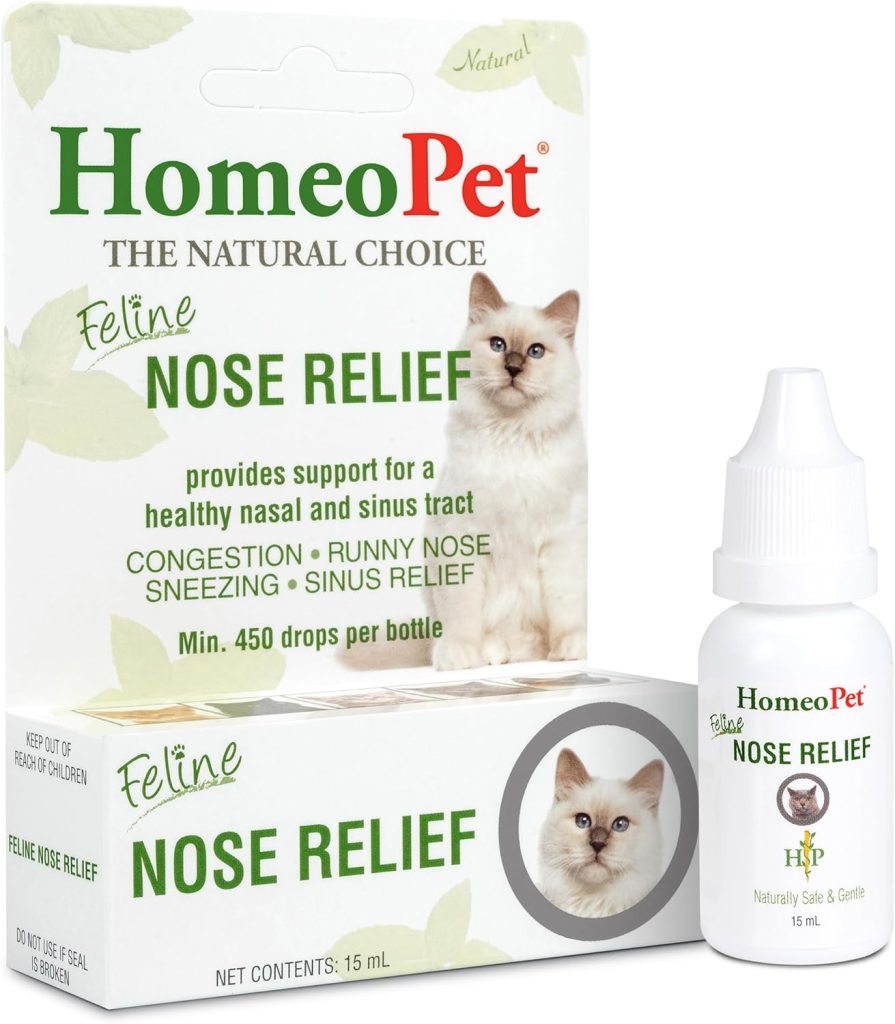
HomeoPet Feline Nose
HomeoPet Feline Nose Relief, Safe and Natural Nasal and Sinus Supplement for Cats, 15 Milliliters
VIII. Prognosis: Facing the Timeline Without Sugarcoating <a name=”prognosis”></a>
Nasal Tumors in Dogs. Hope is vital, but so is honesty. Here’s what survival really looks like:
With Aggressive Radiation (+ Chemo):
Median Survival: 12-20 months.
The Catch: “Median” means half do better, half do worse. Some dogs crash at 6 months; rare warriors hit 3 years. Tumor type matters (Adenocarcinoma best, Neuroblastoma worst).
Surgery Alone:
Median Survival: 3-8 months. Usually just delays the inevitable.
Palliative Care Only (No Radiation):
Median Survival: 3-5 months. Focus shifts entirely to comfort.
Gabapentin for nerve pain if facial nerves affected.
Tramadol/Optional: Sometimes added, effectiveness debated. Demand a pain plan. “He seems fine” isn’t enough. Dogs hide agony.
Nasal Tumors in Dogs the Little Things That Matter:
Soft bedding (easier on sore joints).
Non-slip rugs (neurological issues cause wobbles).
Short, sniffy walks (mental joy over distance).
Just sitting quietly together.
Raw Truth Recap (Part II):
Crossroad
😌 The Wins
😥 The Heartbreaks
Radiation Therapy
Can restore near-normal function for a year+
Crippling cost. Side effects can be severe. Not a cure.
Palliative Path
Preserves savings, avoids treatment stress
Short timeline. Feeling helpless watching decline.
Quality of Life
Small comforts make huge differences
Pain management has limits. “Good days” fade.
The Timeline
Some dogs defy the odds
Median survival is just that – an average. Luck plays a role
X. Prevention & Early Detection: What Actually Helps? <a name=”prevention”></a>
Let’s cut through the guilt trips: there’s no surefire way to prevent Nasal Tumors in Dogscancer. But pretending we’re powerless? That’s a lie. Here’s what might move the needle:
Slash Environmental Toxins
Stop Smoking Indoors. Period. Secondhand smoke isn’t just “bad” – it doubles risk. Vaping? Unknown risk. Just step outside.
Ditch Aerosol Everything: Hairspray, cleaners, air fresheners. Opt for pump sprays or solids.
Avoid Heavy Traffic Walks: Early morning/late evening = lowest pollution. City dwellers? Find green spaces.
Natural Lawn Care: Pesticides/herbicides = Nasal Tumors in Dogs irritants. Embrace the clover.
Annual Dentals: That “bad dog breath”? It’s bacteria bombs. Untreated infections erode bone → oronasal fistulas (holes between mouth/nose). Chronic inflammation = cancer’s welcome mat.
Daily Brushing: Sounds impossible? Start with dental wipes or water additives. Anything beats nothing.
Be the Symptom Sherlock (Especially for High-Risk Breeds)
Long-nosed & Senior Dogs: Treat every one-sided sniffle like a potential red flag.
Symptom Log Template: text Date: Nostril affected: Left / Right / Both Discharge: Clear / Yellow-Green / Bloody Streaks / Pure Blood Sneezing Frequency: Occasional / Frequent / Fits Other: Face Swelling? Eye Issues? Appetite Change? Take photos/videos. Vets can’t argue with visual evidence.
The Tipping Point: If symptoms last over 7 days OR antibiotics only bring partial/temporary relief → demand advanced imaging. Waiting for “full obstruction” or “deformity” sacrifices critical months.
XI. When the Road Ends: Saying Goodbye with Love <a name=”conclusion”></a>
Facing the inevitable is soul-crushing. How do you know it’s time? It’s not a single moment – it’s a pattern of stolen joy.
Signs the Burden Outweighs the Good Days:
Turning Away from Food: Even hand-fed gourmet chicken.
Hiding or Withdrawing: Avoiding favorite spots, people, or pets.
Struggling to Breathe: Constant open-mouth breathing, panic during nosebleeds.
Pain Beyond Control: Whining, trembling, flinching from touch despite meds.
“The Look”: That vacant, exhausted stare – like they’ve already left.
The Last Gift: Euthanasia Done Right
Find an In-Home Service: Let them go peacefully in their favorite sunbeam. ($250-$500)
Sedate First: Always. A calming shot before the final IV ensures zero anxiety.
Stay Present: Whisper your love. They know your voice.
Where to Scream Into the Void (You Aren’t Alone)
Pet Loss Support Hotlines:
Cornell Pet Loss Support: (607) 253-3932
ASPCA Grief Counseling: (877) GRIEF-10
Online Communities:
The Association for Pet Loss and Bereavement (aplb.org) – Forums & chat rooms.
“Losing Luka” Facebook Group (Private, raw, no toxic positivity).
Rituals That Heal:
Paw print keepsakes.
Donating unused meds/supplies to shelter pets.
Writing them a letter – read it aloud under “their” tree.
Final Truths: Your Takeaways <a name=”conclusion”></a>
That “Harmless” Sniffle Isn’t: Unilateral discharge + sneezing in an older/long-nosed dog = Assume cancer until proven otherwise. Push for CT/MRI.
Radiation is the Heavy Hitter: Buys 12-20 months for many, but costs $6k-$9k. Palliative care (steroids/NSAIDs) offers 3-5 months comfort.
Breed Matters, But Toxins Tip Scales: Ditch indoor smoking & aerosols. Prioritize dental care like their life depends on it (it might).
Quality Trumps Quantity: Use the HHHHMM Scale daily. Three “No’s”? Start the goodbye talk.
Grief is the Price of Love: Seek support without shame. Your pain honors their existence.
A Vet’s Raw Comfort:“You didn’t fail them by losing the fight. You won their heart by showing up for every brutal, beautiful moment of it.”
If you need adjustments or want to expand specific sections, here’s what we can do next:
Add Personal Stories: Anecdotes from owners who navigated treatment.
Deep-Dive Tables: Compare radiation centers, costs by region, or palliative drug protocols.
Vet Q&A: Common owner questions answered by an oncologist.
Resource Expansion: More financial aid options or hospice care guides.