Dog Panting at Night: That Late-Night Sound of Panting
It usually happens on the Dog Panting at Night you’re finally sleeping well. Out of nowhere, you hear it—your dog breathing hard, tongue out, chest rising and falling faster than usual. You roll over, hoping it’ll stop, but it doesn’t. Before long, you’re both wide awake.
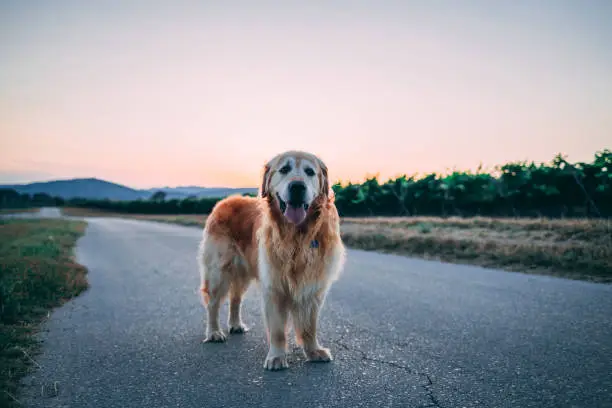
Panting, of course, isn’t strange for dogs. It’s how they cool down. After a long game of fetch, a summer walk, or even just a burst of excitement, panting is expected. But when it’s happening at two in the morning with no obvious reason, that’s when the questions start to creep in. Is my dog anxious? Too warm? Could this be something medical?
The good news is that not all nighttime panting is a red flag. The tricky part is figuring out when it is.
Normal vs. Not-So-Normal Panting
If you’ve had your dog for a while, you probably know what their “regular” panting looks like. It’s usually gentle, rhythmic, and tapers off once they cool down or settle.
Normal panting often happens when:
- Your dog has been active in the evening (play, walk, roughhousing).
- The room is warm or your pup has burrowed under the covers.
- They’re simply excited—maybe you’ve just come home or given them a treat.
On the flip side, abnormal panting is the kind that makes you sit up in bed because something feels off. It’s harder, louder, and often comes with restlessness.
Signs that should make you take a second look:
- Panting starts out of nowhere, with no exercise or heat involved.
- It lasts much longer than a “cool down.”
- Your dog seems uncomfortable—pacing, whining, drooling, or shifting around a lot.
- Breathing looks strained, almost like they can’t quite catch their breath.
Think of it like this: if you went for a jog, you’d expect to breathe heavily for a bit. But if you were breathing like that while watching TV, you’d be worried. The same logic applies here.
Dog Panting kit
Paint Your Own Dog Lamp Kit, Art Supplies Arts & Crafts Kit, Painting kit for Kids 6-12, Arts and Crafts for Kids Ages 8-12, Toys Girls Boy Birthday Gift Ages 3 4 5 6 7 8 9 10 11 12+
Why Dog Panting at Night: Everyday Reasons
Not every cause is alarming. Sometimes the explanation is surprisingly simple.
Too Warm
Dogs can overheat easily, especially breeds with thick coats or short snouts. A cozy blanket for you might feel suffocating to them.
💡 Try giving them a cooler spot—like a tiled floor, a cooling mat, or just a lighter blanket.
Stress or Worry
Dogs get anxious, too. Some pace, some whine, and many…pant. Nighttime can trigger this, particularly if they’re alone, or if noises outside (sirens, fireworks, thunder) keep them on edge.
Late-Dog Panting at Night Exercise
If your dog had an energetic walk or zoomies before bed, their body might still be in “cool down mode.” The panting can linger, even long after the fun is over.
Uncomfortable Environment
A stuffy bedroom, lack of airflow, or even an awkward sleeping position can lead to heavy panting. Sometimes, the fix is as simple as cracking a window or moving their bed.
Health-Related Causes of Dog Panting at Night
Here’s where things get more serious. Panting that’s frequent or unusual may be your dog’s way of saying, “Something hurts.”
- Heart disease: If the heart can’t pump efficiently, oxygen levels drop, and panting picks up—especially noticeable at Dog Panting at Night.
- Breathing problems: Conditions like pneumonia or a collapsing trachea make rest harder, and panting is a way to cope.
- Pain: Dogs rarely cry out when they’re hurting. Panting, pacing, or being unable to settle can be their version of groaning.
- Hormonal issues: Disorders such as Cushing’s disease (excess cortisol) or thyroid problems can both cause panting spells.
- Excess weight: Carrying extra pounds puts pressure on the lungs and heart. For overweight dogs, even lying down can feel taxing.
The Role of Age
- Puppies sometimes pant just because they’re overstimulated or adjusting to a new routine. Much like kids fighting bedtime, they have a hard time “switching off.”
- Senior dogs often have more complicated reasons: arthritis pain, weakened lungs, or age-related heart issues. It’s not unusual, but it does deserve attention.
Dog Panting at Night: Causes, Solutions & When to Worry
When Anxiety Is the Culprit
Not all panting is about temperature or illness. For many dogs, it comes down to anxiety.
Think about it: nighttime is quiet, sometimes too quiet, and for a dog who thrives on routine and companionship, that silence can feel unsettling. Add in an owner sleeping in another room, or a house full of strange noises, and you’ve got a recipe for panting.
Separation Anxiety
Dogs are pack animals. When left alone at Dog Panting at Night, some struggle to settle because they crave closeness. Instead of crying, they pant. Instead of relaxing, they pace.
Common signs include:
- Following you everywhere before bed
- Whining or scratching when you leave the room
- Panting heavily as soon as they’re left alone
💡 Tip: If you suspect separation anxiety, consider moving their bed closer to yours or leaving a piece of clothing with your scent nearby.
Fear of Noises
Thunderstorms, fireworks, or even the hum of a Dog Panting at Night appliance can set some dogs on edge. You might not even notice the sound, but your dog’s sharp ears do. Their response? Panting, trembling, sometimes even hiding.
Dogs with noise sensitivity often:
- Pant excessively during storms or celebrations
- Stick close to their owners
- Show “flight” behavior—like running to closets or bathrooms
💡 Tip: Try white noise, calming music, or products like dog-appeasing pheromone diffusers to soften the impact of scary sounds.
Routine Disruptions
Dogs are creatures of habit. A new baby in the house, moving to a different home, or even a small change like your work schedule shifting can throw them off balance. Panting may appear out of nowhere, simply because they feel unsettled.
It’s a bit like when we toss and turn the Dog Panting at Night before a big change—sleep doesn’t come easy.
When Medications Play a Role
Sometimes the answer is hiding in plain sight—inside your dog’s pill bottle.
Steroids
Dogs prescribed steroids (often for allergies or inflammation) almost always pant more. It’s a well-documented side effect, and it often happens at rest or at Dog Panting at Night.
Pain Medications
Certain painkillers can also affect how dogs regulate temperature. Even if the meds help with mobility, they can leave your pup panting when they shouldn’t be.
💡 What you can do: Never stop a prescribed medication suddenly, but always bring up unusual panting with your vet. Sometimes an adjustment in dose or type of medication can make a huge difference.
When Panting Signals an Emergency
Most of the time, nighttime panting has an explanation that isn’t life-threatening. But every dog owner should know when panting crosses into emergency territory.
Here are the red flags:
- Labored breathing: If it looks like your dog is working hard just to pull air in, that’s not normal.
- Blue or pale gums/tongue: This points to low oxygen levels and requires immediate care.
- Collapse or weakness: If panting is paired with wobbling, fainting, or refusing to stand, treat it as urgent.
- Panting with vomiting: Could be heatstroke, poisoning, or another serious issue.
💡 Bottom line: If you’re ever in doubt, call your vet or an emergency clinic. It’s always better to overreact once than miss a real crisis.
Helping a Dog Who Pants Too Much at Dog Panting at Night
So, what can you actually do when panting becomes a nightly problem?
1. Adjust Their Sleeping Environment
- Keep the room cool with fans or air conditioning.
- Swap out heavy bedding for something lighter.
- Give your dog the option to move—don’t confine them to one hot corner.
2. Reduce Stress Before Bedtime
- Keep evenings calm; avoid intense play right before bed.
- Try a gentle massage or quiet bonding time.
- Offer a chew toy or calming treat to help them wind down.
3. Manage Exercise Wisely
Plenty of exercise is important, but time it earlier in the day. That way, your dog isn’t still cooling down at midnight.
Simple Home Remedies That Can Help
If your dog’s panting isn’t an emergency and your vet has ruled out serious illness, there are still things you can do to make nights easier. Many of these are simple, low-cost adjustments.
Cooling Techniques
- A cooling mat or a damp towel can help dogs with thick coats.
- A small fan near their bed (not blowing directly on them) often does wonders.
- Keep fresh water nearby. Dogs sometimes wake up hot and need a quick drink.
Calming Aids
Some dogs just need a little help unwinding. Options include:
- Pheromone diffusers (like Adaptil), which mimic the natural calming scent of mother dogs.
- Herbal supplements containing chamomile, L-theanine, or valerian root.
- Anxiety wraps (like ThunderShirts), which apply gentle pressure and can help nervous dogs feel safe.
Not every dog responds the same way, so it’s about trying one thing at a time until you find what sticks.
When to Call the Vet
There’s a fine line between “a bit restless” and “time for a check-up.” Here are signs that should push you toward making that vet appointment:
- Panting happens almost every night, regardless of weather or activity.
- You notice other changes—loss of appetite, coughing, weight loss, or unusual thirst.
- Panting is paired with behavior changes: suddenly clingy, restless, or showing signs of pain.
At the clinic, your vet may suggest:
- Bloodwork to check hormone levels or organ function.
- X-rays to rule out lung or heart problems.
- Heart exams if murmurs or irregular rhythms are suspected.
Even if nothing major shows up, having peace of mind is worth it.
Preventing Nighttime Panting in the First Place
Once you’ve helped your dog through the immediate issue, prevention is key. A few habits can go a long way:
Keep Them at a Healthy Weight
Extra pounds put strain on the heart, lungs, and joints. Managing their diet and portion sizes makes a real difference.
Schedule Regular Vet Visits
Catching problems early often means simpler treatment. Yearly checkups (or twice yearly for seniors) are the best insurance policy.
Balanced Exercise and Mental Stimulation
A tired dog is usually a happy dog—but balance matters. Plenty of activity during the day paired with quiet, calming evenings helps your dog settle more easily at night.
Better Sleep for Dogs (and Owners)
If your dog is calm, you’ll finally get that uninterrupted sleep, too. A few bedtime tricks:
- Stick to a consistent bedtime routine. Dogs thrive on predictability.
- Use white noise machines to mask outside sounds.
- Give them a designated sleeping space where they feel secure, whether that’s a dog bed, crate, or even at the foot of your own bed.
Conclusion: Breathing Easy at Night
Dog Panting at Night doesn’t always mean something scary, but it should never be ignored outright. Sometimes it’s just too much heat, or nerves about being alone. Other times, it’s your dog’s way of saying, “Hey, I don’t feel right.”
The key is knowing your dog’s normal behavior and watching for changes. A little detective work—checking the environment, adjusting routines, or talking with your vet—can often bring both you and your furry friend the peace (and sleep!) you need.
FAQs
1. Why does my dog only pant at night and not during the day?
Often it’s because nighttime brings new stressors—silence, being left alone, or cooler resting positions that make breathing issues more noticeable.
2. My senior dog pants more at night. Is that normal?
It’s common, but not always “normal.” Age-related problems like arthritis, heart disease, or respiratory issues could be behind it. A vet check is smart.
3. Can food or diet cause nighttime panting?
Yes. Overweight dogs are more likely to pant due to extra strain on their body. A poor diet can also worsen health conditions that contribute to panting.
4. How can I calm my anxious dog before bed?
Try a calm evening routine—soft play, a chew toy, gentle petting. Add in tools like pheromone diffusers or white noise if needed.
5. What if my dog suddenly starts panting heavily at night?
If the panting is severe, comes with labored breathing, blue gums, or collapse, it’s an emergency. Don’t wait—head to the vet.