If you’ve been researching herding breeds, you’ve probably encountered one of the most confusing questions in the dog world: Miniature American Shepherd vs Miniature Australian Shepherd. At first glance, these dogs look nearly identical, share common ancestry, and are often discussed interchangeably. This naturally leads many prospective owners to wonder whether they’re actually the same breed.
The confusion becomes even greater when breeders, registries, and dog owners use different names for dogs that appear almost identical. Some breeders advertise Miniature Australian Shepherd puppies, while others offer Miniature American Shepherd puppies, leaving buyers unsure about the differences.
The good news is that understanding the relationship between these two names isn’t as complicated as it first seems.
Why People Compare Miniature American Shepherd vs Miniature Australian Shepherd
People compare these breeds because:
- They share common origins
- They have nearly identical appearances
- Both descend from smaller Australian Shepherd lines
- Some breeders still use both names
- Many potential owners are unsure which one is AKC recognized
As a result, searches such as mini american shepherd vs mini australian shepherd continue to generate significant interest.
Common Confusion Between the Two Breeds
The confusion largely stems from history.
For many years, dogs now known as Miniature American Shepherds were commonly referred to as Miniature Australian Shepherds.
Today, the situation is more complex because:
- Some registries recognize Miniature American Shepherds
- Some breeders still market dogs as Mini Australian Shepherds
- Not all dogs carrying the Mini Australian Shepherd name follow the same standards
This creates understandable confusion for buyers.
Are They the Same Dog?
The short answer is:
Not exactly—but they are closely related.
The modern Miniature American Shepherd evolved directly from breeding programs that originally produced Miniature Australian Shepherds.
Today, the AKC recognizes the Miniature American Shepherd as a distinct breed.
Quick Answer for Potential Owners
If you’re trying to decide which breed to buy, here’s the simple explanation:
- Miniature American Shepherd = Official AKC-recognized breed.
- Miniature Australian Shepherd = Name still used by some breeders and registries, often referring to dogs with similar ancestry.
We’ll explore these distinctions in detail throughout this guide.
What This Comparison Guide Covers
In this article, you’ll learn:
- Historical differences
- Registration differences
- Size comparisons
- Temperament comparisons
- Exercise requirements
- Health concerns
- Cost differences
- Which breed may suit your lifestyle better
Miniature American Shepherd vs Miniature Australian Shepherd – Quick Comparison
Before diving deeper, here’s a quick overview.
Side-by-Side Breed Comparison Table
| Characteristic | Miniature American Shepherd | Miniature Australian Shepherd |
|---|---|---|
| Origin | United States | United States |
| AKC Recognition | Yes | No |
| Size | 13–18 inches | Similar |
| Weight | 20–40 pounds | 20–45 pounds |
| Lifespan | 12–15 years | 12–15 years |
| Temperament | Intelligent, loyal | Intelligent, loyal |
| Exercise Needs | High | High |
| Trainability | Excellent | Excellent |
| Grooming Requirements | Moderate | Moderate |
| Health Concerns | Similar genetic concerns | Similar genetic concerns |
At first glance, these similarities may make the breeds appear identical.
However, important distinctions emerge when examining registration, breeding standards, and breed development.
Are Miniature American Shepherd and Miniature Australian Shepherd the Same Breed?
This question is the foundation of nearly every comparison.
The Short Answer
The answer depends on who you ask.
From the AKC perspective:
- The Miniature American Shepherd is a recognized breed.
- The Miniature Australian Shepherd is not recognized as a separate AKC breed.
Many dogs historically called Miniature Australian Shepherds contributed directly to the development of the Miniature American Shepherd.
Why the Naming Confusion Exists
The confusion developed because breeders originally referred to smaller Australian Shepherds as Miniature Australian Shepherds.
Over time:
- Breeders worked toward standardization.
- Breed clubs formed.
- Recognition efforts began.
- The name “Miniature American Shepherd” was adopted.
The transition created two commonly used names for dogs with very similar ancestry.
Historical Relationship Between the Two
To understand the relationship, imagine a family tree.
The modern Miniature American Shepherd evolved from breeding programs that originally produced small Australian Shepherd-type dogs.
Those dogs were often called:
- Mini Australian Shepherds
- Mini Aussies
- Miniature Australian Shepherds
Eventually, breeders pursuing official recognition established a standardized breed.
Breed Registry Differences
One of the biggest distinctions today involves registration.
Miniature American Shepherd
Recognized by:
- AKC
- Many international registries
Miniature Australian Shepherd
Often associated with:
- Alternative registries
- Independent breeding programs
- Older naming traditions
This difference influences breeding standards and record keeping.
AKC Position on the Breeds
The AKC recognizes only the Miniature American Shepherd.
This recognition includes:
- Official breed standards
- Conformation competition eligibility
- Registration requirements
For many buyers, AKC recognition provides additional confidence regarding breed consistency.
History of the Miniature American Shepherd
Understanding the breed’s history helps explain why the naming debate continues today.
Breed Origins
The Miniature American Shepherd originated in the United States during the 1960s.
Breeders wanted to preserve the qualities of the Australian Shepherd while creating a more compact companion.
Desired traits included:
- Intelligence
- Athleticism
- Herding ability
- Trainability
The result was a versatile and highly capable dog.
Development From Australian Shepherds
Early breeding programs focused on smaller Australian Shepherds.
These dogs maintained:
- Working ability
- Herding instincts
- Strong structure
- High intelligence
Over time, breeders refined and standardized the type.
Early Breeding Programs
The goal wasn’t simply creating a smaller dog.
Breeders wanted consistency in:
- Size
- Temperament
- Structure
- Functionality
This required years of selective breeding.
AKC Recognition Process
Achieving AKC recognition was a lengthy process.
Key milestones included:
- Establishing breed standards
- Forming breed clubs
- Maintaining pedigrees
- Demonstrating consistency
These efforts eventually led to official AKC recognition in 2015.
Modern Breed Development
Today, the Miniature American Shepherd continues evolving through responsible breeding programs.
Modern breeders emphasize:
- Health testing
- Temperament
- Structure
- Breed preservation
Many prospective owners researching Miniature American Shepherd breeders specifically seek breeders who follow these standards.
History of the Miniature Australian Shepherd
To fully understand the comparison, it’s important to examine the history of the Miniature Australian Shepherd name as well.
Origin of the Name
The name emerged naturally as breeders began producing smaller Australian Shepherds.
Because the dogs resembled Australian Shepherds, the term “Miniature Australian Shepherd” seemed logical.
Development of Smaller Australian Shepherds
Breeders selected smaller individuals while preserving:
- Herding instincts
- Intelligence
- Athleticism
- Versatility
These early dogs laid the foundation for future breed development.
Early Popularity
Miniature-sized Aussies quickly gained popularity because they offered:
- Easier handling
- Reduced space requirements
- Similar working abilities
Families appreciated having a smaller herding dog.
Registry Recognition
Various registries accepted Miniature Australian Shepherds before AKC recognition efforts focused on the Miniature American Shepherd.
As breed organizations evolved, different paths emerged.
Why Some Breeders Still Use the Name
Several reasons explain why the term remains popular.
Some breeders:
- Prefer the historical name
- Participate in alternative registries
- Market to buyers familiar with the term “Mini Aussie”
As a result, you’ll still find puppies advertised under both names.
Why the Breed Name Changed
The name change is one of the most important distinctions between the two.
Evolution From Mini Australian Shepherd to Miniature American Shepherd
When breeders pursued AKC recognition, a unique breed identity became necessary.
The name Miniature American Shepherd was chosen to:
- Reflect American development
- Establish distinction from Australian Shepherds
- Support breed recognition efforts
This marked an important transition.
AKC Recognition Requirements
Breed recognition requires:
- Consistent standards
- Distinct identity
- Organized breeding programs
- Breed club support
A separate name helped satisfy these requirements.
Breed Standard Development
Formal standards define:
- Size
- Structure
- Temperament
- Movement
- Appearance
These standards help preserve consistency across generations.
Registry Changes Over Time
As recognition progressed, many breeders transitioned from older registries to newer registration systems supporting the Miniature American Shepherd.
Current Naming Practices
Today:
- AKC breeders typically use “Miniature American Shepherd.”
- Some independent breeders continue using “Miniature Australian Shepherd.”
- Many owners still casually use the term “Mini Aussie.”
The terminology continues to evolve.
Miniature American Shepherd vs Miniature Australian Shepherd Size Comparison
One reason people often assume these breeds are identical is because their size ranges overlap considerably.
However, there can be subtle differences depending on breeding goals and registry standards.
Height Comparison
Typical Miniature American Shepherd height:
- Males: 14–18 inches
- Females: 13–17 inches
Many Miniature Australian Shepherds fall within similar ranges.
Weight Comparison
Typical Miniature American Shepherd weight:
- 20–40 pounds
Miniature Australian Shepherds often range:
- 20–45 pounds
Variation depends heavily on breeding programs.
Male vs Female Size Differences
Generally:
Males
- Larger
- Heavier
- More muscular
Females
- Slightly smaller
- More refined structure
These trends apply to both breed types.
Full-Grown Size Expectations
Most dogs reach:
- Near-adult height around 12 months
- Full maturity around 18 months
Owners searching for a miniature american shepherd full grown size often discover that differences between the two names are relatively small.
Growth Timeline Comparison
| Age | Growth Stage |
| 8 Weeks | Young Puppy |
| 3 Months | Rapid Growth |
| 6 Months | Adolescent |
| 12 Months | Near Adult Size |
| 18 Months | Full Maturity |
Size Comparison Table
| Trait | Miniature American Shepherd | Miniature Australian Shepherd |
| Height | 13–18 inches | 13–18 inches (typically) |
| Weight | 20–40 lbs | 20–45 lbs |
| Build | Athletic | Athletic |
| Maturity | 12–18 months | 12–18 months |
Appearance Differences
One reason people often assume these breeds are identical is that their physical appearance is extremely similar. However, subtle differences may exist depending on breeding programs and registry standards.
Overall Body Structure
Both breeds typically display:
- Athletic builds
- Balanced proportions
- Strong movement
- Moderate bone structure
Miniature American Shepherd breeders who follow AKC standards generally aim for greater consistency in structure.
Head Shape
Miniature American Shepherds often have:
- Clean, refined head structure
- Balanced muzzle proportions
- Defined stop
Miniature Australian Shepherds may show slightly more variation depending on the breeding program.
Ear Set
Both breeds typically have:
- Triangular ears
- Moderate size
- Forward fold when alert
Ear placement differences are generally minor.
Eye Shape and Colors
Eye colors can include:
- Brown
- Amber
- Blue
- Hazel
Some dogs display:
- Split-colored eyes
- One blue eye and one brown eye
- Marbled eye patterns
These traits are common in both groups.
Coat Texture
The coat is generally:
- Medium length
- Weather resistant
- Double coated
Texture differences are usually determined more by bloodline than breed name.
Tail Differences
Dogs may be born with:
- Natural bobtails
- Full tails
Both are commonly seen in Miniature American Shepherds and Miniature Australian Shepherds.
Bone Structure Comparison
Well-bred dogs from either background should exhibit:
- Balanced movement
- Sound structure
- Functional athleticism
The largest difference often comes from breeder selection rather than breed identity.
Coat Colors and Markings Comparison
Coat colors are nearly identical between the two.
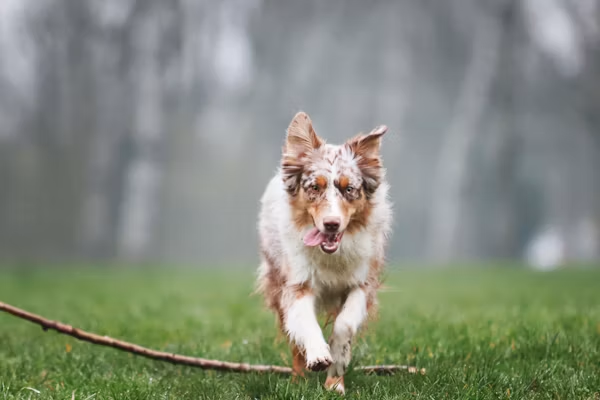
Blue Merle
One of the most recognizable color patterns.
Features include:
- Gray marbling
- Black patches
- White markings
- Copper trim
Many buyers searching for a blue merle miniature american shepherd are often attracted by this striking appearance.
Red Merle
Red merles display:
- Red marbling
- Cream highlights
- Copper accents
These are among the most sought-after puppies.
Black Tricolor
Characteristics include:
- Black base coat
- White markings
- Copper points
A classic and highly popular combination.
Red Tricolor
Features include:
- Red coat
- White markings
- Copper trim
Many owners prefer the warm appearance of red tricolors.
White Markings
White commonly appears on:
- Chest
- Collar
- Legs
- Face
Copper Points
Copper markings frequently appear:
- Above the eyes
- On the cheeks
- On the legs
- Under the tail
Eye Color Variations
Possible eye colors include:
- Brown
- Blue
- Amber
- Hazel
Some dogs have heterochromia (different-colored eyes).
Color Comparison Table
| Color Pattern | Miniature American Shepherd | Miniature Australian Shepherd |
|---|---|---|
| Blue Merle | Yes | Yes |
| Red Merle | Yes | Yes |
| Black Tricolor | Yes | Yes |
| Red Tricolor | Yes | Yes |
| Blue Eyes | Common | Common |
| Copper Points | Common | Common |
Color differences are generally not a reliable way to distinguish between the two.
Temperament Comparison
Temperament is one area where similarities significantly outweigh differences.
Miniature American Shepherd Personality
Typical traits include:
- Intelligent
- Loyal
- Alert
- Affectionate
- Eager to work
They thrive on interaction and involvement.
Miniature Australian Shepherd Personality
Most Mini Australian Shepherds display:
- Strong intelligence
- High energy
- Loyalty
- Trainability
Because of shared ancestry, personalities are often remarkably similar.
Intelligence Levels
Both breeds rank among the most intelligent companion dogs.
They quickly learn:
- Commands
- Routines
- Problem-solving tasks
This intelligence makes them excellent training candidates.
Loyalty and Affection
Both breeds are known for forming strong bonds with their families.
Owners frequently describe them as:
- Velcro dogs
- Constant companions
- Highly attentive
Emotional Sensitivity
These dogs respond best to:
- Positive reinforcement
- Consistency
- Gentle guidance
Harsh corrections often reduce confidence.
Protective Instincts
Both breeds naturally:
- Notice unusual activity
- Alert owners
- Monitor their surroundings
However, they are not typically aggressive.
Confidence Levels
Well-socialized dogs from either background are generally:
- Confident
- Adaptable
- Friendly
- Curious
Proper breeding and socialization have greater influence than breed name alone.
Family Compatibility Comparison
One of the biggest reasons people choose these breeds is family compatibility.
Which Breed Is Better With Children?
Both breeds can be excellent with children when:
- Properly socialized
- Supervised appropriately
- Given adequate exercise
There is no clear winner in this category.
Living With Seniors
Active seniors often appreciate:
- Manageable size
- Trainability
- Companionship
However, energy requirements should be carefully considered.
Bonding With Family Members
Both breeds tend to:
- Form deep attachments
- Enjoy participation in activities
- Stay close to family members
Their loyalty is one of their strongest traits.
Interaction With Strangers
Many dogs may initially appear reserved around unfamiliar people.
Early socialization typically improves confidence.
First-Time Owner Suitability
Both breeds can work for first-time owners who are committed to:
- Training
- Exercise
- Socialization
However, neither is considered a low-maintenance breed.
Miniature American Shepherd vs Mini Australian Shepherd Energy Levels
Energy level is one of the most important considerations for prospective owners.
Daily Exercise Requirements
Most dogs require:
60–120 minutes of activity per day
This may include:
- Walks
- Play sessions
- Training
- Outdoor adventures
Mental Stimulation Needs
Mental exercise is equally important.
Good activities include:
- Puzzle toys
- Obedience training
- Scent work
- Interactive games
These dogs enjoy challenges.
Working Drive Comparison
Working-line dogs often possess:
- Higher drive
- Greater stamina
- Stronger herding instincts
Companion lines may be somewhat easier to manage.
Activity Levels Indoors
With sufficient exercise, both breeds can relax indoors.
Without activity, they may become:
- Restless
- Vocal
- Destructive
Outdoor Activity Preferences
Popular activities include:
- Hiking
- Running
- Agility
- Frisbee
- Herding
Many owners researching best herding dogs for active families discover both breeds during their search.
Trainability Comparison
Few breeds match the trainability of these intelligent herding dogs.
Ease of Training
Both breeds typically learn quickly because they are:
- Food motivated
- People oriented
- Intelligent
- Eager to please
Obedience Performance
Miniature American Shepherds and Miniature Australian Shepherds often excel in:
- Basic obedience
- Advanced obedience
- Rally
- Competitive obedience
Recall Reliability
Reliable recall requires training but is generally achievable because of their strong focus on handlers.
Problem-Solving Skills
These breeds enjoy figuring things out.
Many dogs quickly learn:
- Puzzle feeders
- New commands
- Household routines
Advanced Trick Training
Both breeds often thrive when learning:
- Complex tricks
- Task sequences
- Performance routines
Dog Sports Performance
Popular sports include:
- Agility
- Flyball
- Dock diving
- Rally
- Herding trials
Performance differences are usually determined by individual dog and breeding program rather than breed name.
Intelligence Comparison
Intelligence is one of the defining traits of both breeds.
How Smart Are They?
Very smart.
Both breeds consistently rank among highly trainable working dogs.
Learning Speed
Many puppies learn:
- Sit
- Stay
- Recall
- Crate routines
within a surprisingly short time.
Adaptability
These dogs generally adapt well to:
- New environments
- Family changes
- Travel
- Different activities
provided they receive proper guidance.
Herding Instinct Comparison
Herding instincts remain strong in many bloodlines.
Common behaviors include:
- Watching movement
- Gathering groups
- Following children
- Monitoring other pets
Working Ability Differences
Working ability depends more on breeding goals than breed name.
Some breeders emphasize:
- Herding
- Performance sports
- Farm work
Others prioritize family companionship.
Herding Instincts and Working Ability
Understanding working instincts is important before choosing either breed.
Original Herding Purpose
Both breeds originated from dogs developed to:
- Move livestock
- Follow commands
- Work closely with humans
This heritage remains visible today.
Livestock Handling Skills
Well-bred dogs often demonstrate:
- Natural stock sense
- Responsiveness
- Strong work ethic
Many working-line dogs still excel on farms and ranches.
Working-Line Dogs
Working-line breeders prioritize:
- Drive
- Stamina
- Herding instincts
These dogs often require more activity.
Companion-Line Dogs
Companion breeders often focus on:
- Temperament
- Family compatibility
- Adaptability
These dogs may be easier for average households.
Herding Trial Performance
Both Miniature American Shepherds and Miniature Australian Shepherds can perform well in herding competitions when bred and trained appropriately.
Their intelligence and responsiveness make them natural candidates for working events.
Grooming Requirements Comparison
Fortunately, grooming needs are nearly identical.
Brushing Needs
Recommended:
- 2–3 brushings per week
- Daily brushing during heavy shedding seasons
Shedding Levels
Both breeds are considered:
Moderate-to-heavy shedders
Their double coats shed year-round.
Bathing Requirements
Most dogs require bathing only:
- Every few months
- When dirty
Overbathing can damage coat quality.
Coat Maintenance
Routine maintenance helps prevent:
- Mats
- Excessive loose hair
- Skin irritation
Seasonal Shedding
Shedding often increases during:
- Spring
- Fall
These seasonal coat changes can be substantial.
Grooming Comparison Table
| Grooming Factor | Miniature American Shepherd | Miniature Australian Shepherd |
| Brushing | 2–3x Weekly | 2–3x Weekly |
| Shedding | Moderate–Heavy | Moderate–Heavy |
| Bathing | Occasional | Occasional |
| Coat Type | Double Coat | Double Coat |
| Grooming Difficulty | Moderate | Moderate |
Do Miniature American Shepherds and Mini Australian Shepherds Shed?
One of the most common questions prospective owners ask is whether these breeds shed.
The answer is simple:
Yes, both breeds shed regularly.
Because they share similar ancestry and coat types, their shedding levels are nearly identical.
Shedding Comparison
Both breeds possess:
- Double coats
- Weather-resistant fur
- Seasonal coat cycles
Expect moderate shedding throughout the year and heavier shedding during seasonal transitions.
Seasonal Coat Blowouts
Most dogs experience heavier shedding during:
- Spring
- Fall
During these periods, loose undercoat can accumulate quickly.
Managing Loose Hair
Helpful strategies include:
- Regular brushing
- Quality nutrition
- Consistent grooming
- Routine coat maintenance
A well-maintained coat is easier to manage.
Best Grooming Tools
Popular grooming tools include:
- Slicker brushes
- Undercoat rakes
- Deshedding combs
- Grooming gloves
Many owners researching best grooming tools for double-coated dogs often find these tools highly effective.

Health Comparison
From a health perspective, there are far more similarities than differences.
Overall Breed Health
Both breeds are generally considered healthy when responsibly bred.
Average lifespan:
12–15 years
Proper breeding practices play a major role in long-term health.
Common Genetic Conditions
Because of their shared ancestry, both breeds may be predisposed to similar inherited conditions.
Hip Dysplasia
A developmental joint disorder affecting mobility.
Symptoms may include:
- Limping
- Stiffness
- Reduced activity
Elbow Dysplasia
A similar condition affecting the elbow joints.
Progressive Retinal Atrophy (PRA)
An inherited eye disease that can lead to vision loss.
Cataracts
Can affect visual clarity and overall eye health.
MDR1 Drug Sensitivity
Particularly important in herding breeds.
Affected dogs may react poorly to certain medications.
Epilepsy
Some bloodlines may have a predisposition to seizure disorders.
Health Testing Recommendations
Regardless of breed name, breeders should perform:
- Hip evaluations
- Eye certifications
- MDR1 testing
- Genetic disease screening
Health testing is often a better indicator of quality than breed label alone.
Lifespan Comparison
Prospective owners often ask which breed lives longer.
Average Lifespan
Both breeds generally live:
12–15 years
Some individuals exceed this range with excellent care.
Factors Affecting Longevity
Important influences include:
- Genetics
- Nutrition
- Exercise
- Veterinary care
- Weight management
Preventive Healthcare
Regular preventive care should include:
- Wellness exams
- Vaccinations
- Dental care
- Parasite prevention
Which Breed Lives Longer?
There is no meaningful lifespan advantage between the two.
Individual health and breeding quality matter far more.
Feeding and Nutrition Comparison
Nutritional needs are nearly identical.
Puppy Feeding Requirements
Growing puppies require:
- High-quality protein
- Balanced fats
- DHA
- Essential minerals
Choose foods designed for active, medium-sized puppies.
Adult Feeding Needs
Adult dogs benefit from diets supporting:
- Lean muscle
- Joint health
- Sustained energy
Activity-Based Diet Differences
Highly active dogs may require:
- Increased calories
- Higher protein intake
Less active dogs require careful portion management.
Weight Management
Maintaining healthy body condition helps reduce:
- Joint stress
- Mobility issues
- Chronic disease risks
Obesity remains one of the most preventable health concerns.
Living Requirements Comparison
Many buyers wonder whether one breed adapts better to certain living environments.
Apartment Living
Both breeds can adapt to apartment living if:
- Exercise needs are met
- Mental stimulation is provided
- Daily routines are maintained
However, they are not naturally low-energy apartment dogs.
House With Yard
A fenced yard offers:
- Exercise opportunities
- Play space
- Convenience
Still, a yard alone does not replace interaction and exercise.
Urban Living
Both breeds can succeed in cities when:
- Properly trained
- Socialized
- Exercised regularly
Rural Living
Their herding heritage often makes rural environments especially appealing.
Many thrive on:
- Larger properties
- Outdoor activities
- Working opportunities
Climate Adaptability
Their double coats provide reasonable tolerance for:
- Cool weather
- Moderate climates
Extra precautions should be taken during extreme heat.
Miniature American Shepherd vs Miniature Australian Shepherd Cost
Cost is another area where similarities dominate.
Puppy Price Comparison
Typical pricing ranges:
| Breed | Price Range |
|---|---|
| Miniature American Shepherd | $1,500–$3,500+ |
| Miniature Australian Shepherd | $1,000–$3,500+ |
Prices vary significantly by breeder quality and bloodline.
Breeder Pricing Differences
Factors affecting price include:
- Health testing
- Registration status
- Pedigree quality
- Competition titles
Adoption Costs
Adoption generally ranges:
$100–$600
depending on organization and location.
Veterinary Expenses
Annual healthcare costs often range from:
$300–$1,000+
Grooming Costs
Professional grooming may cost:
$50–$100 per session
Lifetime Ownership Costs
Over 12–15 years, total ownership costs frequently exceed:
$15,000–$30,000+
Cost Comparison Table
| Expense | Miniature American Shepherd | Miniature Australian Shepherd |
| Puppy Price | Similar | Similar |
| Food Costs | Similar | Similar |
| Veterinary Costs | Similar | Similar |
| Grooming Costs | Similar | Similar |
| Lifetime Cost | Similar | Similar |
Breeders and Registration Differences
This is one of the most important distinctions between the two.
AKC Miniature American Shepherd Breeders
Breeders producing AKC Miniature American Shepherds must follow recognized breed standards.
Many buyers specifically seek:
- AKC registration
- Health testing
- Breed club involvement
Mini Australian Shepherd Registries
Miniature Australian Shepherds may be registered through:
- Alternative registries
- Independent organizations
Requirements vary depending on the registry.
Registration Requirements
The Miniature American Shepherd has a standardized AKC framework.
Mini Australian Shepherd registration systems may differ.
Health Testing Expectations
Health testing should remain a priority regardless of registry affiliation.
Choosing a Reputable Breeder
Focus on:
- Transparency
- Health testing
- Socialization
- Reputation
rather than registration alone.
Many prospective owners researching Miniature American Shepherd breeders also review guides on health testing in herding breeds and responsible puppy selection before making a decision.
Miniature American Shepherd vs Mini Australian Shepherd for Families
Both breeds can make excellent family companions.
Best Choice for Families
For most families:
Either breed can be a wonderful choice.
The breeder and individual dog’s temperament often matter more than the breed label.
Best Choice for Active Owners
Active owners may enjoy:
- Hiking
- Running
- Agility
- Dog sports
Both breeds excel in these activities.
Best Choice for First-Time Owners
Companion-focused breeding programs generally offer the easiest transition for beginners.
Best Choice for Dog Sports
Both breeds thrive in:
- Agility
- Rally
- Flyball
- Obedience
Best Choice for Rural Living
Working-line dogs from either background often excel in rural settings.
Miniature American Shepherd vs Mini Australian Shepherd for First-Time Owners
Which Breed Is Easier to Manage?
Neither breed is particularly difficult, but both require:
- Training
- Exercise
- Mental stimulation
Training Challenges
Common challenges include:
- Herding behaviors
- Excessive barking
- Overexcitement
Fortunately, both breeds are highly trainable.
Exercise Commitment
Daily activity is non-negotiable.
Most adults require:
60–120 minutes of activity each day
Common Beginner Mistakes
Many owners underestimate:
- Exercise requirements
- Mental stimulation needs
- Grooming commitments
Preparation helps avoid frustration.
Pros and Cons of the Miniature American Shepherd
Advantages
AKC Recognition
Offers standardized breed requirements.
Predictable Breed Standards
Consistency is often easier to maintain.
Excellent Family Companion
Loyal and affectionate.
Highly Intelligent
Excels in training and dog sports.
Manageable Size
Smaller than standard Australian Shepherds.
Challenges
High Energy
Requires daily exercise.
Grooming Needs
Double coats require maintenance.
Mental Stimulation Requirements
Bored dogs often create problems.
Ideal Owner Profile
Best suited for:
- Active individuals
- Families
- Outdoor enthusiasts
Pros and Cons of the Miniature Australian Shepherd
Advantages
Similar Intelligence
Highly trainable and responsive.
Strong Working Ability
Excellent for active homes.
Loyal Personality
Forms deep family bonds.
Athleticism
Thrives in physical activities.
Challenges
Variable Standards
Consistency may depend more heavily on breeder practices.
Similar Exercise Demands
Requires significant activity.
Grooming Commitments
Shedding and coat care remain ongoing responsibilities.
Ideal Owner Profile
Best suited for:
- Active owners
- Working-dog enthusiasts
- Experienced dog families
Which Breed Should You Choose?
The final decision often comes down to your goals rather than major breed differences.
Choose a Miniature American Shepherd If…
You want:
- AKC recognition
- Standardized breed expectations
- Participation in AKC programs
- Greater consistency in registration standards
Choose a Miniature Australian Shepherd If…
You find:
- A reputable breeder
- Strong health testing
- Excellent temperament
- The type of dog you prefer
Remember that some dogs labeled Mini Australian Shepherds are extremely similar to Miniature American Shepherds.
Key Decision Factors
Focus on:
- Breeder quality
- Health testing
- Temperament
- Lifestyle compatibility
These factors matter more than terminology.
Lifestyle Considerations
Ask yourself:
- Can I provide daily exercise?
- Am I committed to training?
- Do I have time for grooming?
If the answer is yes, either breed may fit well.
Long-Term Ownership Expectations
Expect:
- Strong companionship
- High intelligence
- Active lifestyles
- Ongoing engagement
These are not passive companion dogs.
Frequently Asked Questions About Miniature American Shepherd vs Miniature Australian Shepherd
Are Miniature American Shepherds and Mini Australian Shepherds the Same Breed?
Not exactly. The Miniature American Shepherd is the AKC-recognized breed that evolved from earlier Miniature Australian Shepherd breeding programs.
Why Did the Name Change?
The name changed during the breed recognition process to establish a distinct breed identity.
Which Breed Is Bigger?
Size differences are usually minimal.
Which Breed Is Smarter?
Both breeds are exceptionally intelligent and highly trainable.
Which Breed Is Better With Families?
Both can be excellent family companions when properly bred and socialized.
Which Breed Sheds More?
Shedding levels are very similar.
Which Breed Costs More?
Pricing is generally comparable.
Which Breed Is Easier to Train?
Both breeds are among the easiest working breeds to train.
Are Both AKC Recognized?
No.
The Miniature American Shepherd is AKC recognized.
The Miniature Australian Shepherd is not recognized as a separate AKC breed.
Which Breed Is Better for First-Time Owners?
Either can work well for dedicated first-time owners who understand the breed’s exercise and training requirements.
Conclusion
When comparing the Miniature American Shepherd vs Miniature Australian Shepherd, the most important takeaway is that these dogs share a deeply connected history. The modern Miniature American Shepherd developed directly from breeding programs that originally produced dogs known as Miniature Australian Shepherds.
Today, the biggest distinction is registration and standardization. The Miniature American Shepherd is the officially recognized AKC breed, while the Miniature Australian Shepherd name is still used by some breeders and registries.