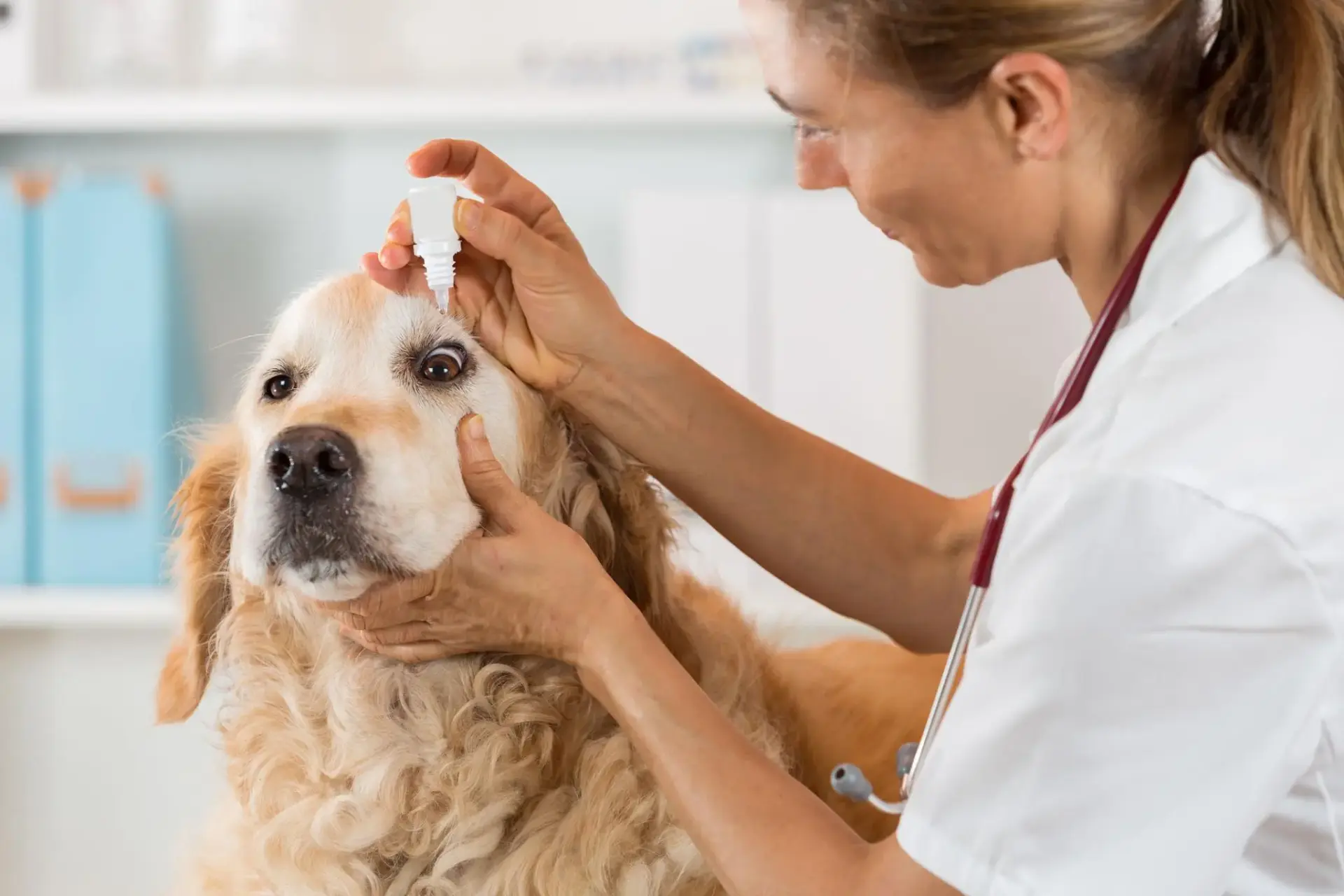
It can be shocking and stressful to notice your dog’s eye suddenly swollen—one moment they’re perfectly fine, and the next, there’s visible puffiness, redness, or even discharge. As a pet owner, your mind might immediately jump to worst-case scenarios: Is it an infection? Did they injure themselves? Could they lose vision? This concern is valid because dogs eye swollen all of a sudden can stem from a wide range of causes, from mild irritations like dust to more serious conditions requiring urgent veterinary care. The uncertainty is what makes it so alarming—but what if you could quickly understand what’s happening and take the right steps immediately?
Here’s the quick answer: Most sudden eye swelling in dogs is treatable, especially when addressed early. Start by gently checking for visible debris, monitor your dog’s behavior, and avoid letting them scratch the area. Mild cases may improve with basic care like saline rinses, but persistent or severe swelling always requires a vet visit. Knowing the difference between minor irritation and a real emergency is key—and that’s exactly what this guide will help you master as you read further.
What Does a Swollen Eye in Dogs Look Like?

Recognizing the symptoms early can make a huge difference in treatment. A swollen eye isn’t always just “puffy”—it often comes with other noticeable signs that point to the underlying issue.
Common Visual Symptoms
- Swelling around the eye or eyelid (can affect one or both eyes)
- Redness or bloodshot appearance
- Discharge (clear, yellow, or green)
- Excessive tearing or watery eyes
- Crust formation around the eye
Behavioral Signs to Watch
Dogs can’t tell you what’s wrong, but their behavior speaks volumes:
- Pawing or rubbing their eye
- Squinting or keeping the eye closed
- Sensitivity to light
- Lethargy or irritability
These symptoms often overlap with conditions like dog eye inflammation and dog eye infection symptoms, making it essential to observe closely.
Quick Symptom Breakdown Table
| Symptom | Possible Cause | Severity Level |
|---|---|---|
| Mild swelling | Allergy or irritation | Low |
| Redness + discharge | Infection | Moderate |
| Squinting + pain | Injury or foreign object | Moderate–High |
| Bulging or cloudy eye | Glaucoma or serious condition | High |
Common Causes of Sudden Eye Swelling in Dogs

Understanding the root cause is crucial. Let’s break down the most common reasons why your dog’s eye may swell unexpectedly.
1. Allergic Reactions
Allergies are one of the most common and least dangerous causes.
Triggers include:
- Pollen, dust, mold
- Certain foods
- Insect bites or stings
Pros & Cons of Allergy-Related Swelling
| Pros | Cons |
|---|---|
| Usually temporary | Can recur frequently |
| Often treatable at home | May worsen without treatment |
| Responds to antihistamines | Hard to identify exact trigger |
2. Eye Infections (Conjunctivitis)
Often referred to as pink eye, this condition can develop quickly.
Signs include:
- Sticky or thick discharge
- Redness and irritation
- Swelling of eyelids
This is commonly searched as dog conjunctivitis swollen eye, and it often requires medication.
Learn more about symptoms and care in this comprehensive guide to dog eye infections.
3. Foreign Objects in the Eye
Dogs are naturally curious, which means their eyes are exposed to debris.
Common culprits:
- Dust particles
- Grass seeds
- Sand or dirt
Even a tiny object can cause significant irritation and swelling.
4. Eye Injuries or Trauma
Physical injuries can happen during:
- Rough play
- Fights with other animals
- Running through bushes
These can lead to corneal ulcers or scratches, which are painful and require prompt care.
5. Blocked Tear Ducts
When tear ducts are blocked:
- Fluid accumulates
- Swelling develops
- Tear staining may occur
This condition is more common in certain breeds.
6. Parasites or Insect Bites
Bites near the eye can cause rapid swelling.
Examples include:
- Mosquito bites
- Tick attachment
- Mite infestations
7. Glaucoma or Serious Eye Conditions
This is one of the most serious causes and should never be ignored.
Warning signs:
- Bulging eye
- Cloudy or bluish appearance
- Severe pain
Read more about warning signs in this veterinary explanation of canine glaucoma.
Cause Comparison Table
| Cause | Onset Speed | Pain Level | Requires Vet? |
|---|---|---|---|
| Allergies | Sudden | Low | Sometimes |
| Infection | Gradual/Sudden | Moderate | Yes |
| Foreign object | Immediate | Moderate | Often |
| Injury | Immediate | High | Yes 🚨 |
| Glaucoma | Rapid | Severe | Emergency 🚨 |
Veterinary Treatment Options

When home care isn’t enough—or if symptoms are severe—a veterinarian becomes essential. The good news is that most cases of dogs eye swollen all of a sudden can be effectively treated once the underlying cause is identified.
Veterinary treatment isn’t just about relieving swelling—it’s about protecting your dog’s vision and preventing long-term damage.
How Vets Diagnose Eye Swelling in Dogs
Before prescribing treatment, vets perform a thorough eye examination. This step is crucial because similar symptoms can have very different causes.
Common Diagnostic Tests
- Fluorescein stain test
Detects scratches or corneal ulcers using a special dye - Tear production test (Schirmer test)
Measures if your dog produces enough tears - Eye pressure test
Helps diagnose glaucoma - Physical examination
Checks for foreign objects, चोट, or swelling patterns
Diagnosis Methods Overview
| Test | Purpose | Used For |
|---|---|---|
| Fluorescein stain | Detect corneal damage | Injuries, ulcers |
| Tear test | Measure tear production | Dry eye conditions |
| Eye pressure test | Check internal pressure | Glaucoma |
| Visual inspection | Identify visible issues | Allergies, infections |
Common Veterinary Treatments
Once the cause is identified, treatment becomes more targeted. Below are the most common options for treatment for dog eye infection swelling and related conditions.
1. Antibiotic or Anti-inflammatory Eye Drops
These are often the first line of treatment.
Used for:
- Bacterial infections
- Conjunctivitis
- Minor injuries
Pros & Cons
| Pros | Cons |
|---|---|
| Fast-acting relief | Requires regular application |
| Targets infection directly | Some dogs resist drops |
| Widely available | Must complete full course |
2. Antihistamines for Allergies
If swelling is caused by an allergic reaction, vets may prescribe antihistamines.
Benefits:
- Reduces swelling quickly
- Relieves itching and discomfort
Downside:
- May cause mild drowsiness
3. Pain Relief Medications
Pain management is crucial, especially in cases involving injury or inflammation.
Options include:
- Anti-inflammatory drugs
- Mild pain relievers
These help your dog stay comfortable while healing.
4. Surgical Intervention (Severe Cases)
Surgery is rare but necessary in serious conditions such as:
- Advanced glaucoma
- Deep corneal ulcers
- Tumors or structural damage
Treatment Comparison Table
| Treatment Type | Best For | Recovery Time |
|---|---|---|
| Eye drops | Infections, irritation | 3–7 days |
| Antihistamines | Allergies | 1–3 days |
| Pain relief meds | Injury, inflammation | Varies |
| Surgery | Severe conditions | Weeks |
How Long Does Recovery Take?
Recovery depends entirely on the cause:
- Mild irritation/allergy: 1–3 days
- Infections: 5–10 days
- Injuries: 1–2 weeks
- Serious conditions: Several weeks or ongoing care
Early treatment dramatically shortens recovery time and prevents complications.
Risks of Delaying Treatment
Ignoring symptoms or delaying vet care can lead to:
- Permanent vision loss
- Chronic eye problems
- Increased pain and discomfort
- Higher treatment costs later
How to Prevent Eye Problems in Dogs

While not every case of dogs eye swollen all of a sudden can be avoided, many eye issues are preventable with consistent care and awareness. Think of prevention as your dog’s first line of defense.
1. Regular Eye Cleaning & Grooming
Keeping your dog’s eyes clean reduces the risk of infection and irritation.
Best practices:
- Gently wipe eyes with a damp, clean cloth
- Remove tear stains and debris
- Trim fur around the eyes (especially for long-haired breeds)
2. Avoid Allergens & Irritants
Environmental triggers are a major cause of swelling.
Common irritants to watch for:
- Dust and pollen
- Smoke or strong chemicals
- Household cleaning products
Tip: Keep your dog away from freshly sprayed areas or dusty environments.
3. Monitor Playtime & Surroundings
Dogs love to explore—but that can sometimes lead to injury.
Reduce risks by:
- Avoiding thorny bushes or sharp objects
- Supervising rough play
- Checking eyes after outdoor activities
4. Routine Vet Check-Ups
Regular visits help catch problems early—before they become serious.
- Annual checkups are essential
- Immediate visits for unusual symptoms
- Early diagnosis = faster recovery
5. Maintain a Healthy Diet
A balanced diet supports overall eye health.
Include:
- Vitamins A & E
- Omega-3 fatty acids
- High-quality dog food
Pros & Cons of Preventive Care
| Pros | Cons |
|---|---|
| Reduces risk of infections | Requires consistency |
| Saves money long-term | Takes time and effort |
| Improves overall health | Not all issues are preventable |
| Helps early detection | بعض الحالات تظهر فجأة |
Frequently Asked Questions (FAQ)
Why is only one eye swollen in my dog?
If only one eye is affected, it’s usually due to a localized issue such as:
- Injury or scratch
- Insect bite
- Foreign object
This is less likely to be systemic and more likely something external.
Can dog eye swelling go away on its own?
Yes—mild cases caused by irritation or allergies may resolve within a day or two. However:
- Monitor closely
- If symptoms persist beyond 48 hours, see a vet
Can I use human eye drops for my dog?
No. Never use human medication unless specifically instructed by a vet.
Why?
- Some ingredients can harm dogs
- Incorrect dosage may worsen the problem
How long does eye swelling last in dogs?
| Cause | Typical Duration |
|---|---|
| Mild irritation | 1–3 days |
| Allergies | 1–5 days |
| Infection | 5–10 days |
| Injury | 1–2 weeks |
| Serious conditions | Weeks or ongoing |
Conclusion

Seeing your dogs eye swollen all of a sudden can feel overwhelming—but with the right knowledge, it becomes far more manageable. As we’ve explored, the causes can range from simple allergies and minor irritations to serious medical conditions that require urgent care.
The key takeaway? Pay attention, act early, and don’t hesitate to seek professional help when needed. Your dog depends on you to notice subtle changes and respond quickly.
By combining preventive care, timely treatment, and informed decision-making, you can protect your dog’s vision and overall well-being. Even small daily habits—like cleaning their eyes or monitoring their environment—can make a big difference over time.
Remember: When in doubt, always consult a veterinarian. It’s better to be safe than risk your pet’s health.
Final Thought
Your dog’s eyes are not just adorable—they’re essential to their quality of life. Staying proactive ensures they continue to see the world clearly, comfortably, and happily.