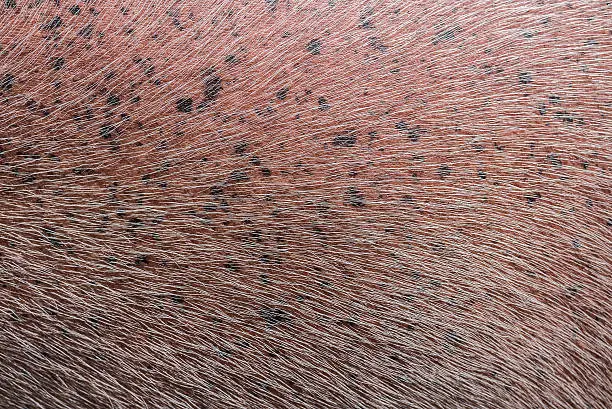
Finding bumps on your dog’s skin can be unsettling. One day your dog feels perfectly normal, and the next you notice small raised spots, a soft lump under the skin, or something that looks like a pimple where fur used to be smooth. The first reaction most dog owners have is fear—Is this serious? Is it cancer? Did I miss something important?
The reassuring news is this: bumps on dogs’ skin are very common, and many of them are harmless or easily treatable. Dogs can develop bumps for all kinds of reasons, from mild allergies and insect bites to infections, cysts, or fatty growths. However, some bumps do require fast veterinary attention, especially if they appear suddenly or are linked with other symptoms.
This guide is designed to help you:
- Identify the type of bump you’re seeing
- Understand the most common causes
- Know what you can safely monitor at home
- Recognize red flags that mean it’s time to see a vet
- Understand how vets diagnose and treat skin bumps
A simple rule of thumb to keep in mind:
👉 Sudden bumps with swelling, face involvement, or breathing trouble are urgent.
👉 Slow-growing, soft, movable lumps are often less urgent—but still worth checking.
Let’s start by clearing up one of the biggest sources of confusion.
1) First: Are These “Bumps” or “Lumps”?
Many dog owners use the word bump to describe anything unusual on the skin. In reality, there are several different categories, and knowing the difference helps narrow down the cause.
Bumps vs. Lumps vs. Rashes
- Bumps usually refer to raised areas on the surface of the skin, such as hives, pimples, or inflamed follicles.
- Lumps are typically under the skin, often felt more than seen at first. These include cysts, lipomas, or tumors.
- Rashes involve inflamed or irritated skin rather than a distinct mass and may come with redness, hair loss, or itching.
Common Skin Terms (Made Simple)
You might hear vets use medical terms like these:
- Papules – small, solid, raised bumps (often red)
- Pustules – bumps filled with pus (pimple-like)
- Wheals – soft, raised welts that appear suddenly (typical of hives)
- Nodules – firmer, deeper bumps under the skin
What It Feels Like Matters
When you find a bump, gently note:
- Is it soft or firm?
- Does it move under the skin or feel fixed in place?
- Is it warm, painful, or tender?
- Is the surface smooth, crusty, or scabby?
These details are incredibly helpful later, especially if your vet needs to decide whether a lump should be tested or monitored.
2) Fast Triage: When to Worry (Emergency vs. Monitor)
Not all bumps are equal. Some can wait a few days, while others should be treated as emergencies.
🚨 Emergency “Go Now” Signs
Seek immediate veterinary care if you notice:
- Swelling of the face, lips, or eyelids
- Breathing difficulty, collapse, or extreme weakness
- Rapidly spreading bumps appearing within minutes or hours
- Severe itching with swelling
- A bump that is bleeding, ulcerated, or suddenly very painful
- Bumps accompanied by fever, vomiting, or lethargy
These signs may indicate a severe allergic reaction, infection, or other urgent condition that should not be delayed.
🩺 “Book a Vet Visit Soon” Signs
Schedule a veterinary appointment if a bump:
- Is growing quickly over days or weeks
- Feels hard, irregular, or fixed
- Is oozing, draining, or foul-smelling
- Keeps coming back in the same spot
- Has been present for weeks or months
- Is larger than a pea and still increasing in size
Early evaluation often makes treatment simpler and less invasive.
👀 “Monitor at Home” (With Care)
Some bumps can be monitored short-term if they are:
- Small, stable, and non-painful
- Not changing in size, color, or shape
- Not bothering your dog at all
Even then, it’s wise to take photos, measure the size, and mention it at your dog’s next vet visit.
3) The Most Common Causes of Bumps on Dogs’ Skin
Now that you know how to assess urgency, let’s look at the most frequent reasons dogs develop skin bumps. Think of this section as a hub—each cause has its own patterns and clues.
3.1 Allergic Reactions and Hives (Urticaria)
Allergic reactions are one of the most common reasons dogs develop sudden bumps.
What dog hives look like
- Raised, soft welts on the skin
- Can appear very suddenly
- Often itchy, sometimes painful
- May come and go quickly
Common triggers include:
- Insect bites or stings
- New shampoos or grooming products
- Medications or vaccines
- Certain foods or treats
- Environmental allergens like pollen or grass
In many cases, hives last a few hours to up to 48 hours and then fade. However, hives can sometimes progress to dangerous swelling of the face or throat, which is why sudden bumps should always be taken seriously.
For a deeper explanation of allergic skin reactions in dogs, this guide on dog hives and allergic reactions explains symptoms and warning signs in detail.
3.2 Insect Bites, Stings, and Mite Irritation
Bugs love dogs just as much as they love humans—sometimes more.
- Fleas often cause clusters of small itchy bumps, especially near the tail base
- Mosquitoes commonly bite areas with less fur, like the belly or ears
- Ant bites can create small red bumps, sometimes with swelling
When dogs scratch these bites repeatedly, they can break the skin and allow bacteria to enter, leading to infection. This is why even a “simple bite” shouldn’t be ignored if it worsens.
You can learn more about how bites turn into skin problems in this resource on common dog skin conditions and irritations.
3.3 Bacterial Skin Infections (Folliculitis / Superficial Pyoderma)
These infections often show up as:
- Pimple-like bumps around hair follicles
- Crusts or scabs
- Patchy hair loss
- Mild to intense itching
They usually don’t start on their own. Instead, they develop when something else—like allergies, parasites, or excessive licking—damages the skin barrier.
If left untreated, these infections can spread or become chronic. This is why persistent pimples or scabby bumps should be checked rather than brushed off as “just acne.”
3.4 Yeast and Fungal Skin Issues
Yeast problems often overlap with allergies and infections.
Common signs include:
- Greasy or oily-feeling skin
- A strong, musty odor
- Redness and thickened skin
- Bumps combined with itching
These issues rarely resolve without treatment and often require medicated shampoos or prescription therapy.
3.5 Cysts and Blocked Oil Glands
Cysts are one of those things that look alarming but are often less serious than they appear—at least at first.
A cyst usually feels like a round, smooth lump under the skin. It may be firm or slightly squishy and often moves a little when you press around it. Many cysts form when an oil gland or hair follicle becomes blocked.
Common signs include:
- A slow-growing lump under the skin
- Skin over the lump looking normal at first
- A sudden change if the cyst ruptures
When a cyst breaks open, it can leak a thick, sometimes foul-smelling material. At that point, it’s no longer harmless. Open cysts are prone to infection and should be seen by a vet.
It’s tempting to squeeze these at home. Don’t. That almost always makes things worse and can push bacteria deeper into the skin. If you want a medical overview, this guide on lumps, bumps, and cysts in dogs explains why professional drainage matters.
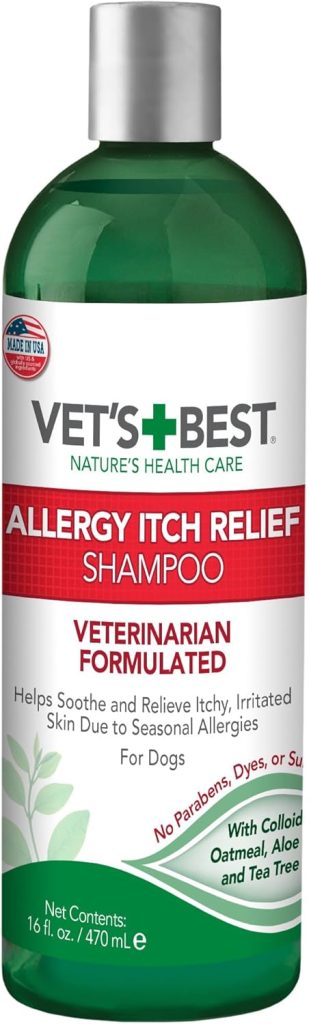
Vet’s Best Allergy Itch Dog Shampoo
Vet’s Best Allergy Itch Relief Dog Shampoo, Oatmeal Dog Shampoo for Itchy Skin, Cleans and Relieves Discomfort from Seasonal Allergies, Anti Itch Dog…
3.6 Warts (Papillomas) and Skin Tags
Warts and skin tags are common, especially as dogs age—or in younger dogs with developing immune systems.
Warts (Papillomas)
Dog warts usually:
- Look cauliflower-like
- Appear around the mouth, lips, or face
- Occur more often in puppies and young dogs
Most viral papillomas resolve on their own over time as the immune system catches up. They look ugly, but they’re usually not dangerous.
Skin Tags
Skin tags are softer, flatter growths that hang from the skin. They are:
- Typically harmless
- More common in older dogs
- Only concerning if they change color, bleed, or get irritated
If you’re unsure whether a growth is a wart, skin tag, or something else, this overview of common dog skin growths breaks down visual differences clearly.
3.7 Lipomas (Fatty Lumps)
Lipomas are among the most common lumps found in adult and senior dogs.
They have a very recognizable feel:
- Soft and rubbery
- Easy to move under the skin
- Painless
Lipomas tend to grow slowly and often appear on the chest, abdomen, or legs. While they’re benign, size still matters. A lipoma that grows large enough can interfere with movement or press against nearby structures.
Vets usually monitor these unless:
- Growth accelerates
- Mobility becomes restricted
- The location causes discomfort
This is a classic example of a lump that isn’t urgent—but shouldn’t be ignored forever.
3.8 Abscesses
Abscesses are painful and tend to announce themselves loudly.
They often develop after:
- Bite wounds
- Punctures from sticks or thorns
- Untreated skin infections
An abscess may feel:
- Warm to the touch
- Firm at first, then soft
- Painful when pressed
Dogs with abscesses may also act off—less energy, reduced appetite, or sensitivity when touched. These almost always need veterinary treatment, often involving drainage and antibiotics.
3.9 Tumors (Benign vs. Malignant)
This is the part everyone worries about, and for good reason.
Here’s the truth many owners don’t expect: you cannot tell whether a tumor is cancerous just by looking at it.
Some malignant tumors feel soft. Some benign ones feel hard. Size alone doesn’t determine risk either. This is why vets rely on testing instead of guesswork.
Warning signs that raise concern include:
- Rapid growth
- Irregular shape
- Firm or fixed position
- Ulceration or bleeding
A simple needle test can often provide answers quickly. If you want to understand why appearance alone isn’t reliable, this article on when to worry about lumps on dogs explains the reasoning clearly.
4) “Where Is the Bump?” Location-Based Clues
Location gives surprisingly useful hints about what might be going on.
Bumps on the Belly or Groin
These areas have less fur and more exposure. Common causes include:
- Allergies
- Contact irritation from grass or chemicals
- Insect bites
Bumps on the Back or Neck
Often linked to:
- Fleas
- Folliculitis
- Pressure from collars or harnesses
Bumps on the Face or Muzzle
These deserve extra attention. Sudden facial bumps may signal:
- Hives
- Insect stings
- Allergic reactions that can escalate
If facial swelling is paired with breathing changes, treat it as urgent.
Bumps Between the Toes (Interdigital)
These are frequently painful and may involve:
- Infection
- Allergies
- Foreign objects like grass awns
Ear Bumps
Ear bumps can come from:
- Allergies
- Infection
- Fluid-filled hematomas
Tail Base Bumps
This area is a classic hotspot for flea allergy dermatitis. Even one flea bite can cause intense inflammation here.

Douxo S3 Pyo Mousse
Douxo S3 Pyo Mousse, Contains 3% Chlorhexidine & 0.5% Ophytrium, Antiseptic & Hydrating, for Bacterial or Yeast Skin Infections, for Dogs, 5 fl. oz….
5) “What Do They Look Like?” Appearance-Based Identification
Many owners search by what they see, not what it’s called.
- Small red bumps → allergies, bites, early infection
- Whitehead or pus-filled bumps → bacterial infection
- Hard lump under the skin → cysts, tumors, chronic inflammation
- Soft movable lump → lipoma
- Crusty or scabby bumps → infection or repeated scratching
- Black bumps → clogged pores, benign pigmentation, or tumors
- Bleeding bumps → trauma, tumors, infected growths
- Bumps that appear and disappear quickly → hives
Patterns matter more than single bumps. Sudden onset plus fast disappearance strongly points toward an allergic cause.
6) Itchy vs. Not Itchy: What That Tells You
This simple distinction can narrow things down quickly.
Itchy Bumps Often Mean:
- Allergies
- Parasites
- Bacterial or yeast infections
Non-Itchy Lumps Are More Likely:
- Lipomas
- Cysts
- Benign growths
That said, a lack of itch doesn’t guarantee safety. Any lump that changes over time still deserves attention.
7) At-Home Checks: What Owners Should Do Before the Vet Visit
Before you rush to conclusions or start Googling worst-case scenarios, there are a few practical things you can do at home. These steps won’t replace a vet visit, but they will help you notice patterns and give your vet better information.
Keep a Simple Photo and Size Log
Take a clear photo of the bump:
- From the same angle
- In good lighting
- Every few days
Place a coin or ruler next to it for scale. You’d be surprised how often growth feels “faster” than it really is until you look at photos side by side.
Do a Gentle “Touch Test”
With clean hands, lightly feel the area and note:
- Does your dog pull away or seem uncomfortable?
- Is the bump warm compared to nearby skin?
- Does it move slightly or feel stuck in place?
Don’t press hard. You’re observing, not diagnosing.
Check the Rest of the Body
Dogs rarely develop just one issue in isolation. Run your hands over:
- The chest and belly
- Behind the ears
- Under the legs
- Along the back and tail base
Finding multiple similar bumps often points toward allergies or parasites rather than a single growth.
Think About Recent Changes
Ask yourself:
- New food or treats?
- New shampoo or grooming visit?
- Recent vaccines or medications?
- Time spent in tall grass, woods, or around insects?
Patterns here are often more helpful than the bump itself. This breakdown of common dog skin reactions and triggers explains how environmental changes affect the skin.
8) Vet Diagnosis: What to Expect
Many owners avoid the vet because they’re afraid of bad news. In reality, most visits for skin bumps are straightforward and often reassuring.
The Physical Exam
Your vet will look at:
- Size, shape, and texture
- Location and number of bumps
- Whether the skin itself looks healthy
They’ll also ask questions similar to the ones you just considered at home.
Fine Needle Aspirate (FNA)
This sounds scarier than it is. A tiny needle is used to collect cells from the lump, often without sedation. It’s quick, low-risk, and incredibly useful.
Other Possible Tests
Depending on what’s suspected:
- Cytology (examining cells under a microscope)
- Biopsy (small tissue sample)
- Skin scraping (for mites or parasites)
- Culture (to identify bacteria or yeast)
If allergies are suspected, your vet may recommend a diet trial or environmental testing later on. This guide on how vets evaluate lumps on dogs explains why testing matters more than appearance.
9) Treatment Options (By Cause)
Treatment depends entirely on why the bump exists. There’s no one-size-fits-all solution.
9.1 Hives and Allergic Reactions
Mild cases may resolve on their own, but vets often prescribe:
- Antihistamines
- Short courses of steroids
If swelling affects the face or breathing, treatment becomes urgent. This article on dog hives and allergic reactions explains when allergies cross the line into emergencies.
9.2 Bacterial and Yeast Infections
These usually require:
- Medicated shampoos
- Topical treatments
- Oral antibiotics or antifungals in persistent cases
Stopping treatment too early is a common reason infections come back.
9.3 Parasites
Effective treatment focuses on:
- Flea prevention
- Mite-specific medications
- Cleaning bedding and living areas
Treating the dog without treating the environment often leads to repeat problems.
9.4 Cysts and Abscesses
Some cysts are monitored. Others need:
- Professional drainage
- Antibiotics
- Surgical removal if recurrent
Abscesses almost always require veterinary care.
9.5 Growths (Lipomas, Warts, Tumors)
Management may involve:
- Monitoring size and location
- Surgical removal if problematic
- Biopsy when diagnosis is uncertain
Decisions are usually based on comfort, growth rate, and test results—not panic.
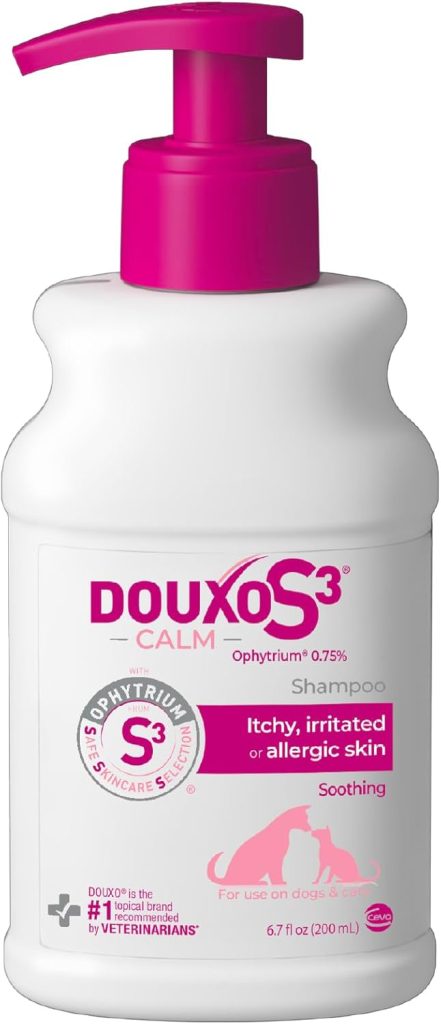
Douxo S3 Calm Shampoo
Douxo S3 Calm Shampoo, Contains 0.75% Ophytrium, Soothing, For Itchy, Irritated or Allergic Skin, For Dogs and Cats, 6.7 fl. oz. (200mL)
10) What NOT to Do
Well-meaning mistakes can make skin problems worse.
- Don’t pop bumps or squeeze cysts
- Don’t cut or drain anything at home
- Don’t apply random human creams
- Don’t ignore face swelling or breathing changes
- Don’t assume “old dog lump” means harmless
If you’re unsure, doing less is usually safer than doing too much.
11) Prevention: Reducing Recurrence
While not every bump can be prevented, many skin issues can be reduced with consistent care.
- Keep dogs on year-round flea prevention
- Bathe regularly using vet-approved products
- Wipe paws and bellies after outdoor exposure
- Use diet trials for chronic allergy cases
- Wash bedding frequently
- Schedule follow-ups for recurring issues
Skin problems often improve when triggers are controlled, even if they never disappear completely.
12) FAQ: Quick Answers to Common Questions
Why does my dog have bumps all of a sudden?
Sudden bumps are often allergic reactions, insect bites, or hives.
Can dog hives go away on their own?
Yes, mild cases may resolve within 24–48 hours, but worsening symptoms need veterinary care.
Are dog warts contagious to humans?
No. Canine papillomas are species-specific.
What does folliculitis look like on dogs?
Small red or pus-filled bumps around hair follicles, often with crusting.
When should a lump be biopsied?
When it grows quickly, changes shape, or cannot be identified with simpler tests.
My dog has bumps but isn’t itchy—what could it be?
Lipomas, cysts, and benign growths are common non-itchy causes.
Bumps after grooming—contact dermatitis?
Yes. Shampoos, clippers, or friction can trigger temporary irritation.
Bumps after vaccines—is that normal?
Small injection-site lumps can occur and often resolve, but persistent or painful ones should be checked.
Conclusion
Bumps on a dog’s skin can look frightening, but most are manageable when approached calmly and logically. What matters most isn’t just what the bump looks like—but how fast it appeared, whether it’s changing, and how your dog feels overall.
Tracking changes, avoiding home treatment mistakes, and knowing when to seek help can make a huge difference. When in doubt, a veterinary exam provides clarity—and peace of mind.
If your dog develops a new, changing, or concerning bump, scheduling a vet visit sooner rather than later is always the safest move.