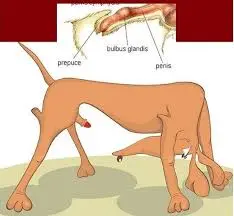
1. Home Treatment and First-Aid Care
If you’ve noticed your dog experiencing some discomfort, especially around their genital area, it could be due to a condition known as paraphimosis. This condition occurs when a dog’s penis is unable to retract into the protective preputial sheath, leading to swelling, pain, and potentially more severe health problems. While it’s essential to seek veterinary care, you can help ease the situation with the right first-aid measures at home. This guide will explain how to treat paraphimosis in dogs at home, when to call a vet, and how to prevent the condition in the future.
What Paraphimosis Is in Dogs
Paraphimosis is a medical condition where a dog’s penis remains exposed and can’t retract back into the prepuce (the sheath that normally covers it). Unlike a normal erection, where the penis protrudes briefly and returns to its normal position, paraphimosis involves the penis becoming stuck outside the prepuce, causing pain and swelling. If left untreated, it can lead to severe complications such as tissue damage, infection, or even permanent loss of function.
Why Home Treatment Matters
While paraphimosis is a serious issue, it’s possible to perform first-aid care at home to reduce swelling and help the dog’s penis return to the sheath. Early intervention can help relieve your dog’s discomfort and prevent further injury while waiting for veterinary care. However, paraphimosis can quickly escalate into a medical emergency, so it’s essential to understand when home treatment is appropriate and when veterinary care is required.
What This Article Will Cover
In this article, we will:
- Explain what paraphimosis is and why it’s urgent.
- Guide you through first-aid steps you can try at home.
- Help you understand when it’s time to seek veterinary care.
- Provide tips on prevention and how to care for your dog after treatment.
2. Understanding Paraphimosis in Dogs
A Concise Definition
Paraphimosis occurs when a dog’s penis becomes stuck outside the prepuce, unable to retract. This can happen due to prolonged sexual excitement, injury, or other causes that interfere with the penis’s natural ability to return to the prepuce. Unlike a normal erection, where the penis extends and retracts on its own, paraphimosis requires immediate attention to avoid serious damage to the dog’s genital area.
How It Differs from a Normal Erection and Priapism
- Normal Erection: During a typical erection, the penis protrudes temporarily and then retracts back into the prepuce once the excitement subsides.
- Priapism: Priapism refers to a prolonged erection that doesn’t subside naturally. It is caused by issues such as blood flow problems and requires immediate medical attention. However, unlike priapism, paraphimosis is specifically about the inability to retract the penis, not prolonged engorgement.
Why It’s Considered a Medical Urgency
If not addressed quickly, paraphimosis can lead to severe complications. Tissue damage can occur as the exposed penis becomes dry and swollen, cutting off blood flow to the area. If untreated, this can lead to necrosis (tissue death) or even the need for surgical amputation. Additionally, the swelling can block urine flow, causing urinary retention and other complications. Immediate action is key to preventing these outcomes.
3. When Home Treatment Is Appropriate
While paraphimosis can be a serious condition, first-aid treatment at home is possible if you catch it early and the situation isn’t too severe. However, not every case is appropriate for home care, and it’s crucial to know when to act quickly and when to call a vet.
Recognizing Mild vs Severe Paraphimosis
- Mild Cases: If the penis is slightly exposed, with minimal swelling and no discoloration, it may be safe to try home treatment. Swelling and redness might be present, but no significant blood flow compromise is seen. If the penis can be gently repositioned back into the prepuce, the condition might be treatable at home.
- Severe Cases: If the penis appears discolored (blue or purple), is swollen significantly, or if your dog is showing signs of severe pain or distress, immediate veterinary care is needed. Prolonged exposure with signs of necrosis or difficulty urinating requires professional intervention.
Signs It’s Safe to Try Home Remedies
- The penis is only slightly exposed with mild swelling.
- No severe discoloration or signs of tissue damage.
- Your dog is calm and not in extreme pain.
- The situation has only recently occurred (within the last 30 minutes).
Red Flags — When Not to Attempt Home Treatment
- If there is significant discoloration (indicating compromised blood flow).
- If your dog is showing signs of extreme pain, distress, or discomfort.
- If there are signs of infection or pus coming from the exposed area.
- If the penis remains stuck for longer than an hour without improvement.
In these cases, do not attempt home care. Seek veterinary care immediately.
4. Immediate First-Aid Steps You Can Try
If the paraphimosis is mild and you can safely attempt home care, here are the first-aid steps you can follow to help reduce swelling and reposition the penis. Remember, these measures are meant to stabilize the situation temporarily until you can get professional help.
1. Keeping the Area Clean
Gently clean the exposed penis with lukewarm water. Use a mild cleanser (no harsh soaps or chemicals) to remove any dirt or debris that might cause further irritation. A clean area will reduce the risk of infection and ensure that the lubricants and treatments you apply work effectively.
2. Applying Water-Based Lubricant
Once the area is clean, apply a water-based lubricant (such as K-Y Jelly or another medical lubricant). This will help moisten the tissue and make it easier to gently reposition the penis. Avoid using oil-based lubricants as they can irritate the skin and potentially make the situation worse.
3. Using a Cold Compress
If the penis is swollen, applying a cold compress wrapped in a clean cloth can help reduce the swelling. Apply it for 5 to 10 minutes, and repeat as needed. This will also help soothe the area and reduce inflammation, allowing the penis to retract more easily.
4. Sugar Paste or Hyperosmotic Solution
If the swelling persists, sugar paste or a hyperosmotic solution (like honey or glucose) can help draw out excess fluid from the tissue, reducing swelling. Gently apply the paste to the affected area and leave it for about 10 minutes before attempting to reposition.
5. Gentle Repositioning
Once the area is clean and lubricated, gently apply light traction to the penis to guide it back into the prepuce. Be sure to move slowly and gently to avoid causing pain or injury. Do not force the penis back inside if resistance is felt.
If the penis doesn’t return to its normal position after several attempts or if your dog is showing severe signs of discomfort, stop immediately and seek veterinary help.
5. Step-by-Step Guide to Gentle Repositioning
If the situation allows and your dog is calm, you can try to gently reposition the penis back into the prepuce. Here’s a step-by-step guide on how to do this safely:
Tools and Supplies You’ll Need
- Water-based lubricant (e.g., K-Y Jelly)
- Cold compress (for swelling)
- Sugar paste (optional)
- Clean towel or gauze
- Gloves (to prevent infection)
Preparing Your Dog Calmly and Safely
Before you begin, make sure your dog is in a calm, relaxed position. If your dog is highly anxious or in significant pain, it’s best to wait until they are calm, or seek immediate veterinary care. Talk to your dog in a soothing tone to help reduce stress.
Technique: Slow Traction and Guidance Back into the Sheath
- Gently apply the water-based lubricant to the exposed penis.
- Hold the base of the penis and apply gentle traction to encourage the penis to return to the prepuce.
- Use slow, consistent pressure — don’t pull too hard or fast, as this could cause damage.
- If the penis doesn’t retract, pause and assess the situation again. If there is severe resistance or pain, stop and seek veterinary help immediately.
6. Cautions and What Not to Do at Home
When it comes to handling paraphimosis at home, there are certain things you should avoid. While it’s possible to help alleviate the condition with first-aid measures, there are important precautions to take to ensure that you don’t accidentally cause more harm to your dog.
Avoid Petroleum-Based Products
When you’re treating paraphimosis at home, never use petroleum-based products such as Vaseline or petroleum jelly. These products may seem like a good idea to lubricate the area, but they can irritate the skin and cause further complications. Instead, always use a water-based lubricant like K-Y Jelly or other medical-grade alternatives.
Never Force the Penis Back
It can be tempting to try and push the penis back inside the prepuce if it’s stuck, but do not force it. Applying too much pressure can damage the delicate tissues of the penis or cause pain to your dog. Gentle traction may work in some cases, but never force the penis back if it doesn’t move naturally with light pressure. Forcing it can lead to internal injury, swelling, or bleeding.
If the penis does not retract after gentle manipulation or if there’s any resistance, it’s time to seek veterinary care. Continuing to attempt repositioning in such cases could cause permanent damage.
Delaying Veterinary Care When Warning Signs Are Present
If you notice any red flags during your attempts to manage paraphimosis at home, don’t hesitate to contact your vet immediately. These signs include:
- Discoloration of the exposed penis (e.g., turning blue or purple),
- Severe swelling that doesn’t reduce with home remedies,
- Your dog showing extreme pain, or
- Difficulty urinating due to swelling.
In such cases, it’s best to leave it to the professionals. Prompt treatment is essential to prevent more serious complications, including infection or necrosis (tissue death).

Dogs, Cats, 240mL/8
ToltraMax Toltrazuril 10.0% for Horses, Dogs, Cats, 240mL/8 Ounce, for Non-Food Chain Animals, Chicken
7. Pain Relief and Comfort at Home
While veterinary care may be necessary for some cases, there are a few things you can do at home to help make your dog more comfortable while waiting for professional care. Reducing your dog’s stress and pain is an important part of their recovery process.
Safe Approaches to Improve Comfort While Waiting for Vet Care
If your dog is experiencing pain due to paraphimosis, you can try a few comfort measures. Calming your dog is a key first step. A stressed dog may make the situation worse by trying to lick, bite, or further irritate the area. Here’s what you can do to improve comfort:
- Provide a quiet space where your dog can rest and recover.
- Offer gentle, soothing words to help calm them down.
- Use a cool, damp cloth (not directly on the penis) to help them relax.
Cooling Techniques and Positioning
Swelling is one of the most uncomfortable symptoms of paraphimosis. You can reduce swelling by applying a cold compress to the exposed area. Wrap a clean towel or cloth around an ice pack, and gently place it on the affected area for 10 to 15 minutes. Be sure to check the area frequently to prevent frostbite, and don’t leave it on for too long.
You can also help relieve your dog’s discomfort by allowing them to rest in a comfortable position where they are least likely to irritate the affected area. Keeping them in a calm, low-energy environment can help them heal faster.
Calming Measures to Reduce Stress
Stress can exacerbate paraphimosis, so keeping your dog calm is key to providing relief. If they seem agitated, consider using a calming collar or thundershirt to help them feel secure. Offering them some quiet time, away from loud noises or distractions, can go a long way in promoting healing.
8. When Medical Intervention Is Necessary
Even if you’re doing your best to manage paraphimosis at home, there are instances when veterinary care is absolutely necessary. In some cases, the condition may not resolve with first-aid measures, or your dog may need more intensive treatment to avoid further damage.
Persistent Cases Not Corrected with Home Care
If you’ve tried gentle manipulation and lubrication but the penis doesn’t retract, it’s time to seek professional help. This could indicate that the situation is more severe than initially thought and requires sedation or even surgical intervention. Your vet will perform a more thorough examination to determine the best course of action.
Signs of Compromised Blood Flow
One of the major concerns with paraphimosis is the restriction of blood flow. If the penis appears discolored (purple or blue), this is a sign that the tissue is not getting adequate blood supply, which can lead to tissue necrosis (death). This is a serious condition that requires immediate veterinary intervention to prevent irreversible damage.
Infection, Fever, or Urinary Problems
If your dog develops a fever, discharge, or difficulty urinating, these may be signs of infection or complications from paraphimosis. Infections can develop rapidly in the exposed tissues, and prompt treatment with antibiotics may be required. Urinary issues, such as difficulty urinating or straining, may indicate urinary obstruction, which can occur due to the swelling or injury from paraphimosis. In such cases, your vet will work to relieve the blockage and provide proper care.
How Vets Treat Paraphimosis
- Manual reduction: A vet may use lubrication and gentle pressure to manually return the penis to its sheath.
- Sedation or anesthesia: If the dog is in severe pain or distress, the vet may sedate the dog for easier repositioning.
- Surgical procedures: In extreme cases, the vet may perform surgery, such as preputial advancement or phallopexy, to correct the underlying cause and prevent recurrence.
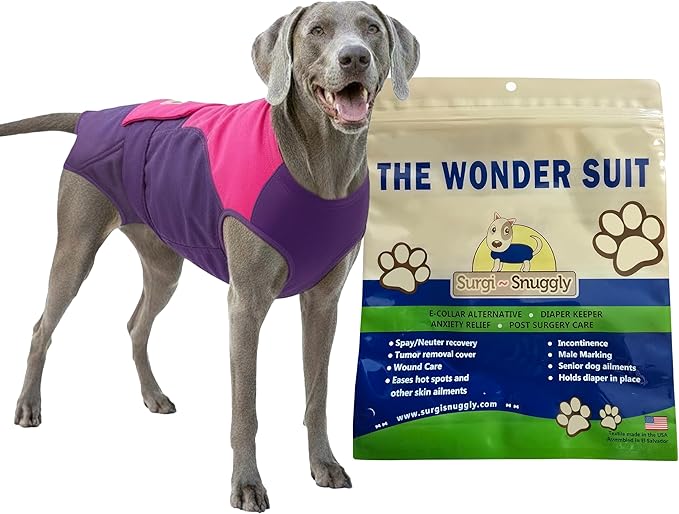
Invented Dog Surgical Recovery
Surgi Snuggly Veterinary Invented Dog Surgical Recovery Suit for Female Spay or Male Dogs Neuters, E Collar Cone Alternative Bodysuit for After Surgery Small, Medium, Large Dogs PP Small EC
9. Tools and Products That Can Help at Home
If you’re attempting home care, having the right tools and products is essential. Here’s what you might need:
Recommended Water-Based Lubricants
- K-Y Jelly or similar water-based lubricants are the best choices for keeping the area moist and easing retraction. They are safe for your dog’s skin and won’t cause irritation like oil-based lubricants might.
Safe Cold Packs and How to Use Them
- A cold compress wrapped in a towel can help reduce swelling. Always wrap the ice pack in a cloth to avoid direct contact with the skin, and apply for no more than 15 minutes at a time.
When to Consider Elizabethan Collars (E-Collars)
- If your dog is licking or biting at the affected area, an Elizabethan collar (also called a cone of shame) can prevent them from causing further irritation or injury.
Grooming Tools to Prevent Hair Entrapment as a Cause
- Trimming the hair around your dog’s prepuce is an excellent preventive measure to reduce the risk of hair tourniquet. A simple grooming kit can help you manage this on a regular basis.
10. Prevention Tips for the Future
Now that you’ve addressed the immediate issue of paraphimosis, it’s time to focus on preventing future incidents. Here are some tips to ensure your dog stays safe from this painful condition in the future.
Keeping the Genital Area Clean and Hair Trimmed
Regular grooming is essential, especially for dogs with long hair around the genital area. Keeping the hair trimmed reduces the risk of hair tangles and entrapment, which are common causes of paraphimosis.
Grooming Routines for Long‑Haired Breeds
If your dog has long fur, it’s important to create a regular grooming schedule. Consider trimming the fur around the prepuce to prevent hair buildup or tangling. A quick weekly check can help you stay on top of potential issues.
Reducing Triggers: Minimizing Sexual Arousal or Rough Play
For intact male dogs, reducing the opportunities for sexual arousal can prevent the risk of paraphimosis. If your dog is prone to excitement or excessive humping, neutering may help reduce the likelihood of this condition. Avoid rough play that could lead to sudden erections or injuries.
Post‑Mating Observation Tips
If your dog mates or undergoes semen collection, observe them closely afterward for any signs of paraphimosis. If you notice swelling or discomfort, take action immediately.
11. Home Management vs Veterinary Care
While home treatment can help alleviate some of the discomfort caused by paraphimosis, there are times when professional intervention is essential. Knowing the difference between what you can manage at home and when to get help is critical for your dog’s health.
What You Can Handle Safely at Home
If the situation is mild and there are no signs of severe pain or discoloration, you can typically handle paraphimosis at home using basic first aid measures. These include:
- Lubrication to ease the retraction of the penis
- Cold compresses to reduce swelling
- Gentle positioning of the penis to return it to the prepuce
If these steps help the condition resolve quickly, you’re in the clear. However, it’s still important to monitor your dog for any signs of recurrence.
When Professional Help is Required
If you notice any of the following, it’s time to call your vet:
- Severe discoloration of the penis (a sign of compromised blood flow)
- Painful swelling that doesn’t go down with home treatments
- Difficulty urinating or signs of urinary retention
- If your dog becomes increasingly distressed or shows other abnormal behaviors
In these cases, veterinary care is not just advisable but necessary to prevent further complications, including tissue damage or infection. A vet can ensure that the issue is properly addressed and that there are no underlying problems contributing to the paraphimosis.
| Scenario | Home Care | Vet Care Required |
|---|---|---|
| Mild swelling and exposure | ✔️ | ❌ |
| Severe swelling or discoloration | ❌ | ✔️ |
| Pain or bleeding | ❌ | ✔️ |
| Urinary trouble or distress | ❌ | ✔️ |
| Foreign object entrapment | Possible with guidance | ✔️ |
12. Common Mistakes to Avoid at Home
When trying to manage paraphimosis at home, there are several common mistakes that could make the situation worse. Avoiding these will ensure that you don’t accidentally cause more harm to your dog.
Not Acting Quickly Enough
One of the biggest mistakes you can make is delaying action. Paraphimosis can escalate quickly, and the longer the penis remains exposed, the higher the risk of tissue damage. If you see the signs of paraphimosis, act fast. If you aren’t sure, it’s always better to be cautious and seek veterinary help sooner rather than later.
Misusing Products
Using the wrong products, especially petroleum-based lubricants, can cause irritation and worsen the condition. Stick with water-based lubricants that are specifically designed for sensitive skin and avoid anything that might cause a reaction. Additionally, make sure that any cold compress you apply is wrapped in a cloth to prevent direct contact with the skin and avoid frostbite.
Ignoring Pain Signals
If your dog is showing signs of extreme discomfort or pain, it’s crucial not to ignore these signs. Excessive licking, whining, or restlessness are indicators that something is wrong, and you should reassess whether home care is appropriate or if it’s time to consult a veterinarian.
Thinking It Will Resolve on Its Own
Paraphimosis is not something that typically resolves on its own. If left untreated, the blood flow restriction can lead to tissue death or necrosis, making the condition worse. Don’t assume it will go away without intervention.
13. Frequently Asked Questions (FAQs)
Let’s address some common questions pet owners may have about paraphimosis and how to manage it at home.
Can Paraphimosis Heal with Home Treatment Alone?
In mild cases, home treatment can work if the condition is caught early. However, if the penis remains exposed for too long or if you notice signs of severe pain, discoloration, or swelling, it’s important to seek professional care. The sooner you act, the better the chances for a full recovery.
How Long Should I Try Home Treatment Before Calling the Vet?
If you attempt home treatment and see no improvement within 20 to 30 minutes, or if symptoms worsen, immediately contact your vet. Don’t wait for things to get worse. Quick action can prevent serious complications.
Is Paraphimosis Painful for Dogs?
Yes, paraphimosis is painful for dogs. The condition leads to swelling, irritation, and pressure on the exposed tissue, which causes discomfort. The longer it lasts, the more painful it becomes. If your dog is showing signs of pain (whining, biting, excessive licking), seek veterinary care right away.
Does Neutering Help Prevent Future Episodes?
Neutering can reduce the likelihood of paraphimosis in male dogs because it lowers sexual excitement and the frequency of spontaneous erections. While it doesn’t guarantee prevention, it can make a difference, especially for dogs that experience frequent arousal or are prone to sexual behaviors.
Are There Home Remedies Worth Trying?
Home remedies can be helpful in mild cases of paraphimosis, such as lubrication and cold compresses, but they should not replace professional care if the condition is more serious. Always use safe, recommended products, and avoid making the situation worse by using incorrect substances or forcing retraction.
14. Conclusion
Paraphimosis in dogs is a serious condition, but with early recognition and proper care, it is often manageable at home. The key to effective home treatment is knowing when to act quickly, using the right techniques, and recognizing when it’s time to seek veterinary care. While some mild cases may resolve with gentle manipulation and lubrication, more severe cases require professional intervention to prevent long-term damage.