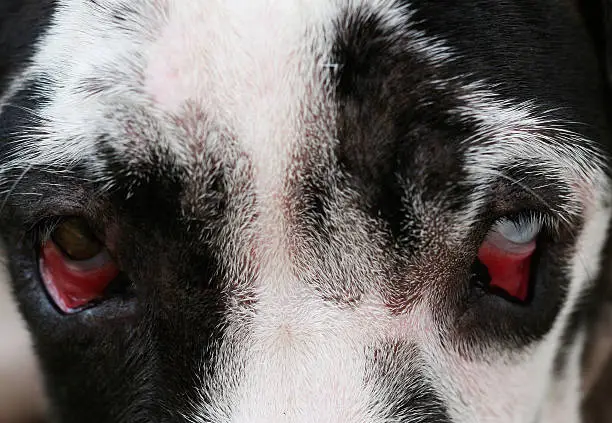
As pet owners, we want nothing more than for our dogs to be happy and healthy. However, sometimes, they experience health issues that require immediate attention. One such issue is paraphimosis, a condition that can cause distress and discomfort for your dog if not addressed quickly. In this article, we will guide you through what paraphimosis is, how to identify it, and importantly, how to attempt fixing it at home before seeking veterinary care.
What Is Paraphimosis in Dogs?
Paraphimosis occurs when a dog’s penis becomes stuck outside the protective prepuce (sheath) and cannot retract back inside. This condition is not only uncomfortable for your dog, but it can also escalate into a medical emergency if left untreated. If the exposed tissue remains for too long, it may become swollen, causing restricted blood flow, tissue damage, and, in severe cases, necrosis (tissue death).
In the following sections, we will explore:
- A clear definition of paraphimosis and its symptoms
- When home treatment can be effective and when to seek immediate veterinary care
- First‑aid measures you can try at home to relieve your dog’s discomfort
- How to prevent paraphimosis from recurring
2. What Is Paraphimosis in Dogs?
Definition
Paraphimosis is a condition in which the dog’s penis becomes protruded and is unable to retract back into the preputial sheath. The prepuce typically protects the penis when it’s not in use, and the tissue retracts after an erection or sexual excitement. When paraphimosis occurs, the exposed penis cannot return to the prepuce, leading to swelling, discomfort, and the potential for serious complications if untreated.
How It Differs from a Normal Erection and Priapism
It’s important to differentiate between paraphimosis and a normal erection. A normal erection is temporary, and once the sexual excitement subsides, the penis naturally retracts back into the prepuce.
On the other hand, priapism is a condition where an erection lasts for a prolonged period and doesn’t subside naturally. Priapism is also a medical emergency, but it differs from paraphimosis in that the penis remains erect and engorged for an extended period. In contrast, paraphimosis refers specifically to the inability to retract the exposed penis, which can be painful and damaging over time.
Why Paraphimosis Must Be Addressed Promptly
Paraphimosis is not just an inconvenience; it’s a serious condition that can worsen if not addressed quickly. The longer the penis remains outside the prepuce, the more likely it is to become swollen and engorged, which can impair blood flow and lead to tissue damage. If left untreated, the tissue may become necrotic, requiring surgical intervention or even partial amputation in extreme cases.
3. When Can Home Care Be Attempted?
Not all cases of paraphimosis require an immediate trip to the vet. If you catch the condition early and the swelling is mild, you can try first‑aid measures at home. However, if the penis remains exposed for more than 30 minutes, or if there are signs of severe pain or discoloration (such as purple or blue), you should seek veterinary care immediately.
Recognizing Mild vs Severe Cases
Mild cases of paraphimosis might involve minor swelling and no discoloration. If your dog is not in significant pain and the tissue appears to be soft and not hardened, you can attempt home care. However, if the exposed penis looks bloody, swollen, or discolored, or if your dog is in intense pain, it’s critical to seek professional help right away.
Signs That It’s Safe to Try First‑Aid Measures
- The penis is still visible but there is no discoloration or blueness.
- Mild swelling and no apparent infection.
- Your dog is calm and not showing extreme pain or distress.
Red Flags That Mean Immediate Vet Care
- The penis is discolored (purple/blue), indicating a lack of blood flow.
- The dog is whining, panting, or shows signs of extreme pain.
- Swelling that’s not responding to basic first‑aid measures.
- The condition doesn’t improve after attempting home care.
If any of these red flags occur, contact your vet as soon as possible. In severe cases, manual retraction might be needed under sedation or anesthesia.
4. Immediate First‑Aid Steps You Can Try
If your dog’s paraphimosis appears to be mild, you can attempt the following first‑aid steps to provide temporary relief. It’s important to remain calm and gentle, as the area is highly sensitive.
Keep the Area Clean: Warm Water and Mild Cleansing
Start by gently cleaning the area with lukewarm water to remove any dirt or debris. Avoid using harsh soaps or chemicals, as these can irritate the sensitive tissues. A gentle wash will help prepare the area for further treatment.
Use Water‑Based Lubricant (e.g., K‑Y Jelly) to Prevent Dryness and Ease Movement
Once the area is clean, apply a water-based lubricant around the exposed penis. This step is crucial as it helps keep the area moist, making it easier to move the penis back into the prepuce. Lubricant also reduces friction, preventing additional injury during the process. Avoid using oil-based lubricants or petroleum jelly as these can cause further irritation.
Apply a Cold Compress to Reduce Swelling
If the penis is swollen, cold compresses can help reduce inflammation. Apply a cold compress to the area for 5-10 minutes to reduce swelling and discomfort. Avoid placing the cold pack directly on the skin—wrap it in a clean cloth to prevent frostbite or additional injury.
Sugar Paste Application as a Swelling Reducer (Hyperosmotic)
In some cases, applying a sugar paste (a common home remedy for swelling) can help draw out excess fluid from the swollen tissue. The sugar acts as a hyperosmotic agent, helping reduce the swelling. Simply mix a small amount of sugar with water and apply it gently to the affected area. Be cautious with this method and make sure it doesn’t get into your dog’s mouth or eyes.
Gentle Manipulation – Only if There’s No Severe Pain or Discoloration
Once the swelling has been reduced and the area is lubricated, you can attempt to gently reposition the penis back into the prepuce. Apply gentle traction to the exposed penis and attempt to guide it back inside the prepuce. Don’t force it—if there is resistance, stop immediately and seek veterinary care.
5. How to Gently Reposition the Penis
The goal of this step is to carefully and gently return the exposed penis into the prepuce without causing further damage. Follow these steps if the swelling is minimal and there’s no severe pain or discoloration:
Step‑By‑Step Guidance on Lubrication and Gentle Traction
- Lubricate the area: Apply water-based lubricant generously to the penis and preputial area to make the process smoother.
- Hold the penis carefully: Use gentle pressure to hold the penis, ensuring that you don’t cause pain or harm to the sensitive tissues.
- Reposition the penis slowly: Gently pull the exposed penis and try to guide it back into the prepuce. Don’t force it—if you feel resistance, stop and consult the vet.
- Stop if there’s discomfort: If your dog shows signs of distress or if the penis doesn’t move back in with minimal pressure, stop and contact your vet.
How to Avoid Causing Further Injury (What Not to Do)
- Do not force the penis back inside if it’s stuck or if there is resistance. This could lead to further injury or damage to the tissue.
- Avoid using petroleum-based products like Vaseline, as they can irritate the skin and make the situation worse.
- If the penis shows signs of severe discoloration, or if your dog is in extreme pain, do not attempt further manual manipulation. Seek veterinary assistance immediately.
When to Stop and Call the Vet
If the penis doesn’t retract after gentle manipulation, or if your dog is in intense pain, it’s crucial to stop and seek professional care. Veterinary intervention may be required to reposition the penis under anesthesia, especially if there’s significant swelling, necrosis, or pain.
6. Why Veterinary Care Still Matters
While first aid at home can offer some temporary relief for paraphimosis, it’s important to remember that veterinary care is often essential to ensure proper treatment. Even if you manage to successfully reposition the penis and reduce swelling at home, there are still several reasons why a vet visit is necessary.
Even Successful Home Repositioning Isn’t a Full Cure
Although home treatment might solve the immediate issue of penile exposure, it doesn’t always address the underlying cause of paraphimosis. The problem could recur, especially if there’s an anatomical issue with the preputial opening or if the swelling continues despite your efforts. A vet will be able to determine whether there’s a structural issue that requires surgery or whether further care is needed to prevent the condition from happening again.
Additionally, if the tissue has been exposed for too long, it’s essential for a veterinarian to perform a thorough examination to make sure there’s no long-term damage. If the tissue has started to die (necrosis), it’s crucial to address it before it worsens.
Risk of Underlying Causes
Sometimes paraphimosis is a symptom of another problem, like trauma, an infection, or a neurological disorder that prevents the penis from retracting normally. A veterinarian can help rule out any underlying causes that might not be immediately obvious. For instance:
- Infections in the genital area can cause swelling and difficulty with retraction.
- Trauma or injury may cause the prepuce to constrict.
- Congenital abnormalities, such as a narrow preputial opening, may require surgical intervention to prevent future incidents.
If these underlying causes are not treated, the problem may keep recurring, leading to further discomfort and complications for your dog.
Veterinary Treatments Often Include Sedation, Pain Meds, and Thorough Inspection
If the condition is severe, a veterinarian may need to sedate your dog to gently manipulate the penis back into the prepuce without causing further pain. In some cases, your vet might also administer pain relief medications or anti-inflammatory drugs to reduce discomfort and swelling during the procedure.
A vet can also inspect the area more thoroughly, checking for any injuries, infections, or signs of tissue damage that may need medical attention. They might also perform diagnostic tests to ensure there are no other health issues contributing to the condition.

Dogs, Cats, 240mL/8
ToltraMax Toltrazuril 10.0% for Horses, Dogs, Cats, 240mL/8 Ounce, for Non-Food Chain Animals, Chicken
7. Prevention Tips for the Future
Once the immediate issue of paraphimosis is addressed, it’s essential to take steps to prevent it from happening again. While not all cases can be avoided, there are some strategies you can adopt to reduce the risk of this condition in the future.
Keep the Genital Area Clean and Trimmed
For dogs with long hair, keeping the genital area clean and free from tangles is crucial. Regular grooming can help prevent hair from getting caught in the prepuce, which can contribute to paraphimosis. Trimming the hair around the preputial opening will also reduce the chances of any foreign material getting trapped, making it easier for the penis to retract properly after an erection.
Tip: If your dog has long hair, you might want to trim the area around the prepuce carefully. However, always be cautious when handling sensitive areas, and consider asking a professional groomer to help.
Regular Grooming to Prevent Hair Entanglement
Dogs with long coats or thick fur are especially prone to having hair that can become tangled around the prepuce. This can create a barrier that prevents the penis from retracting properly. Regular grooming helps keep the genital area clear and prevents any entanglements that could lead to paraphimosis.
For breeds like Shih Tzus, Yorkies, or Maltese, grooming the area around the prepuce is especially important. Keeping the hair short and free from tangles can significantly reduce the risk of any obstruction or damage.
Reducing Rough Play or Sexual Excitement Triggers
Another prevention strategy is to minimize rough play or activities that could lead to sexual excitement. If your dog is prone to frequent erections, try to avoid situations that could lead to prolonged sexual arousal. For intact males, neutering can help reduce spontaneous erections and the risk of paraphimosis. However, even neutered dogs can experience this condition if there is trauma or another underlying issue.
For dogs that are often excited or anxious, consider providing calming environments and ensuring that playtime doesn’t lead to excessive excitement. This can help reduce the risk of paraphimosis caused by prolonged arousal.
Knowing Triggers for Your Specific Dog
Every dog is different, and some might be more prone to paraphimosis due to their breed, size, or behavior. Understanding your dog’s specific triggers and being aware of when they’re most likely to experience arousal or excitement can help you take preventive measures. For example, if you have an intact male dog, you may want to limit interactions with female dogs in heat or minimize situations where they might become overly excited.
8. Common Mistakes to Avoid at Home
While performing first aid at home can sometimes help alleviate paraphimosis temporarily, there are several mistakes that dog owners should avoid. Here’s what not to do:
Forcing the Penis Back In with Pressure
Never attempt to force the penis back into the prepuce by applying excessive pressure. This can cause additional injury to the sensitive tissues and lead to more complications. If there’s any resistance, stop immediately and seek veterinary help.
Using Petroleum-Based Products
While it’s important to apply lubrication when attempting to reposition the penis, avoid using petroleum-based products like Vaseline. These products can cause irritation to the skin and might even block the natural moisture needed to lubricate the area. Stick to water-based lubricants, which are safer and more effective in such sensitive situations.
Delaying Veterinary Care When Signs Worsen
One of the biggest mistakes owners make is thinking that paraphimosis will resolve on its own. The condition can worsen rapidly, and waiting too long to seek veterinary care can lead to tissue necrosis and permanent damage. If you notice swelling, discoloration, or your dog showing signs of extreme pain, don’t hesitate to get professional help.
Invented Dog Surgical Recovery
Surgi Snuggly Veterinary Invented Dog Surgical Recovery Suit for Female Spay or Male Dogs Neuters, E Collar Cone Alternative Bodysuit for After Surgery Small, Medium, Large Dogs PP Small EC
9. Frequently Asked Questions (FAQs)
Is Paraphimosis Always an Emergency?
Yes, paraphimosis is a medical emergency. The longer the penis remains exposed, the higher the risk of tissue damage, infection, and even necrosis. If the condition doesn’t resolve quickly with first aid, seek veterinary help immediately.
Can It Fix Itself If Left Alone?
No, paraphimosis usually won’t resolve on its own. If left untreated, the swelling will worsen, leading to potential complications like blood flow restriction and tissue death. It’s important to act quickly and seek either home treatment or professional care.
How Long Can You Wait Before Seeking Vet Care?
If the penis remains exposed for more than 30 minutes without improvement, it’s time to see the vet. Any signs of swelling, discoloration, or pain should also prompt an immediate trip to the veterinary clinic.
Should I Use Sugar Paste or Cold Compress First?
It’s generally better to use a cold compress initially to reduce swelling. Sugar paste can help in some cases, but it should be applied after the swelling has been somewhat managed. A cold compress will provide more immediate relief by constricting the blood vessels and reducing swelling.
10. Conclusion
In conclusion, paraphimosis in dogs is a serious condition that requires prompt attention. While home first-aid measures can be effective for mild cases, it’s critical to act quickly to prevent long-term damage. Seek veterinary care if your dog shows signs of severe pain, discoloration, or if the condition doesn’t improve.