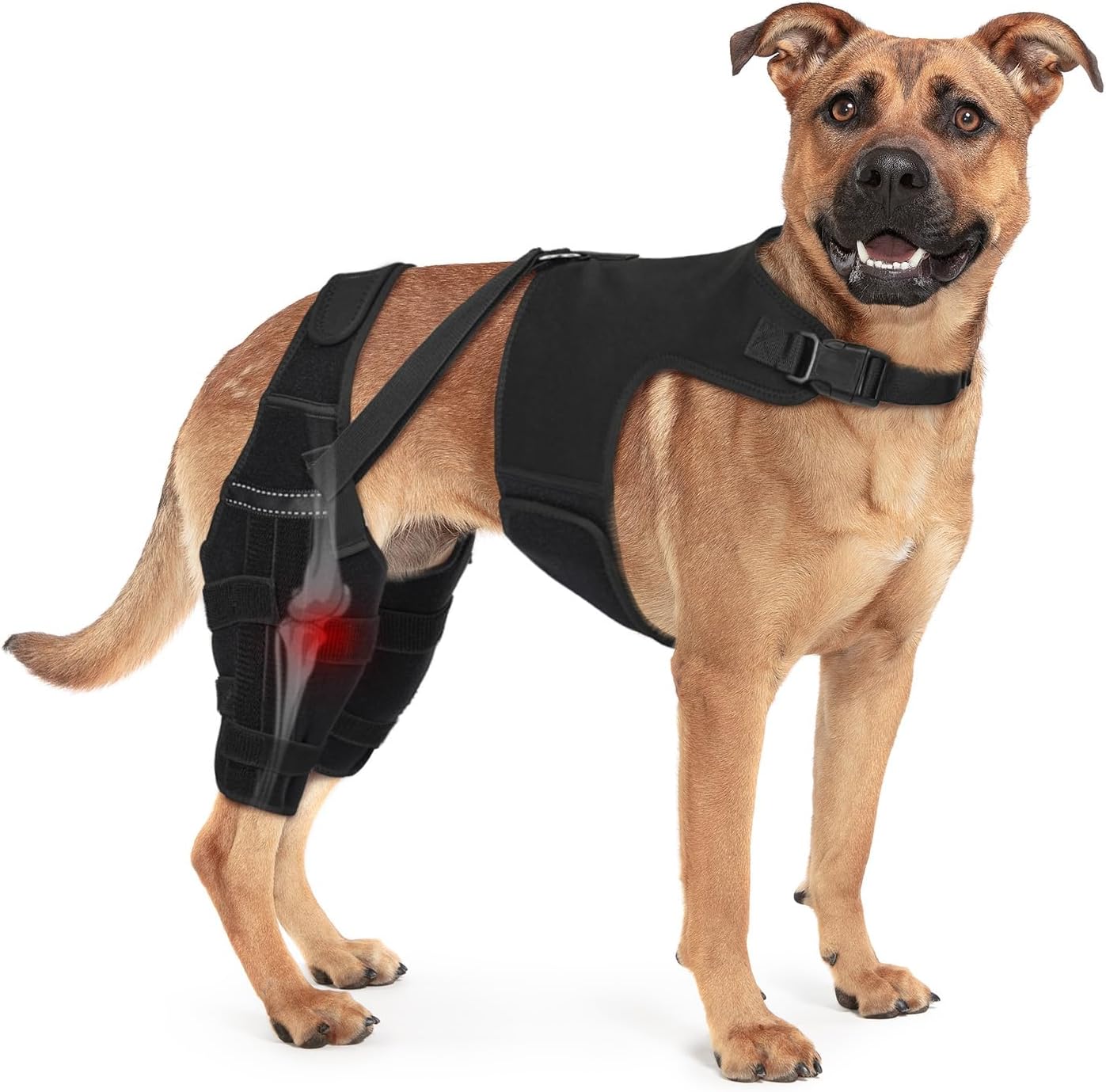
Comprehensive Guide to Your Dog’s Healing Journey
When your dog is diagnosed with a torn ACL (anterior cruciate ligament), commonly known as CCL (cranial cruciate ligament) in veterinary terms, surgery often becomes the recommended treatment to restore function to their knee joint. But while the procedure itself is critical, understanding the recovery time that follows is just as important. Recovery is a gradual process that involves healing, rehabilitation, and monitoring to ensure the best outcome for your dog’s long-term health.
In this article, we will explore the recovery timeline for dogs after ACL surgery, including key milestones, what to expect during each phase, and how you can support your dog through their healing journey. We’ll also discuss the factors that affect recovery time, differences between various surgical techniques, and the role of rehabilitation.
Why Recovery Time Matters for Dog Owners
Understanding the recovery process is essential for dog owners. It allows you to be prepared for the demands of post-surgery care, set expectations, and create a plan to help your dog return to normal activity as safely and comfortably as possible. Whether you have an active dog or an older one, recovery time can differ, and knowing how to manage it will make a significant difference.
2. Basics of ACL/CCL Surgery
Before diving into the recovery timeline, it’s essential to understand what ACL/CCL surgery involves and why recovery time can vary depending on the procedure.
What is ACL/CCL Surgery?
ACL surgery in dogs is performed to repair or replace a torn cranial cruciate ligament (CCL), which is a crucial stabilizer in the knee joint. When this ligament is damaged, it causes pain, instability, and difficulty in movement. Surgery is recommended to restore stability to the knee and alleviate discomfort.
Why Recovery Time Varies by Procedure
There are several different approaches to ACL surgery, each requiring different recovery protocols and timelines. The most common procedures include:
- TPLO (Tibial Plateau Leveling Osteotomy): This is the most complex and invasive option, which involves cutting and repositioning the tibia to change the biomechanics of the knee joint.
- TTA (Tibial Tuberosity Advancement): This procedure also involves adjusting the tibia to improve knee stability, though it tends to involve less bone cutting than TPLO.
- Extracapsular (Lateral Suture Repair): A less invasive procedure, commonly used for smaller dogs or dogs with less severe injuries. It stabilizes the knee using a strong suture.
Each procedure has its own recovery timeline, and your dog’s size, age, and overall health will also play a role in how quickly they heal.
How Surgery Affects Recovery Time
Surgical procedures that involve bone cutting (like TPLO and TTA) tend to require longer recovery periods, as the bones need time to heal and stabilize. Extracapsular surgery typically involves less invasive techniques, which can result in a shorter recovery period. However, regardless of the surgery type, rest, rehabilitation, and proper pain management are essential for ensuring the best results.
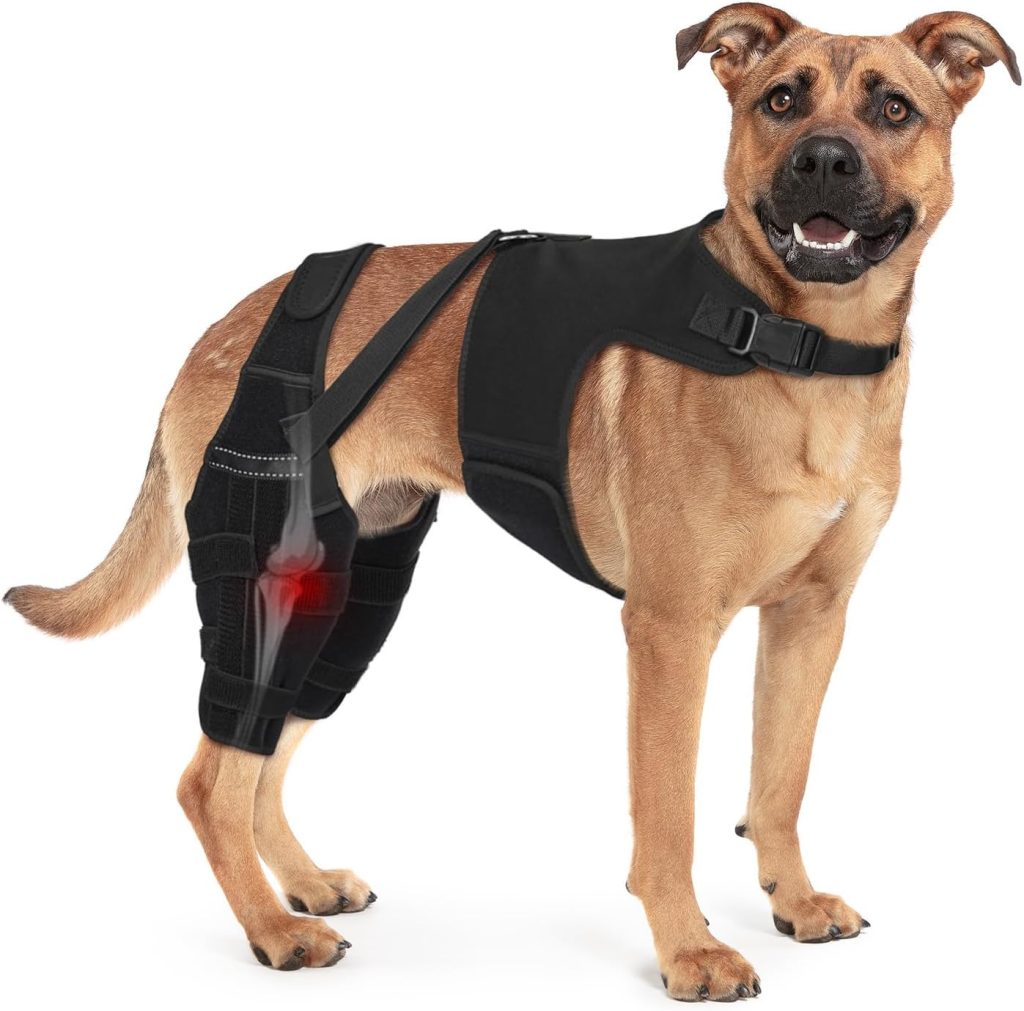
GoGoPaw Dog Knee Brace Double Leg
GoGoPaw Dog Knee Brace Double Leg Support with Vest – Orthopedic Joint Stabilizer for ACL Tear, Arthritis, Patella Recovery – Adjustable Non-Slip Recovery…
3. Typical Dog ACL Surgery Recovery Timeline
Now that we’ve established the basics, let’s look at what you can expect during each phase of your dog’s recovery. While recovery times will vary from dog to dog, the following general timeline can help you set expectations.
3.1. Immediate Post-Op Phase (Day 0–2)
Right after the surgery, your dog will be recovering from the effects of anesthesia and pain management medications. This is often the most uncomfortable period for dogs, as they may experience grogginess, soreness, and limited movement.
What Happens Right After Surgery:
- Anesthesia Effects: Your dog may still be groggy for several hours after surgery. They will need a quiet, comfortable place to rest.
- Initial Weight-Bearing: Initially, your dog will likely have limited or no weight-bearing on the affected leg. It’s important to restrict movement to allow the joint and surgical site to heal.
- Pain Control: The vet will provide pain medication to help manage discomfort. Be sure to follow the prescribed medication schedule to keep your dog comfortable.
3.2. Weeks 1–2: Critical Rest Period
The first two weeks after surgery are critical for your dog’s recovery. Strict rest and minimal movement are essential for ensuring that the knee joint heals properly.
What to Expect:
- Strict Movement Restriction: Your dog should be kept in a crate or small room with limited movement to avoid stressing the surgical site. Leash-only walks are allowed for bathroom breaks, but these should be short and slow.
- Initial Healing: The body will start the healing process, but the knee remains vulnerable, so preventing overexertion is crucial.
- Bandage and Incision Care: You may need to keep an eye on the surgical site for any signs of infection such as swelling, redness, or unusual discharge.
3.3. Weeks 3–8: Progressive Recovery
At this stage, your dog should start to feel better, and you’ll notice less pain and swelling. However, their activity should still be carefully controlled to prevent stress on the healing knee.
What to Expect:
- Leash-Controlled Walks: Slowly increase the length and duration of leash walks to allow your dog to gradually start moving more. The walks should be gentle and controlled.
- Physical Therapy: Your veterinarian may recommend passive range-of-motion exercises to prevent stiffness in the joint and help rebuild muscle strength.
- Monitoring Progress: Keep an eye out for improving gait, less limping, and more confidence in your dog’s movements. This is also a great time for a follow-up checkup with your vet to assess healing.
3.4. Weeks 8–12: Return-to-Function Phase
By this stage, your dog’s recovery should be progressing well, and you’ll see a significant improvement in mobility. However, no running or jumping is allowed yet.
What to Expect:
- Increasing Walk Duration: You can start increasing the length of your dog’s walks, but avoid any strenuous activities like running, jumping, or playing.
- More Mobility: Most dogs can begin to walk longer distances, and you may notice them moving more comfortably. However, some limping or stiffness is still common.
- No Off-Leash Play: Even though your dog is feeling better, no off-leash play or climbing stairs is allowed. The goal is to ensure that the knee joint remains stable as it finishes healing.
3.5. 3–6 Months: Full Recovery
At around three to six months, most dogs reach full recovery, but the exact timeline can vary. During this phase, your dog can return to their usual activities, but they should still be carefully monitored to ensure their knee is fully healed.
What to Expect:
- Gradual Return to Activity: After receiving vet clearance, your dog can start engaging in more vigorous activities like running and playing fetch.
- Continued Strengthening: Even after the initial recovery, some rehabilitation exercises may be necessary to strengthen the muscles around the knee.
- Bone Healing: Full bone healing, especially after procedures like TPLO or TTA, can take longer, and it’s essential to continue monitoring your dog’s progress during this period.
4. Recovery Differences by Surgery Type
Different types of ACL surgeries have varying recovery timelines and intensity. Here’s how the TPLO, TTA, and extracapsular procedures compare when it comes to recovery time:
| Surgery Type | Typical Healing Time | Recovery Focus |
|---|---|---|
| TPLO (Tibial Plateau Leveling Osteotomy) | 12–16 weeks | Bone healing, muscle strength, and full knee function |
| TTA (Tibial Tuberosity Advancement) | 12 weeks | Tibial repositioning and joint stability |
| Extracapsular Repair (Lateral Suture) | 8–12 weeks | Ligament stabilization, lighter recovery |
Key Takeaways:
- TPLO and TTA surgeries generally require a longer recovery time because they involve bone cutting and repositioning.
- Extracapsular surgery is less invasive and typically involves a faster recovery, particularly for smaller dogs.
- Regardless of the surgery type, physical therapy and controlled activity are critical for a successful recovery.
5. What Dogs Experience During Recovery
The journey to recovery after ACL surgery isn’t just about the surgery itself—it’s about the healing process, and understanding what your dog will go through can help set expectations. The experience of recovery varies from dog to dog, but there are common milestones that most pets go through as they heal.
First Days Post-Surgery: Grogginess, Swelling, and Restricted Movement
Right after the surgery, your dog will likely be very groggy and a bit disoriented. This is a normal reaction to the anesthesia and the stress of the surgery. You’ll want to create a calm environment for your dog to recover in during the first few days.
What to Expect:
- Grogginess and Disorientation: Your dog might feel disoriented and sleepy for the first few hours post-surgery. This is due to the effects of the anesthesia, and it will wear off in time.
- Initial Swelling: There will be some swelling around the incision site, which is normal. However, excessive swelling or increasing redness should be checked by your vet, as it could signal an infection.
- Limited Mobility: In the first couple of days, your dog will be restricted in their movement. They may not want to move much, but you should still monitor them and ensure they are not licking or chewing the incision site. Keeping them on a leash when going outside for bathroom breaks is crucial.
Weeks 2–4: Starting to Move, But Slowly
As the days pass, you’ll start to see your dog getting a bit more comfortable. However, the first two weeks are when you’ll need to keep things extra calm and focused on their healing. You’ll gradually notice them moving more, but it’s important to remember that controlled rest is still a must.
What to Expect:
- Leash-only Walks: During this time, your dog can begin short, controlled walks. These should only be for bathroom breaks or brief strolls and should be kept short. The goal is to avoid putting unnecessary stress on the knee joint while still allowing gentle movement.
- Gentle Range-of-Motion Exercises: If your vet has recommended passive range-of-motion exercises, this is the time to begin them. These gentle stretches help maintain flexibility and prevent stiffness in the joint.
- Swelling and Tenderness: Swelling may still be present, but it should gradually decrease. Be mindful of any increased swelling, especially if it doesn’t subside with rest or ice.
6. Home Care Essentials During Recovery
You’ll play a major role in ensuring your dog’s recovery is smooth and free of complications. Home care is just as critical as the surgery itself, so here’s what you’ll need to know to care for your dog during this time.
Creating a Safe and Comfortable Environment
The first thing you’ll want to do is make sure your dog’s recovery space is safe and comfortable. Since they will be confined for several weeks, it’s essential that their environment encourages rest while preventing injury.
Tips for Home Care:
- Confined Space: For the first few weeks, confining your dog to a small space, like a crate or a small room, will prevent them from overexerting themselves or making sudden movements. This will also help prevent jumping, which could lead to reinjury.
- Non-slip Flooring: If your dog has access to any slippery surfaces, such as hardwood floors, use non-slip rugs or mats to reduce the risk of slipping.
- Comfortable Bedding: Make sure your dog has a comfortable place to rest. The bedding should be soft and supportive to prevent pressure sores. Also, avoid placing bedding near stairs or furniture that your dog might attempt to jump on.

Adjustable Support with Metal Stabilizers for Hind or Front Legs
XUVIRA Dog Knee Brace for ACL and CCL Injuries – Adjustable Support with Metal Stabilizers for Hind or Front Legs, Helps Recovery and Improves Mobility, L
Pain Management and Medication Adherence
Your veterinarian will provide a pain management plan for your dog after surgery. This usually includes medications to control pain and inflammation, and it’s essential that you follow their instructions exactly to ensure the best recovery.
What to Keep in Mind:
- Medication Schedule: Stick to the medication schedule provided by your vet. If your dog seems to be experiencing any side effects, or if they stop eating or drinking, contact your vet immediately.
- Pain Medication: Most dogs experience some discomfort for the first few days to weeks, but they should not be in constant pain. If they seem to be struggling with pain despite the medications, speak with your vet about adjusting their treatment plan.
- Antibiotics: If your dog has been prescribed antibiotics to prevent infection, be sure to finish the full course, even if your dog seems to be healing well.
Leash-Only Activity Rules
As tempting as it may be to let your dog move around freely, rest and restriction are crucial for healing. For the first few weeks, you should only allow your dog leash-controlled bathroom breaks and limit any other movement.
What to Do:
- Leash Only: Always keep your dog on a leash when going outside for potty breaks. This ensures that they don’t overexert themselves or engage in unplanned activities.
- Avoid Stairs and Furniture: To protect the knee, you should avoid letting your dog climb stairs, jump on furniture, or run around the yard. These movements can stress the healing knee and delay recovery.
Monitoring the Incision and Signs of Complications
The incision site will need careful monitoring in the days and weeks after surgery. While some swelling is normal, it’s important to watch for signs of infection or complications.
What to Look for:
- Redness or Discharge: If the incision site is increasingly red, swollen, or has discharge, this could indicate infection.
- Excessive Swelling: Swelling should gradually subside as your dog heals. If you notice that the swelling is getting worse or not improving, it’s time to check in with your vet.
- Licking or Biting: If your dog is licking or biting the surgical site, you may need to use an Elizabethan collar (cone) to prevent this behavior. Licking can lead to infections and delays in healing.
7. Physical Therapy and Rehabilitation
While rest is essential, rehabilitation exercises are just as important to help your dog regain strength and mobility in the affected leg. It’s vital to follow your vet’s recommendations when it comes to introducing rehabilitation exercises during recovery.
7.1. At-Home Rehabilitation
You can start rehabilitation exercises as early as the second week, depending on the surgery type and your vet’s guidance. These exercises help maintain range of motion and muscle strength.
Common At-Home Exercises:
- Passive Range of Motion (ROM): Gently move your dog’s knee joint to its normal range of motion. This helps maintain flexibility and reduces the chances of developing stiffness.
- Sit-to-Stand Exercises: If approved by your vet, you can encourage your dog to sit and stand using their back legs. This helps strengthen the muscles around the knee.
- Slow, Controlled Weight Shifting: Encourage your dog to stand and shift their weight onto the injured leg. Start with short, controlled sessions, and gradually increase the duration.
7.2. Professional Rehabilitation
In addition to at-home exercises, some dogs may benefit from professional rehabilitation. A rehab specialist can offer a more tailored recovery plan, which might include therapies like hydrotherapy, massage, and laser therapy.
Types of Professional Therapy:
- Hydrotherapy (Underwater Treadmill): This is a great option for building muscle strength without putting stress on the joint. The water reduces the weight-bearing load, making it easier for your dog to exercise.
- Cold Laser Therapy: Low-level laser therapy helps reduce inflammation and promote healing in the affected area.
- Massage: Therapeutic massage can help improve blood flow, reduce muscle tightness, and alleviate pain.
8. Signs Your Dog Is Healing Well (or Not)
It’s important to monitor your dog’s progress during recovery to ensure everything is healing as it should. While some discomfort and limping are normal early on, you should be alert to warning signs that indicate a potential issue with the healing process. Understanding what to look for can help you catch problems early and ensure your dog continues to recover well.
Positive Signs of Recovery
Recovery after ACL surgery typically involves a few key milestones that show your dog is on the right path. Here’s what you should expect to see:
- Gradual Increase in Activity: As the days pass, your dog should gradually become more active. Initially, this may just be small movements or short leash walks, but by weeks 3–4, you should notice them becoming more mobile.
- Less Limping: While some limping can persist for the first few weeks, you should see gradual improvement. By weeks 6–8, limping should noticeably decrease.
- No Increase in Pain: Your dog should not be experiencing significant pain. They may feel mild discomfort as they start to move more, but if they show signs of acute pain or resistance to movement, you should consult your vet.
- Positive Behavior: Your dog’s mood should improve as they start feeling better. You might notice more enthusiasm for walks or short playtime sessions (still on a leash).
Common Setbacks to Watch For
While some setbacks are normal, it’s important to stay vigilant for any signs that something may be wrong. Here’s what to watch for during your dog’s recovery:
- Excessive Limping or Non-Weight Bearing: If your dog suddenly refuses to put weight on the leg or has severe limping, especially after showing initial signs of improvement, it could indicate a setback, such as an injury or improper healing.
- Persistent Swelling: Some swelling is to be expected, but if swelling increases or doesn’t decrease with time, it could point to inflammation, infection, or an issue with the surgery site.
- Licking or Biting the Incision: While some mild licking is normal, excessive licking or chewing at the incision can lead to infection or delayed healing. If your dog starts obsessively licking, use an Elizabethan collar or alternative collar to prevent them from reaching the area.
- Discharge from the Incision: Any discharge from the surgical site that is yellow, green, or foul-smelling should be taken seriously, as it could indicate an infection.
When to Contact Your Vet
If you notice any of the following signs, it’s important to contact your vet immediately for advice or an examination:
- Severe Pain: If your dog appears to be in constant pain despite the pain medications, this is a cause for concern.
- Fever: If your dog develops a fever (a temperature over 102.5°F), this could indicate an infection or other issue that needs medical attention.
- Sudden Lameness: If your dog suddenly stops using their leg or has trouble standing, it’s important to have them evaluated by your vet.
- Excessive Swelling or Inflammation: Swelling should gradually reduce with proper rest and ice application. If it gets worse or doesn’t improve, consult your vet to ensure there’s no internal issue.
9. Factors That Can Affect Recovery Time
While the general recovery timeline is outlined, there are many factors that can impact how long it takes for your dog to fully recover from ACL surgery. These factors can either speed up or slow down recovery depending on your dog’s situation.
9.1. Dog’s Age
- Young dogs generally heal faster due to their stronger immune system and better overall health.
- Older dogs may take longer to recover because they have a slower healing process and may have additional health concerns like arthritis or other joint problems.
- Senior dogs might also need extra care to avoid complications and ensure their body can handle the recovery process.
9.2. Dog’s Size
- Smaller dogs typically recover more quickly because they place less strain on their knees and joints.
- Larger dogs (especially those over 50 pounds) may require a longer recovery time due to the increased stress on the knee joint and higher risks of complications. They may also need more pain management and a longer period of limited movement.
9.3. Type of Surgery
- As mentioned earlier, bone-cutting surgeries like TPLO and TTA typically require a longer recovery time compared to extracapsular repairs, which are more straightforward and less invasive. Your dog’s recovery timeline may depend on the complexity of the surgery.
9.4. Pre-Existing Conditions
- Arthritis or other joint conditions can affect how well your dog heals. Dogs with these conditions may experience slower recovery times or develop complications like stiffness or pain in the long term.
- Obesity can also impact recovery. If your dog is overweight, it can put additional strain on the knee joint, slow down healing, and increase the risk of developing joint issues later on.
9.5. Veterinary Surgeon Expertise
- The skill of the veterinary surgeon plays a significant role in the recovery process. Highly experienced surgeons tend to perform surgery with fewer complications, and their approach to post-operative care can influence how quickly your dog recovers. It’s essential to choose a vet with expertise in ACL surgeries, particularly if your dog has a complicated case.
10. Long-Term Outlook After ACL Surgery
The initial recovery period can take several weeks to a few months, but even after that, there are a few long-term considerations that should be kept in mind. Recovery doesn’t end when the surgical wound heals; it’s about getting your dog back to normal activities and ensuring their knee stays healthy in the long run.
10.1. Moving and Activity Goals at 6–12 Months
Most dogs should be back to their normal daily activities by 6 to 12 months post-surgery, depending on the recovery timeline and type of surgery. However, this doesn’t mean immediate return to vigorous activities like running or jumping. Full knee stability takes time to build up, and muscle strength around the knee joint needs to be carefully rebuilt through physical therapy and controlled exercise.
10.2. Risk of Arthritis
Even with a successful ACL surgery, your dog may still be at risk of developing arthritis in the future. Arthritis is common after ACL surgery, especially in older dogs, as the joint is altered during surgery. This means regular joint health monitoring, proper weight management, and continuous rehabilitation will be crucial in keeping arthritis at bay.
Managing Arthritis:
- Glucosamine and chondroitin supplements may help support joint health.
- Weight management is essential for reducing joint stress.
- Ongoing physical therapy can help reduce pain and keep your dog moving comfortably.
10.3. Risk of Future ACL Tears
Once your dog has torn an ACL in one knee, they may be at increased risk of tearing the other ACL, especially in active dogs. It’s important to be vigilant and look for any signs of lameness in the other leg as your dog resumes normal activities. This is why it’s essential to strengthen both legs during rehab and continue with physical therapy even after the initial recovery phase.
11. Frequently Asked Questions (FAQs)
How long does a dog take to walk normally after ACL surgery?
Most dogs can begin walking normally within 3–4 months, though this can vary based on surgery type, size, and age of the dog.
When can my dog run again?
Your dog should only return to running after they are cleared by your vet, which is typically around 6 months post-surgery. Running too soon can risk re-injury.
Is full strength returned after 3 months?
Full strength may take longer than 3 months to restore. For bone-cutting surgeries like TPLO, full recovery may take up to 6 months or longer.
Do some dogs heal faster than others?
Yes, recovery time can vary depending on factors like age, size, health, and the type of surgery performed. Younger and smaller dogs typically heal faster than older or larger dogs.
What affects how quickly dogs recover?
Factors like the dog’s overall health, age, the surgery type, and adherence to rest and rehabilitation protocols will all influence how quickly a dog recovers from ACL surgery.
12. Conclusion
Recovering from ACL surgery is a process that requires patience, attention to detail, and a commitment to following your vet’s instructions. While most dogs will eventually return to normal activity, the recovery timeline varies based on several factors, including the surgery type, your dog’s age, and their overall health.
By understanding the recovery stages, preparing for the necessary rehabilitation, and staying alert to complications, you can help ensure a smooth recovery for your dog. Veterinary guidance and a well-structured rehabilitation plan are the keys to long-term success after ACL surgery.