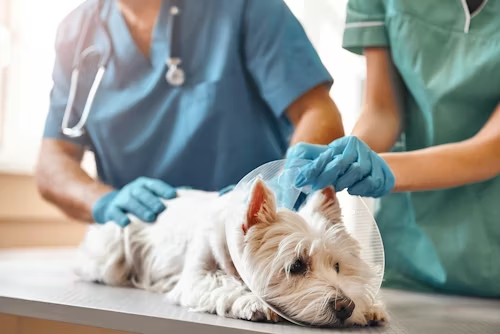
If you’ve recently adopted a puppy or are planning to neuter your adult dog, one of the first questions you’ll probably ask is: How much does dog neutering cost?
The answer can vary quite a bit. Some owners pay under $100 at low-cost clinics, while others spend $500 or more at private veterinary hospitals. Factors like your dog’s size, age, location, and overall health all influence the final bill.
Neutering is one of the most common veterinary procedures performed worldwide. Besides helping prevent unwanted litters, it can also reduce certain health and behavioral problems in dogs. Still, many pet owners are surprised by how different prices can be from one clinic to another.
In this guide, you’ll learn:
- The average cost to neuter a dog
- Why neutering prices vary so much
- What’s included in the surgery cost
- Affordable neutering options
- Recovery expectations
- How to save money on dog neutering
Whether you own a tiny Chihuahua or a giant Great Dane, this article will help you understand the real cost of neutering a dog and what to expect before booking the procedure.
What Is Dog Neutering?
Dog neutering is a surgical procedure performed on male dogs to prevent reproduction. During the surgery, a veterinarian removes the testicles under general anesthesia.
Neutering is also commonly called:
- Castration
- Male dog sterilization
- Fixing a dog
The procedure is routine, widely performed, and generally considered safe when done by a licensed veterinarian.
Definition of Neutering in Male Dogs
Neutering permanently prevents a male dog from fathering puppies.
The surgery works by removing the testicles, which produce:
- Sperm
- Testosterone
Lower testosterone levels may also reduce certain hormone-driven behaviors.
Difference Between Neutering and Spaying
People often confuse neutering and spaying, but they are different procedures.
| Procedure | Gender | What Is Removed |
|---|---|---|
| Neutering | Male dogs | Testicles |
| Spaying | Female dogs | Ovaries and uterus |
Spaying is typically more expensive because it is a more invasive abdominal surgery.
How the Neutering Procedure Works
The procedure usually follows these basic steps:
- Pre-surgery examination
- Administration of anesthesia
- Surgical removal of the testicles
- Closing the incision with sutures
- Recovery monitoring
Most dogs return home the same day.
Is Neutering Safe for Dogs?
Yes, neutering is generally very safe, especially in healthy young dogs.
Modern veterinary clinics use:
- Advanced anesthesia monitoring
- Pain management medications
- Sterile surgical techniques
Complications are uncommon but can still happen, as with any surgery.
Common Myths About Neutering
There are many misconceptions about neutering dogs.
Myth: Neutering changes a dog’s personality
Reality: Most dogs remain playful and affectionate after surgery.
Myth: Every dog becomes lazy after neutering
Reality: Weight gain is usually linked to overeating and lack of exercise, not the surgery itself.
Myth: Neutering is cruel
Reality: Dogs do not experience emotional loss the way humans do.
For more information about the medical and behavioral effects of neutering, the <a href=”https://www.avma.org/resources-tools/pet-owners/petcare/spaying-and-neutering”>American Veterinary Medical Association’s spay and neuter guide</a> explains the procedure in detail.
How Much Does It Cost to Neuter a Dog?
The average cost to neuter a dog varies depending on where you live and where the procedure is performed.
Some low-cost clinics charge very little, while private veterinary hospitals may charge several hundred dollars.
Average Dog Neutering Cost in the US
In the United States, the average dog neutering cost generally falls between:
| Clinic Type | Average Cost |
|---|---|
| Low-Cost Clinic | $50–$150 |
| Humane Society | $75–$200 |
| Private Veterinary Clinic | $250–$600+ |
The national average for a healthy male dog at a private veterinarian is often around $300–$400.
Typical Price Range at Private Vets
Private veterinary clinics usually charge more because they often include:
- Pre-surgery exams
- Bloodwork
- IV fluids
- Monitoring equipment
- Pain medication
- Follow-up care
While more expensive, many owners appreciate the additional safety measures and personalized care.
Low-Cost Clinic Neutering Prices
Low-cost spay and neuter clinics aim to make surgery affordable for more pet owners.
These clinics may:
- Perform high volumes of surgeries daily
- Offer nonprofit pricing
- Receive grants or donations
Prices commonly range from $50 to $150 depending on the dog’s size.
Some shelters even offer free neutering events during special campaigns.
Cost Differences by Country
Neutering costs differ significantly worldwide.
| Country | Average Cost Range |
|---|---|
| United States | $50–$600 |
| United Kingdom | £100–£300 |
| Canada | CAD $150–$500 |
| Australia | AUD $200–$500 |
Local veterinary standards and living costs heavily influence pricing.
Why Some Neutering Procedures Cost More
Not all neutering surgeries are equally simple.
Certain dogs require:
- Additional anesthesia
- Extra monitoring
- More surgical time
- Specialized procedures
This can increase the final cost substantially.
Examples include:
- Large breed dogs
- Senior dogs
- Dogs with retained testicles
- Dogs with health problems
The <a href=”https://www.petmd.com/dog/procedure/dog-neutering-everything-you-need-know”>PetMD guide to dog neutering</a> explains why pricing varies based on the complexity of the procedure.
Average Dog Neutering Cost by Dog Size
Dog size is one of the biggest factors affecting neutering costs.
Larger dogs need:
- More anesthesia
- Larger medication doses
- More surgical supplies
- Additional monitoring
As a result, the bigger the dog, the higher the cost tends to be.
Small Dog Neutering Cost
Small dogs are usually the least expensive to neuter.
Average cost:
$50–$250
Examples of small breeds:
- Chihuahua
- Yorkshire Terrier
- Maltese
- Pomeranian
Smaller dogs require less anesthesia and typically recover quickly.
Medium Dog Neutering Cost
Medium-sized dogs often fall into the mid-range price category.
Average cost:
$100–$400
Examples include:
- Beagles
- Border Collies
- Cocker Spaniels
Costs rise slightly because of increased medication and surgical time.
Large Dog Neutering Cost
Large breeds generally cost more due to their body weight and anesthesia needs.
Average cost:
$200–$500+
Examples include:
- Labrador Retrievers
- German Shepherds
- Golden Retrievers
Some clinics charge by weight brackets.
Giant Breed Neutering Cost
Giant breeds often have the highest neutering costs.
Average cost:
$300–$700+
Examples include:
- Great Danes
- Mastiffs
- Saint Bernards
These dogs may require:
- More anesthesia
- Extra staff assistance
- Longer recovery monitoring
Why Larger Dogs Cost More to Neuter
Several factors make larger dogs more expensive surgical patients.
Larger dogs need:
- Higher medication doses
- Larger surgical equipment
- More anesthesia monitoring
- Longer surgery time
This increases both material and labor costs.
Dog Neutering Cost by Age
Age also influences neutering expenses.
Younger dogs are usually healthier and easier surgical candidates, while older dogs may require additional testing and monitoring.
Puppy Neutering Costs
Puppies are typically the least expensive dogs to neuter.
Average puppy neutering cost:
$50–$300
Puppies usually:
- Recover faster
- Need fewer medical tests
- Have fewer health complications
Many veterinarians recommend neutering puppies between 6 and 12 months depending on breed.
Adult Dog Neutering Prices
Adult dogs may cost slightly more because:
- They are larger
- Surgery can take longer
- Some behavioral issues may already exist
Average adult dog neutering cost:
$150–$500
Senior Dog Neutering Costs
Senior dogs usually have the highest surgery costs.
Average senior dog neutering cost:
$300–$800+
Older dogs often need:
- Comprehensive bloodwork
- Cardiac screening
- Extra anesthesia monitoring
- Longer recovery observation
Why Older Dogs May Cost More
Aging increases surgical risk.
Veterinarians may need to evaluate:
- Heart function
- Kidney function
- Liver health
- Existing medical conditions
These precautions increase the overall price.
Additional Testing for Older Dogs
Pre-anesthetic testing commonly includes:
| Test | Purpose |
|---|---|
| Bloodwork | Organ function evaluation |
| ECG | Heart monitoring |
| Urinalysis | Detect infection or kidney disease |
| Chest X-rays | Evaluate heart and lungs |
While optional for some younger dogs, these tests are strongly recommended for seniors.
Dog Neutering Cost by Location
Where you live plays a huge role in veterinary pricing.
Urban vs Rural Veterinary Prices
Urban clinics usually charge more than rural clinics.
City clinics often have:
- Higher rent
- Higher labor costs
- Advanced equipment
- Specialist staff
Meanwhile, rural clinics may offer lower prices due to reduced overhead costs.

State-by-State Cost Differences
Some US states consistently have higher veterinary prices than others.
Typically higher-cost states:
- California
- New York
- Massachusetts
Often lower-cost states:
- Oklahoma
- Arkansas
- Kansas
Prices vary even within the same state.
UK Dog Neutering Costs
In the UK, neutering costs generally range between:
- £100–£300 for male dogs
London clinics often charge more than smaller towns.
How Local Cost of Living Affects Pricing
Veterinary pricing usually reflects local economic conditions.
Higher cost-of-living areas tend to have:
- More expensive rent
- Higher wages
- Increased operating costs
These expenses are often reflected in veterinary bills.
Why City Clinics Charge More
Urban veterinary hospitals frequently invest in:
- Advanced surgical technology
- Highly trained staff
- Emergency services
- Specialty care
Although more expensive, many owners value the higher level of care and convenience.
What’s Included in the Cost of Dog Neutering?
Some owners assume the quoted neutering price only covers surgery, but many clinics bundle several services together.
Understanding what’s included helps you compare prices more accurately.
Pre-Surgery Examination
Most clinics perform a physical exam before surgery.
The veterinarian checks:
- Heart health
- Breathing
- Weight
- Hydration
- Overall fitness for anesthesia
This step helps reduce surgical risk.
Bloodwork and Lab Tests
Pre-anesthetic blood testing helps detect hidden health issues.
Common checks include:
- Kidney function
- Liver function
- Blood sugar
- Infection markers
Bloodwork may be optional for younger dogs but is often recommended.
Anesthesia Costs
General anesthesia is one of the biggest components of neutering costs.
The fee often includes:
- Sedatives
- Gas anesthesia
- Monitoring equipment
- Veterinary technician supervision
Modern anesthesia is very safe when properly monitored.
Surgical Procedure
The surgical fee covers:
- Sterile instruments
- Surgical staff
- Operating room use
- Sutures and supplies
Most neuter surgeries take 20–45 minutes depending on complexity.
Pain Medication
Pain management is important for recovery.
Many clinics include:
- Injectable pain medication
- Oral medications for home use
Good pain control helps dogs heal comfortably.
E-Collar or Cone
Most dogs receive an Elizabethan collar (cone) to prevent licking the incision site.
Some clinics include it in the surgery package, while others charge separately.
Additional Costs You May Need to Pay
Many pet owners are surprised when the final neutering bill ends up being higher than the original quote. That’s because some veterinary clinics charge separately for optional services or unexpected complications.
Understanding these possible extra expenses can help you budget more accurately.
Pre-Anesthetic Blood Testing
Pre-anesthetic bloodwork is often recommended before surgery, especially for:
- Senior dogs
- Large breeds
- Dogs with medical conditions
These tests help veterinarians identify hidden health problems that could increase anesthesia risks.
Average cost:
$50–$200
Although some owners skip this step to save money, bloodwork can detect serious issues before surgery begins.
IV Fluids
Intravenous (IV) fluids help:
- Maintain hydration
- Support blood pressure
- Improve anesthesia safety
- Speed recovery
Some clinics include fluids automatically, while others charge separately.
Average cost:
$30–$100
Extra Pain Medications
Basic pain medication may already be included, but some dogs require stronger or longer-lasting prescriptions.
Additional pain management may include:
- Anti-inflammatory medications
- Extended-release injections
- Sedatives for anxious dogs
Average cost:
$20–$80
Complication Treatment
Although neutering is generally safe, complications occasionally happen.
Possible complications include:
- Bleeding
- Infection
- Swelling
- Incision reopening
Treating complications may involve:
- Antibiotics
- Additional surgery
- Emergency visits
Costs vary widely depending on severity.
Retained Testicle Surgery (Cryptorchid Dogs)
Some male dogs have one or both testicles retained inside the abdomen. This condition is called cryptorchidism.
Because the retained testicle is harder to locate, surgery becomes more complicated.
Typical cryptorchid neutering cost:
$400–$1,000+
These surgeries require:
- More anesthesia
- Longer surgery time
- Advanced surgical skill
Dogs with retained testicles should still be neutered because the condition increases cancer risk.
Emergency Vet Fees
Emergency veterinary hospitals usually charge significantly more than regular clinics.
Emergency neutering may be necessary if:
- A dog has a urinary blockage
- A retained testicle becomes twisted
- Severe infection develops
Emergency surgery costs:
$800–$2,500+
Low-Cost Dog Neutering Options
If standard veterinary pricing feels overwhelming, there are still many affordable options available.
Across the US and many other countries, nonprofit organizations and shelters work to make neutering accessible to more pet owners.
Humane Society Clinics
Humane societies often provide discounted spay and neuter services.
These clinics may offer:
- Reduced pricing
- Income-based assistance
- Seasonal discounts
Average humane society neutering cost:
$50–$150
Many humane societies prioritize affordability over profit.
Animal Shelters
Local shelters frequently partner with veterinarians to provide low-cost surgeries.
Some shelters include:
- Vaccinations
- Microchipping
- Basic exams
at reduced package prices.
Nonprofit Spay/Neuter Programs
Nonprofit organizations often run community programs designed to reduce pet overpopulation.
These programs may provide:
- Subsidized surgeries
- Vouchers
- Financial assistance
Pet owners with limited income may qualify for significant discounts.
The <a href=”https://www.aspca.org/pet-care/general-pet-care/low-cost-spayneuter-programs”>ASPCA low-cost spay and neuter directory</a> can help owners find affordable clinics in many areas.
Mobile Neutering Clinics
Mobile clinics travel between communities offering affordable surgeries.
Benefits include:
- Lower prices
- Convenience
- Faster appointments
These clinics commonly operate in:
- Rural areas
- Underserved communities
- High-overpopulation regions
Government Voucher Programs
Some cities and counties offer vouchers to encourage responsible pet ownership.
Voucher programs may:
- Cover part of the surgery
- Reduce clinic costs
- Offer free neutering for qualifying owners
Availability depends on local government funding.
Free Neutering Events
Occasionally, shelters or nonprofits organize free neutering campaigns.
These events may happen:
- During adoption drives
- On World Spay Day
- Through animal welfare grants
Appointments often fill quickly due to high demand.
Is Pet Insurance Worth It for Neutering?
Many dog owners wonder whether pet insurance can help reduce neutering costs.
The answer depends on the type of policy you choose.
Does Pet Insurance Cover Neutering?
Standard pet insurance usually does not cover routine neutering because it’s considered preventive care.
However, some companies offer:
- Wellness plans
- Preventive care add-ons
- Routine care packages
These optional plans may reimburse part of the neutering cost.
Wellness Plans vs Standard Coverage
There’s a major difference between accident/illness coverage and wellness plans.
| Coverage Type | Covers Neutering? |
|---|---|
| Standard Accident & Illness Plan | Usually No |
| Wellness Add-On | Often Yes |
Wellness plans may also cover:
- Vaccinations
- Dental cleanings
- Routine exams
Preventive Care Add-Ons
Preventive care packages can help spread veterinary costs over monthly payments.
These plans sometimes reimburse:
- $50–$150 toward neutering
- Pre-surgical bloodwork
- Pain medications
Read the policy carefully before enrolling.
How Insurance Can Reduce Surgery Costs
Although routine neutering may not always be covered, insurance can still help if complications arise.
For example:
- Infection treatment
- Emergency hospitalization
- Surgical complications
may be covered under accident and illness policies.
Best Pet Insurance Options for Dog Owners
Popular pet insurance providers include:
- Healthy Paws
- Embrace
- Lemonade
- Trupanion
- Nationwide Pet Insurance
Before choosing a plan, compare:
- Deductibles
- Wellness options
- Reimbursement percentages
- Waiting periods
Factors That Affect Dog Neutering Cost
No two dogs are exactly alike, and several factors can influence neutering prices.
Dog Size and Weight
Larger dogs require:
- More anesthesia
- Larger medication doses
- Extra surgical supplies
This is one of the biggest reasons costs vary.
Breed
Some breeds are more difficult surgical candidates because of:
- Breathing problems
- Body structure
- Genetic health issues
For example:
- Bulldogs may need extra anesthesia monitoring
- Giant breeds often require additional support during recovery
Age
Younger dogs are generally easier and safer surgical candidates.
Older dogs may need:
- Bloodwork
- Cardiac screening
- Extra monitoring
which increases costs.
Health Condition
Dogs with medical issues often require specialized care.
Conditions affecting cost may include:
- Heart disease
- Obesity
- Diabetes
- Respiratory problems
Veterinarians prioritize safety, even if it raises the price.
Clinic Type
Different clinics offer different levels of service.
Private Veterinary Hospitals
Usually more expensive but offer:
- Advanced monitoring
- Personalized care
- Additional recovery support
Low-Cost Clinics
Typically cheaper but may:
- Handle higher surgery volumes
- Offer fewer extras
Geographic Location
Veterinary pricing closely follows local living costs.
Higher-cost cities often have:
- Higher labor costs
- Higher rent
- More expensive medical equipment
Surgical Complexity
Complicated surgeries naturally cost more.
Examples include:
- Cryptorchid neutering
- Obese dogs
- Dogs with infections
- Large breed dogs
Experience of the Veterinarian
Highly experienced surgeons may charge higher fees.
Many owners are willing to pay more for:
- Board-certified surgeons
- Advanced monitoring
- Specialized expertise
Why Female Dog Spaying Costs More Than Neutering
Pet owners often notice that spaying female dogs costs significantly more than neutering males.
This price difference exists for several reasons.
Difference Between Spay and Neuter Surgery
Neutering removes the testicles externally, making it a relatively simple procedure.
Spaying requires:
- Opening the abdomen
- Removing the ovaries
- Removing the uterus
This makes spaying more invasive and time-consuming.
Why Spaying Is More Invasive
Spaying involves:
- Internal abdominal surgery
- More tissue manipulation
- Longer anesthesia time
- Greater surgical complexity
As a result, spaying usually requires:
- More surgical skill
- More recovery monitoring
- Longer recovery time
Average Spay vs Neuter Price Comparison
| Procedure | Average Cost |
|---|---|
| Dog Neutering | $50–$600 |
| Dog Spaying | $150–$800+ |
The exact difference depends on clinic pricing and dog size.
Recovery Differences
Male dogs generally recover faster than females.
Typical neuter recovery:
7–10 days
Typical spay recovery:
10–14 days
Female dogs often require stricter activity restriction after surgery.
Surgical Risks
Both procedures are considered safe, but spaying carries slightly higher risks because it involves abdominal surgery.
Potential complications include:
- Bleeding
- Infection
- Internal swelling
Still, serious complications remain uncommon when surgery is performed by qualified veterinarians.
Benefits of Neutering Your Dog
Neutering offers several important health and behavioral benefits.
Preventing Unwanted Puppies
One of the biggest advantages is preventing accidental litters.
Pet overpopulation remains a major issue worldwide, and neutering helps reduce the number of homeless animals entering shelters.
Reduced Risk of Testicular Cancer
Because neutering removes the testicles, it completely eliminates the risk of testicular cancer.
This is one of the clearest long-term health benefits.
Lower Prostate Disease Risk
Neutered dogs are less likely to develop:
- Enlarged prostate
- Prostate infections
- Certain prostate disorders
This benefit becomes especially important as dogs age.
Reduced Aggression
Neutering may reduce some hormone-driven behaviors, including:
- Territorial aggression
- Mounting
- Dominance behaviors
However, training and socialization still play major roles in behavior.
Less Roaming Behavior
Intact male dogs often roam in search of females.
Neutering may reduce:
- Escaping behavior
- Wandering
- Risk of traffic accidents
Population Control Benefits
Animal shelters across the world struggle with overcrowding.
Responsible neutering helps:
- Reduce stray populations
- Lower euthanasia rates
- Improve animal welfare overall
The <a href=”https://www.humanesociety.org/resources/why-you-should-spayneuter-your-pet”>Humane Society’s spay and neuter resource center</a> explains how sterilization benefits both pets and communities.
Risks and Side Effects of Dog Neutering
Although neutering is common and generally safe, every surgery carries some level of risk.
Surgical Risks
Potential surgical complications include:
- Bleeding
- Infection
- Swelling
- Delayed healing
Fortunately, serious complications are relatively rare.
Anesthesia Complications
Modern anesthesia is very safe, but some risks remain.
Dogs with higher anesthesia risk include:
- Senior dogs
- Flat-faced breeds
- Dogs with heart disease
Pre-surgical testing helps reduce complications.
Weight Gain After Neutering
Some dogs become less active after neutering and may gain weight if calorie intake remains unchanged.
Preventive steps include:
- Portion control
- Regular exercise
- Healthy treats
Hormonal Changes
Neutering lowers testosterone levels, which may affect:
- Metabolism
- Muscle mass
- Certain behaviors
Most changes are gradual and manageable.
Behavioral Changes
Some dogs become calmer after neutering, but personality changes are usually minor.
Neutering does not:
- Instantly fix aggression
- Replace proper training
- Eliminate all bad habits
Recovery Complications
Dogs sometimes experience:
- Excessive licking
- Incision swelling
- Mild bruising
Owners should contact the veterinarian if they notice:
- Pus
- Severe redness
- Bleeding
- Fever
Best Age to Neuter a Dog
One of the most common questions dog owners ask is: When should I neuter my dog?
The answer depends on several factors, including:
- Breed
- Size
- Overall health
- Behavioral concerns
- Veterinary recommendations
While many dogs are neutered between 6 and 12 months of age, newer research suggests that timing may vary based on breed and growth patterns.
Ideal Age for Small Breeds
Small dogs typically mature faster than larger breeds.
Common neutering age for small breeds:
6–9 months
Examples include:
- Chihuahuas
- Pomeranians
- Yorkshire Terriers
Early neutering is often well tolerated in smaller dogs because their growth plates close sooner.
Best Timing for Large Breeds
Large and giant breeds mature more slowly.
Many veterinarians recommend waiting slightly longer for:
- Labrador Retrievers
- Golden Retrievers
- German Shepherds
- Great Danes
Recommended age for large breeds:
12–24 months in some cases
Waiting may help support healthy bone and joint development.
Early Neutering Pros and Cons
Potential Benefits
- Prevents accidental breeding
- Reduces roaming behavior
- May reduce hormone-driven aggression
- Easier recovery in younger dogs
Potential Downsides
- Possible joint development concerns in large breeds
- Hormonal effects on growth plates
- Increased obesity risk if diet isn’t adjusted
Owners should discuss timing with their veterinarian rather than relying on one-size-fits-all advice.
Late Neutering Considerations
Some owners delay neutering for behavioral or breeding reasons.
Late neutering may still provide benefits, including:
- Reduced prostate disease risk
- Elimination of testicular cancer risk
- Reduced roaming tendencies
However, some hormone-related behaviors may already be established.
Vet Recommendations by Breed
Breed-specific recommendations are becoming increasingly common.
For example:
- Small breeds may be neutered earlier
- Giant breeds may benefit from delayed neutering
- Dogs with orthopedic concerns may need customized timing
The <a href=”https://www.akc.org/expert-advice/health/when-should-you-neuter-your-dog/”>American Kennel Club’s guide on neutering age</a> discusses how breed size can influence the ideal timing for surgery.
How Long Does Dog Neutering Recovery Take?
Most dogs recover surprisingly quickly after neutering, but proper aftercare is still essential.
Typical Recovery Timeline
First 24 Hours
- Grogginess from anesthesia
- Mild swelling
- Reduced appetite
Days 2–3
- Energy levels begin returning
- Mild discomfort improves
Days 7–10
- Incision starts healing well
- Most dogs feel mostly normal
Around 14 Days
- Full recovery for many dogs
- Stitches may be removed if necessary
Recovery time may vary depending on:
- Age
- Size
- Overall health
- Surgical complexity
What to Expect After Surgery
After surgery, your dog may:
- Sleep more than usual
- Walk slowly
- Whine slightly
- Show reduced appetite temporarily
These symptoms are often normal during early recovery.
How to Care for Your Dog Post-Surgery
Good aftercare helps prevent complications.
Important recovery tips:
- Limit running and jumping
- Keep the incision clean and dry
- Use the cone consistently
- Administer medications as directed
- Monitor for swelling or discharge
Rest is one of the most important parts of healing.
Signs of Infection
Contact your veterinarian if you notice:
- Pus or discharge
- Bad odor
- Severe swelling
- Bleeding
- Fever
- Incision opening
Prompt treatment prevents more serious complications.
When to Contact the Vet
Call your vet immediately if your dog:
- Stops eating for more than 24 hours
- Vomits repeatedly
- Appears lethargic
- Has difficulty urinating
- Develops severe swelling
Most complications are manageable when caught early.
What Happens During a Dog Neutering Procedure?
Understanding the neutering process can ease anxiety for first-time pet owners.
Pre-Surgery Preparation
Before surgery, veterinarians typically:
- Perform a physical exam
- Review medical history
- Check bloodwork results
- Confirm fasting instructions
Owners are usually asked not to feed the dog after midnight before surgery.
Anesthesia Process
Dogs receive general anesthesia to ensure they remain:
- Unconscious
- Pain-free
- Still during surgery
Veterinary teams carefully monitor:
- Heart rate
- Oxygen levels
- Blood pressure
- Breathing
Modern anesthesia monitoring greatly improves safety.
Surgical Steps
The actual neutering surgery is relatively straightforward.
Basic steps include:
- Cleaning and sterilizing the area
- Making a small incision
- Removing the testicles
- Tying off blood vessels
- Closing the incision
Most procedures take less than an hour.
Recovery Room Monitoring
After surgery, dogs are monitored while waking up from anesthesia.
Veterinary staff watch for:
- Stable breathing
- Normal heart rate
- Safe awakening
- Pain control
Many dogs go home later the same day.
Same-Day Discharge
Most neutering surgeries are outpatient procedures.
Owners typically receive:
- Medication instructions
- Activity restrictions
- Feeding guidance
- Recovery monitoring tips
Dogs should rest quietly for several days after surgery.
How to Prepare Your Dog for Neutering Surgery
Preparing properly can help the surgery and recovery go smoothly.
Fasting Instructions
Most veterinarians recommend:
- No food after midnight
- Water allowed until morning in many cases
Always follow your clinic’s exact instructions.
Water Intake Rules
Some clinics allow water until a few hours before surgery, while others may restrict it overnight.
Proper fasting reduces anesthesia risks such as vomiting.
Reducing Anxiety Before Surgery
Dogs often sense their owner’s emotions.
To reduce stress:
- Stay calm
- Avoid dramatic goodbyes
- Exercise your dog lightly beforehand
- Bring familiar bedding if allowed
Calm owners often help dogs remain calmer too.
Transportation Tips
Use safe transportation methods, especially after surgery.
Helpful tips:
- Use a crate or seatbelt harness
- Bring blankets or towels
- Keep the ride quiet and comfortable
After surgery, your dog may still feel groggy.
Preparing Recovery Space at Home
Create a quiet recovery area with:
- Soft bedding
- Fresh water
- Limited stairs
- Minimal activity
Keeping other pets away during recovery may also help reduce stress.
How to Save Money on Dog Neutering
Although neutering can be expensive, there are several ways to reduce costs without sacrificing quality care.
Comparing Vet Quotes
Prices vary widely between clinics.
When comparing quotes, ask:
- What’s included?
- Are blood tests extra?
- Is pain medication included?
- Are follow-up visits covered?
The cheapest option is not always the best value.
Using Low-Cost Clinics
Low-cost clinics often provide safe, affordable surgery for healthy pets.
These clinics may:
- Perform high surgery volumes
- Receive nonprofit funding
- Focus specifically on sterilization procedures
Applying for Financial Assistance
Some organizations provide assistance for pet owners struggling financially.
Programs may include:
- Payment plans
- Discount vouchers
- Charitable grants
Local shelters often know about nearby assistance programs.
Community Neutering Programs
Community initiatives sometimes offer:
- Free surgery days
- Discount campaigns
- Mobile clinic events
Checking local humane societies regularly can help owners find opportunities.
Wellness Plans and Discounts
Some veterinary clinics offer wellness plans that spread costs over monthly payments.
These plans may include:
- Vaccinations
- Routine exams
- Discounts on neutering
The <a href=”https://www.petco.com/shop/en/petcostore/c/vet-services”>Petco veterinary wellness services</a> page provides examples of preventive care plans available through partnered clinics.
Dog Neutering Cost at Popular Clinics
Prices vary significantly depending on where the procedure is performed.
Banfield Neutering Costs
Banfield Pet Hospital pricing often ranges between:
- $200–$500+ depending on dog size and package options
Wellness plans may reduce overall costs.
PetSmart Neutering Prices
PetSmart itself does not perform surgeries, but many locations partner with veterinary providers.
Pricing varies by:
- Location
- Partner clinic
- Dog size
Average costs commonly range from:
$150–$400
Humane Society Clinic Pricing
Humane societies usually offer the lowest pricing.
Average cost:
$50–$150
Some organizations also offer income-based assistance.
Private Veterinarian Costs
Private veterinary hospitals typically provide:
- More individualized care
- Advanced monitoring
- Additional diagnostics
Average cost:
$250–$600+
Mobile Clinic Pricing
Mobile clinics often balance affordability and convenience.
Typical price range:
$75–$250
Availability varies by region.
Can You Neuter an Older Dog?
Yes, older dogs can usually still be neutered safely, although extra precautions are often necessary.
Is It Ever Too Late?
There is no strict age limit for neutering.
Veterinarians evaluate:
- Heart health
- Organ function
- Overall condition
before recommending surgery.
Health Risks in Senior Dogs
Older dogs may face increased risks related to:
- Anesthesia
- Slower healing
- Chronic illness
This is why pre-surgical testing becomes especially important.
Benefits of Late Neutering
Even in senior dogs, neutering may still:
- Reduce prostate problems
- Eliminate testicular cancer risk
- Reduce roaming behaviors
Health benefits do not disappear entirely with age.
Extra Testing Required
Senior dogs often need:
- Bloodwork
- Chest X-rays
- ECG testing
- Urinalysis
These tests improve surgical safety.
Recovery Expectations
Older dogs may recover slightly more slowly than puppies, but many still heal very well with proper care.
Veterinarians may recommend:
- Additional rest
- Extended pain management
- More follow-up monitoring
How Much Does It Cost to Neuter a Dog at PetSmart?
PetSmart partner clinics typically charge between $150 and $400 depending on location and dog size.
Can I Neuter My Dog for Free?
Yes, some shelters and nonprofit organizations occasionally offer free neutering events or vouchers for qualifying owners.
Is Neutering Covered by Pet Insurance?
Standard insurance usually does not cover neutering unless you purchase a wellness or preventive care add-on.
Why Is Dog Neutering So Expensive?
Costs include:
- Anesthesia
- Surgical staff
- Monitoring equipment
- Medications
- Facility expenses
Complicated surgeries naturally cost more.
How Long Does Neutering Surgery Take?
Most neutering surgeries take:
20–45 minutes
However, dogs may stay at the clinic for several hours for preparation and recovery monitoring.
Do Dogs Calm Down After Neutering?
Some dogs become calmer, especially regarding roaming and hormone-driven behaviors, but personality changes are usually modest.
Can a Dog Eat Before Neutering Surgery?
Most veterinarians require fasting before anesthesia. Always follow your clinic’s instructions carefully.
How Painful Is Neutering for Dogs?
Dogs experience mild to moderate discomfort after surgery, but modern pain medications usually manage it very effectively.
How Long Should a Dog Wear a Cone After Neutering?
Most dogs need to wear a cone for:
7–14 days
This prevents licking and incision damage.
What Happens if I Don’t Neuter My Dog?
Unneutered dogs may face:
- Increased roaming
- Higher risk of testicular cancer
- Greater prostate disease risk
- Increased chance of accidental breeding
Conclusion
Dog neutering costs can vary widely depending on factors like your dog’s size, age, health condition, and location. While some owners may pay under $100 at low-cost clinics, others may spend several hundred dollars at private veterinary hospitals with advanced care options.
Although the upfront expense may seem significant, neutering offers many long-term benefits, including:
- Preventing unwanted litters
- Reducing certain health risks
- Improving some behavioral issues
- Supporting overall pet population control
The most important thing is balancing affordability with safe, high-quality veterinary care.
If standard pricing feels out of reach, remember that humane societies, nonprofit programs, mobile clinics, and community assistance programs may help make neutering more affordable.