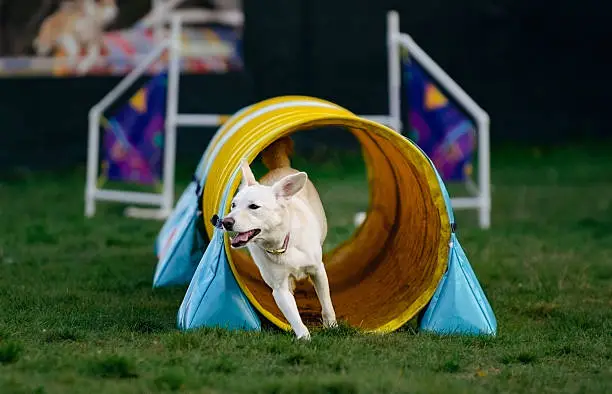
Finding dog agility classes near me is one of the most common searches dog owners make when they want to give their dog more than just a daily walk. Agility is exciting, mentally stimulating, and deeply rewarding for both dogs and their handlers. But with so many training options available, it can be confusing to know where to start, what to look for, and which class level is right for your dog.
If you are searching for a local agility class, chances are you want something close to home, reasonably priced, and safe for your dog, whether you have a high-energy puppy or an adult dog that needs a new challenge.
This guide will walk you through everything you need to know:
- What dog agility classes actually involve
- Why people search for agility classes “near me”
- The benefits of agility training
- Whether agility is right for your dog
- How classes are structured and what to expect
By the end, you will have the confidence to choose the right agility class, not just the closest one.
What Is Dog Agility? (Sport, Fitness, and Teamwork)
Dog agility is a canine sport and training activity where a dog navigates an obstacle course under the guidance of their handler. The handler does not touch the dog or equipment but instead uses body language, movement, and verbal cues to direct the dog through the course.
Agility is not just about speed. It is about:
- Communication
- Focus
- Confidence
- Trust between dog and handler
Many people assume agility is only for competition dogs, but that is far from the truth. Most dogs in agility classes are there for fun, exercise, and mental enrichment, not trophies.
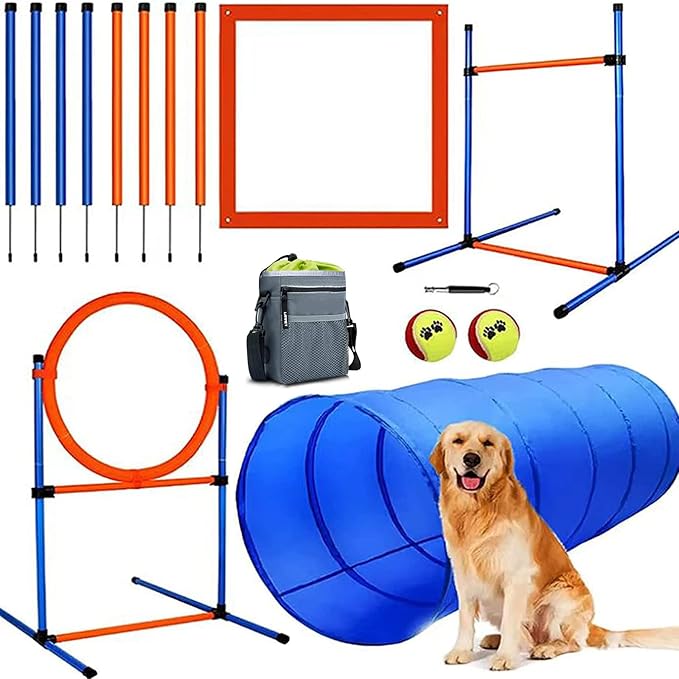
Dog Agility Classes Near Me
JMMPOO Dog Agility Training Equipment, 60-Piece Dog Obstacle Course Training Starter Kit Pet Outdoor Game with Tunnel, Agility Hurdle, Weave Poles, Jump Ring, Pause Box, Toy Balls and Storage Bag
Why People Search “Dog Agility Classes Near Me”
The phrase “near me” matters a lot in dog training. Unlike online courses, agility requires physical equipment, safe surfaces, and real-time instruction. Dog owners usually search locally because:
- Travel distance matters when attending weekly classes
- Pricing varies by location and facility
- Indoor vs outdoor training affects comfort and safety
- Schedules must fit real life (work, family, weather)
Local classes also allow dogs to train consistently, which is essential for skill development and injury prevention.
What This Guide Covers
This article is designed to help you:
- Understand what happens in a dog agility class
- Learn the benefits of agility training
- Decide if agility is right for your dog
- Recognize different class levels from beginner to advanced
- Avoid common beginner mistakes
- Find reputable agility classes using trusted resources like the
American Kennel Club club search - Compare costs, class types, and training formats
Agility vs General Obedience Training (Why Both Matter)
Agility and obedience training serve different but complementary purposes.
Obedience training focuses on:
- Sit, stay, down, recall
- Impulse control
- Household manners
Agility training builds on obedience by adding:
- Movement and speed
- Distance handling
- Confidence on obstacles
- Real-time decision making
A dog does not need perfect obedience to start agility, but basic manners and focus make the experience safer and more enjoyable for everyone involved.
What Are Dog Agility Classes (And What Happens in One)?
A typical dog agility class is structured, progressive, and safety-focused. Classes are usually held weekly and last between 45 and 75 minutes.
Typical Agility Class Structure
Most classes follow a predictable format:
- Warm-up
- Light movement
- Stretching exercises
- Engagement games
- Skill Building
- Flatwork (movement without obstacles)
- Focus and cue training
- Foundation exercises
- Obstacle Training
- Introducing or practicing specific obstacles
- Short sequences (2–5 obstacles)
- One dog working at a time
- Cool-down
- Calm movement
- Rewards and praise
- Instructor feedback
This structure helps prevent injuries and keeps dogs mentally balanced, not overstimulated.
Common Obstacles in Dog Agility Classes
Agility equipment varies slightly by facility, but most classes use:
- Jumps (bar jumps, tire jumps)
- Tunnels (straight and curved)
- Weave poles
- Contact equipment
- A-frame
- Dog walk
- Teeter-totter
Beginner classes often delay contact equipment until dogs have strong foundations.
Skills Taught in Agility Training
Agility is about far more than obstacles. Dogs learn:
- Focus around distractions
- Handler cues and body language
- Impulse control
- Balance and body awareness
- Confidence in new environments
Handlers also learn critical skills, including:
- Timing rewards correctly
- Moving efficiently
- Communicating clearly without confusion
Group Classes vs Private Lessons vs Club Practice
| Training Format | Best For | Key Benefits |
|---|---|---|
| Group Classes | Most beginners | Structured learning, social exposure |
| Private Lessons | Fearful or reactive dogs | Individual pace, customized training |
| Club Practice | Experienced teams | Skill refinement, less instruction |
Most people start with group classes and later add private lessons or practice sessions if needed.
Benefits of Dog Agility Training
Dog agility is one of the most well-rounded activities you can do with your dog.
Physical Benefits
- Improves strength and coordination
- Builds endurance without repetitive strain
- Encourages healthy weight management
Mental Benefits
- Reduces boredom and frustration
- Increases problem-solving ability
- Builds confidence in shy or insecure dogs
Behavioral Benefits
- Channels excess energy productively
- Improves focus around distractions
- Reduces destructive behaviors at home
Relationship Benefits
- Strengthens trust between dog and handler
- Improves communication
- Creates shared goals and achievements
Many owners report that agility improves everyday life, not just performance in class.
Is Agility Right for My Dog?
Agility is adaptable, but it is not one-size-fits-all. Understanding your dog’s needs helps you choose the right starting point.
Dogs That Often Thrive in Agility
- High-energy breeds and mixes
- Curious, confident personalities
- Dogs motivated by food or toys
- Dogs that enjoy learning new tasks
Dogs That May Need Extra Preparation
- Fearful or noise-sensitive dogs
- Reactive dogs (to people or other dogs)
- Dogs with poor impulse control
These dogs can still succeed in agility, but foundation classes or private sessions are often better than jumping straight into group courses.
Health Considerations Before Starting
Before enrolling, consider:
- Joint health and mobility
- Body condition and weight
- Previous injuries
- Growth plate development in puppies
Puppies should not jump full-height obstacles, but they can safely work on flatwork, focus, and confidence exercises.
When to Ask Your Vet First
- Limping or stiffness
- History of orthopedic injury
- Sudden reluctance to jump or move
- Signs of pain during play
A quick vet check can prevent long-term problems and ensure your dog trains safely.
Helpful External Resources
To learn more about agility safety and reputable training environments, these resources are worth exploring:
- American Kennel Club agility overview – understanding structured agility programs
- Local training school websites that explain class progression and safety standards
- Veterinary sports medicine articles on canine conditioning
Dog Agility Class Levels Explained (Beginner to Advanced)
One of the most confusing parts of searching for dog agility classes near me is understanding class levels. Every facility uses slightly different names, but the progression is usually very similar. Knowing these levels helps you place your dog correctly and avoid frustration or injury.
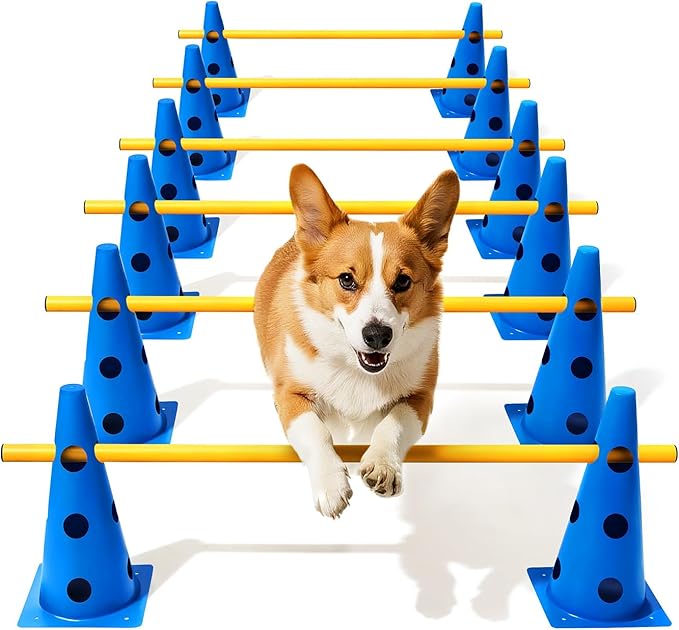
Dog Agility Hurdle Cone Set
Lupar Dog Agility Course Backyard Set, Dog Agility Hurdle Cone Set with Height Adjustable Crossbar for Rehabilitation & Beginners, Dog Agility Equipment for Dog Obstacle Course – 12 Inch
Foundations / Intro to Agility
This is where most dogs should start, even if they are athletic or high-energy.
What foundations classes focus on:
- Engagement and focus around distractions
- Flatwork (movement without obstacles)
- Directional cues (left, right, forward)
- Confidence building
- Basic impulse control
Dogs usually work without jumps or contact equipment at this stage. The goal is to build safe habits, not speed.
Best for:
- Puppies
- Adult dogs new to agility
- Nervous or reactive dogs
- Owners new to agility
Beginner Agility Classes
Beginner classes introduce real agility obstacles, but everything is kept low-pressure and controlled.
What dogs learn here:
- Low jumps (often at reduced height)
- Tunnels
- Introduction to weave pole concepts
- Short obstacle sequences (2–4 obstacles)
Handlers learn:
- Timing rewards
- Body positioning
- How small movements affect the dog
This stage is where agility really starts to feel fun.
Intermediate Agility Classes
Intermediate classes are about refinement and flow.
Focus areas include:
- Longer sequences (5–10 obstacles)
- Handling techniques (front crosses, rear crosses)
- Increased distance handling
- Better speed control
Dogs at this level are confident on most obstacles and can work around other dogs without losing focus.
Advanced / Competition Preparation
Advanced agility is optional and not required to enjoy the sport.
Training goals:
- Full courses
- Contact performance and consistency
- Course strategy
- Speed with accuracy
Some teams pursue competition titles, while others simply enjoy the challenge without entering trials.
Specialty Agility Options
Many facilities offer focused classes such as:
- Weave pole clinics
- Handling workshops
- Confidence-building classes
- Agility games classes (less pressure, more fun)
These are excellent for filling skill gaps or rebuilding confidence.
How to Find Dog Agility Classes Near You
Finding quality agility training is easier when you know where to look.
Use Official Club Directories (Best for Reputable Options)
National organizations maintain directories of clubs and training facilities. These directories often lead you to well-established agility communities.
A widely used starting point is the club search provided by the
American Kennel Club, which helps you find:
- Local training clubs
- Agility-focused organizations
- Nearby events and venues
Even if a club does not advertise classes publicly, many welcome inquiries.
Check Agility Event Calendars
Agility trial calendars are a hidden gem.
Why they help:
- They show active agility venues
- They reveal clubs that train regularly
- Many competitors also teach or host classes
Spectating an event can help you:
- See training styles in action
- Talk to instructors and handlers
- Decide if the environment suits your dog
Search Terms That Actually Work
Try combining keywords with your location:
- dog agility classes near me
- agility foundations class + [your city]
- dog sports training center + [your area]
- AKC agility club + [state or city]
Searching this way filters out generic obedience schools and brings up true agility-focused programs.
Other Places to Look Locally
Do not limit yourself to Google alone. Many agility classes are advertised through:
- Local dog training schools
- Obedience or rally clubs that also offer agility
- Breed clubs
- Community Facebook groups for dog sports
Asking other dog owners is often faster than searching online.
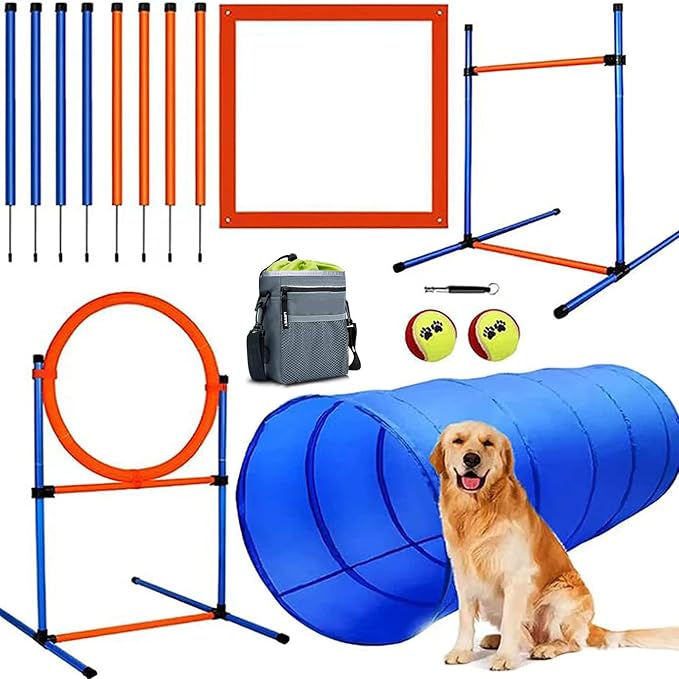
60-Piece Dog Obstacle
JMMPOO Dog Agility Training Equipment, 60-Piece Dog Obstacle Course Training Starter Kit Pet Outdoor Game with Tunnel, Agility Hurdle, Weave Poles, Jump Ring, Pause Box, Toy Balls and Storage Bag
How to Choose the Best Agility Class (Checklist)
Not all agility classes are created equal. Choosing the wrong environment can slow progress or put your dog at risk.
Facility & Safety
Look for these essentials:
- Non-slip flooring (rubber matting, turf, or properly maintained grass)
- Well-maintained, regulation-style equipment
- Adequate space between obstacles
- Clear rules for safety and turn-taking
A good facility prioritizes injury prevention over speed.
Trainer Qualifications & Training Style
A great agility trainer:
- Has experience teaching foundations, not just advanced dogs
- Uses positive reinforcement methods
- Explains why things work, not just what to do
- Coaches handlers as carefully as dogs
Avoid environments that rely on fear, pressure, or rushing dogs through equipment.
Class Setup & Environment
Pay attention to:
- Class size (smaller is better for beginners)
- How dogs wait their turn
- Visual barriers for excitable dogs
- Entry and exit flow to reduce stress
Ask whether the facility has:
- Make-up classes
- Indoor training options for bad weather
- Flexible progression between levels
What to Bring to Your First Dog Agility Class
Being prepared helps your dog start on a positive note.
Essential Gear
- Flat collar or harness
- Standard leash (no retractable leashes)
- High-value treats (soft, small, easy to eat)
- Favorite toy (if allowed)
Helpful Extras
- Treat pouch or pockets
- Water and bowl
- Poop bags
- Towel (especially for outdoor classes)
- Comfortable shoes for you
Health & Admin Requirements
Many facilities require:
- Proof of vaccinations
- A health or behavior questionnaire
- Advance registration
Always ask before showing up.
How Much Do Dog Agility Classes Cost?
Pricing varies widely, which is another reason people search “near me.”
Typical Price Ranges
| Class Type | Average Cost |
|---|---|
| Group class (per session) | $25–$45 |
| 5–8 week course | $150–$300 |
| Private lesson | $60–$120 |
| Practice/run-through | $10–$25 |
Prices depend on:
- City and region
- Instructor experience
- Indoor vs outdoor facility
- Class length
Packages and Memberships
Some facilities offer:
- Multi-class discounts
- Monthly memberships
- Unlimited practice time for members
These can reduce long-term costs if you plan to train regularly.
Hidden Costs to Consider
If you advance into competition, additional costs may include:
- Equipment for home practice
- Trial entry fees
- Travel expenses
- Special workshops or seminars
For most people training recreationally, these costs are optional.
Agility at Home vs In-Person Classes
Many dog owners wonder whether they can train agility at home instead of searching for dog agility classes near me. The truth is that both options have value, but they serve different purposes.
What You Can Safely Do at Home
Home training is excellent for:
- Flatwork (direction changes, engagement games)
- Focus and impulse control
- Body awareness exercises (balance discs, cavaletti poles)
- Confidence building with low, safe props
These exercises build a strong foundation and make in-person classes more productive.
What Is Better Taught In Person
Some skills should be taught only with professional supervision, especially for beginners:
- Contact obstacles (A-frame, dog walk, teeter)
- Proper jump form and height progression
- Weave pole training
- Sequencing multiple obstacles safely
A trained instructor can spot subtle issues in movement or confidence that are easy to miss at home.
Online Agility Courses: When They Help (and When They Don’t)
Online agility courses can:
- Help handlers learn handling theory
- Offer homework ideas between classes
- Improve timing and cue clarity
However, they cannot replace:
- Real equipment
- Safety oversight
- Environmental distractions
For most dogs, the best approach is in-person classes supported by home practice.
Common Mistakes Beginners Make (And How to Avoid Them)
Starting agility is exciting, and enthusiasm can sometimes work against progress.
Rushing Past Foundations
Skipping foundations often leads to:
- Poor obstacle confidence
- Confusion
- Higher injury risk
Solution: Treat foundations as skill-building, not a delay.
Over-Jumping Young or Unconditioned Dogs
Jumping too early or too often can strain joints.
Solution: Follow instructor guidance on jump height and repetition.
Focusing Only on Obstacles
Agility is not just about equipment.
Solution: Prioritize engagement, movement, and communication.
Skipping Warm-Ups and Cool-Downs
Cold muscles are more prone to injury.
Solution: Always warm up and cool down, even during practice.
Inconsistent Handling Cues
Mixed signals confuse dogs and slow learning.
Solution: Learn clear cues and stay consistent.
Timeline: How Long Until My Dog Can Run a Course?
Progression depends on the dog, handler, and training consistency.
Typical Training Timeline
| Timeframe | What to Expect |
|---|---|
| Weeks 1–4 | Foundations, focus, flatwork |
| Months 2–3 | Basic obstacles, short sequences |
| Months 4–6 | Longer sequences, confidence |
| 6+ months | Full courses (optional) |
Some dogs move faster, others slower. Both are normal.
What “Ready for Competition” Really Means
A dog is competition-ready when they can:
- Perform obstacles safely and confidently
- Stay focused in busy environments
- Recover quickly from mistakes
Many teams never compete and still enjoy agility for years.
Agility Competitions and Titles (Optional Path)
Agility can be purely recreational, but some handlers enjoy setting goals through competition.
Recreational vs Competitive Agility
- Recreational agility: fun, fitness, bonding
- Competitive agility: rules, courses, titles
There is no pressure to compete unless you want to.
How Local Events Work
A great way to learn is to:
- Attend a local agility trial as a spectator
- Watch dogs at different levels
- Talk to handlers and instructors
Many people discover their future trainers this way.
Events are often organized by clubs affiliated with the
American Kennel Club, which also provides clear rules and safety standards.
FAQs: Dog Agility Classes Near Me
How do I find dog agility classes near me fast?
Search using your city name combined with “agility foundations” or check local training clubs and agility event calendars.
Do agility classes require obedience training first?
Basic focus and recall help, but perfect obedience is not required. Many dogs learn obedience skills through agility.
Can small dogs do agility?
Yes. Agility is suitable for dogs of all sizes when equipment and jump heights are adjusted correctly.
Is agility safe for puppies?
Puppies can safely do foundation work and confidence exercises. Jumping and contact equipment should wait until growth plates close.
What if my dog is reactive around other dogs?
Many facilities offer:
- Smaller classes
- Visual barriers
- Private lessons
Agility can actually improve focus and confidence when introduced properly.
How many agility classes per week is ideal?
Most dogs do best with one structured class per week, plus light home practice.
What should I look for in an agility trainer?
Look for:
- Safety-first approach
- Clear explanations
- Positive reinforcement
- Experience with beginner dogs
How much do agility classes cost in my area?
Costs vary by location, but group classes typically range from $25–$45 per session.
Are there beginner-friendly agility classes for rescue dogs?
Absolutely. Many rescues thrive in agility when training is patient and confidence-focused.
Indoor vs outdoor agility: which is better?
- Indoor: consistent conditions, year-round access
- Outdoor: more space, weather exposure
Both can be excellent with proper surfaces and safety protocols.
Conclusion: Finding the Right Dog Agility Class Near You
When searching for dog agility classes near me, the goal is not just convenience. The right class combines:
- Safe foundations
- A reputable facility
- A trainer who understands both dogs and people