Brittany spaniel dog food, Let’s be honest. If you share your life with a Brittany Spaniel, you know the feeling. You open the back door and they don’t just walk out—they explode into the yard. A white-and-orange bolt of lightning, ricocheting off trees with enough energy to power a small town. That incredible zest for life is what makes them so special, but it also means that scooping just any old kibble into their bowl won’t cut it. These canine athletes need fuel that matches their metabolism.

Figuring out the right brittany spaniel dog food can feel overwhelming. Walk down any pet store aisle and you’re bombarded with hundreds of bags, all claiming to be the best. But for a breed with this much spark, their nutritional needs are pretty specific. It’s less about picking a popular brand and more about understanding what’s going on inside your energetic friend.
Brittany spaniel dog food. This guide is here to demystify it all. We’re going to break down exactly what makes your Brittany tick from a dietary perspective, from their demanding energy levels to those gorgeous coats we love to stroke. Think of this as your roadmap to finding a food that doesn’t just fill their belly, but truly nourishes them, supporting every leap, every sprint, and every contented sigh at the end of a long day.
What Makes a Brittany’s Diet So Different?
You can’t talk about feeding a Brittany spaniel dog food without first understanding what you’re working with. This isn’t a dog built for lounging; it’s a dog built for covering miles of rugged terrain at a full sprint. Their entire biology is geared towards performance, and that has major implications for their diet.
First up: that legendary energy. I often joke that my Brittany spaniel dog food, Finn, has two settings: “100%” and “off.” There’s no in-between. This breed burns calories at a staggering rate. They need a diet packed with high-quality, easily accessible energy sources to prevent them from crashing. Cheap foods loaded with empty carbs like corn and wheat just won’t sustain them. They need real, dense nutrition.
Then there are the joints. All that athleticism comes at a cost. Watching Finn fly over a fallen log is a thing of beauty, but each landing sends a jolt through his hips and elbows. Like many Brittany spaniel dog food, he’s prone to joint issues, which is why proactive support isn’t just a good idea—it’s essential. I look for foods that naturally include joint-friendly supplements, the kind of thing that keeps him moving smoothly year after year.
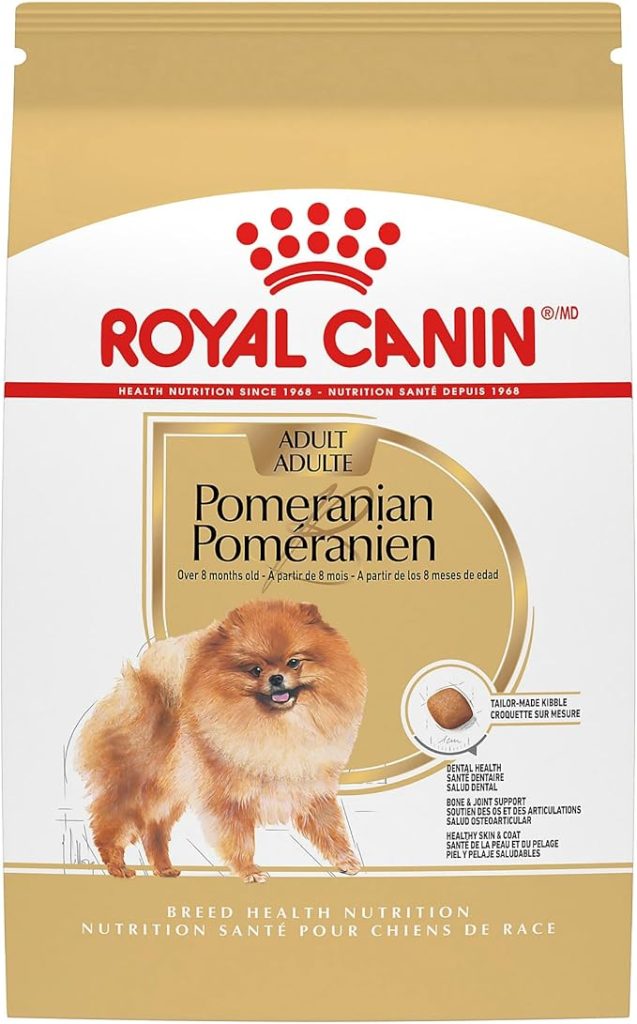
Brittany spaniel dog food
Royal Canin Breed Health Nutrition Pomeranian Dry Dog Food, 2.5 lb bag
And we can’t forget the coat. That beautiful, speckled double coat isn’t just for show. It’s their all-weather gear. Keeping it healthy, shiny, and free from dry, flaky skin requires a constant influx of specific fats. A dull coat is often the first sign that something’s missing from their diet.
Finally, the tummy. Okay, not every Brittany spaniel dog food has a sensitive stomach, but enough of them do that it’s a talking point among owners. Some seem to develop sensitivities to common ingredients, leading to itchiness, ear troubles, or less-than-pleasant digestive issues. If your dog is constantly scratching or has an upset stomach, the food bowl is the first place to investigate.

Reading the Label: What Your Brittany spaniel dog Food Really Needs
Turning a bag of dog food around to look at the ingredient list can feel like reading another language. Let’s translate it into what actually matters for your dog.
Protein is Non-Negotiable. This is the cornerstone. Look for a named animal protein as the very first ingredient—think “deboned chicken,” “salmon,” or “lamb.” Not “meat meal” or “poultry by-product.” This protein rebuilds muscle after all that running and provides lasting energy. Aim for something in the 25-30% range for adult dogs.
Fats Are Fuel. Don’t be scared of fat! For a high-drive dog, healthy fats are their premium gasoline. They provide concentrated energy and are vital for that healthy skin and glorious coat. Look for sources like chicken fat or salmon oil, and a fat content around 15-18% for active adults.
Smart Carbs for Steady Energy. Carbs aren’t the enemy, but the type matters. You want complex carbohydrates that break down slowly, providing a steady release of energy instead of a sugar spike and crash. I look for ingredients like sweet potatoes, brown rice, or oats instead of cheap fillers like corn or wheat, which can be harder to digest and offer less nutritional value.
The Support Squad: Finally, keep an eye out for those bonus ingredients that offer targeted support:
- Omega-3 and Omega-6 Fatty Acids: For reducing inflammation and boosting coat shine. Salmon oil is a fantastic source.
- Glucosamine and Chondroitin: The dynamic duo for joint health. These can be naturally occurring from ingredients like cartilage or added as a supplement.
- Probiotics: These friendly bacteria are a game-changer for supporting healthy digestion and a robust immune system.
Puppies vs. Adults: Feeding Through Every Life Stage
A one-size-fits-all approach to dog food misses the mark completely. What a growing puppy needs is wildly different from a senior dog. Getting this right sets them up for a lifetime of health.

Brittany Tearless Puppy Dog Shampoo
Healthy Breeds Brittany Tearless Puppy Dog Shampoo 16 oz
Size:16 oz
The Puppy Phase (Up to ~1 Year): This is when the real magic—and chaos—happens. They’re growing at an incredible rate, and their food needs to support that without pushing growth too fast, which can harm developing joints.
I made the switch to a large-breed puppy formula for Finn after talking to our vet. These formulas are designed with a careful balance of calcium and phosphorus to ensure steady, strong bone development. The best ones are also packed with DHA, an omega-3 fatty acid that’s crucial for brain and vision development—essential for a smart pup who needs to learn commands and track birds!
Because their tiny stomachs can’t hold much but their engines are always running, puppies need three or even four small meals a day. It keeps their energy levels stable and prevents hypoglycemia.
When you’re wading through the world of Brittany spaniel dog food, it’s worth checking out resources like the American Kennel Club’s breakdown of nutritional standards for sporting breeds. It helps you understand the why behind the ingredients, which is way more powerful than just picking a pretty bag.
Navigating Adult Diets, Senior Years, and Special Needs
The Adult Shift: Finding Their Maintenance Groove
Somewhere between one and two years old, that gawky puppy finally grows into their paws. They’re not less energetic, mind you—just more coordinated. This is when you make the big switch from puppy food to an adult formula. The goal shifts from supporting rapid growth to maintaining a lean, athletic physique and powering their daily adventures.
This transition is crucial. I remember when Finn turned one; he was still a ball of fire, but I noticed he wasn’t finishing his puppy food. It was just too rich and calorie-dense for his slowing growth rate. After a chat with our vet, we gradually moved him to a high-performance adult formula.
The key for an adult Brittany spaniel dog food is finding a balance. The food needs to be packed with enough premium protein and fat to fuel zoomies and long hikes, but not so calorie-dense that it leads to weight gain. An active breed formula is usually a perfect fit. These are designed for dogs who actually use their energy, not just store it.
Portion control becomes your best friend here. The feeding guide on the bag is just that—a guide. Finn’s portion size changes with the seasons. In the summer, when we’re hiking daily, he gets a bit more. In the dead of winter, when our adventures are shorter, I scale it back. It’s all about watching his body and adjusting to keep him at that ideal weight where you can just barely feel his ribs.
The Golden Years: Adjusting for a Senior Brittany spaniel dog food
It’s a bittersweet moment when you first notice the grey sugar frosting your Brittany spaniel dog food muzzle. Around age seven or eight, they officially become seniors. Their needs change again, and their diet should be the first thing we adjust to keep them comfortable and healthy.
A senior Brittany spaniel dog food metabolism is slower. They might not have the same endurance for those five-mile hikes (and honestly, neither might you!). Continuing to feed them the same calorie-dense adult food is a fast track to obesity, which puts terrible stress on their aging joints.
What to look for in a senior food:
- Fewer Calories, More Fiber: A good senior formula is less energy-dense but includes more fiber to help them feel full and support digestive regularity.
- Boosted Joint Support: This is non-negotiable. I actively seek out senior foods that have elevated levels of Glucosamine, Chondroitin, and MSM to cushion those well-used joints. The anti-inflammatory power of Omega-3s becomes even more important now, too.
- Kidney-Friendly Profile: As dogs age, their kidneys can become less efficient. Many senior diets are formulated with slightly reduced phosphorus and high-quality protein to ease the workload on these vital organs.
The transition to a senior diet isn’t always urgent, but it’s a conversation worth having with your vet during their annual check-up. It’s one of the easiest ways to proactively manage their comfort.
When Good Food Goes Bad: Allergies and Sensitivities
If your Brittany spaniel dog food is constantly licking their paws, scratching their ears, or dealing with recurrent skin infections, you might be dealing with a food sensitivity. It’s more common than you’d think. Their immune system mistakenly identifies a particular protein or carbohydrate as a threat and launches an attack, which shows up as inflammation in the skin and gut.
Common culprits include proteins like chicken or beef, and grains like corn or wheat. But really, a dog can develop an intolerance to anything.
What does this look like? It’s not always dramatic vomiting. More often, it’s subtle:
- Itchy skin, especially around the paws, armpits, and ears.
- Chronic ear infections (a classic sign of allergies).
- Red, irritated skin.
- occasional soft stool or gas.
If you suspect a food allergy, the gold standard is an elimination diet. This means feeding a novel protein (one your dog has never eaten before, like duck, venison, or kangaroo) or a hydrolyzed protein (where the protein is broken down into molecules too small for the immune system to recognize) for 8-12 weeks. This isn’t easy—it means no treats, table scraps, or flavored medications—but it’s the only way to truly identify the problem.
For many owners, switching to a high-quality Limited Ingredient Diet (LID) that avoids common triggers can bring immense relief. It’s all about playing detective and finding what works for your unique dog.
The Battle of the Bulge: Weight Management
It sounds counterintuitive for such an active breed, but Brittany spaniel dog food can absolutely pack on the pounds. A minor injury that sidelines them, a change in your schedule that reduces walk times, or just the slow down of age can tip the scales—literally.
An overweight Brittany spaniel dog food isn’t just a little chunky; they’re at a much higher risk for joint problems, diabetes, and heart disease. Keeping them lean is one of the single most important things you can do for their longevity.
How to fight the flab:
- Measure Everything! Eyeballing portions is a recipe for accidental overfeeding. Use a proper measuring cup.
- Choose a “Light” or “Weight Management” Formula: These foods are lower in fat and calories but higher in fiber and protein to help maintain muscle mass while promoting satiety. They’re a fantastic tool.
- Incorporate Healthy, Low-Calorie Snacks: Replace some of their kibble with fresh green beans, sliced carrots, or a few pieces of apple. They get the satisfaction of a treat without the caloric bomb.
- Get Moving: Obviously, increase exercise if you can. Even an extra five minutes of fetch or a new puzzle toy to engage their brain can help burn a few more calories.
Remember, weight loss for a dog should be gradual. Always talk to your vet before putting your dog on a diet to rule out underlying medical issues and get a safe target weight.
Kibble, Raw, or Fresh? Picking Your Delivery System
This is the great modern dog food debate. Each option has its fervent believers and its drawbacks. There’s no one-size-fits-all answer, and the “best” choice is often a blend of what’s nutritionally sound, practical for your life, and enjoyable for your dog.
Let’s break down the options without the hype:
- High-Quality Kibble (Dry Food): This is the convenient, reliable workhorse for most owners, myself included. The good stuff has excellent nutritional profiles, is shelf-stable, and is great for dental health as the crunch helps scrape plaque off teeth. Storing a month’s worth of food in a bin in the garage is a lot easier than managing a freezer full of raw patties. For most Brittany spaniel dog food a premium kibble is a perfect foundation.
- Wet Food (Canned): Incredibly palatable and a great source of hydration. It’s fantastic for picky eaters or older dogs with dental issues who struggle with hard kibble. The downside? It’s more expensive per serving and can contribute to faster tartar buildup on teeth. I often use it as a “topper” mixed with kibble to make meals more exciting.
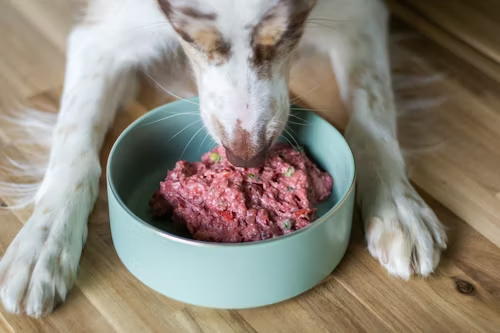
- Raw Diets (BARF/PMR): The most controversial option. Proponents swear by shinier coats and higher energy levels. However, the risks are significant: bacterial contamination (like Salmonella or E. coli) for both you and your dog, and the potential for severe nutritional imbalances if not formulated perfectly by a veterinary nutritionist. It’s a high-maintenance, expensive path that requires deep research and commitment.
- Fresh/Cooked Delivery Services: Companies like The Farmer’s Dog or Nom Nom deliver pre-portioned, human-grade, freshly cooked meals to your door. This is the peak of convenience and quality. The food is phenomenal, and dogs absolutely love it. The major drawback is the high cost, making it prohibitive for many families, especially with a medium-sized dog like a Brittany.
My personal approach? I use a high-quality kibble as Finn’s mainstay. It’s affordable, easy, and he thrives on it. But a few times a week, I’ll stir in a spoonful of wet food, a raw egg (from a trusted source), or some leftover plain cooked chicken or salmon. This “mixed feeding” approach gives him variety and an extra nutrient boost without breaking the bank or my routine.
Practical Portions, Schedules, and Your Questions Answered
How Much Food? It’s More Art Than Science
This is the million-dollar question, and anyone who gives you a single, definitive number is oversimplifying. The right amount of food for your Brittany spaniel dog food is a moving target, influenced by a cocktail of factors that change daily.
The chart on the back of the dog food bag is a starting point, but it’s a guess based on an “average” dog. Your Brittany is anything but average. Here’s what really determines the right portion:
- Metabolism: This is huge. I’ve known two Brittanys from the same litter; one could eat anything and never gain an ounce, while the other had to be carefully measured to avoid chunkiness. Know your dog.
- Activity Level: This is the biggest variable. A weekend where we spend hours hiking means Finn’s dinner portion gets a boost. A rainy week stuck indoors? The scoops get a little lighter.
- Age: Puppies need more calories per pound than adults. Seniors need fewer.
- Neutering/Spaying: This can slightly lower metabolic rate, so you might need to adjust portions down after the procedure.
- The Food Itself: Not all kibble is created equal. A cup of a high-fat, high-protein premium food is far more calorie-dense than a cup of a grocery store brand filled with fillers. Always calculate based on calories per cup, not volume.
The best tool you have isn’t a measuring cup; it’s your hands and your eyes. Learn to perform a simple body condition score check every couple of weeks:
- Run your hands over their ribs. You should be able to easily feel them under a thin layer of fat. If you have to press hard to find them, they’re too heavy. If they’re sharp and visible, they’re too thin.
- Look at them from above. You should see a defined waist behind the ribs—an hourglass figure.
- View them from the side. The belly should tuck up from the ribcage, not hang down straight.
This hands-on approach is far more accurate than any chart.
Meal Frequency: Why Two is Better Than One
While one big meal a day might be convenient for you, it’s not ideal for your dog. For a Brittany, splitting their daily ration into two meals—one in the morning and one in the evening—is highly recommended for a few key reasons:
- Sustained Energy: It provides a steady release of energy throughout the day, preventing a mid-afternoon energy crash (and the restless behavior that comes with it).
- Prevents Bloat (GDV): This is the most critical reason. Brittanys, with their deep, narrow chests, are considered a higher-risk breed for Gastric Dilatation-Volvulus, a life-threatening condition where the stomach fills with gas and twists. Feeding smaller, more frequent meals significantly reduces this risk compared to one large daily gorging.
- Manages Hunger: It keeps them from getting desperately hungry and then eating too fast, which can also contribute to bloat and digestive upset.
For puppies, this is even more important. Their tiny stomachs can’t hold enough food to sustain them for long, which is why they need three or even four meals a day.
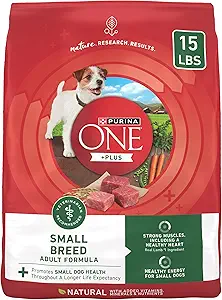
Small Breed Lamb and Rice
Purina ONE Plus Small Breed Lamb and Rice Formula Dry Dog Food – 15 lb. Bag
Your Brittany Spaniel Dog Food FAQs
Here are the questions I hear most often from other Brittany owners.
Q: So, what is the single best dog food for a Brittany spaniel dog food?
A: I wish there was one magic answer! The truth is, the “best” food is the one that makes your specific dog thrive. It keeps them at a perfect weight, gives them plenty of energy, results in small, firm stools, and leaves their skin healthy and their coat shiny. For one dog, that might be a salmon-based kibble; for another, it could be a lamb and rice formula. It’s about individual fit, not a universal #1 ranking.
Q: My Brittany spaniel dog food is always scratching. Are they allergic to chicken?
A: Chicken is one of the most common food allergens for dogs, so it’s a prime suspect. However, they could also be allergic to beef, dairy, eggs, soy, or wheat. Environmental allergens like pollen or dust mites are actually more common than food allergies. The only way to know for sure is to do a strict food elimination trial under your vet’s guidance, which involves feeding a novel or hydrolyzed protein diet for several weeks.
Q: How many calories does my adult Brittany spaniel dog food need?
A: A good ballpark for a healthy, active adult Brittany is between 1,000 and 1,400 calories per day. But this is a massive generalization. A 35-pound female who is a casual walker will be on the very low end of that range. A 45-pound male who runs with you every day might need even more than 1,400. Use this as a starting point and adjust up or down based on their body condition.
Q: Should I be adding joint supplements to my dog’s food?
A: If you’re already feeding a high-quality food that lists glucosamine and chondroitin in the ingredients, you might not need to. However, for many owners, adding a separate supplement like Cosequin or Dasuquin provides a more potent, therapeutic dose that’s excellent for proactive joint care, especially as they age or if they have a known family history of dysplasia. It’s a great topic to discuss during your next vet visit.
Q: Is grain-free food a bad choice? I’ve heard it’s linked to heart problems.
A: This is a vital question. The FDA has investigated a potential link between certain grain-free diets (often those containing peas, lentils, and potatoes as main ingredients) and a heart disease called Dilated Cardiomyopathy (DCM) in dogs. Unless your Brittany spaniel dog food has a diagnosed grain allergy (which is rare), there is no proven health benefit to going grain-free. In fact, due to the potential risk, many vets now recommend choosing a diet that includes healthy, whole grains like oats or brown rice. When in doubt, erring on the side of caution with a well-researched diet that includes grains is a smart choice. The World Small Animal Veterinary Association (WSAVA) provides excellent guidelines on how to choose a safe and nutritionally sound diet.
Conclusion: The Final Scoop
Choosing the right brittany spaniel dog food isn’t about finding a mythical “perfect” brand. It’s a journey of observation and adjustment. It’s about understanding that your dog’s needs will evolve from a gawky puppy to a tireless adult and finally to a dignified senior.