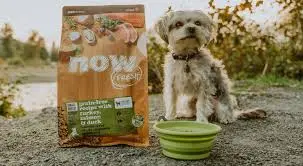
Feeding My Senior Yorkie: The Hard Truths About Small Breed Nutrition
The moment I realized something was wrong with Benny came on a Tuesday evening. My 10-year-old Yorkie, who used to come running at the sound of his food bowl, was just sitting there staring at his kibble like it had offended him. When he finally tried to eat, I heard an unsettling “clack” as his worn teeth struggled with a piece that suddenly seemed too big. That’s when our vet dropped the bombshell: “Small dogs like Benny are considered seniors by age 7, but most pet food companies don’t account for their tiny mouths and faster metabolisms.”
The Reality of Feeding an Aging Small Dog
Here’s what most pet food labels won’t tell you: that “senior” formula you’re buying might be completely wrong for your small breed. After six months of trial and error (and several wasted bags of food), here’s what I’ve learned:
The Kibble Size Problem
Benny’s vet showed me how most senior kibble is designed for labs and retrievers. For a 7-pound Yorkie? It’s like asking him to eat a tennis ball. We measured his ideal kibble at just 8mm – smaller than a pea.
The Metabolism Myth
While large dogs slow down as they age, small breeds often maintain their lightning-fast metabolism. Benny still burns through calories like a puppy, but now with added joint issues and dental problems.
What Actually Worked for Us
After trying seven different foods, these three made a visible difference:
- Royal Canin Small Aging 10+
- Tiny star-shaped kibble (perfect for missing teeth)
- Enhanced with fish oil for his coat
- The only food he consistently finishes
- Purina Pro Plan Bright Mind
- Soft enough to chew with few teeth
- Contains botanical oils that helped his alertness
- More affordable than prescription diets
- Homemade Mix
- Ground turkey + sweet potato + green beans
- Added fish oil and glucosamine
- Used as a topper when he’s being picky
The Game-Changing Adjustments
For Dental Issues:
- Soaking kibble in warm bone broth for 10 minutes
- Switching to shallow, wide bowls so he doesn’t have to crane his neck
For Weight Maintenance:
- Three small meals instead of two (easier on his digestion)
- Hand-feeding some meals as bonding time and portion control
For Joint Health:
- Ramps everywhere (no more jumping on furniture)
- Gentle massage after walks (he now demands this)
What I Wish I’d Known Sooner
- Small breeds show age differently – Benny didn’t slow down, he just started being picky and stiff
- Bloodwork is crucial – His thyroid levels changed how we managed his diet
- Hydration matters more – I add water to every meal now
“Your dog’s not being difficult – the food is,” my vet told me during one of many frustrated visits. That changed everything. Now when Benny turns up his nose at something, I know it’s not him – it’s the food failing his needs.
The Cost of Caring: Budgeting for My Senior Small Breed’s Special Diet
When I first saw the price tag on premium senior small breed food, I nearly choked. $85 for a 10-pound bag? That’s more per ounce than the steak I was buying for my anniversary dinner. But after Benny’s health scare last winter, I learned some hard lessons about cutting corners with senior dog nutrition.
The Real Cost of Feeding a Senior Small Breed
Here’s the breakdown of what I’ve spent over the past year:
The Failed Experiments:
- $220 on 4 different “small breed” foods that were still too large
- $150 in vet bills from food-related digestive issues
- Countless hours scrubbing vomit out of carpets
What Actually Works:
- Royal Canin Small Aging 10+ ($75 for 8lbs)
- Lasts 6 weeks (Benny eats 1/4 cup daily)
- $1.78 per meal
- Homemade Topper ($12/week)
- Ground turkey, sweet potato, green beans
- Makes kibble more appealing and digestible
- Supplements ($28/month)
- Glucosamine chews
- Probiotic powder
- Fish oil capsules
Total Monthly Cost: ~$130
Smart Savings That Don’t Compromise Health
After blowing my budget initially, I discovered these tricks:
Bulk Buying Without Waste:
- Split large bags with a neighbor who has a senior Chihuahua
- Vacuum-seal portions to prevent spoilage
Supplement Hacks:
- Buy human-grade fish oil (same quality, half the price)
- Use plain pumpkin puree instead of expensive digestive aids
Vet Discounts:
- Many clinics offer 10-15% off prescription diets
- Autoship programs can save 5-10%
Transitioning Foods Without Chaos
The first time I switched Benny’s food too quickly resulted in:
- 3am carpet cleaning sessions
- A very unhappy dog
- An even unhappier vet bill
Now I follow this foolproof transition schedule:
| Day | Old Food | New Food | Notes |
|---|---|---|---|
| 1-3 | 75% | 25% | Watch for appetite changes |
| 4-6 | 50% | 50% | Check stool consistency |
| 7-9 | 25% | 75% | Reduce if any diarrhea |
| 10+ | 0% | 100% | Full transition |
Pro Tip: Keep canned pumpkin on hand during transitions – it works wonders for upset stomachs.
The Supplement Routine That Made a Difference
After bloodwork showed Benny needed extra support, we added:
- Morning:
- 1/4 tsp probiotic powder mixed with food
- 500mg glucosamine chew
- Evening:
- Fish oil capsule (pierced and drizzled)
- Dental chew (for his remaining teeth)
The change was gradual but noticeable. Within 6 weeks:
- His coat became noticeably softer
- He stopped slipping on hardwood floors
- His “senior moments” decreased
Homemade Meals & Storage Hacks for Senior Small Breeds
The Day I Realized My Senior Dog Needed More Than Kibble
Benny had been picking at his Royal Canin for weeks when I finally caved and tried homemade food. The first batch? A disaster. He sniffed it, walked away, and I was left with a fridge full of uneaten turkey and sweet potato.
But after tweaking recipes with my vet’s guidance, I cracked the code on homemade meals that Benny actually loves—while keeping his kibble fresh longer. Here’s what worked.
Homemade Food That Works (After 7 Failed Attempts)
1. The “I’m Not Hungry” Breakfast
- Ingredients:
- 1 scrambled egg (no oil or salt)
- 1 tbsp plain oatmeal (cooked in bone broth)
- ½ tsp flaxseed
- Why it works: Easy to eat, gentle on his stomach
2. The Joint Helper Dinner
- Ingredients:
- ¼ cup ground turkey (boiled, no seasoning)
- 2 tbsp mashed sweet potato
- 1 tsp fish oil
- Pinch of turmeric (anti-inflammatory)
- Benny’s rating: 10/10 (he licks the bowl clean)
3. The Hydration Booster
- Ingredients:
- ½ cup watermelon (seedless, cubed)
- 1 tbsp plain yogurt
- 1 tsp honey (vet-approved for picky eaters)
- Perfect for: Hot days when Benny’s not drinking enough
How to Store Kibble So It Stays Fresh
Small dogs eat slowly, and stale kibble loses nutrients. Here’s how I keep Benny’s food fresh:
1. The Vacuum-Seal Trick
- Split big bags into 2-week portions
- Use a FoodSaver to remove air
- Lasts 3x longer than in the bag
2. The Freezer Method
- Store unopened bags in the freezer
- Thaw only what you need for 7-10 days
- Prevents fat from going rancid
3. The Oxygen Absorber Hack
- Drop silica gel packets (from shoe boxes) into the kibble bin
- Keeps moisture out (cheaper than commercial packs)
5 Signs Your Senior Dog’s Food Has Gone Bad
- Smells like cardboard or paint (rancid fats)
- Kibble feels greasy (oxidized oils)
- Your dog suddenly refuses it (they sense spoilage first)
- Color has faded (nutrient loss)
- Mold spots (especially in humid climates)
My test: Put a few pieces in a ziplock with a damp paper towel overnight. If they smell funky in the morning, toss the whole bag.
The Complete Senior Small Breed Feeding System
The Treat That Almost Cost Me $500
Last winter, I made the mistake of giving Benny a “senior-friendly” dental chew that was way too hard. Two hours later, we were at the emergency vet with a cracked molar. That painful (and expensive) lesson taught me: not all senior treats are created equal.
After testing 12 different options with my vet’s guidance, here’s the ultimate guide to treats, portions, and cost-saving tips for senior small breeds.
Best Treats for Senior Teeth (That Won’t Break Them)
1. Zuke’s Mini Naturals (Benny’s Favorite)
✅ Why They Work:
- Pea-sized (0.25” diameter)
- Soft texture (no tooth damage)
- Only 3 calories per piece
2. Freeze-Dried Liver (DIY Crumbles)
✅ Budget Hack:
- Buy large pieces (cheaper)
- Crush into powder for sprinkling
- Lasts months in a spice jar
3. Frozen Blueberries
✅ Perfect For:
- Hydration boost
- Antioxidant support
- Zero prep needed
Avoid:
- Hard biscuits
- Rawhides
- Anything bigger than their canine teeth
Adjusting Portions as Your Dog Ages
Benny’s needs changed dramatically from age 10 to 12. Here’s how we adapted:
10-11 Years Old:
- 2 meals/day
- 1/4 cup kibble + topper per meal
- 3-4 small treats for training
12+ Years Old:
- 3 smaller meals (easier digestion)
- Reduced calories by 15% (less active)
- Added warm water to every meal
Pro Tip: Weigh your dog monthly—small weight changes are hard to spot visually.
Final Cost Breakdown: Homemade vs. Commercial
After tracking expenses for a year, here’s the real comparison:
| Option | Monthly Cost | Prep Time | Pros | Cons |
|---|---|---|---|---|
| Premium Kibble | $75 | None | Complete nutrition | Expensive |
| Budget Kibble + Toppers | $50 | 15 mins/day | More palatable | Less balanced |
| Homemade | $60 | 1 hour/week | Fresh ingredients | Risk of nutrient gaps |
Surprise Winner:
- Budget kibble + homemade toppers gave the best balance of nutrition, cost, and convenience
5-Point Senior Feeding Checklist
✔ Kibble under 10mm (measure with a ruler!)
✔ Treats softer than your fingernail
✔ Fresh water always available (small breeds dehydrate fast)
✔ Weight checks every 2 months
✔ Biannual bloodwork (catches dietary needs early)
Your Turn!
P.S. Benny now gets excited for his “special senior smoothies”—blended kibble, pumpkin, and a splash of bone broth. Who knew aging could taste so good?