
German Shepherds are one of the most beloved dog breeds in the world — and for good reason. With their loyal personalities, incredible intelligence, and striking appearance, they’re truly special. But a big part of keeping these majestic dogs healthy and happy comes down to one thing: nutrition.
Unlike some smaller or less active breeds, German Shepherds have unique dietary needs. Their large size, high activity level, prone digestive issues, and joint health concerns mean that not just any dog food will do. Choosing the right diet isn’t just about calories — it’s about quality ingredients, nutrient balance, and supporting long‑term health.
In this guide, we’ll walk you through:
- Why German Shepherds need specialized nutrition
- The key nutrients their bodies depend on
- How to choose the best dog food
- Top recommended formulas in 2026
- Feeding tips, transition guidance, and FAQs
By the end, you’ll feel confident picking the best diet — whether you’re raising a lively puppy or supporting a senior dog’s golden years.
2. Why German Shepherds Need Specialized Nutrition
Not all dog breeds are created equal — and German Shepherds are a perfect example.
They’re large, muscular dogs with:
- High energy requirements
- A deep chest and long spine
- Lean, active bodies that rely on quality fuel
Breed Traits That Affect Diet
Here’s a closer look at what makes this breed’s nutritional needs unique:
High Energy Levels
German Shepherds were historically bred as working dogs — herding sheep, guarding property, and performing tasks that require stamina and strength. Even today, many are highly active, needing food that matches their fuel demands.
Muscular Build
Their large size doesn’t just look impressive — it requires more protein and proper nutrient distribution to maintain healthy muscle mass.
Deep Chest Structure
This physical trait can make German Shepherds more susceptible to bloat (gastric dilatation‑volvulus) — a dangerous condition linked to diet, eating speed, and food type.
Common Health Concerns Linked to Diet
Food plays a huge role in your Shepherd’s health — good or bad. Here are common issues where nutrition makes a difference:
1. Sensitive Stomachs
Many German Shepherds struggle with digestive sensitivity. Signs include:
- Loose stools
- Gas
- Frequent discomfort after meals
Choosing easily digestible ingredients like real meat, healthy fibers, and probiotics can reduce these symptoms.
2. Hip & Elbow Dysplasia
As a large‑breed dog, German Shepherds are at a higher risk of joint disorders. Diets rich in:
- Glucosamine
- Chondroitin
- Omega‑3 fatty acids
can support joint integrity and reduce inflammation.
3. Food Sensitivities & Allergies
Some Shepherds are sensitive to:
- Wheat
- Corn
- Soy
- Artificial additives
You may notice signs like itchy skin, upset stomach, or chronic ear issues. The right diet can minimize reactions and improve quality of life.
4. Risk of Bloat and Digestive Issues
Bloat is one of the most serious concerns for deep‑chested dogs. While genetics, exercise habits, and feeding routines play parts, choosing the right food and feeding strategy can help lower risk.
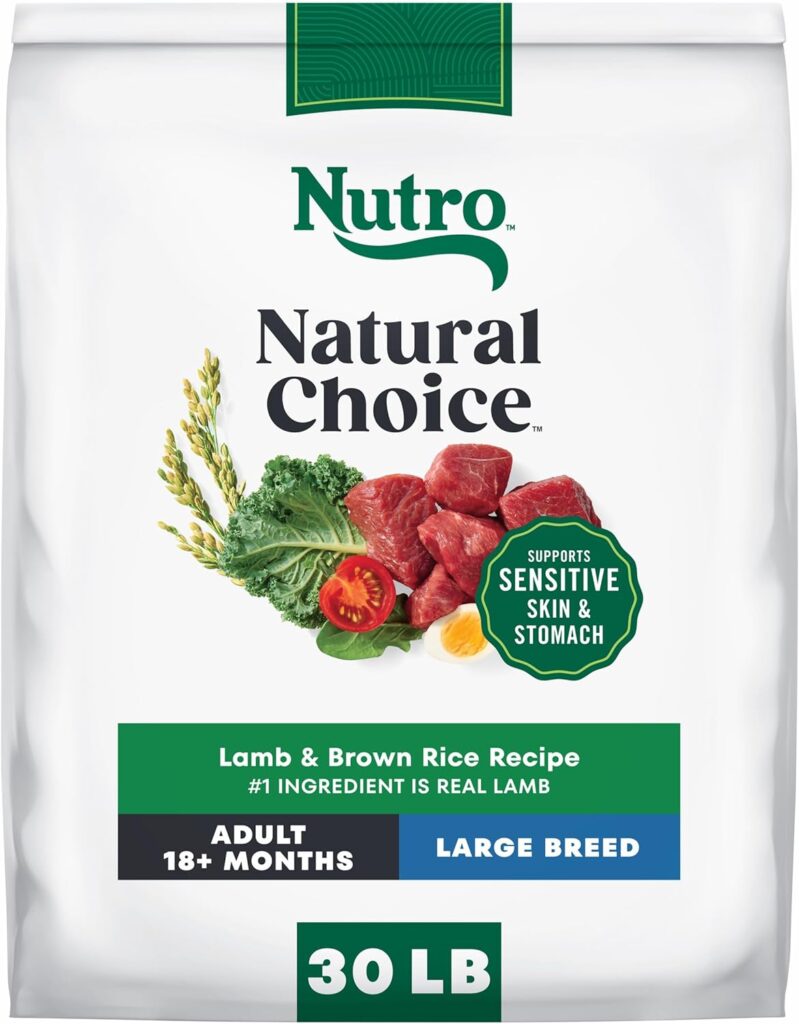
Dry Dog Food
Nutro Natural Choice Large Breed Dry Dog Food, Adult Dog Food Lamb & Brown Rice Recipe, 30 lbs.
How Food Impacts Overall Health & Longevity
Food isn’t just fuel — it’s medicine.
The right diet can help:
- Boost immunity
- Maintain healthy weight
- Support brain function
- Promote shiny coat & skin health
- Reduce disease risk
German Shepherds are prone to some breed‑specific health challenges — and proper nutrition can help reduce those risks and promote a long, active life.
Quick Overview — What This Guide Covers
We dive deep into:
Essential nutrients every Shepherd needs
How to read dog food labels
Best formulas for specific needs (puppy, adult, senior)
Pros & cons of different food types
How to switch foods safely
Common feeding mistakes
FAQs and expert advice
By understanding your dog’s nutritional needs, you’ll be empowered to make choices that support wellness from puppyhood to senior years.
Ready to dig deeper? Let’s jump into the key nutritional requirements that fuel German Shepherds.
3. Key Nutritional Requirements for German Shepherds
Every German Shepherd has unique needs, but there are core nutrients that matter for all. Let’s break them down in a way that’s easy to understand.
3.1. High‑Quality Protein — The Building Block of Health
Protein is essential for:
- Muscle development & maintenance
- Immune system health
- Energy production
- Tissue repair
Unlike filler ingredients, real animal proteins deliver amino acids that your dog’s body recognizes and uses efficiently.
What to look for in protein:
| Feature | Why It Matters |
|---|---|
| Minimum ~25–30% protein | Supports muscle & energy needs |
| Named meats (e.g., chicken, lamb, beef) | More digestible than vague “meat by‑products” |
| Whole food ingredients | Nutrient‑rich and less processed |
Best protein sources for German Shepherd food:
- Chicken
- Turkey
- Lamb
- Salmon
- Beef
These deliver amino acids your dog needs for strength, endurance, and daily activity.
3.2. Digestive Health: Fueling a Sensitive Stomach
Many Shepherds struggle with digestion — so foods that support gut health are a must.
Key digestive helpers:
- Probiotics: Support healthy intestinal flora
- Prebiotic fibers: Feed good bacteria
- Easily digestible carbs: Gentle on sensitive tummies
Good options include:
- Pumpkin
- Sweet potato
- Brown rice
- Beet pulp
These keep digestion regular and improve nutrient absorption.
3.3. Joint Support Nutrients – Toward Lifelong Mobility
Because German Shepherds are prone to joint conditions, look for foods that contain:
✔️ Glucosamine
✔️ Chondroitin
✔️ Omega‑3 fatty acids
These nutrients can help:
- Reduce inflammation
- Support cartilage health
- Maintain mobility as your dog ages
3.4. Healthy Fats — For Energy, Skin & Coat
Fats are more than just energy — they support:
- Brain function
- Cell structure
- Skin & coat health
Look for beneficial omega fats:
| Fat Type | Source | Benefit |
|---|---|---|
| Omega‑3 | Salmon, fish oil | Anti‑inflammatory, joint & brain support |
| Omega‑6 | Flaxseed, chicken fat | Healthy skin & coat |
Balanced fats help your Shepherd maintain energy and a shiny, healthy coat.
3.5. Carbohydrates & Fiber — Not All Are Created Equal
Carbohydrates aren’t bad — but quality matters.
✔️ Digestible carb sources: sweet potato, brown rice
❌ Fillers: corn, wheat (in excess)
Fiber plays an important role in:
- Firm stools
- Gut health
- Reduced gas
3.6. AAFCO Standards & Large‑Breed Formulas
When choosing food, make sure it’s:
✅ AAFCO approved — meets nutritional standards
✅ Large‑breed specific — balanced calcium & phosphorus
Why this matters:
- Proper mineral balance supports healthy bone development
- Large‑breed formulas account for growth rates and size, reducing risk of developmental issues
4. How to Choose the Best Dog Food for German Shepherds
Choosing the right food can feel overwhelming, but breaking it down by life stage, food type, and special considerations helps simplify the decision.
4.1. Choosing by Life Stage
German Shepherds’ nutritional needs change with age:
| Life Stage | Key Nutritional Focus | Recommended Formula |
|---|---|---|
| Puppy (0–12 months) | Protein for growth, calcium/phosphorus balance, joint support | Large-breed puppy formulas |
| Adult (1–6 years) | Maintain muscle, energy, healthy weight | Balanced adult formulas |
| Senior (7+ years) | Joint support, lower calorie, antioxidant-rich | Senior or mobility-focused formulas |
Tip: Always check the label for large-breed or age-specific formulas to avoid over- or under-supplementing nutrients.
4.2. Dry vs Wet vs Fresh vs Freeze-Dried
Different formats affect digestion, convenience, and cost:
| Food Type | Pros | Cons |
|---|---|---|
| Dry/Kibble | Affordable, good for teeth, long shelf-life | Less moisture, may need hydration |
| Wet/Canned | High moisture, palatable, easier for picky eaters | More expensive, can spoil faster |
| Fresh/Raw | Minimal processing, nutrient-dense, often human-grade | High cost, needs refrigeration, risk of pathogens |
| Freeze-Dried | Convenient, nutrient-dense, shelf-stable | Usually more expensive, needs hydration |
Digestive Tip: If your Shepherd has a sensitive stomach, wet or fresh options can be easier to digest, but always transition gradually.
4.3. Grain-Free vs Grain-Inclusive
Grain-free diets are sometimes marketed as healthier, but they aren’t necessary for all dogs.
When grain-free is okay:
- If your dog has documented grain allergies
- If a vet recommends it
When to avoid grain-free unnecessarily:
- Large-breed dogs may risk nutritional imbalances
- FDA has issued cautions about linking grain-free diets to heart disease (DCM)
Tip: Look for whole, digestible grains like brown rice, oats, or barley if no allergy exists.
4.4. Special Considerations
Some German Shepherds have unique dietary needs:
- Food allergies: Opt for limited-ingredient diets with novel proteins
- Sensitive stomachs: Choose high-digestibility formulas with probiotics
- Weight management: Use lower-calorie formulas or controlled portion feeding
- Performance dogs: Active dogs may need higher fat and protein levels to sustain energy
5. Top Recommended Dog Foods (2026 Picks)
Here’s a curated list of some of the best dog foods for German Shepherds across life stages and needs. This table reflects digestive support, joint health, and breed-specific formulas.
| Category | Brand & Formula | Key Benefits | Ideal For |
|---|---|---|---|
| Best Overall | Royal Canin German Shepherd Adult | Breed-specific kibble, supports digestion & coat | Adult German Shepherds |
| Sensitive Stomach | Purina Pro Plan Sensitive | Easily digestible, high-quality protein | Dogs with stomach issues |
| Puppy Food | Orijen Large Breed Puppy | High protein, joint support, DHA for brain | Growing puppies |
| Senior Food | Hill’s Science Diet Large Breed Senior | Lower calories, glucosamine for joints | Aging dogs |
| Fresh/Alternative | The Farmer’s Dog or Nom Nom | Human-grade, minimally processed, digestible | Dogs preferring fresh food |
Pro Tip: Rotate proteins occasionally to reduce allergies and boredom, but keep the base formula consistent to prevent digestive upset.
6. How to Transition Your German Shepherd to New Food
Changing foods suddenly can upset your dog’s stomach. Follow a 7–10 day gradual transition:
| Day | Feeding Method |
|---|---|
| 1–2 | 25% new food + 75% old food |
| 3–4 | 50% new + 50% old |
| 5–6 | 75% new + 25% old |
| 7–10 | 100% new food |
Watch for signs:
- Soft stools or diarrhea → slow transition
- Vomiting → pause and restart gradually
- Allergic reactions → consult your vet
7. Common Feeding Mistakes to Avoid
Even the best food can fail if fed incorrectly:
- Overfeeding: German Shepherds gain weight easily — measure portions
- Table scraps/human food: Can cause obesity, digestive upset, or nutrient imbalance
- Frequent rotation: Too many changes can trigger digestive issues
- Ignoring life stage: Feeding puppy food to adults or seniors can cause excess calories or nutrient imbalance
8. Frequently Asked Questions (FAQs)
1. Do German Shepherds need breed-specific food?
Not necessarily, but breed-specific formulas like Royal Canin German Shepherd Adult are designed to support digestive health, joint care, and coat condition, which can be particularly helpful for this breed.
2. How much should I feed my German Shepherd?
Portion size depends on age, weight, activity level, and food type. As a rough guide:
| Life Stage | Average Daily Feeding (Dry Food) |
|---|---|
| Puppy | 3–6 cups, divided into 3–4 meals |
| Adult | 4–6 cups, divided into 2 meals |
| Senior | 3–5 cups, depending on activity |
Always adjust portions based on your dog’s weight and body condition, and consult your vet for precise guidance.
3. Can German Shepherds eat grain-free diets?
Grain-free diets are only necessary for dogs with allergies or sensitivities. For most healthy German Shepherds, whole grains like brown rice or oats are safe and beneficial. Avoid unnecessary grain-free diets unless recommended by a vet.
4. Should I mix wet and dry food?
Yes, mixing can improve palatability and hydration, but keep protein and fat balance consistent. Introduce combinations gradually to avoid digestive upset.
5. Is raw food safe for German Shepherds?
Raw diets can provide high-quality protein and nutrient density, but carry risks of bacterial contamination. If considering raw feeding, use commercially prepared diets or follow strict hygiene practices, and consult your veterinarian.
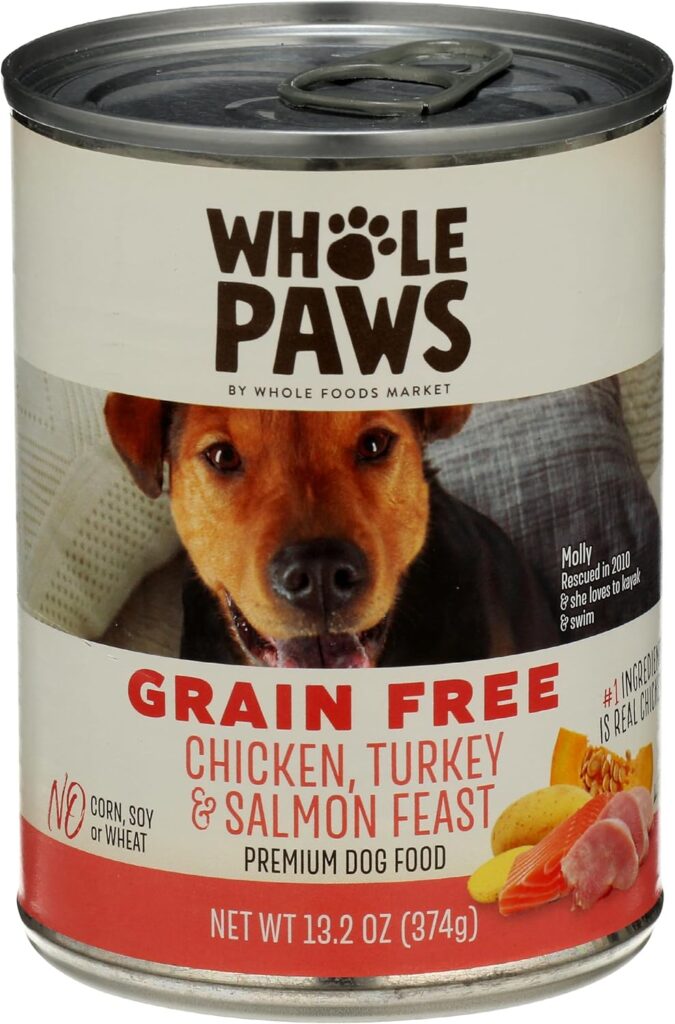
Chicken, Turkey and Salmon Dog Food
Whole Paws, Whole Paws, Chicken, Turkey and Salmon Dog Food, 13.2 Ounce
9. Conclusion
Feeding your German Shepherd the right food is critical to their health, longevity, and happiness. Key takeaways include:
- Breed-specific needs matter: High energy, joint support, sensitive digestion
- Nutritional balance is essential: Protein, healthy fats, digestible carbs, fiber, and joint supplements
- Life stage changes: Puppies, adults, and seniors all need different nutrients
- Safe transitions and portion control: Reduce digestive upset and maintain ideal weight
Remember, no single diet fits every dog perfectly. Always monitor your dog’s health, consult your vet, and adjust the diet as needed.
10. Call to Action
We’d love to hear from you!
- Share your German Shepherd feeding experiences in the comments.
- Ask questions about brands, formulas, or special dietary needs.
- Share this guide with fellow German Shepherd owners who want the best nutrition for their dogs.