Dog neutering is one of the most common veterinary procedures worldwide, yet for many pet owners, the cost can feel overwhelming. In some areas, the price is manageable, but in others, it can easily become a financial burden—especially when unexpected vet bills pile up.
The good news is that there are many ways to get help with dog neutering cost, including low-cost clinics, nonprofit programs, payment plans, and even free community events. This guide will walk you through everything step-by-step so you can make the best decision for your dog without stressing your budget.
Why Dog Neutering Can Be Expensive
At first glance, neutering might seem like a simple surgery—and medically, it often is. But the final bill includes much more than just the procedure itself.
Here’s why costs can add up:
- General anesthesia and monitoring equipment
- Veterinary staff and surgical expertise
- Pre-surgery health checks and blood tests
- Pain medications and recovery supplies
- Clinic operating costs and safety standards
In private clinics, especially in cities, prices can rise quickly due to overhead expenses and advanced care standards.
Even though the surgery itself may take only 20–40 minutes, the preparation and recovery support are what make it more expensive.
The Importance of Neutering Your Dog
Despite the cost, neutering is widely recommended by veterinarians for both health and social reasons.
Key Benefits of Neutering
- Prevents unplanned litters
- Reduces risk of testicular cancer
- Lowers prostate disease risk
- Helps control roaming behavior
- May reduce aggression linked to hormones
Neutering is not just about population control—it also plays a role in long-term dog health and behavior management.

Financial Struggles Many Pet Owners Face
Let’s be honest—pet care can get expensive quickly. For many families, paying $300–$800 for a routine neuter isn’t always possible.
Common financial challenges include:
- Rising cost of living
- Emergency vet bills
- Multiple pets in one household
- Unexpected medical issues
- Limited income or fixed pension
Because of this, many pet owners delay neutering, which can unfortunately lead to bigger health and behavioral problems later.
The encouraging part is that financial help for dog neutering is widely available, even if many owners don’t know where to look.
Affordable and Free Neutering Help Available
If cost is your main concern, you are not alone—and you have options.
Across many regions, there are programs designed specifically to reduce or eliminate neutering costs.
Common Types of Financial Assistance
- Low-cost veterinary clinics
- Animal shelter programs
- Government subsidies
- Nonprofit veterinary assistance
- Free spay/neuter campaigns
- Voucher-based discount systems
Many of these services are designed to support low-income families or communities with high stray animal populations.
What This Guide Will Cover
This article is designed to help you fully understand:
- Why neutering costs vary so much
- Where to find financial help for dog neutering cost
- Free and low-cost options available near you
- Government and nonprofit support programs
- Payment plans and pet insurance coverage
- How to reduce overall vet expenses safely
- Real-world examples of affordable neutering
By the end, you’ll know exactly where to look and how to act if you need help paying for your dog’s surgery.
What Is Dog Neutering?
Before exploring financial assistance, it’s important to understand what neutering actually involves.
Definition of Dog Neutering
Dog neutering is a surgical procedure where a male dog’s testicles are removed to prevent reproduction.
It is performed under general anesthesia by a licensed veterinarian and is considered a routine operation in most clinics.
Difference Between Neutering and Spaying
Many people confuse these two terms:
| Procedure | Applies To | Description |
|---|---|---|
| Neutering | Male dogs | Removal of testicles |
| Spaying | Female dogs | Removal of ovaries and uterus |
Spaying is generally more complex and often more expensive because it involves abdominal surgery.
Why Veterinarians Recommend Neutering
Veterinarians recommend neutering not only for population control but also for long-term health and behavioral stability.
Key reasons include:
- Reducing hormone-driven behaviors
- Preventing certain cancers
- Lowering risk of roaming and injury
- Supporting community animal control efforts
Health and Behavioral Benefits
Neutering can lead to noticeable improvements in some dogs, including:
Health Benefits
- Eliminates risk of testicular cancer
- Reduces prostate complications
- Lowers risk of hormone-related diseases
Behavioral Benefits
- Less urine marking
- Reduced roaming instinct
- Lower dominance-related aggression in some cases
However, it’s important to understand that training still matters—neutering is not a substitute for proper behavior training.
Preventing Pet Overpopulation
One of the biggest reasons neutering is promoted is to prevent unwanted puppies.
Every year, millions of dogs end up in shelters due to accidental breeding.
Neutering helps:
- Reduce stray populations
- Lower shelter overcrowding
- Decrease euthanasia rates
- Improve community animal welfare
How Much Does Dog Neutering Cost?
Now let’s talk about the main concern: how much you can expect to pay and where to find help with dog neutering cost.
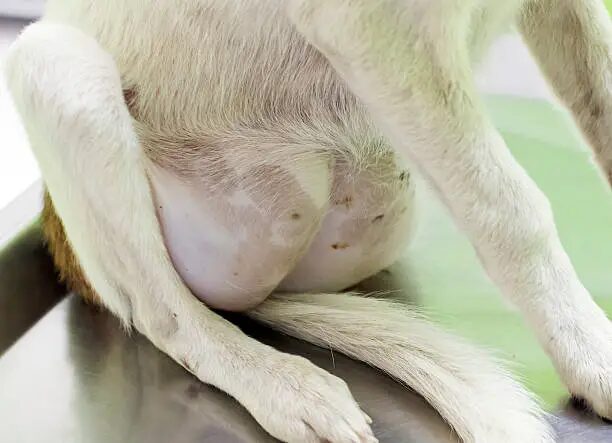
Average Cost of Dog Neutering
Prices vary widely depending on location, dog size, and clinic type.
Typical Cost Range
| Clinic Type | Average Cost |
|---|---|
| Low-cost clinic | $50 – $150 |
| Animal shelter | $75 – $250 |
| Private vet clinic | $250 – $700 |
| Emergency hospital | $800 – $2,000+ |
The national average typically falls between $250 and $600.
Low-Cost Clinic Prices
Low-cost clinics are one of the best options for affordable neutering.
These clinics are often run by:
- Animal shelters
- Nonprofit organizations
- Community health programs
What Makes Them Cheaper?
- Government or donor funding
- High-volume surgeries
- Limited additional services
Some services may be extra, such as:
- Blood tests
- Pain medication
- E-collar (cone)
Private Vet Prices
Private veterinary clinics usually charge more but offer more personalized care.
Average Price Range
- $250 to $700 for most dogs
These clinics often include:
- Pre-surgery exams
- IV fluids
- Advanced monitoring
- Post-op follow-ups
While more expensive, they often provide higher comfort and convenience.
Animal Shelter Pricing
Animal shelters are often the most affordable option available.
Typical Costs
- $75 to $200
Shelters may also offer:
- Discounted vaccine packages
- Neutering vouchers
- Community clinics
You can explore affordable local options through the RSPCA-style animal welfare assistance programs.
Emergency Vet Costs
Emergency veterinary hospitals are the most expensive option.
Why They Cost More
- 24/7 staffing
- Emergency equipment
- Specialist surgeons
- Intensive monitoring
Typical Cost
- $800 to $2,000+
These are usually only used for complications or urgent cases—not routine neutering.
Cost Range by State and Region
Location plays a major role in pricing.
| Region | Typical Cost |
|---|---|
| Rural areas | $100 – $300 |
| Suburban areas | $200 – $500 |
| Urban cities | $400 – $1,200 |
City clinics tend to charge more due to higher operational costs.
Why Is Dog Neutering So Expensive?
Understanding the breakdown helps explain why prices vary so much.
Anesthesia Costs
General anesthesia is one of the biggest cost factors.
It includes:
- Sedation drugs
- Oxygen support
- Monitoring equipment
- Recovery supervision
Surgical Equipment and Staff
Veterinary surgeries require trained professionals and sterile environments.
Costs include:
- Veterinarian time
- Surgical assistants
- Sterile tools
- Facility maintenance
Pre-Surgery Blood Tests
Many clinics recommend blood work before surgery, especially for older dogs.
This ensures the dog is healthy enough for anesthesia.
Medication and Recovery Supplies
After surgery, dogs may need:
- Pain relief medication
- Antibiotics
- Recovery cones
- Anti-inflammatory drugs
Dog Size and Breed Factors
Larger dogs require:
- More anesthesia
- Longer surgery time
- Higher medication doses
This increases overall cost significantly.
Complicated Procedures and Health Risks
Some dogs need advanced surgical care due to:
- Undescended testicles
- Obesity
- Heart or respiratory issues
These cases require specialized veterinary attention.
Who Needs Help Paying for Dog Neutering?
Dog neutering is medically important, but not every pet owner has the financial flexibility to afford it right away. That’s where help with dog neutering cost programs become essential.
Many organizations specifically target people who are most at risk of delaying surgery due to cost.
Low-Income Families
Families with limited income often struggle to cover veterinary expenses after basic living costs.
Common challenges include:
- Rent and utility bills
- Food and transportation costs
- Unexpected medical expenses (human or pet)
For these households, low-cost clinics or voucher programs can make neutering realistically affordable.
Senior Citizens
Many seniors live on fixed incomes and may find vet bills overwhelming.
Neutering assistance programs help them:
- Maintain responsible pet ownership
- Avoid surrendering pets due to cost
- Access preventive care affordably
Rescue Dog Owners
People adopting rescue dogs are often surprised by hidden veterinary costs.
Some rescues include neutering in adoption fees, but not all do.
Assistance helps cover:
- Post-adoption vet care
- Emergency treatments
- Delayed neutering procedures
Multi-Pet Households
Families with several dogs often face multiplied veterinary expenses.
Even a “simple” procedure becomes expensive when:
- 2–4 dogs need neutering
- Vaccinations are required for each pet
- Recovery supplies are needed per dog
People Facing Emergency Financial Hardship
Unexpected events like job loss or medical emergencies can delay planned neutering.
Assistance programs help ensure dogs still receive care even during financial instability.
Pet Owners on Government Assistance
Some local programs prioritize individuals already receiving:
- Food assistance benefits
- Housing support
- Disability income
These owners may qualify for subsidized or free neutering services.
Free Dog Neutering Programs
Yes—free dog neutering help does exist, though availability depends on location and funding.
These programs are usually run by nonprofits or local governments aiming to reduce stray populations.
Government-Sponsored Neutering Programs
Many cities and counties fund neutering programs to control overpopulation.
These may include:
- Free surgical days
- Discounted procedures
- Public animal health campaigns
Local Animal Control Assistance
Animal control departments often partner with veterinarians to reduce stray populations.
Services may include:
- Low-cost neutering vouchers
- Free clinics for registered pets
- Community outreach events
Community Pet Wellness Events
These are temporary events held in neighborhoods or public spaces.
They may offer:
- Free or reduced-cost neutering
- Vaccinations
- Microchipping
Free Spay and Neuter Campaigns
Some organizations run national or regional campaigns to promote neutering.
These are usually seasonal and highly competitive due to demand.
Annual Pet Assistance Programs
Some nonprofits provide yearly funding cycles for pet care assistance.
Applications may require:
- Proof of income
- Residency verification
- Pet ownership documentation
City and County Voucher Programs
Voucher systems are one of the most common forms of financial help.
How They Work
| Step | Process |
|---|---|
| 1 | Apply for voucher |
| 2 | Get approval |
| 3 | Visit participating vet |
| 4 | Pay reduced cost or nothing |
These vouchers can reduce surgery costs by $50 to $200 or more.
Low-Cost Dog Neutering Clinics
If free programs are unavailable, low-cost clinics are the next best option.
Humane Society Clinics
Humane societies are among the most trusted sources for affordable neutering.
They typically offer:
- Standard neutering surgery
- Basic pain medication
- Recovery instructions
Because they operate on donations and grants, prices remain significantly lower than private clinics.
SPCA Low-Cost Programs
SPCA organizations focus heavily on population control and animal welfare.
Services often include:
- Discount neutering
- Vaccination bundles
- Financial aid eligibility checks
Nonprofit Veterinary Clinics
Some clinics are fully or partially funded by charitable organizations.
They often prioritize:
- Low-income families
- Rescue animals
- Stray population control cases
Mobile Neutering Clinics
Mobile clinics travel to different regions to provide affordable care.
Benefits
- Reduced travel costs
- Lower procedure fees
- Faster access in rural areas
Veterinary Schools Offering Discount Services
Veterinary teaching hospitals often provide lower-cost services performed by students under supervision.
Benefits include:
- Reduced pricing
- High-quality supervision
- Advanced medical equipment
Charity-Based Pet Clinics
Some charitable organizations operate clinics specifically for affordable pet care.
They may offer:
- Free neutering days
- Subsidized surgeries
- Community pet support programs
Organizations That Help With Dog Neutering Costs
Several well-known organizations provide direct financial assistance or subsidized veterinary services.
ASPCA Assistance Programs
The ASPCA Official Assistance Programs offer various financial aid initiatives depending on location and eligibility.
Support may include:
- Low-cost spay/neuter clinics
- Mobile vet programs
- Emergency assistance funds
Humane Society Financial Aid
The Humane Society frequently collaborates with local vets to provide reduced-cost care.
They also help pet owners:
- Find affordable clinics
- Apply for vouchers
- Access community programs
PDSA Neutering Help
In some regions, organizations like the PDSA Pet Care Support provide free or heavily subsidized veterinary care for qualifying owners.
Dogs Trust Subsidized Programs
Dogs Trust supports neutering initiatives aimed at reducing stray populations and improving dog welfare.
Blue Cross Veterinary Assistance
Blue Cross programs often include:
- Emergency vet funding
- Neutering subsidies
- Preventive care support
RedRover Financial Assistance
RedRover provides emergency grants for pet owners struggling with vet bills.
These funds can sometimes be applied to neutering costs when medically necessary.
Local Animal Rescue Groups
Many small rescue organizations offer:
- Discounted neutering for adopted dogs
- Community-funded surgery support
- Local vet partnerships
Dog Neutering Vouchers and Coupons
Vouchers are one of the most effective ways to reduce surgery costs quickly.
How Neutering Voucher Programs Work
Voucher programs typically work like this:
- Apply through local authority or nonprofit
- Receive approval
- Get voucher code or certificate
- Present it to a participating vet
Income-Based Discounts
Many programs offer discounts based on household income.
Lower-income families may receive:
- Partial coverage
- Full surgery coverage
- Additional veterinary support
Shelter Partnership Programs
Animal shelters often collaborate with local vets to provide discounted surgery options.
Local Government Pet Vouchers
Municipal governments sometimes issue vouchers as part of public health initiatives.
These aim to reduce stray animal populations in communities.
Breed-Specific Discount Programs
Some programs target specific breeds with high stray populations or overbreeding risks.
Pit Bull Neutering Assistance
Certain regions offer special assistance for pit bulls and similar breeds to promote responsible ownership and reduce shelter intake rates.
Payment Plans for Dog Neutering
If upfront cost is a challenge, payment plans can help spread the expense over time.
Vet Financing Options
Many veterinary clinics now offer financing systems to make treatment more accessible.
CareCredit for Veterinary Bills
CareCredit Veterinary Financing is a widely used credit option for medical and pet expenses.
It allows owners to:
- Pay over time
- Access promotional interest plans
- Manage unexpected vet costs
Scratchpay and Monthly Installments
Scratchpay offers flexible payment plans specifically for veterinary care.
In-House Vet Payment Plans
Some clinics allow direct installment payments without third-party lenders.
Emergency Pet Care Financing
Emergency hospitals often partner with financing providers for urgent treatments.
Pros and Cons of Payment Plans
Pros
- Immediate access to care
- No need to delay surgery
- Flexible repayment options
Cons
- Possible interest fees
- Credit approval required
- Risk of overspending
Pet Insurance and Dog Neutering
Pet insurance can sometimes help, but coverage depends on the policy type.
Does Pet Insurance Cover Neutering?
Most standard pet insurance plans do not cover elective neutering.
However, wellness add-ons may include partial reimbursement.
Wellness Plans That Include Surgery
Some insurers offer preventive care packages that may cover:
- Spay/neuter procedures
- Vaccinations
- Annual checkups
Preventive Care Add-Ons
These add-ons are the most likely way to get financial help for neutering through insurance.
Best Pet Insurance for Routine Procedures
Providers like:
- Nationwide
- Embrace
- ASPCA Pet Insurance
may offer wellness coverage depending on plan selection.
What Insurance Usually Excludes
Most policies exclude:
- Pre-existing conditions
- Elective procedures (without wellness add-ons)
- Routine preventive surgeries
How to Find Affordable Dog Neutering Near You
Finding help with dog neutering cost near you is often easier than people expect—but it does take a bit of searching and comparison.
Most communities have at least one affordable option, whether it’s a nonprofit clinic, mobile unit, or government-supported program.
Searching for Local Low-Cost Clinics
Start by checking:
- Local veterinary directories
- City animal services websites
- Google Maps “low-cost vet clinic near me”
You can also search terms like:
- “low-cost neutering clinic near me”
- “cheap dog neuter program”
- “free spay neuter events in my area”
Checking Humane Society Websites
Many humane societies maintain updated lists of:
- Subsidized clinics
- Voucher programs
- Upcoming discount events
They are often the best first stop for affordable care.
Calling Local Animal Shelters
Shelters usually know about:
- Local discount vet partnerships
- Mobile neutering events
- Seasonal free clinics
Even if they don’t offer surgery directly, they can guide you to the cheapest option nearby.
Asking Veterinarians About Discounts
Many private vets quietly offer:
- Sliding scale pricing
- Rescue discounts
- Multi-pet discounts
- First-time client deals
It never hurts to ask directly.
Looking for Community Events
Cities sometimes host:
- Pet health fairs
- Free vaccination days
- Spay/neuter awareness weeks
These events can significantly reduce or eliminate cost.
Using Online Pet Assistance Directories
Several online tools list financial help programs for pet owners.
These directories often include:
- Local funding programs
- Nonprofit support groups
- Emergency assistance grants
Dog Neutering Cost by Dog Size
Dog size is one of the biggest factors affecting price. Larger dogs require more anesthesia, more monitoring, and longer surgical time.
Small Dog Neutering Cost
Small dogs are usually the cheapest to neuter.
| Weight | Cost Range |
|---|---|
| Under 20 lbs | $100 – $400 |
Examples:
- Chihuahua
- Shih Tzu
- Pomeranian
Medium Dog Neutering Cost
Medium dogs fall into the mid-range pricing category.
| Weight | Cost Range |
|---|---|
| 20–50 lbs | $200 – $600 |
Examples:
- Beagle
- Border Collie
- Cocker Spaniel
Large Dog Neutering Cost
Large breeds require more resources.
| Weight | Cost Range |
|---|---|
| 50–90 lbs | $350 – $900 |
Examples:
- Labrador Retriever
- German Shepherd
- Golden Retriever
Giant Breed Neutering Expenses
Giant breeds are the most expensive.
| Weight | Cost Range |
|---|---|
| 90+ lbs | $600 – $1,500+ |
Examples:
- Great Dane
- Mastiff
- Saint Bernard
Why Larger Dogs Cost More
Larger dogs increase cost because they require:
- More anesthesia dosage
- Longer surgery time
- Extra staff monitoring
- Larger medical equipment
Dog Neutering Cost by Age
Age plays a major role in both cost and medical complexity.
Puppy Neutering Costs
Puppies are usually easiest and cheapest.
| Age | Cost Range |
|---|---|
| 4–12 months | $100 – $450 |
Adult Dog Neutering Prices
Adult dogs may require additional care.
| Age | Cost Range |
|---|---|
| 1–6 years | $250 – $700 |
Senior Dog Surgery Costs
Older dogs are more expensive due to added risk.
| Age | Cost Range |
|---|---|
| 7+ years | $400 – $1,200+ |
Additional Testing for Older Dogs
Senior dogs often need:
- Blood panels
- Heart monitoring
- Liver/kidney checks
These tests ensure anesthesia safety.
Best Age to Neuter a Dog
There is no single perfect age, but general guidelines are:
| Dog Size | Recommended Age |
|---|---|
| Small breeds | 6–9 months |
| Medium breeds | 9–12 months |
| Large breeds | 12–18 months |
| Giant breeds | 18–24 months |
What’s Included in Dog Neutering Costs?
Understanding what you’re paying for helps avoid surprise bills.
Physical Examination
A vet checks overall health before surgery:
- Heart rate
- Weight
- Breathing
- Temperature
Blood Work
Blood tests may detect hidden conditions that affect anesthesia safety.
General Anesthesia
Keeps your dog unconscious and pain-free during surgery.
Surgical Procedure
The actual neutering surgery usually takes 20–45 minutes.
Pain Medication
Most dogs go home with pain relief medication for a few days.
E-Collar or Recovery Cone
Prevents licking or biting the incision site.
Follow-Up Visits
Some clinics include a check-up 7–14 days after surgery.
Recovery Monitoring
Staff monitor your dog during and after surgery until stable.
Hidden Costs of Dog Neutering
Even “affordable” neutering can come with extra charges.
Vaccinations Before Surgery
Some clinics require updated vaccines:
- Rabies
- DHPP
Microchipping Fees
| Service | Cost |
|---|---|
| Microchip | $25 – $75 |
Flea and Tick Treatments
If parasites are found, treatment may be required before surgery.
Extra Medication
Some dogs need:
- Antibiotics
- Anti-inflammatory drugs
- Sedatives
Overnight Hospitalization
| Facility | Cost Per Night |
|---|---|
| Standard clinic | $75 – $250 |
| Emergency hospital | $200 – $600 |
Complication Treatment Costs
Rare complications can increase total cost significantly.
How to Reduce Dog Neutering Costs
There are many practical ways to save money without compromising safety.
Compare Multiple Clinics
Prices vary widely—even within the same city.
Use Community Assistance Programs
Check:
- Local shelters
- Animal welfare groups
- Government programs
Apply for Financial Aid
Many nonprofits offer grants or subsidies for pet care.
Schedule During Discount Events
Look for:
- Spay/neuter awareness month
- Free clinic days
- Adoption promotions
Adopt From Shelters That Include Neutering
Many shelter dogs are already neutered or come with discounted surgery.
Bundle Services Together
Some clinics offer packages including:
- Vaccinations
- Microchipping
- Neutering
Can You Crowdfund Dog Neutering Costs?
Yes—many pet owners successfully raise funds online.
Using GoFundMe for Vet Bills
Crowdfunding platforms can help cover unexpected expenses.
Asking Friends and Family for Help
Sometimes small contributions from multiple people make a big difference.
Social Media Fundraising Tips
- Share your dog’s story
- Post clear vet estimates
- Provide updates
Community Pet Support Groups
Local Facebook groups often help share resources and donations.
Rescue Group Sponsorships
Some rescue organizations sponsor neutering for community pets.
Risks of Delaying Dog Neutering Due to Cost
Delaying surgery can sometimes lead to higher long-term costs.
Increased Chance of Unwanted Litters
Unneutered dogs may reproduce unexpectedly.
Behavioral Problems
Hormone-driven behaviors may worsen over time.
Roaming and Aggression
Dogs may:
- Escape more often
- Fight with other males
- Travel long distances
Increased Health Risks
Delaying neutering can increase risks of:
- Testicular cancer
- Prostate disease
- Injuries from roaming
Higher Long-Term Veterinary Costs
Treating complications later often costs more than neutering itself.
Benefits of Neutering Your Dog
Despite cost concerns, neutering provides long-term advantages.
Reduced Cancer Risk
Eliminates risk of testicular cancer completely.
Better Behavioral Control
May reduce hormone-driven aggression and marking.
Lower Risk of Prostate Problems
Helps prevent age-related prostate issues.
Reduced Escaping and Roaming
Neutered dogs are less likely to wander.
Longer Lifespan Benefits
Some studies suggest neutered dogs may live longer due to fewer health risks.
Community Benefits
Neutering helps reduce stray populations and shelter overcrowding.
Real Examples of Dog Neutering Assistance
Many pet owners have successfully used financial assistance programs.
Real Low-Cost Clinic Experiences
Owners often report paying:
- $60–$150 at nonprofit clinics
- Significantly less than private vet pricing
Reddit Users Sharing Affordable Options
Online communities frequently suggest:
- Shelter vouchers
- Mobile clinics
- County programs
Free Neutering Event Stories
Some owners get surgery fully covered during special community events.
Financial Aid Success Stories
Nonprofit grants often cover partial or full surgery costs.
Community Support Programs
Local groups sometimes pool donations to help pet owners in need.
Frequently Asked Questions About Help With Dog Neutering Cost
Can I Get My Dog Neutered for Free?
Yes, through select nonprofit or government-funded programs.
What If I Can’t Afford Dog Neutering?
You can apply for:
- Low-cost clinics
- Payment plans
- Financial aid programs
Are There Government Programs for Pet Surgery?
Yes, many cities offer vouchers or subsidized care.
Do Shelters Offer Cheap Neutering?
Yes, shelters often provide the lowest-cost options available.
Can I Finance Dog Surgery?
Yes, through services like CareCredit or Scratchpay.
Is Neutering Worth the Cost?
Yes—long-term health and behavioral benefits often outweigh the expense.
Are There Income Requirements for Assistance?
Many programs require proof of low income or financial need.
How Long Is the Waiting List for Low-Cost Clinics?
It varies, but it can range from a few days to several weeks depending on demand.
Conclusion
Getting help with dog neutering cost is absolutely possible, even if your budget is tight.
From low-cost clinics and nonprofit programs to vouchers, payment plans, and crowdfunding, there are many ways to ensure your dog gets the care they need without financial stress.
The most important thing is not delaying neutering for too long, because early surgery can prevent serious health and behavioral issues later in life.