Getting your dog neutered is one of the most common veterinary procedures for pet owners. But one of the first questions many people ask is: how much does dog neutering cost? The answer can vary widely depending on your location, your dog’s size, the clinic you choose, and several other factors.
Some owners may pay less than $100 at a local animal shelter, while others may spend $800 or more at a private veterinary hospital. Understanding what affects the price can help you budget properly and choose the best care for your dog.
In this guide, we’ll break down the average dog neutering cost in 2026, what’s included in the procedure, why prices vary, and how to find affordable neutering services without sacrificing quality care.
What Is Dog Neutering?
Dog neutering, also called castration, is a surgical procedure that removes a male dog’s testicles. This prevents reproduction and lowers testosterone levels.
The surgery is typically performed under general anesthesia by a licensed veterinarian. Most dogs go home the same day and recover within 10 to 14 days.
Neutering is widely recommended by veterinarians because it can help:
- Prevent unwanted litters
- Reduce aggressive behavior
- Lower roaming tendencies
- Reduce the risk of certain cancers
- Improve long-term health
Many pet owners also choose neutering because it can make dogs easier to manage and reduce marking behavior indoors.
For a deeper understanding of canine health procedures, the American Veterinary Medical Association offers excellent veterinary resources for pet owners.
Why Dog Owners Choose to Neuter Their Dogs
There are several reasons why neutering is considered responsible pet ownership.
Population Control
Every year, millions of unwanted pets end up in shelters. Neutering helps reduce overpopulation and decreases the number of homeless animals.
Behavioral Improvements
Many owners notice improvements in behavior after neutering, including:
- Less urine marking
- Reduced mounting behavior
- Lower aggression toward other male dogs
- Less roaming and escaping
However, neutering is not a magical fix for all behavior problems. Proper training and socialization are still essential.
Health Benefits
Neutering may reduce the risk of:
| Health Condition | How Neutering Helps |
|---|---|
| Testicular cancer | Eliminates the risk completely |
| Enlarged prostate | Reduces likelihood |
| Certain infections | Lowers risk |
| Hormone-related issues | Helps regulate behavior |
You can also learn more about responsible pet care from ASPCA pet care resources.
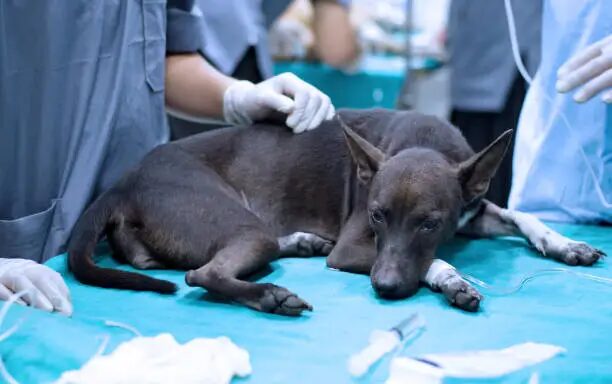
Average Cost of Dog Neutering in 2026
One of the biggest concerns for pet owners is the overall price of the procedure.
In 2026, the average dog neutering cost in the United States ranges between:
| Type of Clinic | Average Cost |
|---|---|
| Low-cost clinic | $50 – $150 |
| Animal shelter | $75 – $200 |
| Private veterinarian | $250 – $700 |
| Emergency or specialty hospital | $800 – $2,000+ |
The national average falls around $300 to $600 for most healthy dogs at standard veterinary clinics.
The final cost depends on multiple factors, including:
- Dog size
- Dog age
- Breed
- Geographic location
- Health conditions
- Type of veterinary facility
For example, neutering a small puppy at a nonprofit clinic may cost under $100, while a giant breed adult dog with health complications may cost well over $1,000.
Why Neutering Prices Vary So Much
Many dog owners are surprised by how different pricing can be from one clinic to another.
Here’s why neutering costs can vary dramatically.
Geographic Location
Veterinary services are generally more expensive in:
- Large cities
- High cost-of-living areas
- Urban regions
- Coastal states
Rural clinics often charge significantly less.
For example:
| Location | Typical Neutering Cost |
|---|---|
| Rural Midwest | $100 – $300 |
| Southern U.S. | $150 – $400 |
| California or New York City | $500 – $1,200 |
Dog Size
Larger dogs require:
- More anesthesia
- More medication
- Longer surgery times
- Additional monitoring
This increases overall surgical costs.
Veterinary Experience
Highly experienced veterinarians or specialty surgeons may charge more because of:
- Advanced equipment
- Better monitoring systems
- Additional support staff
- Higher-quality post-operative care
Included Services
Some clinics include:
- Blood tests
- Pain medication
- Follow-up visits
- E-collars
- IV fluids
Others charge separately for these services.
What This Guide Will Cover
This article will explain everything dog owners need to know about neutering costs, including:
- Average prices by region
- Cost differences by dog size
- Puppy vs adult dog neutering costs
- Additional hidden fees
- Affordable neutering programs
- Pet insurance coverage
- Recovery timelines
- Ways to save money safely
By the end, you’ll have a clear understanding of what to expect before scheduling your dog’s procedure.
How Much Does Dog Neutering Cost?
The total price of neutering depends heavily on where you have the procedure done.
Let’s look at the most common options.
Average Dog Neutering Cost in the U.S.
Most pet owners pay somewhere between $200 and $600 for a routine neutering procedure at a regular veterinary clinic.
However, there’s no universal pricing system. Some clinics offer bundled wellness packages, while others bill separately for every service.
Here’s a quick overview.
| Service Type | Estimated Price |
|---|---|
| Basic low-cost neuter | $50 – $150 |
| Standard private clinic | $250 – $600 |
| Large breed surgery | $500 – $1,000 |
| Complex neuter surgery | $800 – $2,000 |
Dogs with special medical needs often require:
- Additional blood testing
- Extra anesthesia monitoring
- Overnight hospitalization
- Specialist surgeons
These can significantly increase the final bill.
Low-Cost Clinic Prices
Low-cost clinics are the most affordable option for many pet owners.
These clinics are often run by:
- Humane societies
- Animal welfare groups
- Nonprofit organizations
- County programs
Typical costs range between $50 and $150.
What Low-Cost Clinics Usually Include
| Included Service | Usually Included? |
|---|---|
| Surgery | Yes |
| Basic anesthesia | Yes |
| Pain medication | Sometimes |
| Blood work | Often extra |
| Cone collar | Sometimes extra |
These clinics help make neutering accessible to lower-income families and reduce pet overpopulation.
Some areas also offer subsidized neutering vouchers for qualifying owners.
Private Vet Prices
Private veterinary clinics typically charge more but often provide more comprehensive care.
Average prices usually range from $250 to $700.
Why Private Clinics Cost More
Private clinics may include:
- Pre-surgical blood work
- Advanced anesthesia monitoring
- IV catheter placement
- Safer anesthetic protocols
- Personalized recovery plans
- Follow-up visits
Many owners prefer private clinics because they offer individualized care and shorter wait times.
Animal Shelter Neutering Costs
Animal shelters often provide some of the cheapest neutering services available.
Typical prices range from $75 to $200.
Shelters may offer:
- Community neutering days
- Discount vouchers
- Mobile surgery units
- Income-based pricing
Because shelters focus on reducing pet overpopulation, they frequently partner with local governments and nonprofits to lower costs.
However, appointments may book quickly due to high demand.
Emergency Vet Neutering Costs
Emergency veterinary hospitals are rarely the first choice for routine neutering because prices are much higher.
Emergency or specialty procedures can range from:
- $800 to over $2,000
This may happen if:
- A dog has complications
- Emergency surgery is needed
- The dog has undescended testicles
- Additional procedures are required
Emergency hospitals also charge more for:
- Overnight staffing
- Intensive monitoring
- Advanced equipment
- Specialist surgeons
Unless medically necessary, routine neutering is usually much cheaper at standard clinics.

Typical Price Range by Region
Where you live has a major effect on neutering prices.
Average Regional Costs
| Region | Average Cost |
|---|---|
| Midwest | $150 – $400 |
| South | $150 – $450 |
| Northeast | $400 – $900 |
| West Coast | $350 – $1,200 |
Urban areas generally cost more due to:
- Higher rent
- Staffing costs
- Advanced medical equipment
- Greater demand
Smaller towns and rural clinics may offer much lower prices.
Dog Neutering Cost by Size and Weight
Dog size is one of the biggest factors affecting neutering cost.
Larger dogs require:
- More anesthesia
- Larger medication doses
- Longer surgery time
- Additional recovery monitoring
As a result, the price rises as the dog’s weight increases.
Small Dog Neutering Cost
Small dogs are usually the least expensive to neuter.
Typical Price Range
| Weight | Average Cost |
|---|---|
| Under 20 lbs | $100 – $400 |
Examples include:
- Chihuahuas
- Yorkshire Terriers
- Pomeranians
- Dachshunds
Smaller dogs require less anesthesia and typically recover faster.
Medium Dog Neutering Cost
Medium-sized dogs generally cost a bit more.
Typical Price Range
| Weight | Average Cost |
|---|---|
| 20–50 lbs | $200 – $600 |
Examples include:
- Beagles
- Border Collies
- Bulldogs
- Cocker Spaniels
These procedures may require slightly longer surgical times compared to toy breeds.
Large Dog Neutering Cost
Large breeds can become considerably more expensive.
Typical Price Range
| Weight | Average Cost |
|---|---|
| 50–90 lbs | $350 – $800 |
Examples include:
- Labrador Retrievers
- German Shepherds
- Golden Retrievers
- Boxers
Larger dogs need more anesthesia and post-operative monitoring, which increases veterinary expenses.
Giant Breed Neutering Cost
Giant breeds often have the highest neutering costs.
Typical Price Range
| Weight | Average Cost |
|---|---|
| 90+ lbs | $500 – $1,500+ |
Examples include:
- Great Danes
- Mastiffs
- Saint Bernards
- Newfoundlands
These dogs may require specialized surgical tables, higher anesthetic doses, and extended recovery care.
Why Bigger Dogs Cost More to Neuter
Many owners wonder why weight impacts price so heavily.
Here are the main reasons:
Increased Anesthesia
Bigger dogs require larger doses of anesthesia medication, which raises costs significantly.
Longer Surgical Time
Large dogs may take longer to position, operate on, and monitor during surgery.
More Medical Supplies
Veterinarians use more:
- Surgical materials
- IV fluids
- Pain medication
- Recovery equipment
Higher Risk Factors
Large breeds sometimes face increased anesthesia risks, requiring additional monitoring and safety precautions.
Dog Neutering Cost by Age
A dog’s age can significantly affect the total neutering cost. Younger dogs are generally healthier and easier to operate on, while older dogs may require extra testing, monitoring, and specialized care.
Veterinarians usually recommend neutering before major hormone-driven behaviors develop, but the ideal timing can vary by breed and size.
Puppy Neutering Costs
Puppies are usually the least expensive dogs to neuter.
Average Puppy Neutering Cost
| Puppy Age | Average Cost |
|---|---|
| 4–6 months | $100 – $400 |
| 6–12 months | $150 – $500 |
Puppies typically cost less because:
- They recover faster
- They are generally healthier
- Surgery is less complicated
- They require less anesthesia
Many shelters and rescue organizations include neutering in adoption fees for puppies.
Benefits of Neutering Puppies Early
Early neutering may help:
- Prevent unwanted litters
- Reduce urine marking
- Lower roaming behavior
- Minimize aggressive tendencies
However, some large-breed dogs may benefit from delayed neutering to support proper joint development.
Adult Dog Neutering Costs
Adult dogs usually cost more to neuter than puppies.
Average Adult Dog Neutering Cost
| Dog Age | Average Cost |
|---|---|
| 1–6 years | $250 – $700 |
Adult dogs may require:
- Additional anesthesia
- More surgical time
- Extra monitoring
- Pre-operative blood work
If the dog has developed hormone-related behaviors, owners may still see improvements after surgery, though behavioral training may also be necessary.
Senior Dog Neutering Costs
Senior dogs often have the highest surgical costs due to increased medical risks.
Average Senior Dog Neutering Cost
| Dog Age | Average Cost |
|---|---|
| 7+ years | $400 – $1,200+ |
Older dogs frequently need:
- Comprehensive blood panels
- Cardiac testing
- Advanced anesthesia monitoring
- Extended recovery observation
Some veterinarians may recommend additional diagnostic testing before approving surgery.
Is It More Expensive to Neuter an Older Dog?
Yes, older dogs are usually more expensive to neuter.
Reasons Older Dogs Cost More
| Factor | Why It Increases Cost |
|---|---|
| Health risks | Older dogs may have underlying conditions |
| Blood testing | More diagnostics are needed |
| Anesthesia monitoring | Senior pets require closer supervision |
| Recovery care | Healing may take longer |
Although costs rise with age, many senior dogs can still be safely neutered if they are otherwise healthy.
The American Animal Hospital Association recommends thorough pre-surgical evaluations for older pets to reduce complications.
Factors That Affect Dog Neutering Costs
Several important factors determine how much you’ll ultimately pay for dog neutering surgery.
Understanding these variables can help you avoid surprise charges.
Geographic Location
Location is one of the largest pricing factors.
Veterinary care tends to cost more in:
- Major cities
- High-income neighborhoods
- Coastal states
- Areas with high labor costs
Example Regional Differences
| Area | Typical Cost |
|---|---|
| Rural clinics | $100 – $300 |
| Suburban clinics | $250 – $600 |
| Large metropolitan areas | $500 – $1,200 |
Clinics in expensive cities often have higher operating expenses, which directly affects surgery pricing.
Vet Clinic Reputation and Experience
Highly experienced veterinarians often charge more for their services.
Premium clinics may offer:
- Modern surgical equipment
- Advanced anesthesia systems
- Better patient monitoring
- Specialized surgical teams
- Higher staff-to-patient ratios
While these clinics cost more, many owners feel the additional safety and personalized care are worth the expense.
Dog Breed
Breed can also influence neutering costs.
Certain breeds may require:
- More anesthesia
- Specialized handling
- Extra surgical precautions
Breeds That May Cost More
- Bulldogs
- Pugs
- French Bulldogs
- Giant breeds
- Breeds prone to breathing issues
Flat-faced breeds, known as brachycephalic dogs, may require extra anesthesia monitoring due to airway concerns.
Dog Health Conditions
Dogs with existing health conditions often require extra medical support during surgery.
Examples include:
- Heart disease
- Diabetes
- Obesity
- Respiratory problems
- Liver disease
Additional medical precautions may include:
- Specialized anesthesia
- Cardiac monitoring
- Extended hospitalization
- Additional medications
These factors can substantially increase the final bill.
Cryptorchid (Undescended Testicle) Surgery Costs
A cryptorchid dog has one or both testicles that fail to descend properly.
This condition requires a more complicated surgical procedure because the veterinarian must locate the retained testicle inside the abdomen.
Typical Cryptorchid Surgery Cost
| Procedure Type | Average Cost |
|---|---|
| Standard neuter | $200 – $600 |
| Cryptorchid neuter | $800 – $2,000+ |
This surgery takes longer and may require advanced surgical expertise.
Pre-Surgery Testing Requirements
Many veterinarians recommend blood testing before surgery, especially for older dogs.
Common Pre-Operative Tests
- Complete blood count (CBC)
- Organ function tests
- Liver and kidney screening
- Electrolyte testing
Average Blood Work Cost
| Test Type | Average Price |
|---|---|
| Basic blood panel | $80 – $200 |
| Advanced diagnostics | $200 – $500 |
These tests help ensure the dog can safely tolerate anesthesia.
Anesthesia and Monitoring Fees
Anesthesia is one of the largest portions of the neutering bill.
What Anesthesia Costs Cover
- Sedation medications
- Monitoring equipment
- Oxygen support
- Heart monitoring
- Veterinary technician supervision
Larger or medically complex dogs may require more advanced monitoring, which increases costs.
Medication and Pain Relief Costs
Pain management is an essential part of recovery.
Common Medications
| Medication Type | Purpose |
|---|---|
| Pain relievers | Reduce discomfort |
| Anti-inflammatory drugs | Minimize swelling |
| Antibiotics | Prevent infection |
| Sedatives | Keep active dogs calm |
Medication costs may range from $20 to $150 depending on the clinic and the dog’s needs.
What’s Included in the Cost of Dog Neutering?
Many owners assume neutering is a single flat fee, but the price often includes several different services.
Understanding what’s included helps you compare clinics more accurately.
Physical Examination
Before surgery, the veterinarian performs a complete physical exam to evaluate your dog’s health.
The exam checks:
- Heart and lungs
- Weight
- Temperature
- Hydration
- Overall condition
This helps determine whether the dog is healthy enough for anesthesia.
Blood Work
Pre-anesthetic blood work is commonly recommended.
Blood tests can detect:
- Kidney disease
- Liver problems
- Infections
- Blood disorders
Although some low-cost clinics skip routine testing, many veterinarians strongly encourage it for safety reasons.
General Anesthesia
General anesthesia keeps the dog unconscious and pain-free during surgery.
Most clinics use carefully controlled anesthetic protocols to reduce risks and improve recovery time.
Modern anesthesia monitoring has made neutering extremely safe for healthy dogs.
Surgical Procedure
The actual surgery involves removing the testicles through a small incision.
The procedure itself usually takes:
- 20 to 45 minutes for routine neuters
- Longer for large dogs or complex cases
Most dogs return home the same day.
IV Fluids and Monitoring
Many clinics provide intravenous fluids during surgery.
Benefits of IV Fluids
- Maintain blood pressure
- Improve hydration
- Support organ function
- Speed recovery
Monitoring equipment also tracks:
- Heart rate
- Oxygen levels
- Temperature
- Blood pressure
Higher-end clinics may include advanced monitoring as part of the standard package.
Pain Medication
Pain management is an important part of humane veterinary care.
Dogs are typically sent home with medication for several days after surgery.
This helps reduce:
- Pain
- Swelling
- Stress
- Recovery complications
E-Collar (Cone)
Most dogs need an Elizabethan collar, or “cone,” after surgery to prevent licking the incision.
Average Cone Cost
| Type | Average Price |
|---|---|
| Basic plastic cone | $10 – $25 |
| Soft recovery collar | $20 – $50 |
Some clinics include cones in the surgery package, while others charge separately.
Follow-Up Visits
Some veterinarians include follow-up appointments in the neutering fee.
These visits allow the vet to:
- Check healing progress
- Remove stitches if needed
- Monitor for infection
- Address owner concerns
Always ask what follow-up care is included before scheduling surgery.
Additional Costs You May Need to Pay
Besides the base surgery price, many owners encounter extra charges.
These additional expenses can add up quickly.
Pre-Operative Blood Tests
Blood work is one of the most common add-on costs.
While optional at some clinics, many veterinarians strongly recommend it.
Typical Cost
- $80 to $250
Older dogs often require more comprehensive testing.
Microchipping
Many owners choose to microchip their dogs during neutering because the dog is already under anesthesia.
Average Microchip Cost
| Service | Average Cost |
|---|---|
| Microchipping | $25 – $75 |
Microchips greatly improve the chances of recovering lost pets.
The AKC Reunite pet recovery program explains how microchipping helps reunite lost dogs with their owners.
Vaccinations
Some clinics require dogs to be current on vaccinations before surgery.
Common required vaccines include:
- Rabies
- Distemper
- Bordetella
Average Vaccination Costs
| Vaccine | Average Price |
|---|---|
| Rabies | $20 – $50 |
| DHPP | $30 – $70 |
| Bordetella | $20 – $45 |
Flea and Tick Treatments
If a dog has parasites, the clinic may recommend treatment before surgery.
This protects both the dog and the veterinary staff.
Typical Cost
- $15 to $100 depending on treatment type
Extra Medication
Some dogs need additional medications after surgery.
Examples include:
- Antibiotics
- Sedatives
- Anti-anxiety medications
- Extended pain relief
These can add another $20 to $150 to the total bill.
Overnight Stay Fees
Dogs with complications or health concerns may need overnight hospitalization.
Average Overnight Stay Cost
| Facility Type | Cost Per Night |
|---|---|
| Standard clinic | $75 – $200 |
| Emergency hospital | $200 – $500+ |
Complication Treatment Costs
Although complications are uncommon, they can happen.
Possible complications include:
- Infection
- Bleeding
- Swelling
- Incision reopening
Treatment costs can vary widely depending on severity.
Low-Cost Dog Neutering Options
Many pet owners worry about affording veterinary care, but fortunately, there are several ways to reduce dog neutering costs without compromising your dog’s safety.
Across the United States, many organizations offer affordable or even free neutering services.
Humane Society Clinics
Local humane societies often provide low-cost neutering programs to reduce pet overpopulation.
Typical Humane Society Prices
| Dog Size | Average Cost |
|---|---|
| Small dogs | $50 – $120 |
| Medium dogs | $80 – $150 |
| Large dogs | $120 – $250 |
These clinics may include:
- Basic surgery
- Pain medication
- Limited aftercare
- Rabies vaccination options
Because these programs are subsidized, appointments can fill quickly.
You can search for affordable programs through The Humane Society of the United States.
SPCA Low-Cost Programs
Many SPCA organizations operate affordable spay and neuter programs.
Some locations also offer:
- Income-based pricing
- Community assistance
- Discount vaccination packages
- Transportation programs
Costs are often much lower than private veterinary clinics.
Mobile Neutering Clinics
Mobile veterinary units travel to different communities and provide low-cost surgeries.
These services are especially useful in:
- Rural areas
- Underserved communities
- High-overpopulation regions
Benefits of Mobile Clinics
- Lower prices
- Convenient locations
- Faster scheduling
- Community outreach programs
Government Assistance Programs
Some local governments help fund neutering services to reduce stray animal populations.
Programs may include:
- Voucher systems
- Income-based subsidies
- Free neutering days
- Community grants
Availability depends on your city or county.
Nonprofit Pet Organizations
Animal welfare nonprofits frequently partner with veterinarians to lower surgical costs.
These organizations may help cover:
- Surgery fees
- Vaccinations
- Medications
- Transportation
Many nonprofits focus on helping low-income pet owners keep their animals healthy.
Free Dog Neutering Events
Some shelters and rescue organizations host free neutering events during certain times of the year.
These events often occur during:
- Pet adoption campaigns
- Community health initiatives
- National spay/neuter awareness programs
Slots are usually limited, so early registration is important.
Neutering Vouchers and Discounts
Many communities offer vouchers that reduce neutering expenses at participating clinics.
Voucher Savings Example
| Standard Price | Voucher Discount | Final Cost |
|---|---|---|
| $350 | $150 | $200 |
Some rescue groups also distribute discount coupons for newly adopted pets.
Dog Neutering Cost at Popular Clinics
Pricing can vary depending on the veterinary chain or clinic you choose.
Below are some common price ranges at popular veterinary providers.
Banfield Pet Hospital Neutering Prices
Banfield Pet Hospital offers neutering services through wellness plans and standalone procedures.
Estimated Price Range
| Service Type | Average Cost |
|---|---|
| Standard neuter | $300 – $700 |
| Wellness plan packages | Varies by plan |
Banfield wellness plans sometimes help reduce upfront surgical expenses by spreading costs throughout the year.
PetSmart Vet Services Cost
Many PetSmart locations partner with veterinary providers for surgical procedures.
Pricing depends on:
- Location
- Provider partnership
- Dog size
- Included services
Average Cost Range
- $250 – $600
Some locations also host vaccination and low-cost surgery clinics.
VCA Animal Hospitals Pricing
VCA Animal Hospitals is one of the largest veterinary networks in the country.
Typical Neutering Prices
| Dog Size | Average Cost |
|---|---|
| Small dogs | $300 – $500 |
| Medium dogs | $400 – $700 |
| Large dogs | $600 – $1,000+ |
VCA hospitals often include:
- Blood work
- Monitoring
- Pain medication
- Follow-up care
Local Veterinary Clinics vs Corporate Clinics
Many owners debate whether to choose local clinics or larger corporate veterinary hospitals.
Local Veterinary Clinics
Pros
- Personalized care
- Often lower pricing
- Stronger client relationships
Cons
- Fewer advanced surgical tools
- Limited emergency capabilities
Corporate Veterinary Clinics
Pros
- Advanced equipment
- More specialists
- Standardized procedures
Cons
- Higher costs
- Less personalized service
The best option depends on your budget and your dog’s medical needs.
Animal Shelter vs Private Vet Cost Comparison
Here’s a quick comparison between shelters and private clinics.
| Feature | Animal Shelter | Private Vet |
|---|---|---|
| Average cost | Lower | Higher |
| Wait times | Longer | Shorter |
| Personalized care | Limited | More extensive |
| Blood work included | Sometimes | Usually |
| Follow-up care | Limited | Often included |
Is Dog Neutering Covered by Pet Insurance?
Pet insurance may help reduce neutering expenses in some cases.
However, coverage depends on the type of policy.
Wellness Plans That Cover Neutering
Routine neutering is usually covered under preventive care or wellness plans, not standard accident-and-illness insurance.
Wellness Plans May Include
- Spay/neuter surgery
- Vaccinations
- Annual exams
- Flea prevention
- Dental cleanings
Some plans reimburse part of the surgery cost rather than paying the clinic directly.
Insurance Providers That Offer Coverage
Several pet insurance companies offer optional wellness coverage.
Examples include:
- Embrace
- Nationwide
- ASPCA Pet Health Insurance
- Spot Pet Insurance
Coverage amounts vary widely by provider and plan level.
What Pet Insurance Usually Excludes
Basic pet insurance plans often exclude:
- Elective procedures
- Routine surgeries
- Preventive care
- Pre-existing conditions
Always review the policy carefully before assuming neutering is covered.
Is Pet Insurance Worth It for Neutering?
For some owners, wellness coverage can help spread out veterinary expenses.
However, not every policy saves money in the long run.
Pet Insurance May Be Worth It If:
- You want predictable monthly costs
- Your dog needs frequent care
- You prefer bundled wellness benefits
For owners focused only on neutering, a low-cost clinic may still be the cheaper option.
Benefits of Neutering a Dog
Neutering offers several medical and behavioral benefits beyond preventing reproduction.
Preventing Unwanted Puppies
One unneutered male dog can contribute to hundreds of unwanted puppies over time.
Neutering helps reduce:
- Shelter overcrowding
- Stray animal populations
- Accidental breeding
Reduced Risk of Testicular Cancer
Since the testicles are removed during surgery, neutering completely eliminates the risk of testicular cancer.
This is one of the strongest medical arguments for neutering male dogs.
Lower Risk of Prostate Problems
Neutered dogs often experience fewer prostate-related issues later in life.
This includes:
- Enlarged prostate
- Infections
- Hormone-related complications
Reduced Aggression and Roaming
Many male dogs become calmer after neutering.
Common Behavioral Improvements
| Behavior | Possible Improvement |
|---|---|
| Roaming | Reduced |
| Urine marking | Reduced |
| Mounting | Reduced |
| Male-to-male aggression | Sometimes reduced |
Results vary by dog, especially if behaviors are already deeply established.
Behavioral Benefits
Neutering may help some dogs become easier to manage, particularly when combined with training.
However, owners should understand that:
- Training is still necessary
- Personality does not completely change
- Some behaviors are unrelated to hormones
Longer Lifespan Benefits
Some studies suggest neutered dogs may live longer due to reduced risks of certain diseases and injuries associated with roaming.
The American Kennel Club dog health resources explains many of the long-term health considerations of neutering.
Risks and Side Effects of Dog Neutering
Although neutering is very common and generally safe, no surgery is completely risk-free.
Understanding possible complications helps owners prepare properly.
Surgical Risks
Like any operation, neutering carries small surgical risks.
Possible complications include:
- Bleeding
- Infection
- Swelling
- Delayed healing
Serious complications are uncommon in healthy dogs.
Anesthesia Risks
Modern anesthesia is considered very safe, but reactions can occasionally occur.
Dogs at higher risk include:
- Senior dogs
- Obese dogs
- Brachycephalic breeds
- Dogs with heart disease
Pre-surgical blood testing helps reduce anesthesia risks.
Weight Gain After Neutering
Some dogs gain weight after neutering because hormone changes can lower metabolism.
Tips to Prevent Weight Gain
- Feed measured portions
- Increase daily exercise
- Avoid excessive treats
- Monitor body condition regularly
Weight gain is manageable with proper diet and activity.
Behavioral Changes
Not every behavioral change after neutering is positive or guaranteed.
Some owners notice:
- Lower energy levels
- Reduced dominance behaviors
- Less roaming
Others notice little difference.
Potential Long-Term Health Concerns
Some research suggests early neutering in certain breeds may increase risks of:
- Joint problems
- Certain cancers
- Orthopedic conditions
This is why many veterinarians now recommend breed-specific neutering timelines.
Best Age to Neuter a Dog
The ideal age for neutering depends on several factors.
Vet Recommendations by Breed Size
General Guidelines
| Breed Size | Recommended Age |
|---|---|
| Small breeds | 6–9 months |
| Medium breeds | 9–12 months |
| Large breeds | 12–18 months |
| Giant breeds | 18–24 months |
Large breeds often benefit from delayed neutering to support bone development.
Early Neutering vs Delayed Neutering
Early Neutering Pros
- Prevents unwanted breeding
- Reduces marking
- Easier recovery
Delayed Neutering Pros
- Better joint development
- Hormonal maturity
- Reduced orthopedic risks in some breeds
Owners should discuss timing with their veterinarian.
Large Breed Neutering Guidelines
Large and giant breeds may need extra time to fully mature physically before surgery.
Breeds commonly affected include:
- German Shepherds
- Golden Retrievers
- Labrador Retrievers
- Great Danes
Breed-Specific Recommendations
Every dog is different.
Veterinarians may adjust neutering recommendations based on:
- Breed genetics
- Growth rate
- Medical history
- Lifestyle
How Long Does Dog Neutering Recovery Take?
Most dogs recover fairly quickly after neutering.
Immediate Recovery Timeline
The first 24 hours are usually the most important.
Dogs may experience:
- Sleepiness
- Mild discomfort
- Reduced appetite
- Low energy
Most improve significantly within a day or two.
First 24 Hours After Surgery
Owners should:
- Keep dogs calm
- Limit activity
- Prevent licking
- Offer small meals
- Monitor the incision
Week-by-Week Healing Process
Typical Recovery Timeline
| Timeframe | Recovery Stage |
|---|---|
| Day 1–2 | Drowsiness and soreness |
| Day 3–5 | Increased energy |
| Day 7–10 | Incision healing |
| Day 10–14 | Most dogs fully recovered |
Signs of Infection or Complications
Contact your veterinarian if you notice:
- Excessive swelling
- Bleeding
- Pus or discharge
- Fever
- Loss of appetite
- Incision reopening
Recovery Tips for Dog Owners
Helpful Recovery Tips
- Use the cone consistently
- Restrict jumping and running
- Keep the incision dry
- Follow medication instructions
- Attend follow-up appointments
How to Save Money on Dog Neutering
Neutering doesn’t have to break your budget.
Compare Local Vet Prices
Prices can vary dramatically between clinics.
Calling multiple providers may save hundreds of dollars.
Ask About Package Deals
Some clinics bundle services like:
- Vaccinations
- Microchipping
- Blood work
- Nail trims
This can reduce overall expenses.
Use Low-Cost Clinics
Low-cost clinics are often the best option for healthy dogs needing routine surgery.
Look for Seasonal Discounts
Some organizations run:
- Holiday specials
- Awareness month promotions
- Adoption event discounts
Check Local Humane Societies
Humane societies often provide the most affordable surgery options in many communities.
Financial Assistance Programs
Some organizations help low-income pet owners pay for veterinary care.
Examples include:
- RedRover grants
- Local rescue charities
- Municipal pet assistance programs
Payment Plans for Vet Bills
Many clinics offer financing options through services like:
- CareCredit
- Scratchpay
- In-house payment plans
Dog Neutering vs Spaying Cost
Many owners wonder whether neutering or spaying costs more.
Which Procedure Costs More?
Spaying female dogs is usually more expensive because it is a more invasive surgery.
Why Spaying Usually Costs More
Spaying involves entering the abdomen to remove reproductive organs, while neutering is generally less complex.
Male vs Female Dog Surgery Differences
| Procedure | Complexity | Average Cost |
|---|---|---|
| Neutering | Lower | $200 – $700 |
| Spaying | Higher | $300 – $1,200 |
Real Dog Neutering Cost Examples
Real-world pricing varies widely.
Real Vet Bill Examples
Example 1: Small Dog at Low-Cost Clinic
| Service | Cost |
|---|---|
| Surgery | $80 |
| Pain medication | $20 |
| Cone | $15 |
| Total | $115 |
Example 2: Large Dog at Private Clinic
| Service | Cost |
|---|---|
| Surgery | $550 |
| Blood work | $180 |
| IV fluids | $90 |
| Medication | $75 |
| Total | $895 |
Reddit Users’ Neutering Costs
Many Reddit users report paying anywhere from:
- $60 at shelters
- $400 at private clinics
- Over $1,500 for complicated surgeries
Regional differences are a major factor.
Frequently Asked Questions About Dog Neutering Cost
How Much Does It Cost to Neuter a Puppy?
Most puppy neutering procedures cost between $100 and $400.
Can I Get My Dog Neutered for Free?
Some shelters and nonprofits offer free neutering events or financial assistance programs.
Why Is Dog Neutering So Expensive?
Costs include:
- Anesthesia
- Surgical equipment
- Staff wages
- Monitoring
- Medication
- Facility overhead
Is Neutering Worth the Cost?
For most owners, yes. Neutering can prevent expensive health and behavioral issues later in life.
How Long Does the Surgery Take?
Most routine neutering procedures take about 20 to 45 minutes.
Can Older Dogs Be Neutered Safely?
Yes, many older dogs can still be safely neutered with proper testing and monitoring.
Does Neutering Calm a Dog Down?
It may reduce hormone-driven behaviors, but training is still important.
Are Payment Plans Available?
Many veterinary clinics now offer financing and payment plans.
Conclusion
Dog neutering costs can vary widely, but understanding the factors involved helps pet owners make informed decisions.
While prices may range from under $100 at low-cost clinics to over $1,000 at specialty hospitals, the procedure offers important health and behavioral benefits that many owners find worthwhile.
The key is balancing affordability with quality veterinary care. Choosing a qualified veterinarian, understanding what’s included in the price, and exploring low-cost programs can help you find safe and budget-friendly options for your dog.
Whether you own a small puppy or a giant breed senior dog, planning ahead and comparing local providers can make the process much less stressful for both you and your pet.