
A Clear, Owner-Friendly Guide
If you’ve ever watched your dog panic during fireworks, tremble through a thunderstorm, or hide at the first crack of a loud noise, you’re not alone. Noise-related anxiety is one of the most common behavioral issues dog owners face, especially around holidays and unpredictable weather.
In simple terms, Sileo is a prescription medication used to help dogs cope with sudden, noise-triggered fear and anxiety. It’s not a sleeping pill, and it’s not meant to change your dog’s personality. Instead, it’s designed to take the edge off intense fear so your dog can stay calmer during stressful noise events.
Most owners discover Sileo while looking for help with:
- Fireworks anxiety
- Thunderstorm panic
- Fear of gunshots or construction noise
- Holiday stress (New Year’s Eve, Fourth of July, weddings)
In this guide, we’ll walk through what Sileo is, how it works, how it’s given, basic dosing concepts, possible side effects, who shouldn’t use it, and what alternatives exist. The goal isn’t to sell you on a medication—it’s to help you understand whether Sileo even makes sense for your dog.
2. What Is Sileo for Dogs?
2.1 Sileo at a Glance (Fast Facts)
Before getting into the details, here’s a quick snapshot of what Sileo actually is:
| Feature | Details |
|---|---|
| Brand name | Sileo |
| Generic name | Dexmedetomidine oromucosal gel |
| Form | Gel applied inside the mouth |
| Prescription required | Yes |
| Primary use | Noise-related fear and acute anxiety |
| Sedative? | Not a traditional sedative |
The phrase “oromucosal gel” simply means the medication is absorbed through the tissues of the mouth—specifically the gums and cheek—rather than being swallowed like a pill.
Because Sileo affects the nervous system, it is prescription-only and must be used under veterinary guidance. This isn’t something meant to be guessed at or shared between dogs.
2.2 What Sileo Is Approved to Treat
Sileo is approved specifically for noise aversion in dogs. That’s an important distinction.
Noise aversion isn’t the same as mild nervousness. It usually involves intense fear reactions such as:
- Shaking or trembling
- Pacing or frantic movement
- Hiding or trying to escape
- Heavy panting or drooling
- Freezing in place
Common triggers include:
- Fireworks
- Thunder and lightning
- Gunshots
- Construction or demolition noise
- Loud household sounds in sensitive dogs
Sileo is intended for acute situations, meaning it’s used when a noise event is happening or expected soon—not as a daily, long-term anxiety medication.
For owners researching deeper use instructions, this guide pairs well with a detailed breakdown like Sileo for Dogs Dosage (Dot Chart + Timing), which focuses specifically on weight-based dosing and redosing rules.
2.3 What Sileo Is Not (Setting Expectations)
One reason Sileo gets mixed reviews is because it’s sometimes used with the wrong expectations. Understanding what it doesn’t do is just as important as knowing what it does.
Sileo is not:
- A replacement for behavior training
- A cure for long-term or generalized anxiety
- A daily calming supplement
- A medication meant to be swallowed
Sileo works best as part of a broader plan, often alongside behavior modification, environmental changes, or professional training. Giving it without addressing the dog’s environment or triggers usually leads to disappointment.
Also important: if the gel is swallowed immediately instead of absorbed through the gums, it may not work as intended. This is one of the most common mistakes first-time users make.
3. How Does Sileo Work?
3.1 The Simple Explanation (Owner-Friendly)
At its core, Sileo helps dial down the brain’s fear response.
When a loud noise hits, some dogs go straight into panic mode. Their heart rate rises, stress hormones spike, and rational behavior disappears. Sileo steps in at that moment and helps quiet the overreaction, allowing the dog to stay calmer and more grounded.
What many owners appreciate is that most dogs remain awake and aware. They’re not knocked out. They can still walk, respond, and interact—but without the overwhelming fear.
That “calm but present” effect is why Sileo is often chosen over stronger sedatives for noise events.
3.2 The Nerdier Explanation (Without the Scary Science)
For those who like a bit more detail: Sileo contains dexmedetomidine, which affects specific receptors in the brain involved in stress and arousal.
In plain language, it tells the nervous system to slow things down—reducing panic behaviors like trembling, bolting, or hiding. It doesn’t erase fear entirely, but it lowers it to a level the dog can cope with.
This is why some dogs improve dramatically, while others only show partial relief. Fear responses vary widely from dog to dog.
3.3 How Fast It Works and How Long It Lasts
Most owners notice effects within 30 to 60 minutes, though some dogs respond sooner and others a bit later. The calming effect typically lasts a few hours, which is often enough to get through a fireworks show or a passing storm.
Timing matters. Giving Sileo before anxiety spirals out of control usually leads to better results than waiting until a dog is already in full panic mode.
That’s one reason vets often suggest doing a trial run on a lower-stress day before a major event like New Year’s Eve.
4. When Do Vets Recommend Sileo?
Sileo isn’t something veterinarians hand out casually, and it’s not meant for every anxious dog. In practice, vets tend to recommend it in very specific situations, where timing and predictability matter.
4.1 Situations Where Sileo Is a Good Fit
Sileo tends to work best when the anxiety trigger is clear and predictable. That’s why it’s commonly prescribed for:
- Fireworks and holiday events
Fourth of July, New Year’s Eve, weddings—anything with sudden, explosive noise. - Thunderstorms, especially in dogs who panic early when pressure changes or distant rumbles begin.
- Scheduled loud activity, like construction work, hunting season, or nearby demolition.
Veterinarians often reach for Sileo when a dog panics but doesn’t need to be knocked out. Many owners don’t want their dog fully sedated—they just want the fear dialed down enough that their dog can cope.
Sileo is also sometimes chosen for dogs who can’t tolerate certain sedatives, either because of side effects or underlying health concerns. That decision, however, always comes from the vet, not guesswork.
4.2 When Sileo Might Not Be Enough on Its Own
That said, Sileo isn’t a miracle fix.
Some dogs experience severe, long-lasting phobias, where anxiety doesn’t peak and fade—it lingers for hours. In those cases, Sileo alone may fall short.
Examples include:
- Dogs who remain panicked through all-night storms
- Dogs who escalate into destructive behavior despite medication
- Dogs with anxiety tied to multiple triggers, not just sound
For these dogs, vets often recommend a combined plan. That may include behavior modification, environmental management, and sometimes a different medication strategy altogether.
5. How to Give Sileo (Step-by-Step, Without the Stress)
This is where many owners get nervous, especially if they’re used to pills or treats. The good news is that Sileo is not hard to give, once you understand the goal.
5.1 Oromucosal Application: The Key Concept
Sileo is designed to be absorbed through the soft tissues inside the mouth, not swallowed like food.
Here’s the basic idea:
- Gently lift your dog’s lip.
- Place the gel between the cheek and gum.
- Allow it to sit there and absorb naturally.
That space inside the mouth is full of tiny blood vessels, which allows the medication to enter the system relatively quickly.
This method is called transmucosal absorption, but you don’t need to remember the term—just remember cheek, not throat.

Dog Cancer Screening Test Kit
Oncotect Essential Dog Cancer Screening Test Kit, Easy to Use Cancer Screening, Affordable Non-Invasive Urine-Based Test, Works On All Dog Breeds and Ages
5.2 Why Swallowing Reduces Effectiveness
One of the most common reasons owners say “Sileo didn’t work” is simple: the dog swallowed it right away.
When that happens, absorption is less predictable, and the calming effect may be weaker or delayed. That’s why vets usually advise not re-dosing immediately if you think some gel was swallowed.
Practical tips that often help:
- Apply the gel slowly rather than all at once
- Aim for the side of the mouth, not the center
- Keep your dog calm for a few minutes after dosing
- Avoid food or treats for about 15 minutes
None of this needs to be perfect—just intentional.
5.3 Understanding the Dosing Syringe “Dots”
Instead of numbers, the Sileo syringe uses dots. Each dot represents a fixed amount of gel, making dosing simpler once you know your dog’s weight range.
Owners often ask two questions here:
“Why dots instead of milliliters?”
Because it reduces math errors and keeps dosing consistent.
“Can I split a dose?”
Yes. Larger doses are often split between both sides of the mouth to improve absorption and reduce swallowing.
If you want the full breakdown, including weight charts and timing rules, this topic is covered in depth in Sileo for Dogs Dosage (Dot Chart + Timing).
6. Sileo Dosage Basics (Big Picture, Not a Math Lesson)
This article isn’t meant to replace a full dosage guide, but most owners still want to understand the logic behind dosing.
6.1 Weight-Based Dosing: Why It Matters
Sileo dosing is based on body weight, not age, breed, or anxiety level. A small dog and a large dog process the medication very differently.
Giving too little may result in minimal effect. Giving too much increases the risk of side effects. That’s why accurate weight—and sticking to your vet’s guidance—matters.
6.2 What Vets Base the Dose On
Veterinarians calculate Sileo doses using standardized guidelines tied to surface area and body weight. The syringe dots are simply a user-friendly way to deliver that amount.
You don’t need to calculate anything yourself. You do need to:
- Use the syringe provided
- Follow the prescribed number of dots
- Avoid guessing or rounding up
6.3 Re-Dosing Rules (High-Level Overview)
Sileo can be re-dosed if anxiety continues, but only after a minimum waiting period. There’s also a maximum number of doses per noise event.
These limits exist to protect your dog’s cardiovascular system and overall safety. Always follow your vet’s instructions, even if the first dose didn’t seem dramatic.
7. Safety, Side Effects, and Warnings
Most dogs tolerate Sileo well, but no medication is completely risk-free. Knowing what’s normal—and what isn’t—helps owners stay calm and act quickly if needed.
7.1 Common Side Effects Owners Notice
Some effects are expected and usually mild:
- Pale gums or tongue
- Sleepiness or low energy
- Mild nausea or drooling
- Occasional vomiting
These effects often fade as the medication wears off. Mild drowsiness alone isn’t usually a reason to panic.
7.2 When to Call the Vet Urgently
Contact your veterinarian right away if you notice:
- Trouble breathing
- Collapse or inability to stand
- Extreme weakness or unresponsiveness
- Blue or gray gums
- Rapid or irregular heartbeat
These reactions are uncommon, but they require immediate attention.
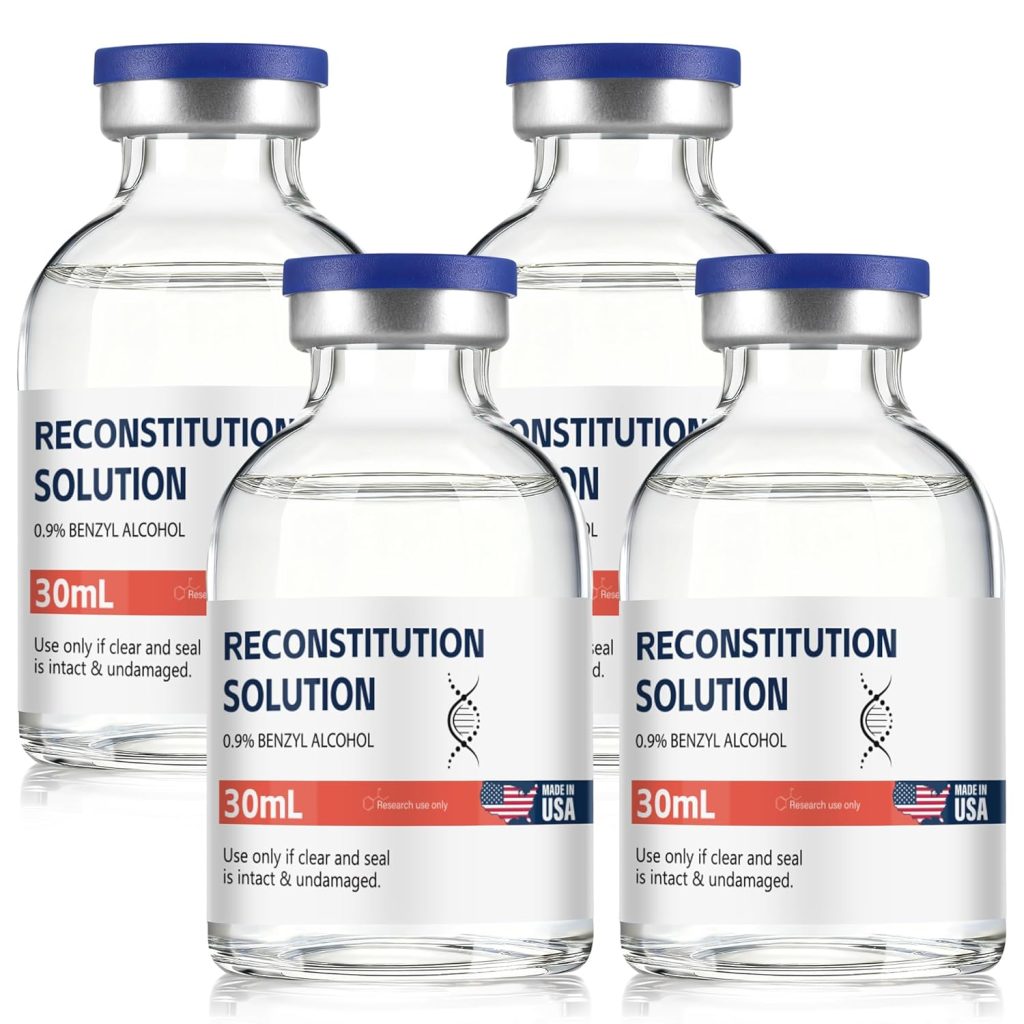
4 Pack Triple Protection
Premium Glass Vials 30mL 4 Pack Triple Protection
7.3 Dogs Who Should Not Use Sileo
Sileo is generally avoided or used with extreme caution in dogs with:
- Serious heart disease
- Advanced liver or kidney failure
- Very young puppies, depending on age and development
This is why a proper veterinary exam matters before using the medication.
7.4 Human Safety and Handling (Often Overlooked)
Sileo isn’t just a dog safety issue—it’s a handler safety issue too.
Basic precautions include:
- Avoid getting gel on your skin or eyes
- Wash hands after dosing
- Wear gloves if advised
- Extra caution for pregnant or breastfeeding handlers
These aren’t scare tactics—they’re standard label precautions.
8. Tips to Make Sileo Work Better (Real-Life Owner Advice)
One thing that doesn’t get said often enough: how you use Sileo matters almost as much as the medication itself. Two dogs can receive the same dose and have very different results simply because of timing, environment, or handling.
Here are a few practical things that tend to make a noticeable difference.
Give It Early—Earlier Than You Think
Sileo works best when it’s given at the first signs of anxiety, not when a dog is already in full panic mode. If your dog usually starts pacing or panting before the fireworks actually begin, that’s your cue.
Once fear spirals, it’s harder for any medication to pull a dog back down.
Set Up a “Safe Zone”
Medication alone rarely solves everything. Dogs do better when Sileo is paired with a calm environment, such as:
- A quiet room away from windows
- Curtains drawn to reduce flashes
- White noise or a fan to soften sharp sounds
- A familiar bed, crate, or blanket
Think of Sileo as lowering the volume on fear, not muting it completely.
Keep a Simple Log
This doesn’t need to be complicated. Many owners find it helpful to jot down:
- What triggered the anxiety
- When Sileo was given
- How long it took to notice effects
- How the dog behaved afterward
Over time, patterns emerge. That information is incredibly useful for your vet when fine-tuning a plan.
Combine with Training When Possible
For dogs with ongoing noise sensitivity, vets and trainers often recommend pairing Sileo with desensitization and counterconditioning. The medication can make training easier by keeping fear at a manageable level rather than overwhelming the dog.
9. Sileo vs Other Options
Sileo isn’t the only way to help an anxious dog, and it’s not always the best option. Understanding the alternatives helps put it in context.
9.1 Sileo vs Traditional Sedatives
One reason many owners prefer Sileo is that it usually keeps dogs calm but awake. Sedatives can be effective, but they often come with trade-offs like heavy drowsiness, poor coordination, or a “zoned-out” appearance.
That said, some dogs actually need deeper sedation, especially during extreme or prolonged stress. This is where a veterinarian’s judgment matters most.
9.2 Medication Alternatives (Vet-Guided)
Depending on the dog and the situation, vets may suggest:
- Trazodone – often used for situational anxiety but more sedating
- Gabapentin – sometimes helpful for fear and pain-related stress
- Benzodiazepines – typically reserved for severe, short-term cases
Each option has its own risk-benefit profile. There’s no universal “best” medication—only what works best for that dog.
9.3 Non-Drug Options
Some dogs respond well to non-medication tools, especially when anxiety is mild or moderate:
- Anxiety wraps or pressure garments
- Pheromone diffusers or collars
- Sound therapy or background noise
- Structured training plans
These approaches don’t replace medication in severe cases, but they can reduce how often medication is needed.
For owner experiences comparing these approaches, a deeper look can be found in Sileo for Dogs Review: Real Owner Experiences, Pros & Cons.
10. Cost and Availability
Sileo is a prescription medication, so it must be obtained through a veterinarian or a licensed pharmacy with a valid prescription.
Where Owners Usually Buy It
- Veterinary clinics
- Reputable online pet pharmacies
Prices vary depending on:
- Syringe size
- Number of doses needed
- Geographic location
- Seasonal demand (fireworks season often drives prices up)
Because Sileo is often used a few times a year rather than daily, many owners find the cost manageable, especially when it prevents severe distress.
11. Frequently Asked Questions
What is Sileo used for in dogs?
Sileo is used to manage acute anxiety and fear linked to loud noises, such as fireworks and thunderstorms.
Does Sileo make dogs sleepy?
It can cause mild drowsiness, but it’s not meant to knock dogs out. Most dogs remain aware and responsive.
How long does Sileo take to work?
Many dogs show effects within 30 to 60 minutes, though timing varies.
Can Sileo be used for fireworks or thunderstorms?
Yes. Those are among the most common reasons it’s prescribed.
What if my dog swallows Sileo?
Swallowing may reduce effectiveness. Do not immediately re-dose unless your vet instructs you to.
Can I give another dose the same night?
Sometimes, yes—but only after the recommended waiting period and within maximum dosing limits set by your vet.
Is Sileo safe with other medications?
It can interact with certain drugs, especially those affecting the nervous system. Always inform your vet about any medications or supplements your dog takes.
12. Conclusion
So, what is Sileo for dogs, really?
It’s a targeted, short-acting tool designed to help dogs cope with intense, noise-related fear—not a cure-all, and not something to use casually, but often a meaningful relief for the right dog in the right situation.
When used correctly, at the right time, and alongside environmental support and training, Sileo can make a genuinely stressful event manageable for both dogs and their owners.
If you’re considering it, the best next step is simple: talk to your veterinarian, ideally before peak fireworks season. A trial run on a quieter day can make all the difference when the real stress hits.