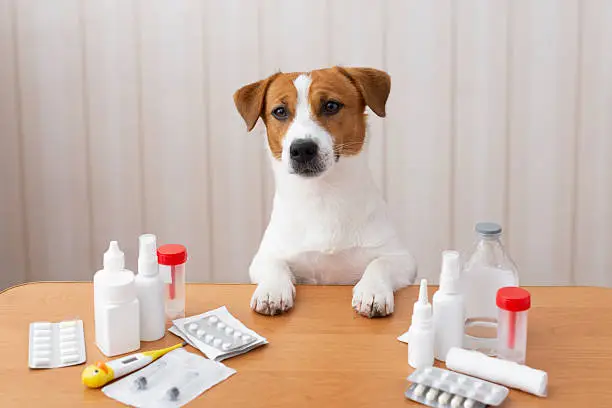
Meloxidyl is a prescription NSAID (meloxicam oral suspension) used to control pain and inflammation in dogs, most commonly associated with osteoarthritis.
Many dog owners search for this topic because they notice their dog limping, moving stiffly, slowing down on walks, or struggling after surgery. When a veterinarian mentions Meloxidyl, it’s natural to want a clear, simple explanation of what it’s actually used for, how it helps, and whether it’s safe.
This guide explains:
- What Meloxidyl is
- What Meloxidyl for dogs is used for
- How it works inside a dog’s body
- When it’s helpful and when it’s not
- Key safety rules, side effects, and interactions
- Answers to common owner questions
⚠️ Important Safety Disclaimer
Meloxidyl is prescription-only. Never self-dose, never use cat formulations, and never give Meloxidyl without veterinary supervision. Improper use can cause serious harm.
What Is Meloxidyl?
Meloxidyl vs Meloxicam (Brand vs Active Ingredient)
Meloxidyl is a brand name. The actual drug inside it is meloxicam.
- Meloxicam → the active medication
- Meloxidyl → a veterinary oral liquid version of meloxicam
- Other brands (like Metacam) contain the same active ingredient
So when vets prescribe Meloxidyl, they’re prescribing meloxicam, just in a formulation designed for dogs.
What “NSAID” Means for Dogs (Simple Explanation)
Meloxidyl belongs to a class of medications called NSAIDs (Non-Steroidal Anti-Inflammatory Drugs).
In dogs, NSAIDs are used to:
- Reduce pain
- Reduce inflammation
- Improve mobility and comfort
Inflammation is a major cause of pain in arthritis, injuries, and after surgery. NSAIDs target that inflammation instead of simply masking pain.
What Forms of Meloxidyl Exist?
Meloxidyl for dogs is most commonly available as:
- Oral liquid suspension
- Given using a dosing syringe
- Administered once daily
The liquid format allows for precise dosing, especially important for small dogs.

NaturVet Aches & Discomfort Dog Supplement
NaturVet Aches & Discomfort Dog Supplement Plus Glucosamine, Boswelia, White Willow Bark – Supports Canine Joint Health, Function – Helps Relieves Exercise Aches for Dogs – 30 Ct. Soft Chews
What Is Meloxidyl for Dogs Used For? (Main Uses)
This is the core question most dog owners ask. Meloxidyl is not a general “comfort medicine” — it’s used for specific medical reasons under veterinary care.
Osteoarthritis Pain and Inflammation (Primary Use)
The main and most common use of Meloxidyl for dogs is treating osteoarthritis.
Osteoarthritis causes:
- Joint inflammation
- Cartilage breakdown
- Chronic pain and stiffness
Meloxidyl helps by:
- Reducing inflammation in affected joints
- Decreasing pain signals
- Improving daily mobility
Stiffness, Limping, and Mobility Improvement
Dogs with arthritis or joint disease often show subtle early signs:
- Stiffness after sleeping
- Slower movement on walks
- Hesitation on stairs or jumping
- General reluctance to move
Meloxidyl doesn’t cure arthritis, but it often helps dogs:
- Move more freely
- Stand up more easily
- Stay active longer
Many owners report their dog “acting younger” once pain and inflammation are controlled.
Musculoskeletal Inflammation and Injury Pain
Meloxidyl may also be prescribed for short-term use in dogs with:
- Muscle strains
- Soft-tissue injuries
- Inflammatory flare-ups after overexertion
In these cases, it’s usually part of a temporary treatment plan, not lifelong medication.
Post-Surgical Pain Control
Another common use of Meloxidyl is post-operative pain management.
Veterinarians may prescribe it after:
- Orthopedic surgery
- Dental procedures
- Soft-tissue operations
It helps:
- Reduce inflammation from surgery
- Control pain during recovery
- Encourage normal movement during healing
Post-surgical use is always vet-directed and time-limited.
Chronic Pain Plans (Longer-Term Use With Monitoring)
In dogs with advanced arthritis, Meloxidyl may be part of a long-term pain management strategy.
Long-term use usually includes:
- Regular veterinary checkups
- Periodic bloodwork
- Dose adjustments as needed
Meloxidyl is often combined with:
- Weight management
- Physical therapy
- Joint supplements
- Environmental changes (ramps, orthopedic beds)
Why Vets Choose Meloxidyl Over Simple Painkillers
Human pain relievers (like ibuprofen or acetaminophen) are dangerous for dogs. Meloxidyl is specifically formulated, dosed, and studied for canine use.
That’s why it’s:
- Prescription-only
- Carefully dosed
- Monitored over time
Meloxidyl for dogs is used to:
- Treat osteoarthritis pain and inflammation
- Improve mobility and quality of life
- Manage post-surgical pain
- Control musculoskeletal inflammation
It is not a casual pain reliever and must always be used under veterinary guidance.
How Meloxidyl Works in Dogs (Easy Explanation)
To understand what Meloxidyl is used for, it helps to know how it actually reduces pain inside a dog’s body.
Inflammation → Prostaglandins → Pain Cycle
When a dog has arthritis, an injury, or undergoes surgery, the body responds with inflammation. That inflammation releases chemicals called prostaglandins.
Prostaglandins:
- Increase swelling
- Sensitize nerves
- Amplify pain signals
- Limit comfortable movement
This creates a cycle:
Inflammation → pain → reduced movement → more stiffness and inflammation
COX Enzymes and Why Meloxicam Reduces Pain
Meloxidyl (meloxicam) works by blocking COX enzymes, which are responsible for producing prostaglandins.
In simple terms:
- Fewer prostaglandins = less inflammation
- Less inflammation = less pain
- Less pain = better mobility and comfort
Meloxidyl is considered a COX-2–preferential NSAID, meaning it targets pain and inflammation while trying to preserve protective functions in the stomach and kidneys. This is why veterinarians often choose it for arthritis and post-surgical pain.
When You’ll Notice Results (What to Expect)
Owners usually see improvement in two stages:
- Pain relief: often within 1–2 hours
- Anti-inflammatory effect: builds over 2–5 days of consistent use
With chronic conditions like arthritis, dogs may show gradual improvements such as:
- Longer walks
- Easier rising from rest
- More willingness to play
Meloxidyl doesn’t reverse joint damage, but it often makes daily life far more comfortable.
Signs Your Dog Might Need an Anti-Inflammatory (Owner Checklist)
Dog owners often don’t realize how much discomfort their pet is hiding. These signs are common reasons vets consider Meloxidyl.
Arthritis Clues
Look for:
- Stiffness after sleeping
- Slower pace on walks
- Trouble climbing stairs
- Hesitation before jumping
- Decreased interest in play
These are classic signs of osteoarthritis, the primary condition Meloxidyl is used to manage.
Injury Clues
Meloxidyl may be considered when dogs show:
- Limping after activity
- Soreness or guarding a limb
- Reduced movement after overexertion
These cases are often short-term uses, guided by a veterinarian.
Post-Procedure Discomfort (Vet-Directed Use Only)
After surgery or dental work, dogs may show:
- Restlessness
- Whining
- Reduced appetite
- Protective posture
Meloxidyl is commonly prescribed in these situations to control inflammation and pain during healing.
When It’s Urgent (Not a “Wait and See” Situation)
Seek veterinary care immediately if your dog has:
- Sudden severe pain
- Inability to bear weight
- Fever
- Extreme lethargy
Meloxidyl may or may not be appropriate in emergencies—diagnosis comes first.
When Meloxidyl Is NOT a Good Fit
While Meloxidyl is useful, it is not safe for every dog.
Dogs With Kidney Disease, Liver Disease, or GI Ulcers
Meloxidyl may be avoided or used cautiously in dogs with:
- Chronic kidney disease
- Liver dysfunction
- History of stomach ulcers or intestinal bleeding
Dehydrated Dogs or Dogs With Vomiting/Diarrhea
If a dog is:
- Vomiting
- Having diarrhea
- Not drinking normally
- Dehydrated due to illness or heat
Meloxidyl is usually paused or delayed until hydration and GI stability return. Dehydration increases kidney risk with NSAIDs.
Puppies and Senior Dogs
- Puppies: Meloxidyl is generally used with caution and only when clearly indicated
- Senior dogs: Often benefit from Meloxidyl, but require:
- Lower starting doses
- More frequent monitoring
- Regular bloodwork
Age alone doesn’t rule it out—overall health does.
Hypersensitivity or NSAID Allergy
Rarely, dogs may show sensitivity to NSAIDs, including:
- Facial swelling
- Hives
- Sudden vomiting after dosing
- Severe lethargy
These reactions require immediate veterinary attention and discontinuation.
Meloxidyl Dosage and How It’s Typically Given (Overview)
(This is a high-level overview only, since this article focuses on uses.)
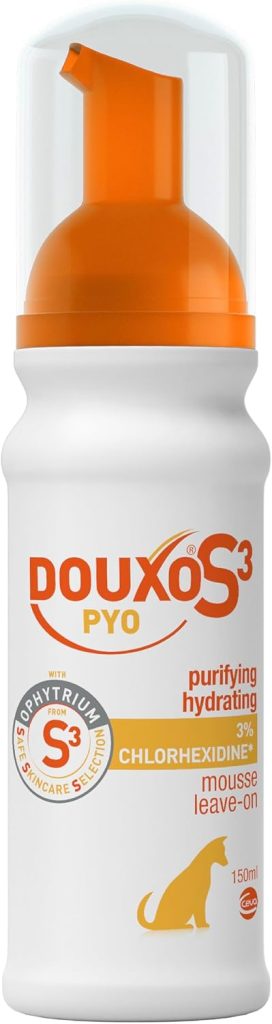
Douxo S3 Pyo Mousse
Douxo S3 Pyo Mousse, Contains 3% Chlorhexidine & 0.5% Ophytrium, Antiseptic & Hydrating, for Bacterial or Yeast Skin Infections, for Dogs, 5 fl. oz….
Once-Daily Dosing Concept
Meloxidyl is usually given:
- Once daily
- At roughly the same time each day
This spacing reduces side-effect risk and maintains steady pain control.
Loading Dose vs Maintenance Dose
Veterinarians may prescribe:
- A higher first dose (loading dose)
- Followed by a lower daily dose (maintenance)
This helps control pain quickly while minimizing long-term risk.
Give With Food?
Most vets recommend giving Meloxidyl:
- With food
- To reduce stomach upset
If vomiting occurs, contact your vet before continuing.
What to Do If a Dose Is Missed
- Give it when remembered if the same day
- Skip if close to the next dose
- Never double dose
Side Effects to Watch For (Common vs Emergency)
Like all NSAIDs, Meloxidyl can cause side effects. Most dogs tolerate it well when used correctly, but owners should know what’s normal, what’s concerning, and what’s an emergency.
Common Side Effects (Usually Mild)
These effects are most often related to the digestive system and typically appear within the first few days of treatment:
- Vomiting
- Diarrhea or soft stools
- Decreased appetite
- Mild lethargy
- Increased drooling
In many cases, these improve when:
- The medication is given with food
- The dose is adjusted by the vet
- The dog’s system adapts
If mild symptoms persist beyond a couple of days, contact your veterinarian.
Serious Warning Signs (Seek Veterinary Care)
Stop Meloxidyl and call your vet immediately if you notice:
- Black, tarry stools (possible GI bleeding)
- Blood in vomit or stool
- Severe or persistent vomiting
- Extreme weakness or collapse
- Yellowing of gums or eyes (possible liver issue)
- Excessive thirst or urination (possible kidney stress)
“Stop and Call the Vet Now” Checklist
Call your vet right away if your dog shows:
- ❗ Repeated vomiting or diarrhea
- ❗ Bloody or black stools
- ❗ Sudden weakness or collapse
- ❗ Refusal to eat for more than 24 hours
- ❗ Signs of abdominal pain
Early action can prevent serious complications.
Drug Interactions and What You Must NOT Combine
One of the biggest safety risks with Meloxidyl is drug interaction, especially accidental overlap with other pain medications.
Meloxidyl + Other NSAIDs (Do NOT Combine)
Never give Meloxidyl with:
- Carprofen
- Firocoxib
- Deracoxib
- Aspirin
- Any other NSAID
Combining NSAIDs greatly increases the risk of stomach ulcers, bleeding, and kidney injury.
Meloxidyl + Steroids (Extremely Dangerous)
Do not combine Meloxidyl with steroids such as:
- Prednisone
- Dexamethasone
- Prednisolone
This combination is a leading cause of life-threatening gastrointestinal bleeding in dogs.
Switching Medications and Washout Periods
If switching from another NSAID or a steroid:
- A washout period is required
- The length varies by medication and dog health
- Only your veterinarian should decide the timing
Never switch medications on your own.
Other Medications to Disclose
Tell your vet if your dog takes:
- Diuretics
- ACE inhibitors
- Blood thinners
- Supplements or herbal products
Even non-prescription products can affect safety.
Monitoring and Follow-Ups (Especially for Long-Term Arthritis Use)
Why Baseline Bloodwork Matters
For dogs using Meloxidyl long-term, vets often recommend:
- Kidney function tests
- Liver enzyme monitoring
This helps detect problems before symptoms appear.
Typical Recheck Schedule (Vet-Directed)
While each case differs, many vets follow:
- Baseline bloodwork before starting
- Recheck at 4–6 weeks
- Follow-ups every 3–6 months for chronic use
Home Monitoring for Owners
Keep a simple log tracking:
- Mobility and comfort
- Appetite
- Stool quality
- Water intake
- Energy level
Small changes can signal issues early.
Meloxidyl vs Metacam vs Other Options
Meloxidyl vs Metacam
Meloxidyl and Metacam:
- Contain the same active ingredient (meloxicam)
- Work the same way
- Follow similar dosing principles
The main differences are brand, syringe design, and availability, not effectiveness.
Why Vets May Switch NSAIDs
A veterinarian may change medications if:
- Side effects occur
- Pain control is inadequate
- A dog tolerates another NSAID better
Response varies between individual dogs.
Non-Drug Supports That Amplify Results
Medication works best alongside:
- Weight management
- Physical therapy or hydrotherapy
- Ramps instead of stairs
- Orthopedic bedding
- Vet-approved joint supplements
FAQs: What Is Meloxidyl for Dogs Used For?
What is Meloxidyl for dogs used for?
Meloxidyl is used to control pain and inflammation, primarily from osteoarthritis, but also for post-surgical pain and certain inflammatory injuries under veterinary guidance.
How fast does Meloxidyl work in dogs?
Pain relief may begin within 1–2 hours, while full anti-inflammatory benefits develop over several days of consistent use.
Can Meloxidyl be used after surgery?
Yes. Veterinarians commonly prescribe Meloxidyl for short-term post-operative pain control.
Is Meloxidyl safe for long-term arthritis pain?
It can be, with veterinary supervision, regular bloodwork, and close monitoring.
Can I give Meloxidyl with food?
Yes. Giving Meloxidyl with food is often recommended to reduce stomach upset.
What are the most common Meloxidyl side effects?
Vomiting, diarrhea, soft stools, and decreased appetite are the most common side effects.
What’s the difference between Meloxidyl and Metacam?
There is no difference in the active drug or effectiveness. Both contain meloxicam.
What should I do if my dog vomits after Meloxidyl?
Stop the medication and contact your veterinarian before giving the next dose.
Conclusion
Meloxidyl for dogs is primarily used to control pain and inflammation associated with osteoarthritis, as well as post-surgical recovery and certain inflammatory conditions. When used correctly, it can significantly improve a dog’s comfort, mobility, and quality of life.
Key Safety Takeaways
- Use only with a veterinary prescription
- Follow the exact dosing instructions
- Watch for GI, kidney, and liver warning signs
- Never combine with other NSAIDs or steroids
- Monitor closely during long-term use
Talk to Your Vet for a Personalized Plan
Every dog is different. The safest and most effective way to use Meloxidyl is through a personalized veterinary plan, combined with regular monitoring and supportive care at home.