Best Puppy Food for Sheepadoodles. Let’s be real—the moment you bring that wiggly, fluffy Puppy Food for Sheepadoodles home, your heart officially melts. Suddenly, your camera roll is full, your lap has a permanent occupant, and you find yourself wondering how you ever lived without them. But with all that cuteness comes a big question: what’s the best way to feed this little ball of energy?
I remember staring at a wall of dog food bags myself, completely overwhelmed. Chicken, grain-free, large breed, sensitive stomach… the options are endless. And it matters. The food you choose does more than just stop the hunger cries. It’s the building blocks for their playful spirit, their strong bones, and that unbelievably soft, teddy-bear coat we all love.
Puppy Food for Sheepadoodles are a special mix, a blend of the gentle Old English Sheepdog and the clever Poodle. This fantastic combination also means they can be prone to sensitive tummies, rapid growth that needs careful management, and a coat that demands specific nutrients to stay tangle-free. It sounds complicated, but I promise, it doesn’t have to be.
Puppy Food for Sheepadoodles. Think of this guide as a friendly chat from one dog lover to another. We’re going to break down exactly what your unique pup needs, translate those confusing ingredient labels, and I’ll share some of the top-performing foods that have worked for other Sheepadoodle families.
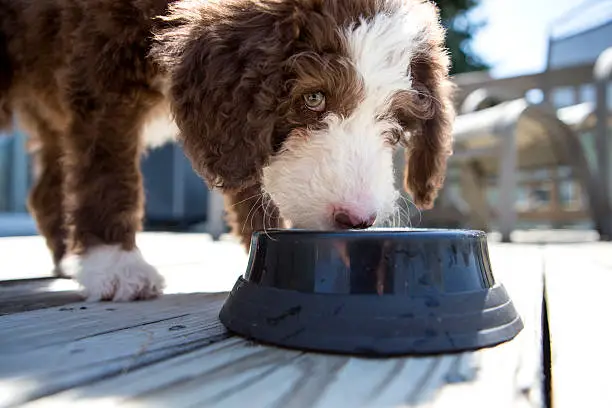
1. Unpacking Your Pup’s DNA: It’s More Than Just Fluff
A Tale of Two Breeds
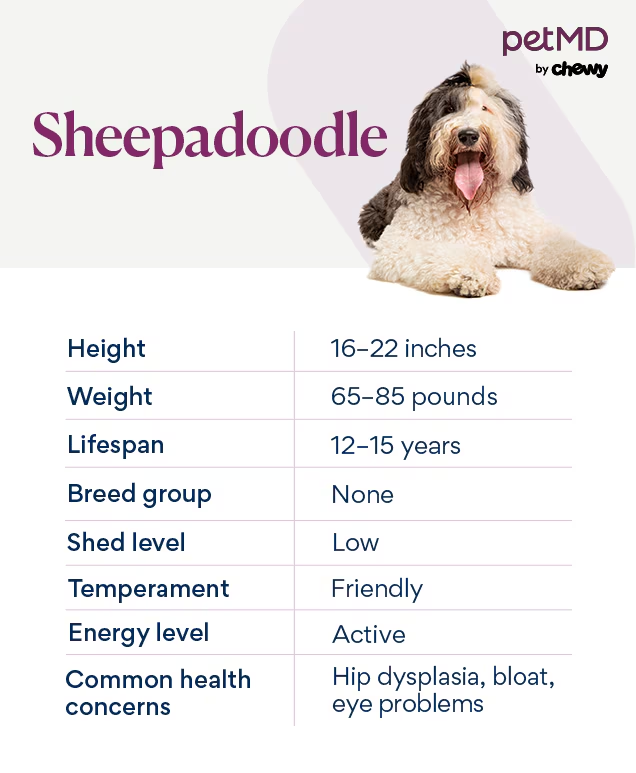
To figure out the perfect Puppy Food for Sheepadoodles, you first have to appreciate the wonderful genetic puzzle that is your Sheepadoodle. It’s not just about looks; it’s about what’s happening on the inside.
From the Old English Sheepdog side, they get that wonderful, sturdy build and a heart of gold. But here’s the catch—big dogs grow fast, and that quick growth can be tough on developing joints. Then you have the Poodle side, contributing brains, that low-shedding coat, and, often, a digestive system that can be a bit… dramatic. Put them together, and you’ve got a Puppy Food for Sheepadoodles that’s equal parts strong and sensitive. Their diet needs to walk that same line.
The Single Most Important Choice You’ll Make
If you remember nothing else, lock this in: Your Sheepadoodle must eat a large-breed Puppy Food for Sheepadoodles formula.
I can’t stress this enough. When my vet first told me this, I didn’t get it. Isn’t puppy food just Puppy Food for Sheepadoodles? Not even close. Feeding a regular puppy formula to a large breed is like pouring too much fertilizer on a young plant—it forces growth that the structure can’t quite support yet.
Large-breed specific food is engineered differently. It has just the right balance of calcium and phosphorus to ensure bones develop steadily and safely. It also controls the calorie count to prevent them from packing on pounds too quickly. Extra weight on a Puppy Food for Sheepadoodles frame is a leading contributor to hip and elbow issues later in life. Choosing the right food now is one of the best preventative health measures you can take.
Feeding That Famous Coat
We all love running our hands through a Sheepadoodle’s soft, fluffy fur. But that gorgeous coat is high-maintenance! You can’t just brush the tangles out; you have to nourish them from the inside.
The secret lies in two key things:
- Lots of Good Protein: Hair is made of protein, plain and simple. A diet where the first ingredient is a real, specific meat—think deboned chicken or fresh salmon—gives their body the raw materials to grow strong, healthy hair.
- The Power of Omegas: This is the magic ingredient for shine and skin health. Fish oil is a rockstar here. It acts like an internal conditioner, reducing itchy, flaky skin and giving their coat that “I just left the groomer” glow, even between appointments.
Brain Power and a Tummy of Steel
Let’s talk about the brains behind the fluff. Poodles are brilliant, and your pup is no different. To help support their cognitive development, look for foods that include DHA. It’s an Omega-3 fatty acid found in fish oil that’s crucial for brain and eye development—it’s like smart food for your smart Puppy Food for Sheepadoodles.
Now, about that sensitive stomach. It’s a common theme in Doodle forums and Facebook groups. Many owners find that common proteins like chicken or beef don’t always agree with their pup. If you notice excessive scratching, recurring ear infections, or consistently loose stools, it might be time to suspect a food sensitivity. Sometimes, a simple switch to a novel protein like lamb or salmon can solve problems you didn’t even know were food-related.
2. Cracking the Code on the Back of the Bag
Ever picked up a bag of dog food and felt like you needed a science degree to understand it? You’re not alone. The front is all marketing. The truth is in the tiny print on the back. Let’s become label detectives together.
What You’re Hoping to Find
When you turn that bag over, here’s your cheat sheet for the good stuff:
- The First Ingredient is King: That very first item should be a protein you can recognize. Deboned Chicken, Lamb, Salmon—these are the hallmarks of a quality food. This ensures your growing pup is building muscle with the good stuff.
- Look for Real Food: Scroll down the list. Do you see things like sweet potatoes, peas, or blueberries? These wholesome carbs and veggies are far better than mysterious powders and provide natural vitamins and fiber.
- Fats Are Your Friend: Don’t be scared of fat! Puppies need it for energy. High-quality sources like chicken fat or salmon oil are fantastic because they deliver the fatty acids that make a coat truly shine.
- A Gut Feeling: Keep an eye out for mentions of probiotics or “fermentation products.” A healthy gut is the cornerstone of a healthy dog, leading to better digestion and a stronger immune system.
- Building Strong Joints Early: It might seem early, but seeing Glucosamine and Chondroitin on the label is a great bonus. It shows the company is thinking about supporting your large-breed pup’s joints for the long haul.
The Red Flags That Should Make You Pause
Just as important as what’s there is what’s not. I usually put the bag back if I see:
- “Mystery Meat”: Vague terms like “meat meal” or “animal by-products” are immediate red flags. You deserve to know what you’re feeding your family member.
- A Chemistry Set: Your Puppy Food for Sheepadoodles doesn’t need artificial colors, flavors, or questionable preservatives like BHA or BHT. These are added for our benefit, not theirs. Look for natural preservatives like mixed tocopherols (Vitamin E) instead.
- Filler Up: If the first few ingredients are packed with cheap fillers like corn or wheat, be wary. These are common allergens and offer very little nutritional value, often just leading to empty calories and energy crashes.
Solving the Sheepadoodle Dinner Dilemma
So you’ve got the basics down—you’re looking for a large-breed formula with quality protein and plenty of omegas. But what happens when your perfect plan meets reality? Maybe your pup turns up their nose at dinner, or their stomach seems constantly upset. Let’s tackle these real-world challenges head-on.
When Your Gourmet Pup Prefers Junk Food
I’ll never forget the first time my Sheepadoodle, Murphy, stared at his premium kibble like I’d served him cardboard. Picky eating can test any pet parent’s patience. Through trial and error (and conversations with my vet), I found what works:
- The “Scheduled Meal” Solution: Ditch free-feeding. Offer food for 15-20 minutes, then pick it up until the next meal. This creates routine and teaches them to eat when food is available.
- The Magical Food Topper: Sometimes you need to kickstart their interest. A sprinkle of Purina FortiFlora (a probiotic that doubles as a flavor enhancer) or a teaspoon of plain canned pumpkin can work wonders.
- The Broth Trick: A tablespoon of warm, low-sodium chicken or bone broth poured over kibble makes it irresistible. Just check that it doesn’t contain onions or garlic.
- Patience Over Pleading: Resist the urge to constantly switch foods or add more goodies. This can create a tiny food tyrant who holds out for better offers.
Navigating the Sensitive Stomach Maze
If your Sheepadoodle has frequent digestive upset, you’re not alone. Many Doodle owners find themselves on what I call the “protein merry-go-round”—constantly switching between chicken, lamb, and fish formulas. Here’s a more systematic approach:
Common Allergy Triggers:
- Proteins: Chicken, beef, and sometimes even lamb
- Grains: Wheat, corn, and soy
- Environmental: Pollen, dust mites (which can compound food issues)
What Worked for Us:
When Murphy kept having loose stools despite a “high-quality” chicken-based food, my vet suggested an elimination diet. We switched to a single novel protein he’d never had before—in our case, salmon—and stuck with it for 8 weeks. The improvement was remarkable. The key was giving his system time to reset without introducing new potential allergens.
Red Flags Worth a Vet Visit:
- Consistent diarrhea for more than 48 hours
- Vomiting more than once in 24 hours
- Signs of blood in stool
- Lethargy accompanying digestive issues
The Bloat Conversation We Need to Have
Here’s the uncomfortable truth nobody wants to discuss: Sheepadoodles, with their deep chests from both parent breeds, are at higher risk for GDV (Gastric Dilatation and Volvulus), commonly called bloat. While more common in adults, establishing safe eating habits starts in Puppy Food for Sheepadoodles.
Feeding Strategies to Reduce Risk:
- Multiple Small Meals: Instead of one big dinner, split their daily portion into 2-3 smaller meals
- The Post-Meal Quiet Rule: No vigorous play or exercise for at least one hour after eating
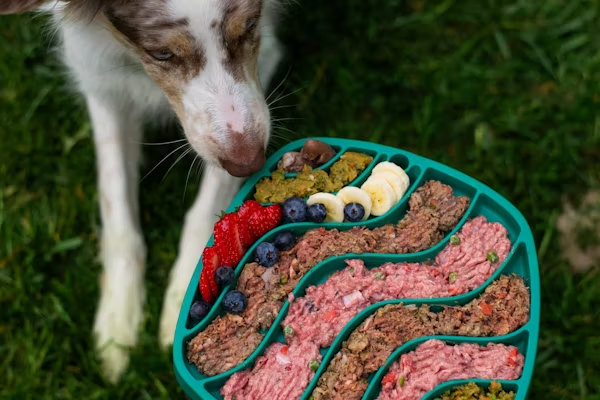
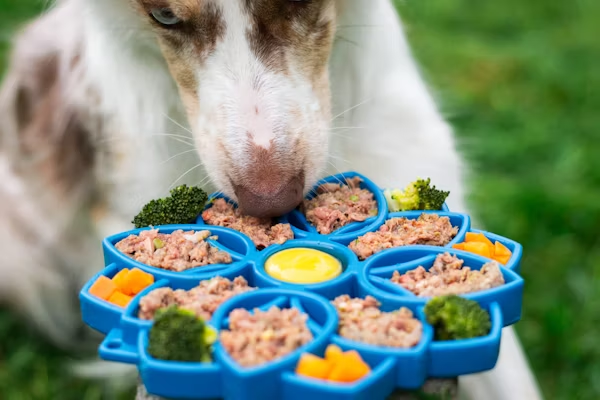
- Slow It Down: Use a slow-feed bowl or puzzle feeder if your Puppy Food for Sheepadoodles gulps their food
- Water Management: Avoid letting them drink large amounts of water immediately before or after meals
Knowing the symptoms of bloat (restlessness, pacing, unsuccessful vomiting, distended abdomen) could save your dog’s life. It’s always better to err on the side of caution and head to the emergency vet if you suspect something’s wrong.
3. Kibble, Raw, or Fresh? Navigating Your Options
Walk into any modern pet store, and you’ll face a wall of choices beyond traditional kibble. Each feeding style has its passionate advocates—let’s break down the real-world pros and cons without the hype.
The Trusty Kibble: More Than Just Brown Bites
Why Most Owners Start Here:
Kibble is convenient, affordable, and when you choose the right formula, completely nutritious. The crunch actually helps clean teeth, and it’s easy to measure and store. Modern high-quality kibbles have come a long way—many now include probiotics, joint supplements, and high levels of omega fatty acids right in the formula.
The Downside:
The quality range is massive—from grocery store brands filled with questionable ingredients to premium formulas that rival human-grade food. You truly get what you pay for.
The Raw Food Debate
The Allure:
Proponents swear by shinier coats, healthier skin, and smaller, less smelly stools. The high protein content and lack of processing are the main selling points.
The Reality Check:
- Bacterial Risk: Handling raw meat carries risks for both you and your dog
- Nutritional Balance: It’s incredibly difficult to create a balanced diet at home
- Cost and Convenience: Commercially prepared raw diets are often 2-3 times more expensive than premium kibble
- The Vet Factor: Many veterinarians caution against raw diets due to safety concerns
If you’re considering raw, I’d recommend starting with a commercially prepared, balanced frozen raw diet rather than attempting to create your own.
The Fresh & Delivered Revolution
What You’re Paying For:
Companies like The Farmer’s Dog and Ollie deliver pre-portioned, human-grade fresh meals to your door. The ingredients are recognizable—you can actually see the carrots and peas.
The Catch:
- Price: Typically the most expensive option
- Refrigeration Required: No leaving food out all day
- Transition Period: Some dogs need a slow transition to adjust to the richer food
My Practical Take:
After testing multiple options with Murphy, we settled on a hybrid approach. He gets high-quality kibble as his base diet, with a spoonful of fresh food as a topper. This gives us the convenience and dental benefits of kibble while adding the palatability and moisture of fresh food.
4. The 2024 Sheepadoodle Food Hall of Fame
After scouring reviews, consulting with breeders and vets, and testing with my own picky eater, here are the formulas that consistently deliver for Sheepadoodle puppies.
1. The Gold Standard: Royal Canin Large Breed Puppy Food for Sheepadoodles
Why It Shines: This isn’t a generic large-breed formula—it’s specifically designed for the precise calcium-phosphorus balance that rapidly growing large breeds need. The kibble size is perfect for bigger mouths, and it includes targeted antioxidants to support their developing immune system.
Best For: Puppy Food for Sheepadoodles parents who want science-backed, breed-specific nutrition and are willing to invest in premium health.
2. The Tummy Soother: Purina Pro Plan Large Breed Puppy Food for Sheepadoodles Sensitive Skin & Stomach
Why It’s a Game-Changer: When Murphy’s stomach was at its most sensitive, this salmon-based formula was our salvation. The single animal protein source minimizes allergy triggers, while the live probiotics actually work to maintain digestive balance.
Best For: Puppy Food for Sheepadoodles with chicken allergies, sensitive stomachs, or skin issues. It’s the perfect “reset” food.
3. The Premium Powerhouse: Orijen Large Breed Puppy Food for Sheepadoodles
Why It Stands Out: If you want to feed your Puppy Food for Sheepadoodles like their ancestors ate, this is as close as it gets. The ingredient list reads like a gourmet menu—free-run chicken, wild-caught flounder, and whole eggs. The high protein (38%) supports lean muscle development.
Best For: Active puppies and owners committed to biologically appropriate, ingredient-driven nutrition.
4. The Grain-Free Alternative: Taste of the Wild Pacific Stream Puppy Food for Sheepadoodles
Why It Makes the List: For puppies that need to avoid both common proteins AND grains, this formula hits the sweet spot. Smoked salmon provides a novel protein, while sweet potatoes and peas offer easily digestible energy.
Important Note: Due to ongoing research about grain-free diets and heart health, consult your vet before choosing this long-term option.
5. The Budget-Friendly Champion: Diamond Naturals Large Breed Puppy Food for Sheepadoodles
Why It Deserves Attention: Don’t let the price fool you—this formula includes quality proteins, probiotics, and superfoods like kale and blueberries. It delivers remarkable quality for the price point.
Best For: Families feeding multiple dogs or those needing to balance budget with quality nutrition.
Quick Comparison Table:
| Food | Primary Protein | Key Feature | Best For |
|---|---|---|---|
| Royal Canin Large Breed | Chicken | Precision Calcium Balance | Optimal Bone Development |
| Purina Pro Plan Sensitive | Salmon | Probiotics + Single Protein | Sensitive Systems |
| Orijen Large Breed | Chicken & Fish | High Meat Inclusion | Premium, Active Puppies |
| Taste of the Wild | Smoked Salmon | Grain-Free Novel Protein | Multiple Food Allergies |
| Diamond Naturals | Chicken | Superfood Blend | Budget-Conscious Families |
The Daily Routine—Putting Your Puppy Food for Sheepadoodles Nutrition Plan into Action
You’ve chosen the perfect food—congratulations! But now comes the practical part: actually feeding your growing Sheepadoodle. How much is enough? When should you switch to adult food? And what about those Puppy Food for Sheepadoodles-dog eyes begging for your dinner?
Let’s create a game plan that turns your nutritional knowledge into daily practice.
Finding the “Just Right” Amount
Here’s a confession: I probably overfed Murphy for his first month. I followed the bag’s guidelines, but he started getting… well, a bit portly. My vet taught me that the numbers on the bag are just starting points, not gospel. Every Puppy Food for Sheepadoodles metabolism is different.
A Real-World Feeding Guideline:
| Your Puppy’s Weight | Daily Food Amount | Meal Frequency |
|---|---|---|
| 10 – 20 lbs | ¾ – 1½ cups | 3 meals |
| 20 – 40 lbs | 1½ – 2½ cups | 3 meals |
| 40 – 60 lbs | 2½ – 3½ cups | 2-3 meals |
| 60+ lbs | 3½ – 4½ cups | 2 meals |
The Hand Test That Never Fails:
The most accurate way to check if you’re feeding the right amount? Use your hands! You should be able to easily feel your Puppy Food for Sheepadoodles ribs under a thin layer of fat—like the back of your hand. If you have to press hard to find ribs, cut back a little. If the ribs are obvious, add a bit more.
Our Daily Schedule Looked Like This:
- 7:00 AM: Breakfast (1/3 of daily food)
- 12:00 PM: Lunch (1/3 of daily food)
- 5:00 PM: Dinner (1/3 of daily food)
We dropped the lunch meal around 6 months when Murphy started leaving food in his bowl. Trust your pup—they’ll often tell you when they’re ready for fewer meals.
The Great Switch: From Puppy Food for Sheepadoodles to Adult Food
“So when do I make the switch?” This might be the most common question I get from fellow Sheepadoodle owners. The answer isn’t about a specific birthday—it’s about growth.
Watch for These Signs:
- Your puppy’s height has stabilized (usually around 12-14 months)
- They’ve lost that lanky, awkward teenage look
- Their energy levels have settled from “constant zoomies” to “regular dog”
Puppy Food for Sheepadoodles. For most Sheepadoodles, the sweet spot is between 12-18 months. We switched Murphy at 14 months when our vet confirmed he’d reached 95% of his adult size. The key is to transition slowly over 7-10 days, mixing increasing amounts of adult food with decreasing amounts of Puppy Food for Sheepadoodles.
5. Your Top Sheepadoodle Nutrition Questions—Answered!
“Is grain-free food dangerous for my Sheepadoodle?”
This is the million-dollar question in the dog world right now. Here’s what I learned after talking to multiple vets: The FDA is investigating a potential link between certain grain-free diets and a heart condition called Dilated Cardiomyopathy (DCM).
Puppy Food for Sheepadoodles. The issue isn’t necessarily the absence of grains—it might be the high levels of peas, lentils, and potatoes that often replace them in these formulas.
My practical advice: Don’t fear grains unless your dog has a proven allergy. Quality grains like brown rice and oatmeal are excellent energy sources. If you need grain-free for allergy reasons, choose a formula from a company that employs veterinary nutritionists and conducts feeding trials.
“My Puppy Food for Sheepadoodles is always hungry—should I feed more?”
Sheepadoodles are masters of the “starving dog” act. Those soulful eyes could convince you they haven’t eaten in weeks! But constant hunger doesn’t always mean they need more food.
First, try these tricks:
- Switch to a slow-feeder bowl—it makes meals last longer
- Add a tablespoon of canned green beans (low-calorie filler)
- Ensure you’re not underfeeding (check that hand test!)
- Rule out parasites with a vet check
Sometimes, what we interpret as hunger is really just boredom or thirst.
“What human foods are safe for my Puppy Food for Sheepadoodles?”
I’m a big believer in the occasional healthy treat—it strengthens your bond! But the rules are important.
Our “Yes, Please!” List:
- Plain cooked chicken (great for training)
- Baby carrots (excellent for teething)
- Blueberries (frozen for summer treats)
- Plain pumpkin (great for digestion)
- Plain Greek yogurt (probiotic boost)
Our “Never, Ever!” List:
- Grapes and raisins (kidney failure)
- Onions and garlic (anemia)
- Chocolate (toxic)
- Xylitol (found in sugar-free products, extremely dangerous)
- Macadamia nuts (neurological damage)
When in doubt, a quick “can dogs eat…” search on the AKC website has saved me more than once!
Conclusion: Your Journey to a Thriving Sheepadoodle
We’ve covered a lot of ground together—from decoding your Puppy Food for Sheepadoodles unique genetics to becoming a label-reading pro. If you’re feeling slightly overwhelmed, that’s completely normal. I felt the same way when I started this journey with Murphy.
Here’s the secret nobody tells you: There is no single “perfect” food. There’s only the perfect food for your specific Puppy Food for Sheepadoodles. What works for the Sheepadoodle next door might not work for yours, and that’s okay.
Puppy Food for Sheepadoodles. The most valuable lesson I learned? Your veterinarian is your greatest ally in this journey. They’ve seen hundreds of Sheepadoodles grow up and know what works in your specific area. Use this guide as a conversation starter with them.
Watching Murphy grow from a clumsy Puppy Food for Sheepadoodles into a healthy, vibrant adult dog has been one of the most rewarding experiences of my life. The effort you’re putting in now—reading, researching, and carefully choosing their food—will pay off for years to come in wet-nosed kisses, happy wagging tails, and the incredible bond you share with your healthy, happy Sheepadoodle.