Green Lipped Mussel for Dogs. There’s a particular sigh my old lab, Buster, makes when he settles onto his bed these days. It’s not the contented groan of his youth, but something heavier—a sound that says his joints aren’t what they used to be. If you’ve heard that sound from your own dog, you know the helpless feeling that comes with it. You’ve probably found yourself searching for solutions, wondering if there’s something beyond prescription meds that could genuinely help.
What I didn’t expect to find was an answer from the cold, clear waters of New Zealand.
A friend whose border collie had been struggling with arthritis first told me about Green Lipped Mussel for Dogs supplements. Honestly, I was doubtful. The last thing my kitchen needed was another jar of something that promised miracles but delivered disappointment. But watching her dog actually trot around the park again made me curious enough to look deeper.
Turns out, this isn’t just another supplement fad. There’s some genuine science behind why this particular shellfish might help dogs move more comfortably. After trying it with Buster and seeing real results, I wanted to share what I’ve learned about this unusual but promising natural option.
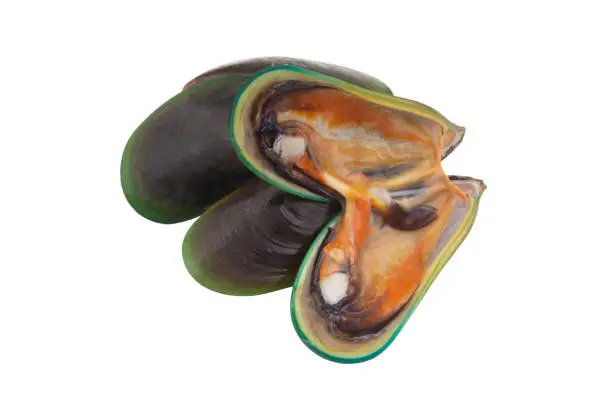
What Is This Green Mussel Everyone’s Talking About?
Picture the coastline of New Zealand—rugged, remote, with water so clean you can see right through it. That’s where the Green Lipped Mussel for Dogs makes its home. The Maori people have valued it for generations, and modern science is finally catching up to what traditional wisdom knew all along.
What makes this mussel different from the supplements you’re probably used to? Most joint products do one thing well—they might reduce inflammation OR support cartilage. Green Lipped Mussel for Dogs seems to do both at once, thanks to its unique combination of natural compounds.
Why This Is Different From Your Typical Supplement
When my vet first explained what’s inside these mussels, it finally clicked why they might work better than single-ingredient options:
- It fights inflammation at the source: Yes, it has the standard omega-3s you find in fish oil. But it also contains something special called ETA. My vet described it like this: regular omega-3s are like mopping up a spill, while ETA actually turns off the tap. It helps block the body’s initial inflammation response before it really gets going.
- It gives joints what they need to repair: The mussel naturally contains building blocks for cartilage—things with complicated names like glycosaminoglycans. Basically, it’s supplying the raw materials your dog’s body uses to maintain healthy joints, while also reducing the inflammation that’s causing the damage in the first place.
- It’s a whole food, not a chemical: There’s something to be said for getting nutrients from food rather than isolated compounds. The minerals and other nutrients in the mussel work together in ways that science is still figuring out.
What sold me was trying it with Buster. After about a month, I noticed he was having more “good days”—days where he’d greet me at the door instead of waiting for me to come to him.
What You Might Actually Notice in Your Dog
Let’s be realistic—this isn’t a magic bullet. But the changes, when they come, can be meaningful. Here’s what I observed and what other dog owners have reported:
The Gradual Return to Normal
The improvements tend to be subtle at first. You might notice your dog seems more comfortable getting up from naps. That stiff, careful walk in the morning might become a bit more fluid. For Buster, the first sign was him actually wanting to go for a second short walk in the evening, something he hadn’t shown interest in for months.
One thing that surprised me was talking to other dog owners at our local park. A woman with a senior dachshund said she noticed her dog was sleeping more soundly instead of shifting positions constantly through the night. Another with a golden retriever said her dog started doing the “play bow” again during their yard time—a gesture she hadn’t seen in years.
The Bonus Effects Nobody Mentions
What nobody really talks about are the unexpected benefits:
- Better skin and coat: About six weeks in, I noticed Buster’s coat felt softer and looked shinier. My vet explained that since many skin issues are inflammation-based, the same anti-inflammatory effects that help joints can improve skin health too.
- Just seeming more comfortable: This is hard to quantify, but there’s a look a dog gets when they’re in constant low-grade pain. Their eyes get a certain tension, they’re quicker to startle, they just seem… on edge. When that discomfort eases, you see a return to their more relaxed, happy self.
- Maintaining what matters: For older dogs, the brain benefits of omega-3s are a nice bonus. While I can’t say for sure it’s helped Buster’s cognition, I do notice he seems more engaged and present than some dogs his age.
The changes won’t have your fifteen-year-old dog acting like a puppy again. But they might help your dog enjoy their golden years with more comfort and dignity—and really, that’s what most of us want for our furry family members.
How Green Lipped Mussel for Dogs Stacks Up Against Other Solutions
So you’re intrigued by Green Lipped Mussel for Dogs, but you’re probably wondering—how does it compare to the other supplements in your dog’s cabinet? I had the same question, especially since Buster had already tried glucosamine with limited results. Let’s break down how this natural option measures up against the usual suspects.
The Supplement Showdown: A Real-World Comparison
Having tried various options over the years, here’s my take on how they compare in everyday terms:
Green Lipped Mussel for Dogs vs. Glucosamine/Chondroitin:
This was my biggest question since we’d already been down the glucosamine road. What I learned is that while glucosamine provides building blocks for cartilage repair, it doesn’t do much for inflammation. Green Lipped Mussel for Dogs does both. It’s like the difference between bringing lumber to a construction site (glucosamine) versus bringing both lumber and a crew to actually build (Green Lipped Mussel for Dogs).
A friend who runs a rescue put it well: “Glucosamine helps maintain what’s there, but Green Lipped Mussel for Dogs seems to actually improve comfort levels.” That matched my experience—Buster showed more noticeable improvement with the mussel than he ever did with glucosamine alone.
Green Lipped Mussel for Dogs vs. Fish Oil:
Both provide omega-3s, but Green Lipped Mussel for Dogs contains that special ETA component I mentioned earlier, plus the joint-building compounds. Think of fish oil as a good general anti-inflammatory, while green lipped mussel is specifically designed for joint health. The mussel is like fish oil “plus”—it does what fish oil does, but adds in cartilage support.
Green Lipped Mussel for Dogs vs. CBD Oil:
This is where it gets interesting. CBD is great for pain management and anxiety, but it doesn’t actually repair joint tissue. Many dog owners I’ve spoken with actually use both—the CBD for immediate comfort and the Green Lipped Mussel for Dogs for long-term joint health. They work through completely different pathways, so they can complement each other well.
What surprised me most was learning that many premium joint supplements now combine these ingredients. The synergy makes sense—you’re attacking the problem from multiple angles.
The Safety Conversation: What You Really Need to Know
Whenever I consider giving Buster something new, my first question is always: “Is this safe?” Here’s what I’ve learned about Green Lipped Mussel for Dogs safety profile.
The Shellfish Allergy Question
This is the big one, and it’s a valid concern. Since it’s a shellfish, dogs with known shellfish allergies should obviously avoid it. However, most dogs don’t have shellfish allergies—it’s not as common in dogs as it is in people.
When I started Buster on it, my vet suggested a simple test: give a tiny amount (about a quarter of the recommended dose) for three days and watch for any reaction. Signs of allergy could include:
- Itchy skin or hives
- Swelling around the face or paws
- Digestive upset
- Difficulty breathing (though this is rare)
We had no issues, but it’s smart to do this cautious introduction with any new supplement.
The Digestive Factor
Some dogs might experience mild digestive upset when first starting—usually loose stools or slight nausea. This typically passes within a few days as their system adjusts. Giving the supplement with food rather than on an empty stomach can help minimize this.
What impressed me was learning about the quality control. Reputable Green Lipped Mussel for Dogs suppliers from New Zealand have to meet strict standards for water purity and testing for contaminants. This isn’t always true for supplements sourced from other regions.
The Vet Conversation You Need to Have
Before starting any new supplement, including Green Lipped Mussel for Dogs, have a conversation with your vet. Here are the questions that helped me:
“Given Buster’s specific health history, are there any reasons he shouldn’t take this?”
“Have you seen good results with this supplement in other patients?”
“Is there a particular brand you trust more than others?”
“What signs should I watch for that might indicate it’s not agreeing with him?”
My vet was actually enthusiastic about Green Lipped Mussel for Dogs, which reassured me. She’d seen good results, particularly in older dogs with mild to moderate arthritis.

Navigating the Supplement Aisle: How to Choose Wisely
Walk into any pet store or browse online, and you’ll find dozens of options. Here’s how to sort through the noise and find a quality product.
Understanding the Different Forms
Powders have worked well for us—I just mix it into Buster’s food. The advantage is you can adjust the dose easily, and it’s often more cost-effective. The downside? Some dogs might detect it in their food (though most don’t seem to mind the fishy taste).
Capsules are great for precise dosing but can be tricky if your dog is pill-averse. I have friends who swear by them because there’s no mess and no taste issues.
Soft chews are popular because dogs usually love them. The potential drawback is they often contain other ingredients and might have lower concentrations of the active compounds.
Liquids are easy to dose and mix well with food, though they can be pricier and sometimes contain preservatives.
Reading the Label Like a Pro
After talking to manufacturers and vets, here’s what I look for now:
Source matters: I only consider products that specifically say “New Zealand Green Lipped Mussel for Dogs.” The farming practices and water quality there are superior to other sources.
Look for standardization: The best products will tell you the percentage of key active compounds. For example, “standardized to contain X% omega-3 fatty acids” shows the company is ensuring consistency.
Third-party testing: This is the gold standard. It means an independent lab has verified that what’s on the label is actually in the product, and that it’s free from contaminants.
Minimal fillers: The ingredient list should be short and understandable. I avoid products with long lists of artificial additives.
The Price vs. Quality Balance
Green Lipped Mussel for Dogs isn’t cheap, but you often get what you pay for. The extremely low-priced options are usually low-priced for a reason—they might use inferior sourcing or lower concentrations.
That said, the most expensive option isn’t necessarily the best. I’ve found mid-priced powders from reputable companies often offer the best value. The key is comparing the actual milligram content per serving rather than just the container price.
Making It Work – Your Practical Guide to Green Lipped Mussel for Dogs
Alright, you’re convinced it might be worth trying. Now comes the practical part—how do you actually make this work for your dog? Having navigated this journey with Buster and helped several friends do the same, I’ve learned that the “how” matters just as much as the “what.”
Finding the Right Dose Without the Guesswork
Dosing was my biggest headache when we started. You’ll find all sorts of recommendations online, but here’s what actually worked for us and other dog owners I’ve compared notes with.
The golden rule? Start low and go slow. I began with about half the recommended dose for Buster’s weight for the first week. This lets your dog’s system adjust and helps you spot any potential sensitivity before going all in.
Here’s a rough guide based on weight that matches what most veterinarians suggest:
| Dog Size | Weight Range | Daily Dose |
|---|---|---|
| Small | Under 25 lbs | 500-750 mg |
| Medium | 25-50 lbs | 750-1000 mg |
| Large | 50-85 lbs | 1000-1500 mg |
| Giant | Over 85 lbs | 1500-2000 mg |
But here’s the real talk: These are starting points, not rigid rules. Buster, at 70 pounds, does best on 1200 mg daily. My friend’s 55-pound mixed breed needs 1400 mg to see results. It depends on your dog’s metabolism, the severity of their issues, and how they individually respond.
The form you choose affects dosing too. Powders are easiest to adjust—you can literally use a kitchen scale to measure precisely. Capsules and chews are more “what you see is what you get,” which is fine once you’ve found the right dose.
Timing and Consistency Are Everything
I made every mistake in the book when we started. I’d give it in the morning one day, forget the next, then try at night. It was a mess, and no wonder we weren’t seeing consistent results.
What finally worked was making it part of our morning routine. Now, when I make my coffee, Buster gets his breakfast with Green Lipped Mussel for Dogs mixed in. It becomes automatic for both of us.
Should you give it with food? Absolutely. It’s easier on their stomach and may help with absorption. The healthy fats in their meal can actually improve how their body uses the omega-3s.
If you miss a dose, don’t panic. Just pick back up with the next scheduled dose. This isn’t a medication where timing is critical—consistency over the long haul matters more than perfection.
What to Expect: The Real Timeline
I wish I could tell you you’ll see miracles in a week, but that’s not how this works. Here’s what typically happens:
Weeks 1-2: Most dogs don’t show dramatic changes. You might notice small things—sleeping more soundly, slightly easier movement getting up. Some dogs have mild digestive adjustment.
Weeks 3-6: This is when most owners start seeing the “aha” moments. For us, it was Buster voluntarily going up the stairs instead of waiting for me to carry him. His morning stiffness lasted about 15 minutes instead of an hour.
Months 2-3: The full benefits usually kick in around this point. The joint-building components have had time to work, and the anti-inflammatory effects are well-established.
Green Lipped Mussel for Dogs. The key is patience. I nearly gave up after three weeks when changes were subtle. I’m glad I stuck with it because the real improvement came around the six-week mark.

Answering Your Biggest Questions
“Can I give this with other supplements?”
Most likely yes. Many dogs do well on combination approaches. Buster takes his Green Lipped Mussel for Dogs alongside a probiotic and occasionally CBD for particularly bad days. The rule of thumb: space them out by a couple of hours if you can, and always discuss combinations with your vet.
“What if my dog has a shellfish allergy?”
Then this isn’t for them. While most dogs don’t have shellfish allergies, if yours does, this could trigger a reaction. There are other good options like high-quality fish oil or specific joint supplements without shellfish.
“Is there any situation where I shouldn’t use this?”
Beyond shellfish allergies, use caution if your dog is on blood thinners or has a bleeding disorder. The omega-3s can potentially thin blood further. Again—vet conversation essential.
“How will I know if it’s working?”
Keep a simple journal. Note things like on Green Lipped Mussel for Dogs:
- How long morning stiffness lasts
- Willingness to climb stairs or jump
- Energy levels during walks
- Overall mood and engagement
Green Lipped Mussel for Dogs. Looking back at my notes, I could see the gradual improvement I might have otherwise missed.
When to Consider a Different Approach
Green Lipped Mussel for Dogs is wonderful, but it’s not magic. If you’ve given it a solid three months at the proper dose and see zero improvement, it might not be the right solution for your dog. Some dogs simply respond better to other approaches.
Also, if your dog’s condition is severe—if they’re having trouble standing or showing signs of significant pain—this shouldn’t be your only intervention. It can be part of a comprehensive plan that might include prescription medications, physical therapy, or other treatments your vet recommends.
The Bottom Line From Someone Who’s Been There
Watching Buster struggle with joint issues was heartbreaking. Trying Green Lipped Mussel for Dogs felt like a shot in the dark, but it turned out to be one of the better decisions I’ve made for his comfort.
Green Lipped Mussel for Dogs. What I’ve learned is that this isn’t about turning back the clock to puppyhood. It’s about giving them the best possible quality of life in their senior years. For Buster, that means comfortable mornings, enjoyable walks, and maintaining his dignity.
Green Lipped Mussel for Dogs. The journey requires patience, careful observation, and partnership with your vet. But seeing your dog move more comfortably, play more freely, and just seem more like themselves? That’s worth the effort.