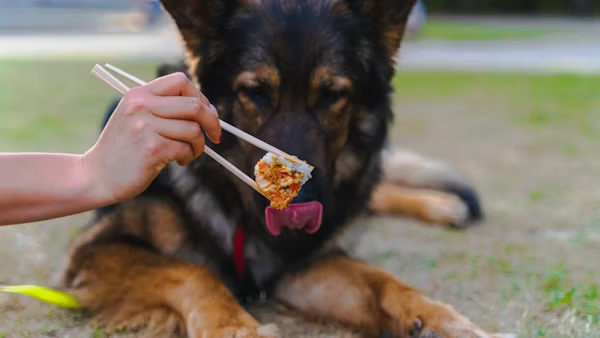
Raw feeding is no longer a fringe idea reserved for a small group of dog owners. Over the past decade, more people have started questioning heavily processed pet foods and looking for diets that feel closer to what dogs evolved to eat. One brand that often comes up in these conversations is OC Raw Dog Food.
OC Raw Dog Food offers frozen raw meals and freeze-dried options, both designed to deliver minimally processed nutrition using whole ingredients. For some owners, this approach feels more transparent and intentional than traditional kibble. For others, it raises important questions about safety, balance, and practicality.
This article is for:
- Raw feeders who want a clearer breakdown of OC Raw’s formulas
- Dogs with food sensitivities or allergies who may benefit from single-protein recipes
- Picky eaters who struggle with conventional dry food
- Owners focused on weight management and portion control
- Senior dogs that need careful nutrition and digestibility
It’s important to set expectations early. Feeding raw food isn’t just about buying a bag and scooping it into a bowl. It requires:
- Safe handling and storage
- Thoughtful portioning
- An understanding of your dog’s individual needs
In this guide, you’ll learn:
- How OC Raw formulates its recipes
- What the ingredient lists actually mean
- How the nutrition profile compares to other raw foods
- Feeding amounts and transition tips
- Pros, cons, recall history, and buying options
The goal is clarity, not hype.
2) OC Raw Brand Overview
OC Raw Dog Food is best known for taking a simple, whole-food approach to raw feeding. Instead of leaning heavily on synthetic supplements or highly processed components, the brand emphasizes recipes built around meat, organs, bone, and produce.
What sets OC Raw apart from many raw brands is its focus on:
- Single-protein formulas
- Minimal ingredient lists
- Multiple formats for different feeding styles
Product formats explained
OC Raw offers two main product categories, each serving a slightly different purpose.
Frozen raw products
These are designed for dogs eating raw as their primary diet.
Frozen options include:
- Patties – larger portions for medium to large dogs
- Mini patties – easier portioning for small dogs
- Meaty Rox – loose, nugget-style pieces that simplify measuring
Frozen raw tends to be the most “traditional” raw option, but it also requires freezer space and careful thawing.
Freeze-dried products
Freeze-dried options are lighter, shelf-stable, and more convenient.
They’re commonly used for:
- Travel
- Training
- Partial raw feeding
- Owners without freezer access
When rehydrated properly, freeze-dried food closely resembles fresh raw in texture and moisture.
What “complete and balanced” really means
Raw brands often describe their food as “complete and balanced,” but that phrase deserves a closer look.
In practical terms, it means:
- The recipe is formulated to meet nutritional standards
- Essential nutrients are present at appropriate levels
- The food can be fed as a primary diet, not just a topper
For raw foods, this balance may come from:
- Whole-food ingredients (meat, bone, organs)
- Or added vitamins and minerals
Learning how to verify this on the label is critical, especially if raw will make up most of your dog’s meals.
3) Ingredient Philosophy and Recipe Structure
OC Raw follows a recipe structure commonly used in raw feeding: meat, bone, organs, and produce.
This style aims to mirror a prey-based diet while still supporting nutritional completeness.
Raw ratio basics
Most OC Raw recipes are built around:
- Muscle meat for protein
- Edible bone for calcium and phosphorus
- Organ meats for micronutrients
- Produce for fiber and natural antioxidants
The exact percentages vary by protein, which is why label reading matters.
Single-protein recipes and allergy support
One of OC Raw’s strongest appeals is its use of single-protein formulas.
These are especially useful for:
- Elimination diets
- Dogs with food intolerances
- Owners trying to identify specific triggers
Limiting protein sources makes it easier to spot patterns when digestive or skin issues are involved.
What to look for on the ingredient list
When evaluating an OC Raw recipe, pay attention to:
- Named meats and organs (not generic “meat meal”)
- Bone or calcium sources clearly identified
- Produce ingredients used for support, not fillers
Short ingredient lists are not automatically better, but they are often easier to understand and manage.
Whole-food nutrition vs added fortification
Some raw foods rely heavily on synthetic vitamins and minerals to meet requirements. Others aim to get nutrients primarily from whole ingredients.
OC Raw tends to emphasize whole-food sourcing, but it’s still important to:
- Check for added supplements where necessary
- Confirm life-stage suitability
- Avoid assuming “natural” always equals “complete”
Understanding this distinction helps prevent nutritional gaps over time.
4) Nutrition Profile Breakdown (What Owners Care About Most)
When people research OC Raw Dog Food, nutrition is usually the deciding factor. Raw food looks different from kibble on paper, and that difference can be confusing.
Protein vs fat balance
Raw diets are typically high in protein, but fat levels can vary widely depending on the protein source.
- Beef and lamb recipes often run higher in fat
- Turkey, chicken, or rabbit may be leaner
For healthy, active dogs, moderate fat can be beneficial. For dogs with:
- Pancreatitis history
- Weight concerns
- Sensitive digestion
fat content becomes a key factor.
Why calorie density matters with raw food
Raw food is often more calorie-dense than it looks.
Because it contains:
- Less filler
- More moisture
- Higher fat content
small portions can carry significant calories, especially for small dogs. This makes accurate portioning essential.
Moisture, digestion, and stool quality
One noticeable difference owners often report when switching to raw is stool consistency.
Higher moisture and digestibility can result in:
- Smaller stools
- Firmer texture
- Less odor
Hydration from raw food may also benefit dogs that don’t drink much water.
“All life stages” vs adult maintenance
Not all raw foods are suitable for every dog.
Before feeding OC Raw as a primary diet, confirm:
- Life-stage labeling on the package
- Whether the recipe meets growth requirements for puppies
- Whether seniors need adjustments
This is especially important for growing dogs and aging pets.
Example: Nutrition comparison by protein (illustrative)
| Protein Source | Typical Fat Level | Best For |
|---|---|---|
| Chicken | Moderate | General feeding |
| Turkey | Lower | Weight control |
| Beef | Higher | Active dogs |
| Rabbit | Lean | Sensitive digestion |
5) OC Raw Product Lines (What You’re Actually Buying)
When people first look at OC Raw, the number of options can feel slightly overwhelming. Patties, mini patties, rox, freeze-dried sliders—it all sounds similar until you understand why each format exists.
The differences are less about nutrition and more about how you feed and store the food day to day.
A) Frozen Raw Line
Frozen raw is the foundation of OC Raw’s lineup. This is what most full-time raw feeders use.
Patties
Standard patties are larger and work best for:
- Medium to large dogs
- Owners feeding raw as the main diet
- Households with freezer space
They’re simple, but not always convenient if you’re feeding a small dog and constantly breaking pieces off.
Mini patties
Mini patties solve that problem.
They’re ideal for:
- Small breeds
- Senior dogs with smaller portions
- Owners who want more precise measuring
Because portions are already smaller, it’s easier to avoid accidental overfeeding.
Meaty Rox
Meaty Rox are loose, nugget-style pieces rather than pressed patties.
Many owners prefer these because:
- You can scoop exact amounts
- They thaw faster
- They’re easier to mix with other foods if needed
For people new to raw feeding, Meaty Rox often feel less intimidating.
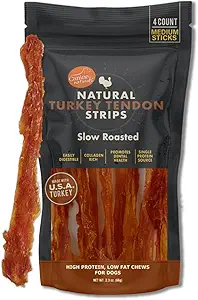
Canine Naturals Natural Turkey Tendon Strips
Canine Naturals Natural Turkey Tendon Strips – Slow Roasted Treats for Dogs – 3oz
Best frozen picks by dog size
- Toy & small dogs: Mini patties or Meaty Rox
- Medium dogs: Regular patties or Meaty Rox
- Large dogs: Patties for efficiency and cost control
B) Freeze-Dried Line
Freeze-dried OC Raw fills a different role. It’s not just a backup—it’s a flexibility option.
Freeze-dried works well when:
- You travel with your dog
- Freezer space is limited
- You want raw nutrition without raw storage challenges
When properly rehydrated, the texture and moisture level come surprisingly close to fresh raw.
Rehydration best practices
This step matters more than many people think.
Good rehydration:
- Improves digestion
- Makes food more palatable
- Reduces dehydration risk
A general rule is to add warm (not hot) water and allow the food to fully absorb before feeding.
C) Treats and supportive add-ons
OC Raw also offers freeze-dried treats and simple add-ons.
These are commonly used for:
- High-value training rewards
- Toppers for picky eaters
- Gentle digestive support
Pumpkin-based add-ons, for example, are often used to support stool consistency during transitions.
6) Feeding Guide: How Much to Feed (Where Most Mistakes Happen)
Portioning is where raw feeding succeeds or fails. Raw food doesn’t forgive guesswork the way kibble sometimes does.
There are two main ways owners calculate portions.
Feeding by body weight percentage
This is the most common raw-feeding method.
Typical starting points:
- Adult dogs: 2–3% of ideal body weight per day
- Puppies: 5–8%, depending on age and growth stage
- Weight loss: closer to 2% (under guidance)
This method works well, but it assumes you’re honest about your dog’s ideal weight, not current weight.
Feeding by calories (more precise, less intuitive)
Calorie-based feeding is especially useful for:
- Small dogs
- Dogs gaining weight easily
- Senior dogs with lower energy needs
Raw food can be calorie-dense, so measuring calories rather than volume can prevent slow, unnoticed weight gain.
Official handling basics (that really matter)
OC Raw recommends:
- Keeping frozen food frozen until use
- Thawing in the refrigerator
- Avoiding microwave thawing, which can create hot spots and nutrient loss
These steps are not just about nutrition—they’re about safety.
Transitioning from kibble to raw
Switching too fast is one of the most common causes of digestive upset.
A gradual transition often looks like:
- Days 1–3: 75% old food, 25% raw
- Days 4–6: 50/50
- Days 7–9: 25% old food, 75% raw
- Day 10+: 100% raw
Dogs with sensitive stomachs may need an even slower pace.
Sample feeding considerations (not strict rules)
- Puppies: multiple meals per day, careful calcium balance
- Active adults: slightly higher fat and calories
- Seniors: smaller portions, easier-to-digest proteins
- Weight loss: precision matters more than variety
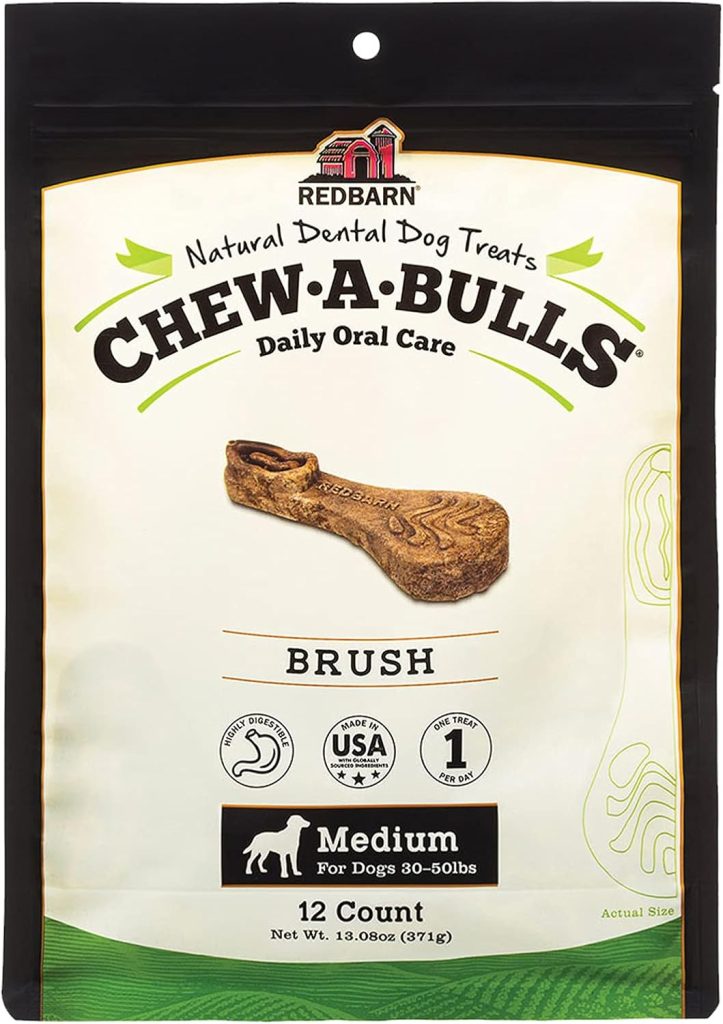
Red barn Chew-A-Bulls
Red barn Chew-A-Bulls (Size: Medium, Shape: Brush, 12-Count (Pack of 1))
7) Thawing, Storage, and Food Safety (Non-Negotiable With Raw)
Raw feeding comes with responsibility. This part isn’t optional.
Safe thawing methods
Best practice is:
- Thaw in the refrigerator
- Use sealed containers
- Avoid countertop thawing when possible
If you need to quick-thaw, cold water baths are safer than heat.
Preventing cross-contamination
Simple habits make a big difference:
- Wash hands after handling raw food
- Use dedicated bowls and utensils
- Clean surfaces immediately
These steps protect both humans and pets.
How long thawed raw lasts
Most raw food:
- Keeps 24–48 hours in the fridge once thawed
- Should be discarded if it smells off or dries excessively
When in doubt, throw it out.
Travel and storage hacks
Owners who feed raw long-term often rely on:
- Freezer packs
- Pre-portioned containers
- Freeze-dried backups
Planning ahead prevents rushed, unsafe feeding decisions.
8) Pros and Cons of OC Raw Dog Food (An Honest Look)
No dog food is perfect. OC Raw has strengths, but it also requires commitment.
Pros
Ingredient transparency
You can see what you’re feeding. Named meats and organs make label reading straightforward.
Rotation-friendly recipes
Multiple proteins allow dietary rotation, which many owners use to reduce sensitivities and boredom.
Single-protein options
These are especially helpful for dogs with allergies or intolerances.
Cons and considerations
Raw handling risks
Households with young children, elderly adults, or immunocompromised individuals need to be extra cautious.
Cost compared to kibble
Raw feeding costs more per day, especially for large dogs.
Availability limitations
Frozen raw is often local-store dependent, while freeze-dried is easier to ship.
9) Recalls and Safety History (What Responsible Owners Want to Know)
Any honest discussion about raw dog food needs to include safety history. Ignoring this part doesn’t build trust, and OC Raw is no exception.
The 2018 recall (what actually happened)
In 2018, U.S. Food and Drug Administration announced a recall involving one specific lot of OC Raw Chicken, Fish & Produce. The concern was potential contamination with Listeria monocytogenes.
A few important clarifications:
- The recall was limited to a single lot
- It was precautionary in nature
- OC Raw cooperated fully with the process
While recalls are unsettling, they are not uncommon in the raw food space. What matters most is how a company responds, not just that a recall occurred.
How to check current safety notices
Raw feeders should make a habit of:
- Checking official FDA recall announcements
- Reviewing brand websites for updates
- Paying attention to lot numbers and “use by” dates
How to verify your specific batch
OC Raw packaging includes:
- Lot numbers
- Best-by or use-by dates
These are usually printed directly on the packaging. If a recall ever affects your product, these numbers are how you confirm whether you’re impacted.
10) OC Raw vs Other Raw Dog Food Brands
Many people researching OC Raw are also comparing it to other well-known raw brands. The differences are often subtle, but they matter depending on your priorities.
What owners usually compare
When people line up raw brands side by side, they tend to focus on:
- Ingredient sourcing
- Protein variety
- Fat levels
- Cost per day
- Convenience and storage
High-level comparison overview
| Brand | Ingredient Style | Protein Variety | Convenience |
|---|---|---|---|
| OC Raw | Whole-food focused, minimal additives | Moderate to high | Frozen + freeze-dried |
| Stella & Chewy’s | Fortified raw | High | Strong freeze-dried lineup |
| Primal | Fortified raw | High | Widely available |
| Northwest Naturals | Simple formulas | Moderate | Frozen-focused |
| Instinct Raw | Hybrid raw | High | Easy retail access |
OC Raw tends to appeal most to owners who value simpler ingredient lists and single-protein options over heavy fortification.
11) Pricing and Value (What It Really Costs to Feed)
Raw feeding costs more than kibble. There’s no way around that. The real question is whether the value aligns with your expectations.
Why pricing varies by protein
Some proteins are simply more expensive to source and produce:
- Rabbit and lamb usually cost more
- Turkey and chicken are often more affordable
This difference shows up quickly when feeding larger dogs.
Estimating monthly cost (rough guidance)
Your monthly cost depends on:
- Dog size
- Daily feeding amount
- Protein choice
For example:
- A small dog may cost significantly less per month
- A large, active dog can push raw feeding costs much higher
Many owners balance cost by:
- Rotating proteins
- Mixing frozen raw with freeze-dried
- Using raw as a base and adding compatible toppers
12) Where to Buy OC Raw Dog Food
Availability is one of the practical limits of frozen raw food.
Buying frozen OC Raw
Frozen products are typically found:
- At independent pet stores
- Through specialty raw feeders
Shipping frozen raw is expensive and limited, so local access matters.
Buying freeze-dried OC Raw
Freeze-dried options are easier to find online and:
- Ship more reliably
- Store without refrigeration
- Work well as backup or travel food
Choosing a retailer wisely
Look for:
- Clear expiration dates
- Proper cold-chain handling for frozen products
- Responsive customer support
A reliable retailer matters just as much as the food itself.
13) Who OC Raw Is (and Isn’t) a Good Fit For
OC Raw works very well in certain situations—and not at all in others.
Good fit for:
- Picky eaters that reject kibble
- Dogs with food sensitivities or allergies
- Owners who want to rotate proteins
- Households comfortable with raw handling
Not ideal for:
- Homes where raw food handling isn’t practical
- Dogs needing very low-fat diets unless carefully selected
- Owners unwilling to measure portions accurately
Raw feeding rewards consistency and attention. Without those, it becomes stressful instead of beneficial.
14) Frequently Asked Questions
Is OC Raw complete and balanced for all life stages?
Some recipes are labeled for all life stages. Always confirm on the package, especially for puppies.
Is OC Raw grain-free, and does that matter?
Yes, it is grain-free. Whether that matters depends on your dog and your vet’s guidance.
How should I thaw OC Raw safely?
In the refrigerator, inside a sealed container. Avoid countertop thawing.
Can I mix OC Raw with kibble?
Some owners do, but digestion varies. Transitions should be slow and monitored.
How long does thawed raw last in the fridge?
Generally 24–48 hours if kept sealed and cold.
Did OC Raw have a recall?
Yes, a limited recall in 2018 involving one product lot.
Which protein is best for sensitive stomachs?
Leaner, single-protein options like turkey or rabbit are often easier to tolerate.
Is freeze-dried OC Raw good for travel?
Yes. It’s one of the more convenient raw-style options for trips.
15) Conclusion
OC Raw Dog Food sits in a very specific space within the raw feeding world. It isn’t trying to be everything for everyone, and that’s part of its appeal.
For the right owner, it offers:
- Clear ingredient transparency
- Flexible feeding formats
- Useful options for allergies and picky eaters
But raw feeding, including OC Raw, requires:
- Careful handling
- Thoughtful portioning
- Ongoing observation of your dog’s response
If you’re feeding a puppy, managing a medical condition, or navigating weight concerns, your veterinarian should always be part of the conversation.
Raw food can be a powerful tool—but only when it’s used with intention, knowledge, and consistency.