You’ve seen the look. It’s that hopeful, tail-tentatively-wagging stare at the leash hanging by the door. Your dog isn’t just asking for a walk around the block. They’re telling you, in their own silent, soulful way, that the pavement is boring, the squirrels are too predictable, and their nose is hungry for adventure. They want the rustle of leaves underfoot, the scent of a hundred different trails, and the shared thrill of discovering a new, muddy creek.
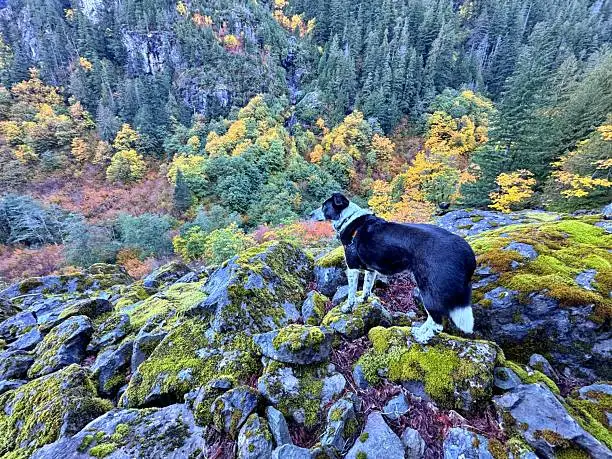
Frankly, I get it. And I bet you do, too. Hiking with your best friend is one of life’s great, simple joys. It’s not just exercise—it’s shared freedom. It’s watching their ears flap in the breeze and that goofy, panting grin as they bound ahead. But here’s the thing: a great dog hike doesn’t start at the trailhead. It starts right here, with a bit of planning.
Too many times, I’ve packed up the car, driven an hour, and arrived only to find a stark “No Dogs Allowed” sign mocking my enthusiasm. Or worse, I’ve picked a trail that was too rocky for my dog’s paws or too crowded for his comfort, turning our adventure into a stressful chore. These missteps can suck the joy out of the day faster than you can say “bad dog!” (which you shouldn’t, by the way—they were just being a dog).
So let’s get it right. This guide is about skipping the frustration and going straight to the good part. We’ll walk through how to find those perfect hidden gems, get your pup ready, pack smart, and hike with confidence. Because the woods are calling, and your four-legged co-pilot is ready to answer.
How to Find the Best Dog-Friendly Hikes Near You
So, where do you even start? The world is full of trails, but not all of them are created equal for a dog. The key is to be a little bit of a detective before you ever leave the house. You’re looking for more than just a “pets allowed” icon. You’re looking for a trail that welcomes wagging tails and curious noses.
Your Digital Trail Map: Tech to the Rescue
First, let’s talk apps. In the old days, you had to call a ranger station or guess based on a blurry park brochure. Now, we’ve got tools right in our pockets.
- AllTrails is Your New Best Friend: This app is a game-changer. The absolute first thing you do is use the “dog friendly” filter. It’s a magic button that instantly hides all the no-go zones. But don’t stop there. The real gold is in the recent reviews. I always scroll through to read the comments from other dog owners. Did they mention a sketchy river crossing? Was the trailhead parking a zoo at 10 AM? Is there reliable water for dogs to splash in? This firsthand intel is priceless and will give you a feel for the trail’s vibe long before you arrive.
- Don’t Forget the Official Source: An app might say a trail is dog-friendly, but rules change. A quick visit to the official website of the state park, national forest, or county park is a non-negotiable final check. This is where you’ll get the definitive word on leash laws (are retractables allowed? Usually not), seasonal closures (like for elk calving), and any pesky fees. It takes two minutes and saves you from a major bummer at the gate.
- Seek Out Local Dog Experts: Some of my favorite trails were found on local blogs or Instagram accounts run by fellow dog hikers. Search for phrases like “dog-friendly trails in [Your City]” or “[Your Region] with dogs.” These enthusiasts often highlight trails with features dogs love, like shallow swimming holes or wide, soft paths perfect for sniffing. They’ve done the legwork so you don’t have to.
What Makes a Trail Truly “Paw-Friendly”?
Okay, you’ve found a trail that allows dogs. Great! But is it enjoyable for a dog? There’s a big difference. Here’s what I look for:
- Water Access: A trail that meanders by a safe stream, pond, or lake is a major win. It offers natural pit stops for a drink and a cool-down. (Word of caution: I never let my dog drink from stagnant water, and I always bring my own supply—more on gear later!).
- The Gift of Shade: Especially in the summer months, tree cover isn’t just nice; it’s a safety feature. A fully exposed ridge on a sunny day can turn a hike dangerous for a furry friend much faster than for you.
- Terrain Matters: Be honest about your dog’s fitness and build. That steep, rocky scramble might be a thrilling challenge for an athletic Border Collie, but it could be painful or scary for a small Dachshund or an older dog with stiff joints. Match the trail to your team. Many local guides now helpfully categorize trails as “easy/paw-friendly,” “moderate,” or “challenging.”
- Read the Room (or the Trail): Pay attention to descriptions and reviews that mention the trail’s popularity. Is it a busy superhighway of mountain bikers and joggers on weekends? That might be overwhelming for a nervous pup. A quieter, lesser-known path might be a much better fit for your first few adventures together.
Is Your Dog Actually Trail-Ready? The Pre-Hike Checklist
This is the most important part, and it has nothing to do with gear. It’s about looking at your beloved couch potato and making an honest assessment. Their enthusiasm will always outpace their common sense, so we have to be the responsible ones.
The Vet Visit You Shouldn’t Skip
Before you plan anything ambitious, a check-up with your veterinarian is a non-negotiable first step. Think of it as getting your car tuned up before a road trip. Your vet can:
- Give the green light on fitness, which is crucial for puppies, seniors, or dogs with past injuries.
- Make sure all vaccinations are current and discuss region-specific risks, like Lyme disease from ticks, which are a serious hazard on trails.
- Prescribe reliable, vet-recommended parasite prevention for fleas and ticks. The woods are full of them, and this is your first line of defense.
- Offer breed-specific advice. They can explain why my friend’s Bulldog (a brachycephalic breed) can’t handle a steep summer hike the way my mixed-breed mutt can.
As one vet wisely noted, dogs “don’t have words and they can’t tell you what hurts”. We have to be their advocates.
Know Your Dog’s Limits (They Don’t)
A dog will follow you to the ends of the earth, even if it’s not good for them. It’s our job to know better.
- Puppies: Those adorable, bouncy babies have soft, developing bones and joints. Long, strenuous hikes can do real damage. Stick to short, sweet adventures until they’re fully grown.
- Senior Dogs: My old guy can’t do 10 miles anymore, but he still lights up at the sight of his hiking harness. We choose shorter, flatter trails now, with plenty of time for him to stop and smell… well, everything.
- Breed & Build: A tiny dog’s little legs have to work ten times harder. A heavy-set dog may overheat faster. There’s no shame in a one-mile, flat loop if that’s what keeps your dog happy and healthy.
The “Can We Please Not Embarrass Ourselves?” Training Refresher
You don’t need a perfectly obedient show dog, but a few basic skills are non-negotiable for safety and common courtesy:
- A Rock-Solid Recall: This is the big one. The ability to call your dog back to you immediately—especially if a deer darts across the path or you encounter another hiker—is crucial. Practice this in increasingly distracting environments before you need it on a cliffside.
- Loose-Leash Walking: Pulling is annoying on a sidewalk; it’s dangerous on uneven, rocky terrain where you both need balance.
- A Strong “Leave It”: This command can stop your dog from eating a toxic mushroom, a discarded granola bar wrapper, or (yuck) wildlife scat. It’s a literal lifesaver.
Master these at home, and you’ll both be infinitely more relaxed on the trail.
Gear and Good Manners
You’ve picked the perfect trail and your dog has passed the ‘readiness test’ with flying colors. The excitement is real—that eager look, the happy tail thumps against the floor. But before you head out, let’s get down to brass tacks. What do you actually need to bring, and what are the unspoken rules of the trail? This isn’t just about having a good hike; it’s about making sure every hike is safe, comfortable, and respectful so that these wonderful places stay open to our four-legged friends.
Gear Up: Your Dog’s Adventure Kit
When I first started hiking with my dog, I’d grab the leash, some old grocery bags for poop duty, and a bottle of water. Let’s just say I learned a lot through minor disasters—a thirsty dog on a hot day, a paw pad cut on sharp shale, and the awkwardness of carrying a full poop bag for three miles. Packing smart transforms a potentially stressful outing into a smooth, fun adventure. Let’s break it down into what you absolutely need and the extra bits that make life easier.
The “Can’t-Leave-Home-Without-It” Stuff
These items are non-negotiable. They’re the foundation of any safe dog hike.
| Item | Why It’s a Lifesaver |
|---|---|
| Sturdy Leash (6-foot max) | Most trails require a leash this length, and for good reason. It gives control without tangling. Retractable leashes are a trail nightmare—they get caught on roots and offer zero control if you need to quickly pull your dog back from a cliff edge or a snake. |
| Comfortable, Snug Harness | A collar is for neighborhood walks. A harness is for trails. It distributes pressure safely if your dog pulls and is much more secure. Look for one with a front clip to help gently discourage pulling. |
| Water & a Travel Bowl (More Than You Think) | This is the most common mistake. You can’t rely on streams or puddles, which can harbor nasty bacteria. I carry one full liter for my dog for every two hours we plan to be out. A collapsible silicone bowl clips right to my pack. |
| Poop Bags & a Sealed Container | Pack it in, pack it out—no exceptions. I bring a small, dedicated odor-proof bag (an old pencil case works great) to seal the used bags inside my backpack. It’s a game-changer for politeness. |
| The “High-Value” Treat Pouch | Not just any treats. I’m talking about the good stuff: tiny pieces of hot dog, freeze-dried liver, cheese. You need irresistible rewards for rock-solid recalls and good behavior when distractions are everywhere. |
| Basic First-Aid Kit | You hope to never use it. You’ll be a hero if you do. Mine fits in a small pouch: self-adhering bandage (sticks to itself, not fur), gauze, antiseptic wipes, and tick tweezers. |
The “Next Level” Gear That’s Worth Every Penny
Once you’ve got the basics covered, these extras solve specific problems and make challenging hikes a breeze.
- A Dog Backpack: If you have a healthy, sturdy adult dog, a backpack gives them a job. They can carry their own water and snacks! The key is to start with it empty, then add small weights over time. Never, ever load it above 25% of their body weight. Watching a dog proudly carry their own gear is pretty awesome.
- Paw Protection: For hot sand, sharp ice, or rough gravel, dog booties are genius. They require practice at home, though. A great alternative is a wax like Musher’s Secret, which you rub into their pads to create a protective barrier.
- Weather Gear: Fur isn’t always enough. A simple, waterproof shell can keep a dog dry and warm in a cold drizzle. In blazing sun, a cooling vest that you soak in water can be the difference between a happy hike and heat exhaustion.
- A Hands-Free Waist Leash: For long hikes on wide-open trails, clipping your dog’s leash to a belt around your waist is incredibly freeing. It lets you use trekking poles and feels more like you’re walking together, not being dragged.
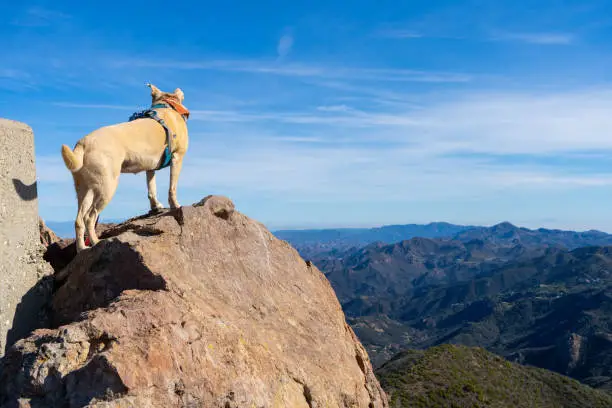
The Unwritten Rules: Trail Etiquette 101
Gear gets you out the door, but good manners make sure you—and every other dog owner—are welcome back. Trail etiquette is all about shared respect.
The Leash: It’s a Tool, Not a Prison
I get it. We all dream of our dogs running free through meadows. But the reality on most public trails is that a leash is mandatory, and it’s for the best.
Think beyond your dog for a second. That leashed rule protects ground-nesting birds from being disturbed. It keeps your dog from rushing up to a hiker who’s terrified of dogs (it happens more than you think). It prevents a negative encounter with a skunk, porcupine, or, in some areas, a predator. Leashing is the simplest act of respect you can offer to the land, the wildlife, and every other person on the trail.
“He’s Friendly!” and Other Phrases to Avoid
Here’s a classic scenario: an off-leash dog comes bounding toward you while its owner yells from 100 yards away, “Don’t worry! He’s friendly!”
As someone who once hiked with a dog-reactive rescue, this phrase made my blood run cold. Your dog’s friendliness is wonderful, but it’s irrelevant to the other party. The hiker ahead might have a fearful dog, a young child, or simply not want an interaction.
The golden rule? Assume nothing. Ask for permission. A simple, “Mind if our dogs say a quick hello?” is perfect. If the answer is “No, thanks,” just smile, say “Have a great hike!” and move on gracefully. This tiny bit of communication prevents 99% of trail conflicts.
Yielding and Sharing the Path
Trails have a natural flow, just like roads.
- Hikers going uphill have the right of way. It’s much harder to restart your rhythm on a steep incline.
- Everyone yields to horses. If you see a rider, step well off the trail on the downhill side (so you appear smaller), leash your dog, and speak calmly so the horse knows you’re a human.
- When in doubt, the more mobile party yields. Often, it’s just easier for a hiker to step aside for a mountain biker.
The Poo Predicament
Let’s be blunt: leaving your dog’s waste, even in a bag on the side of the trail, is littering. It’s gross, it pollutes waterways, and it gives all dog owners a bad name. You brought it in; you pack it out. Those odor-proof bags I mentioned make this chore completely painless.
Following these simple principles of preparation and politeness does more than guarantee you a good day. It ensures that the trail steward—the ranger or land manager—sees responsible dog owners and not a nuisance. That’s how we keep trails open for everyone.
Alright, you’ve done the planning. You’ve packed the gear. You know the rules of the trail. Now comes the part we’ve all been waiting for—making it real and bringing the whole adventure home.
This last piece is about connecting all the dots. We’ll look at some real-world trail examples to show you exactly what to search for in your own backyard. And because I’ve learned the hard way that the trip isn’t really over when you get back to the car, we’ll talk about the crucial, often-forgotten post-hike routine that keeps you and your pup ready for the next one.
So, What Does a “Great Dog Hike” Actually Look Like?
You’ve typed “dog friendly hikes near me” into a search bar. A million options pop up. How do you pick? Let’s translate our planning principles into actual trails. The magic is in the details that go beyond the map.
To give you a concrete idea, here’s a look at a few trails from different parts of the country. They’re not just a list; they’re a lesson in what makes a trail truly great for a dog.
| Trail Name & Location | The Vibe & The Challenge | Why It’s a Dog Winner (& What to Watch For) |
|---|---|---|
| Turkey Creek Trail (Austin, TX) | A classic, easygoing Hill Country hike. About 2.7 miles of dirt path along a creek. | Off-leash freedom in designated sections! Perfect for water-loving dogs to splash. Can get packed on weekends, so go early for peace. |
| Lighthouse Trail (Palo Duro Canyon, TX) | A real adventure. 6 miles out-and-back into the “Grand Canyon of Texas.” Full sun, big views. | Wide, hard-packed trail is easy on the paws. But zero shade means this is a sunrise or cool-weather-only mission. Bring triple the water. |
| Burke Lake Park Loop (Fairfax County, VA) | A serene, flat 4.9-mile loop around a massive lake. Pure walking meditation. | Relaxed and scenic. Perfect for older dogs or a calming stroll. The easy terrain is forgiving, but it’s a popular multi-use path, so expect bikes and joggers. |
| Lewis Falls Trail (Shenandoah NP, VA) | A short-but-sweet mountain hike. Less than 3 miles round trip to a cascading waterfall. | Waterfall payoff! The trail is rocky and narrow, though. Best for agile, sure-footed dogs who don’t mind a careful scramble. |
Your Takeaway: See how the personality of each trail is totally different? When you’re scrolling through options, you’re not just picking a distance. You’re matching a setting and a challenge level to your unique dog. That rocky trail might be a blast for an athletic Border Collie but a nightmare for a small senior pup. Reading between the lines of reviews to find this vibe is your superpower.
A Quick Word on National Parks
You might have noticed one trail is in a National Park (Shenandoah). There’s a huge myth that dogs aren’t allowed in National Parks. The truth is more nuanced. While most have strict rules, many do welcome leashed dogs on specific trails. It’s never a blanket “yes,” but it’s rarely a blanket “no.” Your job is to be a rulebook detective for the specific park you’re eyeing. Their official website will spell out exactly where you can and cannot go.
The Adventure Isn’t Over: Your Post-Hike Ritual
You’re back at the car, dusty and smiling. Your dog flops down, panting happily. It’s tempting to just drive off into the sunset. But taking 15 minutes now can prevent a lot of discomfort later—for both of you. This is the ritual that turns a one-time hike into a sustainable hobby.
For Your Dog: The Four-Point Check
I do this in the same order every time, like a pilot’s pre-flight checklist.
- Paw Inspection: This is first and most important. I have my dog sit and I physically lift each paw, spreading the toes. I’m looking for cuts, cracked pads, or tiny invaders like goathead thorns or foxtails. Finding a problem here means I can fix it before it becomes an infected limp.
- The Great Tick Hunt: Ticks are masters of hide-and-seek. I run my hands over every inch of my dog, against the grain of the fur. My focus areas: inside and behind the ears, around the collar, in the armpits, and between the toes. I keep a tick key and a small sealed container in my first-aid kit.
- Hydration & Fuel: I offer fresh water right away. Back home, they get a smaller, easily digestible meal. A big, rich dinner on top of exhaustion can upset their stomach.
- The 24-Hour Watch: For the rest of the day and the next morning, I keep an eye out. Is my dog moving stiffly? Reluctant to get up? Not interested in food? A little tired is normal; signs of pain are a signal to call the vet.
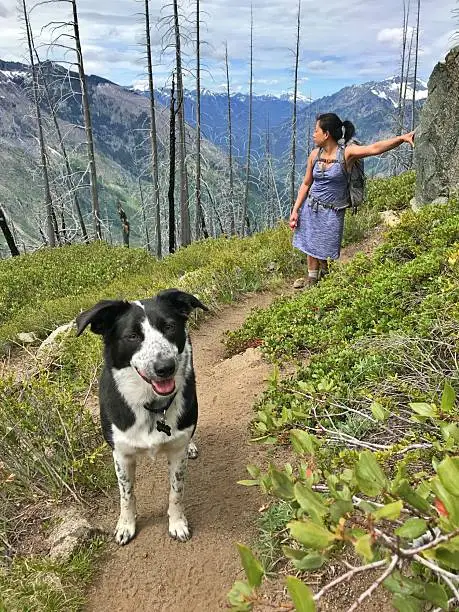
For You (Yes, You!): The Human Cooldown
We pour all our energy into our dogs and often forget our own bodies have just worked hard too.
- Stretch It Out: While my dog is drinking, I’ll do a couple of simple stretches. A quad stretch (pulling my heel to my glute), a calf stretch on the car bumper, and a gentle forward fold to release my hamstrings. It takes 90 seconds and saves me from feeling like I’ve been hit by a truck tomorrow.
- Gear TLC: Before I stow my pack for good, I do a two-minute reset. I wipe off the worst of the mud, note if I’m low on poop bags or first-aid supplies, and hang up the harness to air out. Future You will thank Present You immensely when you’re not scrambling for a clean leash next time.
Wrapping It All Up: Your Trail Awaits
And there we have it. From that first spark of an idea to the post-hike stretch, you’re now equipped with more than just information—you have a blueprint.
The journey of hiking with your dog isn’t about conquering the tallest peak on day one. It’s about the shared quiet of a forest, the teamwork on a tricky step, and the silent understanding that you’re exploring the world together. It starts with a single trail. Maybe it’s the one just 20 minutes from your house that you’ve never noticed before.
The most important thing you can bring is a spirit of respect: for the trail, for the wildlife, for other hikers, and for your own dog’s limits. That respect is what keeps these beautiful places open for all of us who love them.