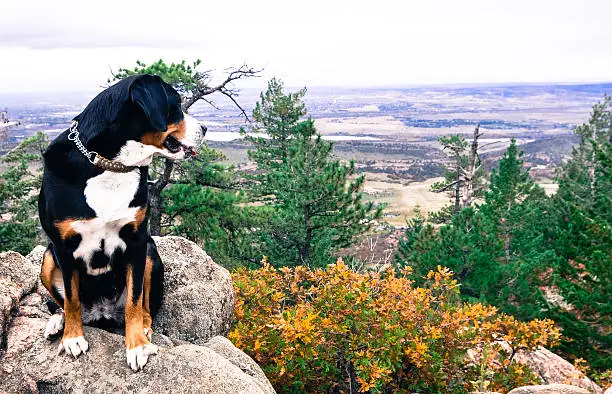
You know that feeling, don’t you? You’re lacing up your boots, and your dog is already spinning in happy circles by the door, leash dangling from their mouth. That pure, eager anticipation is what it’s all about. Hitting the trail with your best furry friend is more than just a walk in the woods; it’s about sharing a moment of freedom, discovering new scents together (well, mostly them), and creating those quiet memories that stick with you long after the hike is over.
A friend of mine once said something that really stuck with me: “Out there on the trail, with my dog trotting ahead, it feels like we’re both taking a deep, happy breath. It’s good for my soul.” I think any dog owner who hikes gets that completely.
But let’s be real—making those picture-perfect adventures happen takes a little more than good intentions. I’ve learned this the hard way, showing up to a gorgeous trailhead only to spot the dreaded “No Dogs” sign. Talk about a letdown! Or worse, realizing halfway through a hike that my dog wasn’t quite ready for the steep, rocky climb I picked.
That’s why I put this guide together. Think of it as a chat from one dog-loving hiker to another. We’re going to cover how to find those perfect trails, get your pup ready, pack the right gear, and hike smart so that every outing ends with a tired, happy dog and a smiling human. Whether your idea of a perfect hike is a peaceful lake loop or a heart-pumping mountain summit, we’ll get you and your four-legged co-pilot there.
Sniffing Out the Perfect Trail
Finding a great hike that actually welcomes dogs is the very first step, and honestly, it’s the one that makes or breaks the whole day. You don’t want to drive an hour only to turn around. Thankfully, with a few smart tricks and the right resources, you can find amazing spots that will have your dog’s tail wagging for miles.
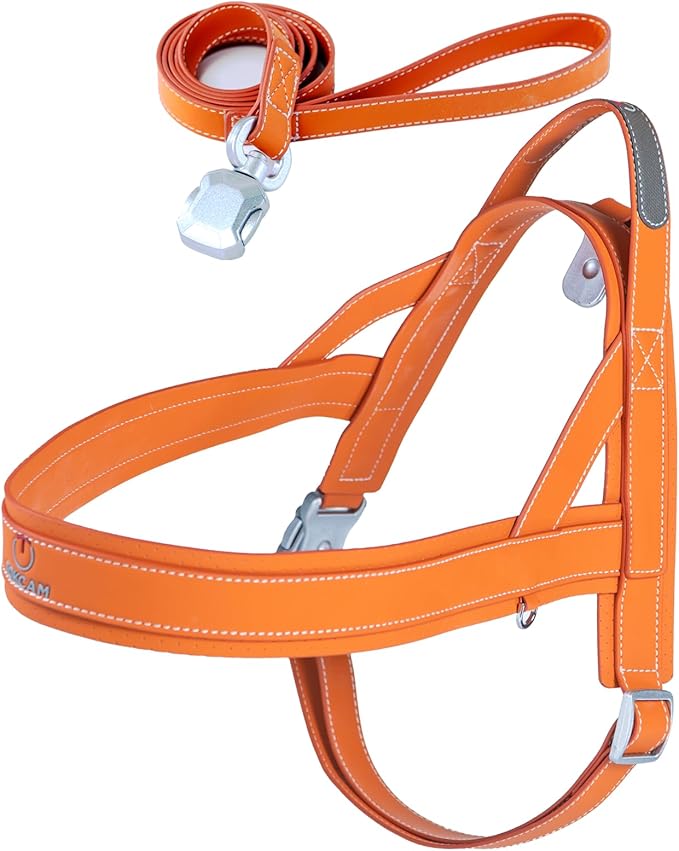
Buckle Dog Harness and Leash Set
Magnetic Quick-Release Buckle Dog Harness and Leash Set, Easy Walk Faux Leather Puppy Harness, Easy On & Off Dog Vest with Handle for Medium, Large Girl Boy Dogs for Hiking Training, Orange, L
Your Digital Trail Map: The Best Apps and Sites
We’re lucky to live in a time where finding this info is easier than ever. You just need to know where to look.
- AllTrails is Your Best Friend. Seriously, this app is a game-changer. I use it for probably 90% of my hike planning. The magic is in the filters—you can tap “Dog Friendly” and instantly weed out all the no-go zones. But the real insider info is in the reviews. I always scroll through to see what other dog owners are saying. Did their pup find water along the way? Was the trail too crowded at 10 a.m. on a Saturday? These little details from people who’ve been there are priceless.
- Don’t Sleep on the Specialty Blogs. Some of the best, most detailed recommendations I’ve found come from local dog hiking blogs. Websites like Hikes Dogs Love are golden because they’re written by people who are out there testing trails with their own dogs. It’s personal and practical. Another fantastic resource is Hike With Your Dog, which is basically a massive, nationwide directory of “tail-friendly trails.” They’ve been at this for over 20 years!
- Go Straight to the Source. When in doubt, pick up the phone or check the official website for the park or forest. A park ranger can give you the most up-to-date info on leash rules, seasonal closures, or if there’s a pesky dog fee you need to know about. It’s the best way to avoid any surprises.
What Makes a Trail “Paw-Friendly”?
Seeing the “dogs allowed” icon is great, but a truly great dog hike has a few extra features that make it safer and more fun for everyone.
- Water, Water, Everywhere (For Splashing). A trail that meanders by a stream or past a lake is a major win. It gives your dog a chance to cool off their paws and grab a drink (though you should always bring your own water too!). One of my favorite local trails runs along a river, and my dog thinks every little beach access point is a gift just for him.
- A Little Shade Goes a Long Way. If you’re hiking in the summer or live in a warmer climate, tree cover isn’t just nice—it’s a safety feature. A shaded path keeps the ground cooler and protects your pup from overheating.
- Be Honest About the Challenge. This one is super important. Is your dog a weekend warrior or a seasoned trail veteran? Match the trail to their fitness. A flat, smooth path is perfect for an older dog or a casual stroll. A steep, rocky climb might be just the thing for a high-energy Border Collie. Start easy and build up your mileage together.
The Pre-Hike Checklist: 5 Must-Answer Questions
I have a little mental checklist I run through before every new hike. It takes two minutes and has saved me from so many headaches.
- What’s the Leash Law? This is the big one. Is it strict “6-foot leash at all times,” or are there designated off-leash areas? Never assume.
- Is the Trail Actually Open? Trails close for all sorts of reasons: muddy conditions, wildlife nesting, fire danger, or hunting season. In some areas during fall, you even need to put a silly (but important!) orange vest on your dog.
- Do I Need Cash for a Fee? Some trailheads have a parking fee or a small charge for your dog. Knowing this ahead of time means you’re not fumbling for cash at the gate.
- What’s the Terrain Really Like? Recent reviews on AllTrails or a blog can warn you if a trail is super overgrown (hello, ticks!), treacherously muddy, or has tricky river crossings.
- What’s the Vibe? Is it a busy, social trail with lots of bikes and other dogs, or a quiet, secluded path? Picking the right environment for your dog’s personality makes everything more relaxing.
Great Hikes Beyond the National Parks
Here’s a secret a lot of people don’t know: while many U.S. National Parks have strict rules, state parks and national forests are often a dog’s paradise. They usually have way more flexible policies, letting you and your pup explore deeper into the wilderness.
To give you a taste of the amazing adventures out there, here are a few standout dog-friendly trails loved by hikers across the continent.
| Trail Name & Location | The Vibe & Challenge | Why Dogs Love It |
|---|---|---|
| Pacific Spirit Park (Vancouver, Canada) | A huge, peaceful forest right in the city. Easy to moderate trails. | Massive, designated off-leash areas where they can truly run free through the ferns and cedars. |
| Thousand Acres (Sandy River Delta) (Oregon, USA) | Wide-open meadows, river views, and flat, forgiving paths. | It’s famously known as the “Doggy Disneyland” of the Pacific Northwest for its miles of off-leash freedom. |
| Runyon Canyon (Los Angeles, USA) | A sunny, social, and moderately challenging hike with Hollywood views. | Designated off-leash zones and a chance to people- (and dog-) watch. It’s the place to see and be seen! |
| Cape Split Trail (Nova Scotia, Canada) | A longer, rewarding coastal hike with breathtaking cliffside views. | Amazing new smells from the ocean and the forest, all while on a leashed adventure beside their favorite human. |
| Acadia National Park (Maine, USA) | Incredible coastal and forest diversity. Lots of options. | One of the most dog-friendly national parks, with over 100 miles of carriage roads and trails where leashed pups are welcome. |
Is Your Pup Really Ready for the Trail? The Prep & Gear No One Talks About
So you’ve scrolled through AllTrails, found a gorgeous-looking trail that says “dog-friendly,” and you’re ready to go. Hold up for just a second. I’ve made this mistake before—rushing out the door with an excited dog, only to realize halfway up the mountain that I was the one who wasn’t prepared.
Getting your dog trail-ready isn’t just about their energy level. It’s a mix of health, training, and having the right stuff in your pack. This part of the guide is all about the behind-the-scenes work that makes the actual hike smooth and fun for everyone.
The Vet Visit You Shouldn’t Skip (Trust Me)
I know, scheduling a vet appointment feels like a chore when you just want to hit the trail. But think of it as a quick pit stop before a long road trip. You wouldn’t skip checking your car’s oil, right? It’s the same for your dog.
A good pre-hike check-up does a few crucial things:
- It rules out the silent stuff. Your dog might seem perfectly bouncy, but your vet can listen to their heart and check their joints for any early signs of arthritis or pain that a hike could aggravate. This is especially key for older dogs or enthusiastic puppies whose bones are still growing.
- It’s your best defense against creepy crawlies. My vet is the one who convinced me to use a prescription-grade tick prevention. She showed me a jar of local ticks they’d pulled off dogs that month, and let me tell you, I’ve never missed a dose since. They can also recommend a leptospirosis vaccine if you’re hiking near water, which protects against bacteria in stagnant puddles and streams.
- It’s a chance for honest advice. Be straight with your vet. Tell them, “We want to start doing 5-mile weekend hikes.” They can give you breed-specific tips. For example, they might gently suggest that my friend’s adorable Pug is better suited for shaded, flat trails rather than steep, sunny climbs because of his short snout.
Getting in “Trail Shape” Isn’t Just for Humans
Here’s a little secret I learned the hard way: walking around the neighborhood is different from hiking. The uneven ground, the roots, the inclines—it uses different muscles.
If your dog is more of a couch potato than a canyon explorer, start slow. I mean, really slow. Begin with a short, local nature path instead of jumping straight into a 3-hour mountain loop. Each week, you can add a little more distance or find a trail with a slight hill.
Pay attention to your dog during these training walks. Are they lagging behind 20 minutes in? Panting excessively on a small incline? That’s your cue to keep building fitness gradually. The goal is a tired-but-happy dog, not one who’s completely wiped out.
The “Canine Backpack”: What to Actually Bring
You’ve got your water and your snacks. But what does your dog need? Over the years, I’ve refined my dog-hiking kit down to two categories: The “Absolutely Necessary” and the “Seriously, Don’t Forget This.”
The Non-Negotiables
- A Proper Leash (and a Backup): Most trails require a 6-foot leash. I keep a standard nylon one clipped to my pack and a thin, lightweight backup in my first-aid kit. Retractable leashes are a no-go on trails—they get tangled on everything and offer zero control if you need to quickly reel your dog in.
- A Comfy Harness: A collar is fine for the street, but a harness is king on the trail. It gives you better control without putting pressure on their neck, especially if they see a squirrel and lunge. Look for one with a front clip to help discourage pulling.
- WAY More Water Than You Think: I have a simple rule: I carry one liter for me and one liter for my dog, per hour of hiking in moderate weather. More if it’s hot. A collapsible silicone bowl is lightweight and clips right to my pack.
- Poop Bags (and a Plan for the Full Ones): Pack it in, pack it out. For the love of all that is holy, this means your dog’s waste, too. I bring a small zippered bag (like an old pencil case) to seal the used bags in. It contains the smell and is much more polite than carrying a tied-off bag on your wrist for two hours.
- High-Value Treats: Not just any treats. Bring the good stuff—the chopped-up hot dogs or the stinky salmon bites. You’ll need them for rewarding good behavior, calling them away from distractions, and a quick energy boost.
The “Oh-Crap” Kit (A.K.A. The First-Aid Kit)
You hope you never need it, but you’ll be so glad it’s there. I built my own small kit in a durable zip pouch:
- For injuries: Self-adhering bandage wrap (it sticks to itself, not fur), gauze pads, antiseptic wipes.
- For paws: A small tube of paw protection wax (like Musher’s Secret) for hot pavement or ice, and a pair of cheap socks to act as a temporary bootie if a pad gets cut.
- The tick tweezers: A fine-point pair is essential for a clean removal.
- My vet’s phone number & the location of the nearest emergency animal hospital. Saved in my phone and written on a note in the kit.
Optional (But Game-Changing) Gear
- A Dog Backpack: If you have a healthy, adult dog of a sturdy breed, a backpack can give them a job! Let them carry their own water and treats. Start with it empty, then add a small weight (like their water bottles) over time. The rule is never more than 25% of their body weight.
- A Cooling Bandana: For summer hikes, I soak a special cooling bandana in water. As it evaporates, it keeps my dog’s neck temperature down. It’s a simple trick that makes a huge difference.
Reading Your Dog’s Signals on the Trail
Your dog can’t tell you they’re thirsty or that a rock is stuck in their paw. You have to watch for it.
Before they get seriously tired, they might just start walking a bit slower or taking more frequent sniff breaks (which is their way of catching their breath). Excessive, heavy panting with wide eyes, bright red gums, or stumbling are major red flags for overheating. If you see this, stop immediately. Find shade, offer small sips of water, and pour water on their belly and paw pads to cool them down.
Always do a quick “paw check” at rest stops. Lift each paw and look between the pads for burrs, small cuts, or pebbles. Catching a problem early means you can fix it with your kit and keep going, instead of having to carry a limping dog back to the car.
Getting this prep work done is what separates a stressful outing from a fantastic adventure. It turns “I hope this goes okay” into “I know we’ve got this.”
The Unspoken Rules: Trail Etiquette That Keeps Everyone Happy
You’ve found the perfect trail and packed the right gear. Now, let’s talk about the glue that holds a great outdoor community together: etiquette. Following the “unspoken rules” isn’t about being fussy—it’s about making sure that everyone, from the solo trail runner to the family with a toddler, gets to enjoy the experience.
Think of it this way: we go into nature for peace, quiet, and connection. When someone’s uncontrolled dog charges through that space, it can shatter the calm in an instant. I’ve been on both sides of that moment—as the stressed owner of a reactive dog and as the person with a friendly pup who just wants to say hi. Learning these principles has made every hike more relaxed and enjoyable for me and my dog.
Here are the golden rules I’ve learned from years on the trail:
- The Leash Is a Tool for Freedom, Not Restriction. This is the most common point of friction. Most trails require a 6-foot leash for a reason. Even if your dog has perfect recall, leashing is a sign of respect. It protects your dog from wildlife, prevents them from chasing animals (which is dangerous for both), and, most importantly, assures other hikers of their safety. Many people are afraid of dogs, have young children, or are hiking with dogs who aren’t social.
- “Friendly” Is Not a Free Pass. This is a big one. Never, ever shout “he’s friendly!” as your dog runs toward another person or dog. Your dog’s friendliness is great, but you have no idea about the other hiker’s situation. They might be allergic, terrified, training a reactive dog, or simply not want to be interrupted. Always ask for permission before allowing any interaction. If someone says “no,” just smile, say “Have a great hike!” and move along.
- Your Dog’s Business is Your Business. Always pick up after your dog and pack the waste out. Leaving bags on the side of the trail “to grab later” is unsightly and, let’s be honest, you’ll probably forget. Use an odor-proof bag or container in your pack to make carrying it less unpleasant. Dog waste introduces harmful bacteria and nutrients into delicate ecosystems—it’s not a natural fertilizer.
- Advocate for Your Dog. This means reading your dog’s body language and stepping in to protect them. If your dog is nervous or reactive, it’s okay to tell people, “We’re not saying hi today,” and use your body to block an approach. If another off-leash dog runs up, don’t be afraid to firmly tell the owner to call their dog. Your job is to be your dog’s protector.
- Stay on the Trail and Yield Gracefully. Stick to marked trails to protect fragile plant life. When you encounter others, the general rule is that hikers going uphill have the right of way, as stopping breaks their rhythm. Step off the trail on the downhill side, bring your dog to a tight heel, and let them pass. A simple “hello” lets people know you’re aware and in control.
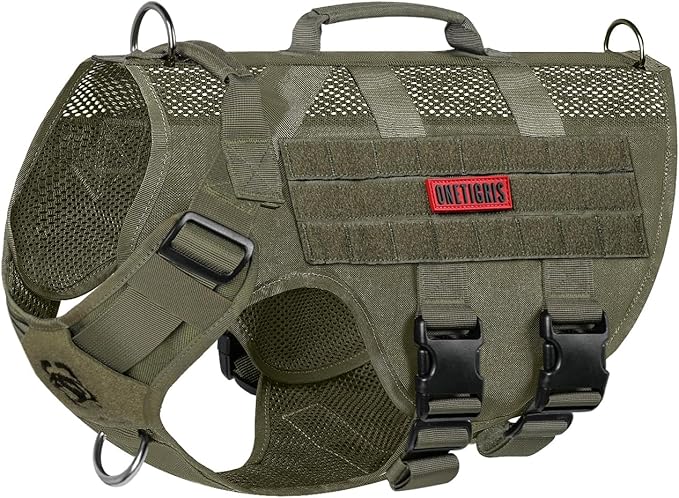
Aire Mesh Breathable Military Dog Molle Vests
OneTigris No Pull Tactical Dog Mesh Harness for Medium Dogs, Aire Mesh Breathable Military Dog Molle Vests with Handles, Service Dog Vest Harness for Walking Hiking Training Green
What About On-Leash Greetings? A Professional’s Take
You might be thinking, “But I want my dog to be social!” I used to think the same way, letting my dog greet every dog we passed. A professional dog trainer gave me some advice that completely changed my perspective: Most dogs don’t need or want to greet every other dog on a walk.
Think about it from your dog’s perspective. On a leash, they are trapped. They can’t move away if they feel uncomfortable or communicate naturally. A forced, face-to-face meeting can be stressful or frustrating. What started as excited pulling to “say hi” can, over time, turn into frustrated barking and reactivity when the greeting doesn’t happen.
Your walk—and especially your hike—should be a calming, bonding experience with you, not a stressful gauntlet of social interactions. Save the doggy playdates for off-leash, controlled environments like a friend’s yard. On the trail, teach your dog that seeing another dog means they check in with you for a treat, and then you both move on. This builds a much stronger and more peaceful connection.
After the Hike: The Cooldown (For Both of You!)
The adventure isn’t over when you reach the car. A proper cooldown can be the difference between feeling pleasantly tired and being painfully stiff the next day—for both you and your dog.
Your Post-Hike Recovery
I used to just collapse into the driver’s seat. Now, I take five minutes at the trailhead. Stopping abruptly after a long hike can cause muscles to stiffen up. Instead, slow your pace to an easy walk for the last 10-15 minutes to cool down. Once you stop, try these simple stretches:
| Stretch | Area Targeted | Simple How-To |
|---|---|---|
| Standing Quad Stretch | Front of thighs (quads) | Hold your ankle and gently pull your heel toward your glute. Keep your chest tall. Hold for 10 seconds per side. |
| Hip Flexor & Hamstring Flow | Hips, backs of thighs | In a staggered stance, push hips forward. Hold, then shift weight back to straighten the front leg. Alternate slowly. |
| Seated Spinal Twist | Back and core | Sitting tall, place one hand outside the opposite thigh and gently twist to look behind you. |
Rehydrate with water or an electrolyte drink, and have a snack with some protein within 30 minutes to help your muscles start repairing. A little care goes a long way.
Your Dog’s Post-Hike Care
Your pup needs a cooldown routine too, and it starts with a thorough check:
- The Paw Inspection: Sit with your dog and check every single paw pad for cuts, cracks, or embedded debris like thorns or pebbles. This is non-negotiable, especially on rocky terrain.
- The Full-Body Tick Check: This is critical. Run your hands slowly over your dog’s entire body, paying close attention to the ears, neck, armpits, and between toes. Remove any ticks promptly with tweezers.
- Hydration and a Light Meal: Offer fresh water and a small, easy-to-digest meal. They’ve burned a lot of energy!
- Watch for Limping or Lethargy: Over the next 24 hours, keep an eye on them. Some tiredness is normal, but excessive stiffness, limping, or lack of appetite could signal a strain or injury.
The Journey You Share
And there you have it—the complete guide to hitting the trail with your best furry friend. We’ve covered finding the right path, packing the essentials, and practicing the etiquette that makes the outdoors welcoming for all.
Remember, every dog and every hike is different. Start with short, easy trails and see what you both enjoy most. Does your dog love splashing through streams or prefer a dry forest path? Do they have the stamina for a summit or are they happier with a leisurely stroll?
The real magic of hiking with your dog isn’t just the scenery; it’s the shared quiet moments, the teamwork on a tricky section, and the simple joy of watching them explore with their nose. It’s about building a bond that goes beyond the backyard. So lace up your boots, clip on that leash, and get out there. Your next great adventure is waiting.