My Dog Breathing Fast. Picture this: you’re settled in for a quiet night, your dog snoozing peacefully at your feet. Then you notice it. Their little chest is fluttering up and down much faster than seems right. They’re not dreaming of chasing squirrels; they’re just… My Dog Breathing Fast quickly. That sudden knot of worry in your stomach is something every dog owner has felt. Is this normal, or is something wrong?
Here’s the good news: often, it’s perfectly fine. But sometimes, it’s a genuine red flag. The real challenge is knowing the difference. Dogs have their own ways of communicating, and their My Dog Breathing Fast can tell us a lot—if we know how to listen. This guide will help you decode those signals, so you can tell the difference between harmless panting and a sign that it’s time to call the vet.
Getting to Know What’s Normal for Your Dog
First things first, let’s talk numbers. When a healthy adult dog is truly resting or asleep, they’ll typically take between 15 and 35 breaths every minute. It’s a wide range because, just like people, every dog is different. You might find your lazy Labrador is at the lower end, while your energetic Jack Russell might naturally sit a bit higher.
Puppies are a special case. With all that growing and playing, they tend to have a faster metabolic rate, which means their My Dog Breathing Fast can be quicker than an adult dog’s, even when they’re resting.
How to Play Vet for a Minute
Figuring out My Dog Breathing Fast rate is simple. You don’t need any special equipment, just a watch with a second hand or your phone’s timer.
- Pick Your Moment: Wait until your dog is completely chilled out, or better yet, in a deep sleep. Make sure they aren’t panting from the heat or because they just heard the magic word “walk.”
- Watch the Rise and Fall: Focus on their chest or their side. A single breath is one full cycle—in and out.
- Time It: Count how many breaths they take over 30 seconds. Then, just multiply that number by two. Easy. For an even more accurate picture, you could count for a full minute.
- Know Their Baseline: The best thing you can do is check this a few times when your dog is clearly healthy and happy. That way, you’ll know their personal normal. If their resting rate ever consistently climbs above 40 breaths per minute, it’s a smart move to give your veterinarian a call.

Portabe DOG Nebulizer
Portabe Cat Nebulizer, Handheld Nebulizer of Cool Mist for Dog Pets, USB Rechargeable Veterinary Nebulizer, Steam Inhaler for Home Office Use for Breathing Problems, Animal Use
Panting, My Dog Breathing Fast, or an Emergency? Spotting the Difference
It’s not just about speed. How My Dog Breathing Fast is just as important as how fast. Let’s break down the three main types you might see.
| Type | What It Looks and Sounds Like | When It Usually Happens |
|---|---|---|
| Normal Panting | Mouth open, tongue out, looking pretty relaxed. The breaths are deep and purposeful. | After a game of fetch, on a warm day, or when they’re excited. It’s their main way to cool down. |
| Fast, Shallow Breathing (Tachypnea) | Quick, shallow breaths. Their mouth might even be closed. It can look a bit… off. | The key here is the context. It happens for no obvious reason, like when they’re just resting on the couch. |
| Labored Breathing (Dyspnea) | This looks stressful. You might see their belly muscles working hard, their neck stretched out, or hear noises like wheezing or grunting. | This is the most serious sign. It means they’re struggling to breathe and need immediate veterinary attention. |
The bottom line? Panting has a job—it’s like your dog’s built-in air conditioner. But fast, shallow My Dog Breathing Fast while resting is often their body’s way of waving a flag that something else might be going on.
The 12 Reasons My Dog Breathing Fast
So, what’s actually causing this? The reasons range from “nothing to worry about” to “let’s get to the vet now.” We’ve split them into two groups to make it easier.
The “Usually No Big Deal” Group
These are common, everyday reasons that should resolve quickly.
- Just Got Done Playing: If your dog is huffing and puffing right after a run in the park, that’s a good sign! They’re just catching their breath, just like you would.
- Feeling the Heat: When the temperature rises, panting is your dog’s best friend. It’s how they keep from overheating. You’ll see this on a sunny day or in a warm room.
- Chasing Dream Squirrels: If your sleeping dog has fast, twitchy My Dog Breathing Fast, they’re probably in the middle of an exciting dream. They should calm down after a minute or wake up easily, perfectly fine.
The “Time to Pay Attention” Group
This is when rapid My Dog Breathing Fast, especially at rest, could be a symptom of an underlying health issue.
- Trouble with the Airways (Respiratory Issues): Several conditions can make it hard for air to get in or out.
- A Noisy Throat (Laryngeal Paralysis): This is more common in older, big dogs. The muscles in the throat don’t open properly, leading to a raspy, noisy breath and a hoarse bark.
- A Weak Windpipe (Tracheal Collapse): Common in tiny breeds like Pomeranians, the trachea can flatten, making it hard to breathe and causing a distinct honking cough.
- Infections like Kennel Cough or Pneumonia: These can fill the airways with gunk, making My Dog Breathing Fast a chore. Look for coughing, sneezing, or a general lack of energy.
- Heart Problems: This is a big one, especially for older dogs. If the heart isn’t pumping efficiently, fluid can back up into the lungs—a condition called pulmonary edema. This makes My Dog Breathing Fast difficult and fast. You might also notice coughing or a sudden tiredness on walks.
- They’re in Pain: Dogs are masters at hiding pain. Sometimes, the only sign you’ll get is a change in their My Dog Breathing Fast pattern. This could be from anything like a sore stomach to an injured leg.
- Heatstroke – An Emergency!: This is more than just normal panting. It’s intense, distressed panting on a very hot day or after being left in a car. The gums may look bright red, and your dog may seem confused or even vomit. This is a race-to-the-vet situation.
- Stress and Anxiety: A thunderstorm, a car ride, or fireworks can send a dog into a panic. Their My Dog Breathing Fast will get fast and shallow, but it should settle down once the scary thing is over.
- Other Illnesses: Sometimes, the problem starts elsewhere in the body.
- Anemia: With fewer red blood cells to carry oxygen, their body compensates by My Dog Breathing Fast.
- Cushing’s Disease: An hormonal imbalance that can cause excessive thirst and, you guessed it, heavy panting.
- A Bloated or Painful Belly: Serious conditions like bloat (GDV) or even a large tumor can press on the diaphragm, leaving little room for the lungs to expand.
Recognizing Emergencies and Seeking Solutions
Now that we’ve covered the potential reasons behind your dog’s rapid My Dog Breathing Fast, let’s talk about the moments that really matter—when you need to take action. This is where your observation skills become your dog’s first line of defense.
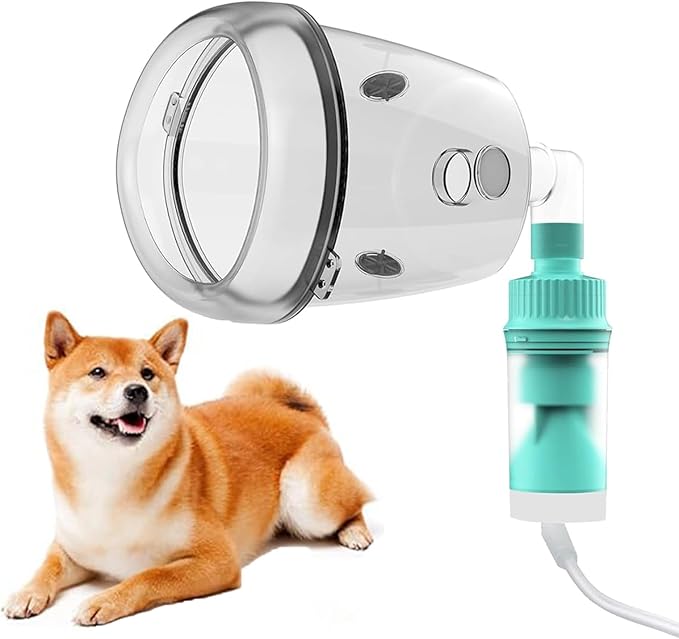
Dog Nebulizer Lying Cup and Inhaler Mask
Dog Nebulizer Lying Cup and Inhaler Mask, White Pet Oxygen Mask, Suitable for Medium-Sized Dogs (Nebulizer Unit Not Included) (M)
The Red Flags: When to Stop Reading and Start Calling the Vet
Some signs aren’t just “concerning”—they’re clear signals that your dog needs professional help right now. If you notice any of the following, it’s time to put down the phone (after you call your vet) and head for the clinic.
1. The Gum Test: A Window to Their Health
Your dog’s gum color is one of the fastest ways to assess their oxygen levels. Gently lift their lip and take a look.
- Healthy gums should be a nice bubblegum pink and feel slick to the touch.
- Pale, white, or bluish-gray gums suggest poor circulation or a lack of oxygen. This is a major red flag.
- Bright red gums can indicate heatstroke or carbon monoxide poisoning.
- A blue or purple tint (cyanosis) means your dog is not getting enough oxygen. This is a critical emergency.
Pro Tip: Press your finger gently on the gum until it turns white. Remove your finger and count how long it takes for the pink color to return. This is called the capillary refill time (CRT). It should take less than two seconds. If it’s longer, it could indicate shock or dehydration.
2. My Dog Breathing Fast That Looks Like Hard Work
You don’t need to be a vet to recognize when breathing is a struggle. Be concerned if you see:
- Abdominal My Dog Breathing Fast: Their belly muscles are visibly pushing to force air in and out.
- Stretched-out neck and head: They’re trying desperately to open their airway.
- Flared nostrils: Another sign they’re working too hard for a basic bodily function.
- Unusual positions: They can’t get comfortable and might sit or stand with their elbows held away from their body.
- Audible distress: Listen for wheezing, grunting, or gurgling sounds with each breath.
3. When Their Behavior Screams “I Don’t Feel Right”
Dogs are stoic creatures, but serious My Dog Breathing Fast issues will eventually override their instinct to hide weakness. Watch for:
- Sudden lethargy or collapse: They can’t or won’t get up.
- Agitation or restlessness: They’re anxious, pacing, and can’t settle down.
- Hiding: Seeking isolation is a classic sign of pain or illness in animals.
- Reluctance to lie down: They might remain standing because lying down makes it harder to breathe.
- Loss of appetite or refusing water: A clear sign something is very wrong.
4. The Numbers Don’t Lie
Remember that My Dog Breathing Fast rate we talked about? If your dog’s resting respiratory rate is consistently over 40 breaths per minute and doesn’t slow down as they relax, it’s more than just a number—it’s a symptom that needs explaining.
5. Other Symptoms Join the Party
My Dog Breathing Fast alone might be puzzling. My Dog Breathing Fast plus any of the following is a stronger signal for concern:
- Coughing, especially a soft, moist cough that seems deep in the chest
- Vomiting or retching
- A distended or hard belly (a potential sign of the life-threatening condition GDV, or bloat)
- Glassy eyes or confusion
First Response: What to Do Before You Get to the Vet
The moments before you leave for the animal hospital can feel chaotic, but a calm, focused approach can make a big difference.
1. Stay Calm. Seriously.
Your dog is incredibly tuned in to your emotions. If you’re panicking, they’ll panic, which will only make their My Dog Breathing Fast worse. Take a deep breath yourself. Speak to them in a soft, reassuring voice. Your calmness is a powerful tool.
2. Create a Safe Zone
Move your dog to a cool, quiet, and well-ventilated room. Turn off the TV and ask other family members (including pets) to give them space. The goal is to minimize any stress or excitement.
3. Limit All Activity
Don’t encourage them to walk or play. If they’re struggling to breathe, even walking to the car can be exhausting. If they’re a larger dog, you may need to gently help them onto a blanket to carry them to the car.
4. Offer Water, Don’t Force It
You can place a small bowl of cool (not ice-cold) water nearby. Let them decide if they want to drink. Forcing water can cause choking, especially if they’re having trouble coordinating their My Dog Breathing Fast and swallowing.
5. The Most Important Step: Call Your Vet Immediately
Don’t just show up. Call the clinic on your way. Briefly describe the symptoms: “My Dog Breathing Fast and heavily at rest, and his gums look pale.” This gives the staff a heads-up so they can be prepared for your arrival, potentially saving precious minutes.
The Veterinary Visit: What to Expect
Understanding what happens at the vet can ease your anxiety. The process is like a detective solving a mystery.
The Initial Investigation:
The vet will start by asking you a series of questions—this is the “history.” Be prepared to answer:
- When did the fast My Dog Breathing Fast start?
- Was it sudden or gradual?
- What was your dog doing right before it started?
- Have you noticed any other changes?
Next comes the physical exam. The vet will:
- Listen carefully to the heart and lungs with a stethoscope, checking for murmurs, crackles, or wheezes.
- Check gum color and capillary refill time.
- Feel the abdomen for any pain or abnormalities.
- Check their temperature.
The Diagnostic Tools:
If the cause isn’t immediately obvious, the vet might recommend some tests to get a clearer picture:
- X-rays (Radiographs): These are crucial for looking at the size and shape of the heart, the clarity of the lungs (checking for fluid or masses), and the airways.
- Blood Work: A complete blood count (CBC) and chemistry panel can reveal signs of infection, anemia, organ dysfunction, or other metabolic diseases.
- Echocardiogram: This is an ultrasound of the heart, often performed by a specialist, to get a detailed look at its structure and function.

Dog Handheld Inhaler Spacer with 2 Canine Masks
Dog Handheld Inhaler Spacer with 2 Canine Masks Helps with Breathing & Delivering Medication Fits
Treatment: There’s No One-Size-Fits-All Answer
This is the critical part. The treatment depends entirely on the diagnosis.
- Oxygen Therapy: For dogs in severe respiratory distress, the first step is often placing them in an oxygen cage to help stabilize them.
- Fluid Therapy: Given through an IV drip to treat dehydration or shock.
- Medications: These could include diuretics (to remove fluid from the lungs caused by heart failure), bronchodilators (to open airways), pain relievers, or anti-anxiety drugs.
- Surgery: Required for conditions like a severe case of bloat (GDV) or a chest tumor.
Special Considerations, Prevention, and Your Questions Answered
Welcome to the final part of our guide. Now that we’ve covered the causes and emergencies, let’s talk about the bigger picture—how some dogs are more prone to My Dog Breathing Fast issues, what you can do to prevent problems, and answers to those specific questions that might have brought you here.
Breed-Specific My Dog Breathing Fast Challenges: Why One Size Doesn’t Fit All
Just like people inherit family traits, dogs inherit physical characteristics that can make them more susceptible to My Dog Breathing Fast problems. Understanding your dog’s breed-specific risks is crucial for proactive care.
Flat-Faced Breeds: The Brachycephalic Bunch
If you share your home with a Pug, Bulldog, French Bulldog, Boston Terrier, or Shih Tzu, you’ve probably heard some snorting and snoring. These flat-faced breeds have what’s called Brachycephalic Obstructive Airway Syndrome (BOAS). Essentially, their skull shape creates anatomical challenges:
- Stenotic Nares: Those cute, narrowed nostrils actually make it harder to draw air in.
- Elongated Soft Palate: The soft part at the back of the roof of the mouth is too long and can flop into the airway.
- Hypoplastic Trachea: Their windpipe is narrower than it should be.
For these dogs, even normal activities can be a workout for their respiratory system. They pant more easily, overheat faster, and are at much higher risk for heatstroke. Keeping them cool and at a healthy weight isn’t just advice—it’s essential for their quality of life.
Other Breed Predispositions
It’s not just the flat-faced dogs that need extra attention. Other breeds have their own vulnerabilities:
- Large Breeds like Labrador Retrievers and Golden Retrievers are more prone to laryngeal paralysis, a condition where the vocal cords don’t open properly, often seen in older dogs.
- Small/Toy Breeds like Chihuahuas, Yorkies, and Pomeranians are frequently affected by tracheal collapse, where the cartilage rings of the windpipe weaken, causing a characteristic “goose honk” cough.
- Giant Breeds like Great Danes and Saint Bernards are, along with deep-chested dogs like German Shepherds and Weimaraners, at high risk for Gastric Dilatation-Volvulus (GDV or bloat), a sudden, life-threatening condition that causes rapid My Dog Breathing Fast due to a twisted stomach.
Knowing your dog’s breed tendencies helps you know what to watch for, turning you from a worried owner into a prepared advocate.
An Ounce of Prevention: Your Role in Your Dog’s Respiratory Health
While you can’t change your dog’s genetics, you have immense power to influence their health through daily habits. Here’s how you can be proactive:
1. Maintain a Healthy Weight
This is arguably the most important thing you can do for any dog, but especially for those prone to My Dog Breathing Fast issues. Extra fat tissue doesn’t just sit there; it requires oxygen and puts physical pressure on the chest and diaphragm, making every breath more work. If your dog is overweight, a controlled diet isn’t about looks—it’s about freeing up their airway. Ask your vet what your dog’s ideal weight should be.
2. Become a Heat-Stress Expert
Dogs can’t sweat like we do, so they’re far more vulnerable to overheating.
- Exercise Smart: Walk your dog during the cooler parts of the day—early morning or late evening. On scorching days, keep outdoor time brief and stick to the shade.
- Hydration is Key: Always have fresh, cool water available. Consider bringing a collapsible bowl and water bottle on walks.
- The Car is a Death Trap: Never, ever leave your dog in a parked car. Even with the windows cracked, the temperature can skyrocket to dangerous levels in minutes.
3. Partner with Your Vet for Long-Term Management
If your dog has a chronic condition like heart disease, you become part of the healthcare team. Your vet may ask you to monitor your dog’s Sleeping Respiratory Rate (SRR) at home. A consistent increase in this rate can be the earliest sign that fluid is building up in the lungs, signaling that a medication adjustment is needed before a crisis occurs.
Your Questions, Answered
Let’s tackle some of the most common questions dog owners have about rapid My Dog Breathing Fast .
Q: Why is my dog My Dog Breathing Fast while sleeping?
This is a really common worry. Often, it’s completely normal! If your dog is twitching, whining, or “running” in their sleep, they’re likely in a deep dream state (REM sleep) and their breathing can become irregular and fast. The key is that they should wake up easily and their breathing should return to normal. However, if the fast breathing is consistent during sleep, doesn’t relate to dreaming, and their resting rate is above 30-40 breaths per minute, it’s worth a vet check to rule out underlying pain or issues like early heart failure.
Q: My Dog Breathing Fast but not panting. What does this mean?
This is the classic sign of tachypnea (fast, shallow breathing). Unlike panting, which is deep and used for cooling, this type of My Dog Breathing Fast often happens with the mouth closed and while the dog is at rest. It’s more concerning because it’s not serving an obvious purpose. It can be a sign of pain, stress, low red blood cell count (anemia), or a problem with the lungs or heart. This is a scenario where contacting your vet is a good idea.
Q: How fast is too fast for a dog to breathe?
As a general rule, a resting respiratory rate over 40 breaths per minute is considered abnormal and a reason to call your veterinarian. Remember, “resting” means truly calm or asleep.
Q: Why is my older dog breathing fast?
As dogs age, they become more susceptible to conditions that affect My Dog Breathing Fast. Heart disease is a primary concern, as a weakening heart can lead to fluid accumulation in the lungs. Other possibilities include pain from arthritis or other age-related ailments, Cushing’s disease, or anemia. Any new or worsening My Dog Breathing Fast pattern in a senior dog should be evaluated by a vet.
Q: Why is my puppy breathing fast?
Puppies are little bundles of energy with faster metabolisms, so it’s normal for them to have a higher resting My Dog Breathing Fast rate than adult dogs. They also tend to breathe faster when they’re dreaming, hot, or excited. However, the same red flags apply. If the fast breathing is accompanied by lethargy, coughing, blue-tinged gums, or obvious distress, seek immediate veterinary care, as puppies can deteriorate quickly.
Conclusion: Trust That Gut Feeling
Navigating your dog’s health can feel overwhelming, but remember this: you are the expert on your own dog. You notice the small changes in their behavior and habits that no one else would. While this guide provides a framework, it can’t replace your unique bond and intuition.
If you see your dog breathing rapidly at rest, take a moment. Observe the context. Check their gum color. Count their breaths. Use the knowledge you’ve gained to assess the situation logically. But above all, trust your instincts. If something feels off, even if you can’t pinpoint why, err on the side of caution. A call to your veterinarian is never a waste of time. It’s an act of love and responsibility for the furry family member who depends on you completely. Your vigilance is their best protection.