Pig Ears for Dogs. If you’re anything like most dog parents, you’ve probably stood in a pet store staring at the wall of treats, wondering which one won’t upset your dog’s stomach, rot their teeth, or burn a hole in your wallet. Somewhere in that mix, Pig Ears for Dogs always seem to pop up crispy, oddly shaped, and usually marketed as “natural” and “long-lasting.”
But here’s the thing: While they might look like a great way to keep your dog busy, Pig Ears for Dogs have been tied to a handful of concerns bacterial contamination, digestive issues, choking hazards, and even weight gain. On the other hand, they’re touted for their dental benefits, mental stimulation, and joint support.
So, which is it? Are Pig Ears for Dogs a healthy snack or a sneaky source of trouble?

Don’t Want the Full Breakdown? Here’s the Short Answer.
Yes, Pig Ears for Dogs can be a good treat—but only if you’re picky about what you buy and smart about how often you feed them.
Here’s a no-nonsense breakdown:
- They’re great for teeth, joint support, and boredom.
- They’re high in fat and calories—overdo it, and you could end up at the vet.
- Quality matters. Cheap Pig Ears for Dogs? Don’t risk it.
If you’re looking for a quick yes or no: Yes—with a few caveats. But if you want to know why, keep reading because there’s a lot more to this chewy snack than meets the eye.
What Are Pig Ears for Dogs Anyway?
Let’s cut to the chase—they’re literally Pig Ears for Dogs, dried or cooked in a way that makes them safe (ish) and edible for dogs. While they might seem gross to us, to a dog, they’re pure heaven: meaty, chewy, and full of natural flavor.
But don’t confuse these with your average dog biscuit. Pig Ears for Dogs are more like edible chew toys—they give dogs something to work on, which can be both calming and mentally stimulating.
Why Do Dog Owners Like Them?
It’s simple:
- They last longer than soft treats.
- Dogs tend to love the taste.
- They’re usually free from artificial ingredients.
- They’re marketed as natural, which is a big selling point for health-conscious pet parents.
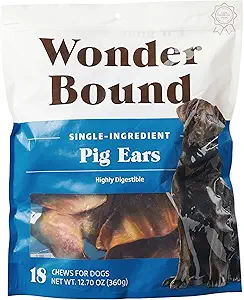
Pig Ears for Dogs
Amazon Brand – Wonder Bound Whole Pig Ears, Single Ingredient, Highly Digestible, Dog Treats for Puppy and Large/Medium Dogs, Pork, 18 count, 12.7 ounce (Pack of 1)
What’s Actually in a Pig Ear?
Beneath the surface, Pig Ears for Dogs are made of cartilage, connective tissue, and skin. That makes them a bit rubbery but not too hard—perfect for a medium-strength chewer.
Here’s what you’re really giving your dog:
| Part | Why It Matters |
|---|---|
| Cartilage | Contains glucosamine; may help joints |
| Skin & connective tissue | Provides fat and chew resistance |
| Naturally rich oils | Keeps dogs engaged due to strong scent/flavor |
The ear is cleaned, dried, and then typically baked, smoked, or dehydrated. Some are irradiated to kill bacteria, but not all are processed the same way—which makes quality control incredibly important.
Low-grade Pig Ears for Dogs can carry bacteria like Salmonella or be treated with nasty preservatives. Always check the label—or better yet, the brand’s reputation.
Nutritional Breakdown: What’s in One Pig Ear?
Pig Ears for Dogs aren’t just chew toys—they also add calories to your dog’s daily intake. In fact, some dogs gain weight purely from daily chew treats like these.
Let’s break down a single pig ear (dried, average size):
| Nutrient | Approximate Amount |
|---|---|
| Calories | 160–200 kcal |
| Protein | 8–10 grams |
| Fat | 12–15 grams |
| Carbohydrates | 0 grams |
| Glucosamine | Trace amounts |
🐕 For small dogs, even one ear can equal a quarter of their daily calories. Keep that in mind if you’re watching your dog’s waistline.
Benefits: Why Some Pet Owners Swear by Them
Despite the risks, a lot of vets and trainers still recommend Pig Ears for Dogs—as long as you use them right. Here’s why:
1. They Support Dental Health (Naturally)
The action of chewing scrapes the teeth, breaking down plaque and keeping gums healthy. While it’s not a substitute for brushing, it can definitely help—especially for dogs who resist toothbrushes.
- Helps prevent tartar buildup
- Reduces bad breath
- Keeps jaw muscles engaged
2. They Calm Anxious or High-Energy Dogs
Chewing is more than just a pastime for dogs—it’s instinctual and therapeutic. For nervous dogs, Pig Ears for Dogs can be a lifesaver on stressful days (like fireworks or vet visits).
- Reduces boredom
- Prevents destructive behavior (e.g. chewing shoes or furniture)
- Keeps them occupied for 15–45 minutes depending on the dog
3. Natural Glucosamine = Joint Love
There’s a bit of glucosamine and chondroitin in cartilage—not enough to treat arthritis, but enough to give senior dogs or large breeds a slight edge in long-term joint care.
Think of it as bonus joint support, not a cure-all.
4. Taste That’s Hard to Beat
Even picky dogs seem to go nuts for Pig Ears for Dogs. The smell, the texture, the fatty flavor—it checks all the boxes for a satisfying chew.
🐾 According to BullyStick.com, Pig Ears for Dogs are among the top three natural chews dogs prefer over processed treats.
Pig Ears for Dogs: The Not-So-Cute Side You Need to Know
Let’s Talk About the Risks
Pig Ears for Dogs sound great on paper—natural, chewy, flavorful—but they’re not all sunshine and tail wags. Like any animal-based treat, they carry real risks that every dog owner should understand.
No treat is perfect, and Pig Ears for Dogs have had their fair share of controversy. Some of it’s overblown. Some of it? Well, it’s based on very real problems.
Here’s what you need to keep an eye on.
1. Bacterial Contamination (Yes, Even for Humans)
Let’s start with the big one. In 2019, the FDA and CDC issued a joint warning about Pig Ears for Dogs being linked to Salmonella outbreaks—not just in dogs, but also in people who handled them.
And we’re not talking about one or two cases. That recall involved multiple brands and over 100 people getting sick, including children.
Even if your dog seems fine, Pig Ears for Dogs can carry bacteria that you can catch just by touching them and forgetting to wash your hands.
How to Protect Yourself & Your Dog:
- Always wash your hands after handling Pig Ears for Dogs
- Store them in a sealed container, away from human food
- Clean surfaces where Pig Ears for Dogs have been placed or chewed
- Buy only from reputable brands that test for pathogens
2. Digestive Problems: The First-Time Chewer Warning
Pig Ears for Dogs are very rich and high in fat, which can cause some dogs—especially those with sensitive stomachs—to have a tough time digesting them. The usual suspects?
- Diarrhea
- Vomiting
- Gas or bloating
- Loose stools for days
If your dog has never had a pig ear before, introduce it slowly and keep an eye out for signs of tummy trouble.
Pro tip: Feed only half an ear the first time, and give it after a meal—not on an empty stomach.
3. Choking & Intestinal Blockages
For aggressive chewers, Pig Ears for Dogs can become a choking hazard—especially if they try to gulp large chunks without chewing. That tough, rubbery texture that makes them long-lasting? It can also get lodged in the throat or intestines.
The danger is bigger for:
- Small dogs with narrow throats
- Greedy gulpers who don’t chew thoroughly
- Puppies who haven’t learned to pace themselves
“We had to rush our Lab to the vet after she swallowed a big piece and it got stuck,” says one reviewer on Dragonfly Products.
How to Reduce the Risk:
- Always supervise your dog while chewing
- Cut large ears in half for small dogs
- Take away the last piece before it becomes too small to chew safely
4. Fat Overload = Weight Gain & Pancreatitis Risk
Let’s be honest: Pig Ears for Dogs are greasy. They’re delicious to dogs because they’re fatty—and that fat adds up fast. Over time, it can lead to:
- Obesity
- Pancreatitis (a serious, painful condition often triggered by high-fat diets)
- Increased cholesterol
And here’s the kicker—many dog owners forget to subtract those treat calories from their dog’s daily food allowance.
A single pig ear can have up to 200 calories—which is 25% of a small dog’s daily intake.
Table: Calories in Pig Ears for Dogs vs. Other Treats
| Treat | Calories (avg.) |
|---|---|
| Pig Ear (whole) | 160–200 kcal |
| Rawhide (small) | 50–70 kcal |
| Biscuit (large) | 80–100 kcal |
| Bully Stick (6-inch) | 100–150 kcal |
Have a chubby pup or a breed prone to pancreatitis? Pig Ears for Dogs might not be your best option.
How Safe Are Pig Ears for Dogs, Really?
Here’s the truth: Pig Ears for Dogs can be safe—but only when certain boxes are checked. Sadly, the market is flooded with low-quality, poorly processed products that don’t meet basic safety standards.
What Makes a Pig Ear “Safe”?
Sourced from countries with strict food safety laws (e.g. USA, New Zealand)
No chemical preservatives, artificial flavoring, or dyes
Oven-baked or air-dried—not deep-fried
Individually tested for pathogens like Salmonella and E. coli
Check the label before you buy. If it doesn’t say where it’s made or how it’s processed, skip it.
Brands like Natural Farm and The Natural Dog Company tend to be more transparent and use safer, traceable sourcing.
How to Read a Pig Ear Package Like a Pro
When choosing Pig Ears for Dogs, the label is your best friend—if you know what to look for.
What to Look For:
- “Sourced & Made in the USA” (not just “Packaged in USA”)
- Ingredients list: should say just “pig ear”—nothing else
- No added flavorings, colorants, or chemical preservatives
- Clear drying method: “oven-baked,” “air-dried,” or “smoked” (avoid “deep-fried”)
What to Avoid:
- Products from unknown or vague origins
- Terms like “flavor-enhanced” or “smoke flavor” (usually artificial)
- Bags that don’t list ingredients or processing info
- Super low prices (cheap usually means corner-cutting)
Hygiene 101: Treat Them Like Raw Meat
Pig Ears for Dogs aren’t cooked the way human food is. That means bacteria can survive—and can easily transfer to your kitchen counters, dog bowls, and even your hands.
Basic Hygiene Rules:
- Wash your hands thoroughly after handling
- Sanitize surfaces the pig ear touched
- Store unused ears in a sealed container or fridge
- Don’t let your dog eat one on your couch or carpet
Reminder: If your dog leaves a chewed-up ear lying around, toss it after 24 hours to avoid bacterial buildup.
How Often Can You Give Your Dog a Pig Ear?
Moderation isn’t just a suggestion—it’s a requirement. Think of Pig Ears for Dogs as a weekly indulgence, not a daily chew.
General Guidelines:
| Dog Size | Max Frequency |
|---|---|
| Small (5–20 lbs) | 1 small ear every 7–10 days |
| Medium (20–50 lbs) | 1 ear per week |
| Large (50+ lbs) | 1–2 ears per week (max) |
And always adjust their regular food portions based on the calorie content of the treats.
Pig Ears for Dogs for Dogs – Special Cases, Safer Options & What Vets Recommend
Not Every Dog Should Have Pig Ears for Dogs — Let’s Talk Exceptions
While Pig Ears for Dogs can be a great treat for the right dog, they’re definitely not a one-size-fits-all chew. Some pups simply aren’t built for them—whether due to age, health conditions, or just plain personality.
This section is especially for those of you wondering:
- Can my puppy have Pig Ears for Dogs?
- What if my dog has allergies?
- Are there safer alternatives that offer similar benefits?
Let’s get into it.

Puppies and Pig Ears for Dogs: Are They a Match?
Short answer? Not always. While the texture of Pig Ears for Dogs can be soothing for teething puppies, their high fat content and chewy toughness make them a little too intense for young dogs, especially those under 4 months.
Why You Should Wait:
- Sensitive tummies: Puppies often can’t handle fatty foods well.
- Choking risk: They may not have developed proper chewing behavior yet.
- Caloric overload: Even a small pig ear might blow through half a puppy’s calorie budget.
If you really want to offer one, go for a soft, air-dried pig ear and cut it into small pieces. But generally, it’s better to wait until their digestive system matures.
Seniors & Dogs with Dental Issues
On the opposite end of the age spectrum, senior dogs can also run into issues with Pig Ears for Dogs. Their teeth may be worn down or sensitive, making chewing a tough, fatty ear uncomfortable or even painful.
Considerations for Older Dogs:
- Joint support from cartilage can help—so there’s some upside.
- But broken or loose teeth? That’s a no-go.
- Instead, try softer chews with joint supplements baked in.
Try This Instead:
- Soft bully sticks
- Fish skin twists
- Dental chews made for older dogs
Health Conditions That Don’t Mix with Pig Ears for Dogs
Some dogs have underlying health conditions that make Pig Ears for Dogs a risky choice. Let’s break it down by issue:
1. Sensitive Stomach
Signs your dog might not tolerate Pig Ears for Dogs well:
- Gas
- Soft stool
- Vomiting
- Discomfort after eating
Solution: Stick with single-ingredient, low-fat chews like dehydrated chicken breast or freeze-dried liver.
2. Pancreatitis or History of Obesity
Because Pig Ears for Dogs are very high in fat, they’re dangerous for dogs who’ve had pancreatitis or are struggling with their weight.
One pig ear can be over 20% of a medium dog’s entire daily calorie intake.
3. Food Allergies or Protein Sensitivities
Pig Ears for Dogs are pork-based. If your dog has a known sensitivity to pork (or is on an elimination diet), avoid Pig Ears for Dogs completely.
Tip: Look for limited-ingredient chews made from novel proteins like duck, kangaroo, or venison.
“My Dog Had a Bad Reaction—Now What?”
So your dog tried a pig ear and things went sideways. It happens. The key is to monitor the symptoms, act fast, and know when it’s time to call the vet.
Common Mild Reactions:
- Soft stool or gas
- Slight lethargy (from overeating)
- A little vomiting if eaten too fast
These usually resolve within 24–48 hours. Offer water, bland food, and let their stomach settle.
Red Flags to Watch For:
- Bloody diarrhea
- Repeated vomiting
- Extreme lethargy
- Gagging or signs of choking
- Refusal to eat or drink
If you notice any of these, get your vet involved immediately. Pancreatitis and obstructions can be life-threatening if ignored.
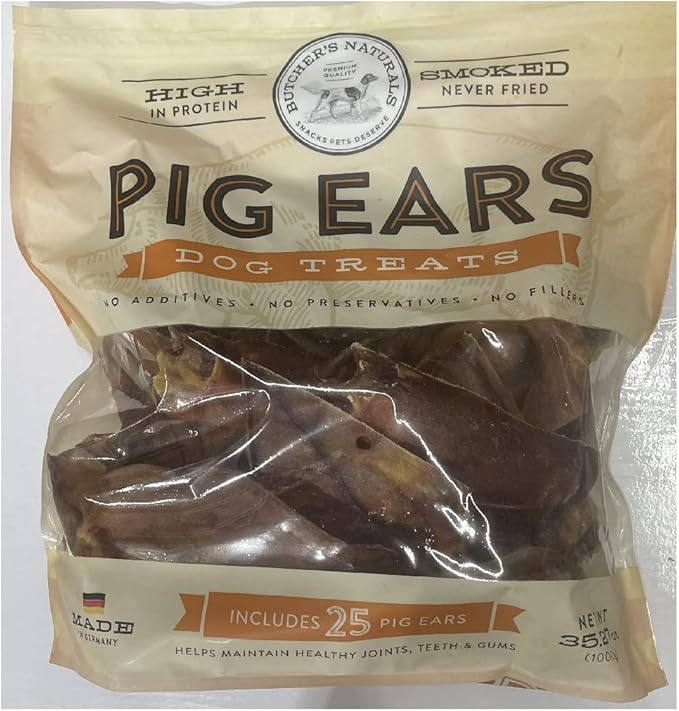
Pig Ears for Dogs
Amazon Brand – Wonder Bound Whole Pig Ears, Single Ingredient, Highly Digestible, Dog Treats for Puppy and Large/Medium Dogs, Pork, 18 count, 12.7 ounce (Pack of 1)
Vet-Approved Alternatives to Pig Ears for Dogs
If you’ve decided Pig Ears for Dogs just aren’t worth the risk for your pup, don’t worry—there are plenty of safer, cleaner, and equally satisfying options out there.
Here’s a rundown of the best alternatives depending on your dog’s needs.
For Dental Health:
| Alternative | Why It Works |
|---|---|
| CET VeggieDents | Vet-approved, cleans teeth, low-calorie |
| Whimzees | Textured design helps reduce tartar |
| Fish Skin Chews | Crunchy, low-fat, full of omega-3s |
For Mental Stimulation:
| Alternative | Highlights |
|---|---|
| Bully Sticks | Long-lasting, digestible, less fatty |
| Raw Meaty Bones (supervised) | Great for natural chewing instincts |
| Kongs filled with peanut butter | Reusable and interactive |
For Joint Health:
| Chew Type | Why It’s Great |
|---|---|
| Green-lipped mussels | Rich in natural glucosamine |
| Cartilage chews | Usually beef-based, easier to digest |
| Glucosamine-rich soft chews | Vet-formulated with added vitamins |
Where to Buy Safe Chews
When shopping for any kind of chew—pig ear or not—quality should always be your top priority. Look for brands that:
- Are transparent about their sourcing
- Test for pathogens
- Avoid artificial additives
- 🇺🇸 Are made in countries with strong food safety regulations (USA, Canada, NZ, EU)
Some recommended places to start:
- Natural Farm
- The Natural Dog Company
- Only Natural Pet
Real Talk: Every Dog Is Different
It’s tempting to follow what your neighbor feeds their dog—or what’s popular on social media—but your dog’s health is unique.
Some dogs can enjoy Pig Ears for Dogs without a hitch. Others? One chew and their system is in chaos.
That’s why it’s so important to:
- Know your dog’s history
- Start small
- Watch closely
- Adjust accordingly
No treat is worth sacrificing your dog’s long-term health, no matter how much they wag their tail when they see it.
Pig Ears for Dogs: Final Verdict, Safe Use Tips & Our Top Picks
Let’s Recap: Are Pig Ears for Dogs Worth It?
We’ve covered a lot so far—and if you’re still here, kudos! You’re clearly the kind of dog owner who takes things seriously (the kind your dog would write a thank-you letter to if they could).
Let’s quickly recap the key takeaways from Parts I–III:
The Pros:
- Great for dental health — chewing reduces plaque and tartar
- Mentally enriching — keeps dogs focused and calm
- Tasty and natural — few dogs can resist them
- Minimal ingredients — when sourced properly
The Cons:
- High in fat and calories — not ideal for overweight or sensitive dogs
- Can carry bacteria like Salmonella — especially if not processed safely
- Potential for choking or blockages — especially in aggressive chewers
- Not for all dogs — puppies, seniors, and dogs with health issues may need alternatives
So, are pig ears bad? Not really. But they do require a bit of thought and some responsibility on your part.
Final Verdict: Who Should & Shouldn’t Feed Pig Ears for Dogs
Let’s make it crystal clear:
| Dog Type | Recommendation |
|---|---|
| Healthy adult dog with strong teeth | ✅ Great treat (moderation is key) |
| Puppy under 4 months | ❌ Not recommended |
| Senior dog with dental issues | ⚠️ Only if softened or supervised |
| Overweight or low-activity dog | ❌ Better to avoid |
| Dogs with pancreatitis history | ❌ Strictly avoid |
| Picky eaters or anxious dogs | ✅ Excellent option |
| Aggressive chewers | ⚠️ Supervise closely |
If your dog checks the right boxes, a pig ear once a week or so could be a safe and enjoyable addition to their routine.
But if you’re unsure, don’t gamble—ask your vet first.

Pig Ears for Dogs
Exquisite Pets 35-Pack of Roasted Pig Ears for Dogs-Bulk All Natural, Brazilian Single-Ingredient Chews! Safe & Digestible-Full-Size Ears! Cleans Teeth & Gums. Aggressive Chewers. Treats for Dogs
Tips for Safe Pig Ear Chewing
Here’s your cheat sheet to make pig ears as safe as possible for your dog:
Smart Feeding Guidelines:
- Limit frequency: 1–2 times per week max
- Size down: Cut ears in half for small breeds
- Supervise chewing: Always, especially for fast eaters
- Not on empty stomach: Prevents digestive upset
- Hygiene matters: Wash hands and clean surfaces
- Watch for reactions: Diarrhea, vomiting, or choking = stop immediately

Our Top 3 Vet-Approved Pig Ear Products (2025 Update)
We did the digging for you. Here are three high-quality, safe, and trusted pig ear treats that strike a balance between taste and safety:
1. Natural Farm Pig Ears for Dogs
- 100% natural, single-ingredient
- Pasture-raised pork, no hormones
- Lab-tested for safety (no Salmonella or E. coli)
- 🇺🇸 Sourced and made in the USA
“No stomach upset, clean ingredients, and my picky senior terrier LOVES them!”
2. The Natural Dog Company Pig Ears for Dogs
- Great for medium to large dogs
- Oven-baked, not fried
- Less greasy, minimal smell
- Eco-conscious packaging
“They don’t stink up my house like others—and they actually last a while.”
3. Bark worthies All-Natural Pig Ears for Dogs
- Sourced from USDA-inspected facilities
- No preservatives, no additives
- Comes in resealable pouch for freshness
- Excellent for aggressive chewers (but supervise!)
“Bark worthies is my go-to for premium treats. Zero digestive issues in over 2 years.”
Final Thoughts: A Chew Worth Considering—If You Do It Right
Pig Ears for Dogs are one of those dog treats that spark strong opinions—and it’s easy to see why. They’re natural, satisfying, and fun… but they’re also a little messy, a little risky, and not right for every pup.
That said, for many dogs, they’re a safe, enriching, and even healthy treat when you:
- Pick the right product
- Feed in moderation
- Stay aware of how your dog reacts
So, if your dog lights up when you pull one out of the treat jar, and you’re confident in the source, there’s no need to ban them from your pantry.
✔️ Just be smart, selective, and attentive—and you’ll be giving your pup the best of both worlds.