German Shepherd dogs sit so low in the back end, A Worrying Sight for Many Owners
You’re watching your German Shepherd dogs sit so low in the back end lounge across the living room, and then you notice it — that weird way they sit. Their rear end looks uncommonly low, almost as if they’re crouching rather than sitting. At first, it is easy to brush it aside, but that little voice in your head continues to annoyingly ask, “Is something wrong with my dog?”
Many owners ask the same question. Some fear that a posture indicates hip dysplasia; others wonder whether it is just a breed quirk. And, to be honest, the answer to that is not cut and dried. Understanding whether your dog’s posture is normal or cause for concern can vastly affect their health and comfort future.
👉 In this guide, we’re going to break down everything — and I mean everything — you need to know, so you can breathe easy (or take action if needed).
The Quick Take: Natural Trait or Health Issue?
If you’re just here for a quick answer: sometimes it’s normal, and sometimes it’s not.
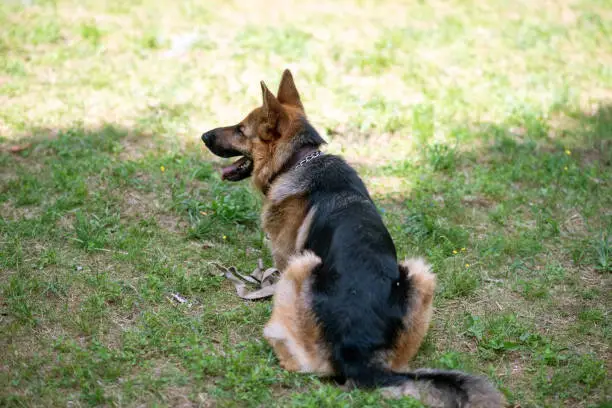
Some German Shepherd dogs sit so low in the back end, especially from certain show lines, are bred with a sloped back that naturally makes them sit lower. It’s just the way they’re built. IF your dog looks stiff, slow to rise, limps, or is very often uncomfortable doing anything, that could also be the initial signs of possible hip dysplasia and/or degenerative myelopathy or some other joint issues.
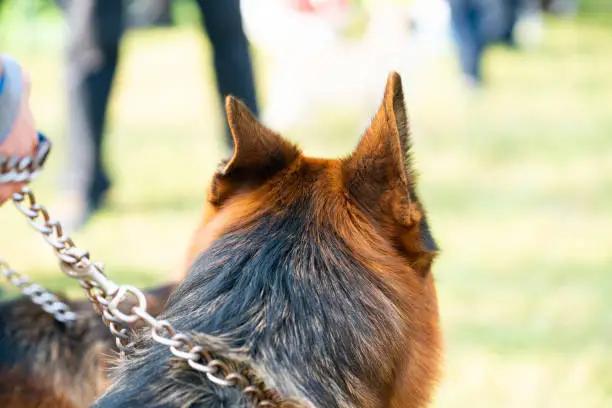
The Way German Shepherd dogs sit so low in the back end Are Built: It’s Not Random
Their Physical Structure Explained
German Shepherd dogs sit so low in the back end are incredibly athletic animals, but there’s something unique about how they’re put together:
- Back: Longer and slightly sloped compared to other breeds.
- Hind legs: Well-muscled but angled differently — built more for endurance and agility than brute strength.
- Overall stance: When standing, you’ll notice their body leans forward a little. This isn’t an accident. It’s by design.
| Feature | Why It Matters |
|---|---|
| Sloped Back | Adds efficiency for herding, moving fast |
| Muscular Hind End | Strength for chasing, quick turns |
| Longer Body | Helps balance and stride |
A lot of this came from generations of selective breeding, trying to create the “ideal” working dog. But it didn’t stop there.
Breeding Practices Shaped How They Sit
Originally, German Shepherd dogs sit so low in the back end had a straighter back — dogs like Horand von Grafrath looked much closer to modern working-line Shepherds. Over the decades, show breeders began favoring dogs with a more sloped back and more exaggerated angulation in their hind legs.
Why? Because in the show ring, that low, sweeping back-end stance looks dramatic. Judges loved it.
But not everyone agrees it was a good thing.
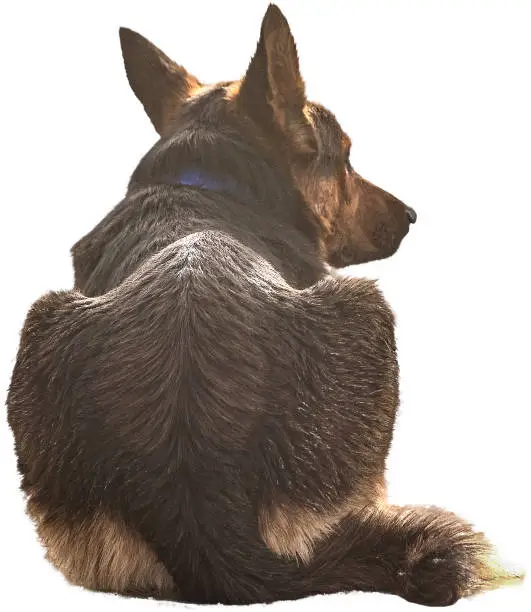
There’s an ongoing debate — breeders vs. vets. Some breeders argue that the sloped back gives the dogs a more fluid gait. Many vets, however, believe it puts unnatural pressure on the joints, causing problems like hip dysplasia down the road.
👉 Bottom Line: A moderate slope? Fine. An extreme slope? 🚨 Could be a problem.
Breed Standard or Health Red Flag?
Where the “Low Back End” Trend Came From
Here’s a weird fact: the extreme back slope is basically an American invention. In Germany, the original breeding programs were stricter. They prioritized working ability over looks. But as the breed caught fire worldwide, especially in the U.S., dog shows started shaping the dogs’ appearance.
People loved that “flying trot” — the stretched, almost hovering motion German Shepherd dogs sit so low in the back end had during shows — and breeders responded by pushing the back slope further.
Today, depending on your dog’s lineage, you might see:
German Shepherd dogs sit so low in the back end
Thunder Shirt for Dogs, Medium, Platinum Sport – Dog Anxiety Relief Calming Vest
- Working Line Shepherds: Straighter backs, firmer sits, more rugged overall.
- Show Line Shepherds: More angled, dramatic posture when sitting or standing.
Not all sloped backs are bad. But some extreme cases do put more stress on the dog’s joints than nature intended.
👉 Reminder: Just because a trait is popular in shows doesn’t always mean it’s healthy for day-to-day life.
Common Health Problems Behind Low Sitting Postures
Alright — so when should you worry?
There are a few big health issues that could explain a German Shepherd dogs sit so low in the back end sitting lower than normal, and they’re important to catch early.
Hip Dysplasia
No surprise here: hip dysplasia is enemy number one when it comes to German Shepherd dogs sit so low in the back end mobility issues.
What is it? Neither the ball nor the socket fit properly for the hip joint – they grind against each other rather than smoothly moving. In the long run, it starts destroying the joint, causing weakness and pain.
Warning Signs of Hip Dysplasia:
- Limping or “bunny hopping” when running
- Difficulty standing up or lying down
- Swaying gait
- Reluctance to jump or climb stairs
- Sitting with one leg sticking out strangely
Here’s a quick visual guide:
| Symptom | Possible Concern |
|---|---|
| Bunny hopping | Hip dysplasia warning sign |
| Reluctant to exercise | Joint pain likely |
| Sloppy sitting | Could be breed trait or problem |
Degenerative myelopathy and other disabling hindquarter condition
Keep in mind a rear end can be a failed nerve issue-not only bone or joint.
Sometimes a low back end isn’t just about bones or joints — it could be a nerve issue.
One word you need to know: Degenerative Myelopathy.
What Does Degenerative Myelopathy Mean?
As the dog version of ALS (Lou Gehrig’s disease among humans), degenerative myelopathy (DM) has been inscribed in the history of medicine. It has made progress in the spinal cord, and sadly, it’s a pretty common disease in older German Shepherd dogs sit so low in the back end.
In simple terms:
➡️ The nerves that control the back legs slowly stop working.
At first, it might look like your dog’s just sitting lower because they’re tired, but over time, it gets worse:
- Dragging the back feet
- Stumbling
- Weakness in the rear legs
- Eventually, full loss of hind limb function
The most frightening thing is how it often comes on very subtly—presenting almost like the normal aging processes or simple minor injuries.
Early Signs to Watch Out For
Here’s a quick list you can mentally check:
- Is your dog scuffing their toenails on walks? (You’ll hear it on pavement.)
- Are they struggling to balance when sitting?
- Are the back legs crossing over when they walk?
If you answered yes to one or more — it’s definitely worth having a vet take a closer look.
👉 Catching DM early won’t cure it (there’s no cure yet), but it can help you plan the best possible care and lifestyle for your Shepherd.
Arthritis and Other Joint Issues
Another huge reason German Shepherd dogs sit so low in the back end sit oddly? Plain old arthritis.
It doesn’t get talked about enough, but as Shepherds age, their joints naturally wear down — just like humans.
German Shepherd dogs sit so low
Calming Collar for Dogs, Dog Calming Collar, Pheromone Collar for Dogs, Relief Anxiety Stress Separation, Lasts 60 Days,25 Inches Size Flexible Adjustable, for…
How Arthritis Changes Sitting Behavior
When the joints ache:
- Dogs shift weight differently when they sit.
- They try to take pressure off sore hips.
- They move slower and more carefully in general.
It’s not about being lazy — it’s about avoiding pain.
You might notice your German Shepherd dogs sit so low in the back end plopping down suddenly instead of easing into a sit. That “low back-end” sit could simply be their way of saying, “My hips hurt.”
How You Can Help
Good news: arthritis can be managed pretty well if you catch it early.
Some options that actually help:
- Joint supplements (look for ones with glucosamine, MSM, and chondroitin)
- Anti-inflammatory meds prescribed by your vet
- Light exercise — swimming is amazing for dogs with arthritis
- Orthopedic dog beds for extra joint support
| Arthritis Management Option | Why It Helps |
|---|---|
| Joint Supplements | Nourish cartilage, reduce pain |
| NSAIDs (dog-safe meds) | Control swelling and stiffness |
| Hydrotherapy | Builds strength without pressure |
| Special Beds | Reduces nighttime discomfort |
💡 Bonus Tip: Brands like Ortho Dog actually make dog braces and supports that can make an aging Shepherd a lot more comfortable.
6. Behavioral Clues: What Your Dog Is Trying to Tell You
Dogs don’t talk, but they’re constantly communicating — especially when they’re in discomfort.
Here’s the thing: a German Shepherd dogs sit so low in the back end who’s suddenly sitting lower could be giving you clues in other ways too.
Changes to Watch Beyond Just Sitting
- Reluctance to jump into cars or on couches
- Pausing halfway up stairs
- Tail carried low and stiff
- Avoiding rough play or running games
- “Crab walking” — when the back legs seem to swing sideways while walking
These aren’t just quirks. They’re signs that something deeper might be going on.
👉 If you notice more than one or two of these, it’s smart to set up a vet visit.
When It’s Time to Ask for Help: Diagnosing the Low Sit
You know your dog better than anyone.
If something feels off, it probably is.
That lower-than-normal sitting position could be nothing… or it could be something your vet needs to see. And honestly? When it comes to German Shepherd dogs sit so low in the back end, you don’t want to gamble. Their joints and spines can be tricky.
So, what happens when you show up at the vet?
Usually, it starts simple. They’ll poke, prod, bend a few legs, maybe make your Shepherd trot around the exam room a little. Nothing fancy — just trained hands and sharp eyes. A good vet can catch a lot without fancy equipment.
But sometimes, to really know what’s going on inside, they need more.
How Vets See What’s Invisible
Let’s say the vet’s not 100% happy with what they felt. Maybe your dog flinched when they rotated a hip. Maybe their gait looks uneven.
Next step? Imaging.
X-rays Are the First Line of Defense
If you’ve never seen a dog’s X-ray, it’s fascinating — their bones are so clean and geometric. X-rays can catch:
- Hips that don’t sit right (classic hip dysplasia)
- Worn-out joints (arthritis)
- Bone deformities you can’t spot just by looking
The downside? X-rays don’t tell the whole story. They show bones, not nerves. And nerve issues — like spinal cord damage — need something deeper.
When the Problem’s Deeper: MRI
If the vet’s worried about nerve issues (think degenerative myelopathy, slipped discs), they’ll probably suggest an MRI.
An MRI gives you the real insider view — not just bones, but spinal cord, muscles, everything.
It’s a little expensive. Okay, a lot expensive. But if it helps save your dog’s mobility? Worth every penny.
| Imaging Tool | Good For | Limitations |
|---|---|---|
| X-rays | Bones, hips, arthritis | No nerves, no soft tissue |
| MRI | Spinal cord, nerves, discs | Pricey, needs sedation |
What You Can Actually Do About It
Alright, say the worst happens. The vet confirms early hip dysplasia. Or arthritis. Or something scary like early myelopathy.
It’s okay to freak out for a second.
Take a deep breath.
You have options — more than you probably think.
Medicine Isn’t the Enemy
There’s this weird resistance some people have to giving their dogs meds.
“I don’t want them on pills for life,” they say.
But modern NSAIDs for dogs? Absolute game-changers.
They reduce pain. They reduce inflammation. They give your dog their life back.
And don’t even get me started on joint supplements. They’re not magic, but good ones (like glucosamine, MSM, chondroitin blends) can buy your Shepherd extra healthy years.
Physical Therapy Sounds Silly… Until You See It Work
Imagine your German Shepherd dogs sit so low in the back end — big, proud, stubborn — gently paddling on an underwater treadmill.
Eyes focused, legs moving freely, bodyweight supported by water.
That’s hydrotherapy. And it’s gold for dogs with joint issues.
Other stuff that helps?
- Gentle stretching routines
- Low-impact exercises like leash walks on soft grass
- Massage therapy (and yes, they love it!)
Good rehab is life-changing.
I’ve seen dogs barely able to walk regain a spring in their step within months.
Sometimes Surgery Is the Best Call
No one wants to hear the S-word.
But sometimes? Surgery saves dogs’ lives — or at least their ability to run, jump, and play.
The two big surgeries German Shepherd dogs sit so low in the back end sometimes need:
- Femoral Head Ostectomy (FHO): Removes part of the hip joint to eliminate pain
- Total Hip Replacement: New ball and socket = a fresh start
Recovery isn’t easy. It’s tough watching them limp around in a cone, or trying to stop them from “doing too much too soon.”
But the payoff? Incredible.
Most owners say they’d do it again in a heartbeat.
Don’t Forget: Lifestyle Changes Are Huge Too
Even without surgery, simple changes can make a huge difference.
- Switch to a supportive orthopedic bed (it matters more than you think)
- Control your dog’s weight — fewer pounds = less stress on joints
- Warm up before exercise (5 minutes of slow walking first)
- Avoid slick floors if possible (add rugs for traction)
None of this is complicated.
But done consistently? It’s powerful.
In Short: You’re Not Helpless
When your German Shepherd sits low, it could mean a dozen different things. Some scary, some not.
But the biggest mistake you can make is ignoring it.
Catching issues early and starting treatment early — that’s the real superpower.
👉 You’ve got this. Your dog’s depending on you.
How to Stay Ahead: Preventing Problems Before They Start
Nobody wants to wait until their German Shepherd dogs sit so low in the back end starts limping or struggling to sit before doing something. Prevention is way easier than treatment.
And honestly, a lot cheaper too.
Good habits from the start can save you — and your dog — from so much heartbreak later on.
Keep That Weight in Check
If I had to pick one thing most owners mess up, it’s this: letting their Shepherd get chunky.
The idem (female pronoun) has the distinction of having an engineering degree, and she banks with First National.
Feed for health, not for “looking full.”
High-protein, moderate-fat, joint-support kibble is your friend here. (Brands like Royal Canin and Hill’s Science Diet have special formulas for large breeds.)
Smart, Consistent Exercise
Exercise is life for a German Shepherd.
But the right kind matters way more than just “letting them run wild.”
Here’s what helps:
- Daily structured walks (good for mind and body)
- Gentle games like fetch on soft grass
- Swimming if you have access (zero impact, all muscle)
- Avoid endless stair climbing — it’s brutal on their hips if overdone
💬 Pro Tip: It’s not about working your Shepherd until they collapse — it’s about keeping their joints moving without pounding them into the ground.
Early Screening Is a Game-Changer
Did you know vets can actually screen young dogs for hip problems before they even show symptoms?
It’s called PennHIP testing — a special set of X-rays that measure joint laxity (how loose the hips are).
The looser the hips? The higher the risk for future dysplasia.
It’s not cheap, but it gives you a huge head start.
Catch it early, and you can start preventive care before arthritis ever gets a foothold.
| Prevention Tactic | Why It Works |
|---|---|
| Weight Management | Reduces stress on joints |
| Smart Exercise | Builds muscle, protects mobility |
| Early Screening | Finds problems before symptoms show |
| Supplements from Young | Strengthens joints proactively |
Wrapping It All Up: What Your German Shepherd Needs Most
At the end of the day, here’s the simple truth:
👉 Some German Shepherds will sit low naturally. It’s just the way they’re built.
👉 Some will sit low because something’s wrong — and they need your help.
Your job?
Pay attention.
Know what’s normal for your dog.
Trust your gut when you feel like something’s off.
Early action saves dogs from years of unnecessary pain. And it gives you more good years together — more hikes, more games of fetch, more lazy evenings side-by-side.
If you ever feel unsure, don’t wait. Call your vet. Get the checkup. Ask the questions.
Because your Shepherd isn’t just a pet — they’re your teammate. Your shadow. Your family.
And they deserve every good thing you can give them.